
Since its launch in 2006, the Fulfillment by Amazon (FBA) program has helped millions of online sellers sustain and grow their businesses.
Through this program, Amazon handles storage, packing, and shipping to help you focus on sourcing and selling your products. You won’t have to pay for warehouse fees and worry about decluttering and maintaining it to keep it organized.
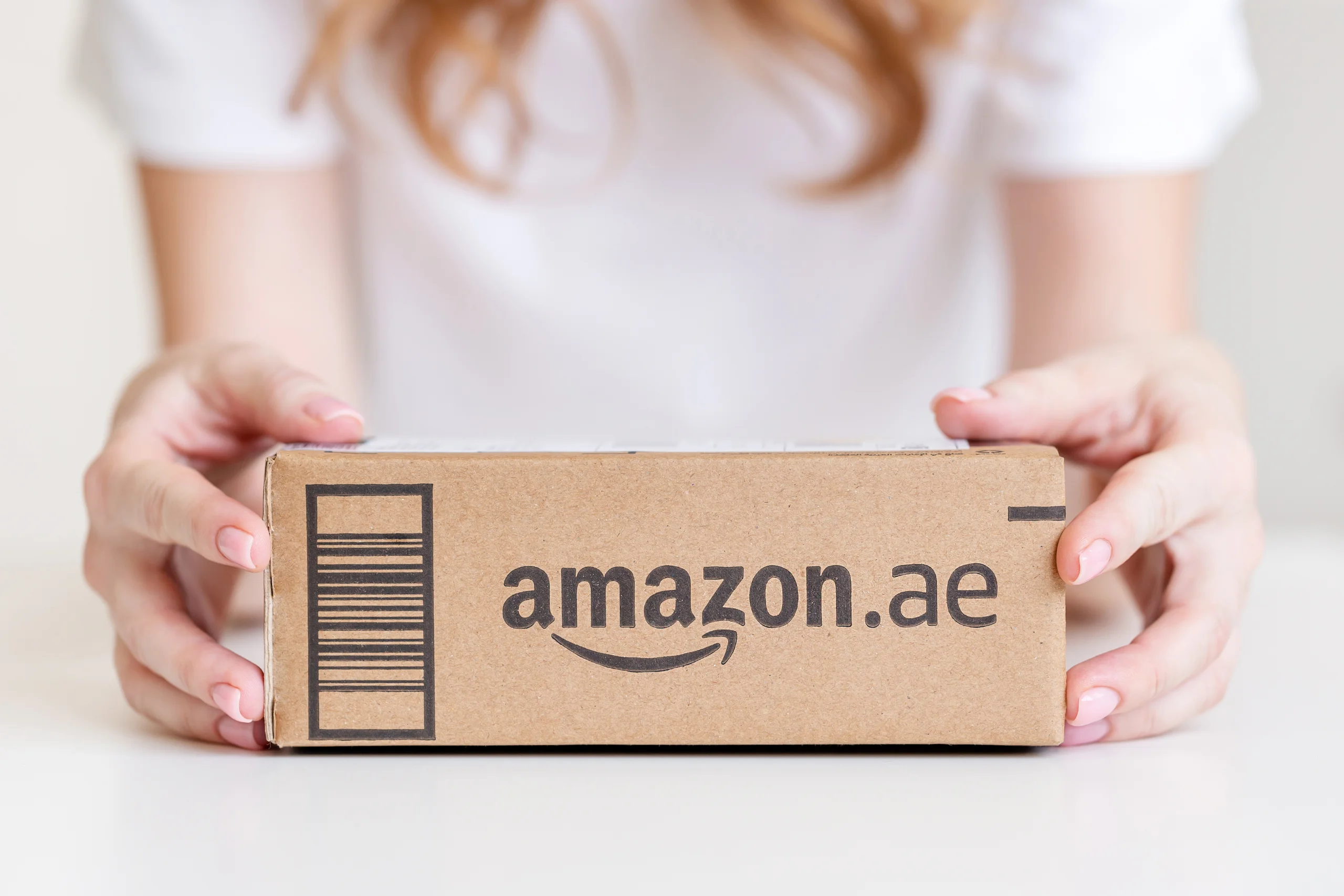
Amazon FBA UAE also offers Prime eligibility to members. When you sign up for this program, your products will be seen by the extensive network of Prime users who love fast, free shipping. This, in turn, can boost your sales and help your merchandise stand out on this platform.
Table of Contents
Additionally, Amazon FBA handles all returns and customer service. You won’t need to worry about responding to late-night messages or managing returns logistics.
Once you join the FBA program, you can enjoy simplified and streamlined operations, enhance your brand reputation, and tap into a massive customer base while having more time to focus on growing your online business.
Leveraging Amazon FBA to Increase Your Profit Margins
Although Amazon FBA already offers several benefits, you can still enjoy one more: increased profit margins.
You can reap this benefit in the following ways:

1. Focus on selling more profitable products.
Besides selling evergreen, crowd-favorite products, research trending items worth adding to your selection. Make sure there is a demand for them before including them in your merchandise lineup.
Use a free keyword research tool to find out what customers are searching for on Amazon. If you have the budget, opt for paid tools like Helium or Jungle Scout to look at and study real-time data.
If you don’t have the budget, play with different keywords and product names and search them on Amazon to find out which items come up in the results. Next, look for opportunities to undercut the competitors’ prices, which can include working with suppliers that offer the merchandise at less expensive bulk rates.
Keep in mind that when you sell plenty of slow-moving products, you can end up losing money on storage fees. If you don’t conduct sufficient research, you might buy items you can’t sell, which means you have wasted money and time on the entire process.
2. Sell more lightweight products.
Shipping and storage costs are two of the biggest expenses for FBA sellers. Selling lighter items allows you to keep these expenses in check.
Amazon charges sellers based on the size and weight of their products. Lightweight items take up less space in fulfillment centers and cost less to ship to an Amazon warehouse and your customers.
Lightweight products are also easier to handle and transport, which can help you streamline the shipping process. Additionally, you can price these items competitively to attract more budget-conscious customers.
Lower storage and transportation fees and streamlined shipping processes can lead to higher profit margins, which means you can earn more money after each sale.
3. Use pricing tools to offer competitive prices.
When your prices are too high, you’ll have difficulty selling your products on Amazon. Conversely, selling them low will cause you to lose profits.
You can use Amazon’s tools to ensure your prices are competitive and allow you to earn money.
Amazon’s automated pricing tool allows you to adjust your prices based on your competitor’s prices automatically. When you set the right threshold, you can be sure you won’t lose profits even when you lower your prices.
Additionally, use other competitor analysis tools, such as Trellis and Keepa, to check if your prices are competitive.
4. Regularly optimize your product listings.
When your product listings are optimized, you boost their visibility on Amazon search results. This can help drive more visitors to your shop and increase your chances of converting them into buyers.
Below are some tips for optimizing your product listings:
- Use a relevant tool to conduct keyword research to identify high-volume ones appropriate for your products. Include at least one of the main keywords in the product title, description, and page headers.
- Create a clear and concise title with the relevant keyword for each product. It should highlight the item’s unique selling point (USP) and benefits and comply with Amazon’s guidelines.
- Provide detailed product descriptions that highlight the item’s values and explain how it addresses customer pain points. Include relevant, high-volume keywords naturally in the description as well.
- Add high-resolution images that show each product from different angles and highlight its features. Include alt-text, which should be a simple sentence with one to two relevant keywords describing the photo.
5. Monitor your Amazon seller metrics.
Key Amazon seller metrics, such as order defect rate (ODR), late shipment rate, inventory performance index (IPI), and customer feedback, affect your visibility on the platform and account health, which impacts your profitability.
Strong metrics lead to better rankings, which means more shoppers will likely discover your products, which often leads to more sales and higher profits.
Conversely, when your metrics show your products and shop are performing poorly, you might incur penalties, such as restricted listings or suspension. These can cost you both money and momentum.
When you regularly review your metrics in Amazon Seller Central UAE, you can quickly spot and fix issues to protect your account and build trust with buyers. These, in turn, can help you increase your sales and profits.
With these five tips, you can join the millions of online sellers using Amazon FBA to maximize profits and grow their business.