

Key Takeaways
- A handyman business is ideal for those with diverse trade skills and a desire to be self-employed.
- Decide early on which services you will and won’t provide to clarify your niche.
- Licensing and insurance are crucial for legal compliance and trust-building with clients.
- Start with tools you already own and keep your operations lean.
- Research local competitors to understand your market and pricing.
- Clearly define your operating hours, payment methods, and geographic range.

How to Start a Handyman Business
- How to Start a Handyman Business
- What You Need to Startup a Handyman Business
- Marketing a Handyman Business
- Challenges When Starting a Handyman Business
- Tips to Succeed in the Handyman Business
Table of Contents
What You Need to Startup a Handyman Business
If you have excellent trade skills, enjoy carpentry, plumbing, electrical work, or general home maintenance tasks — and you’re thinking of working for yourself — starting a handyman business might be the perfect fit.
Homeownership continues to rise across the U.S., and with it comes the constant demand for repair, maintenance, and improvement. While some homeowners enjoy tackling projects themselves, many don’t have the time, tools, or know-how to fix things. That’s where a skilled handyman becomes invaluable.
Starting a handyman business allows you to offer professional, time-saving, and cost-effective solutions to homeowners and property managers. And the good news? You don’t necessarily need a specialized license (depending on your state), a storefront, or a large investment to get started.
This guide outlines exactly what you need to successfully launch your handyman business, from the skills required to licensing, insurance, tools, pricing, and more.

What is a Handyman?
A handyman is a jack of all trades — a versatile service provider skilled in a wide variety of home repair and improvement tasks. From fixing leaky faucets to patching drywall, installing shelves, or assembling furniture, a handyman is often the go-to professional for tasks that don’t require a licensed contractor but still demand skill, precision, and experience.
Typical services a handyman may offer include:
- Replacing fixtures (e.g., lights, faucets)
- Installing shelves or blinds
- Repairing drywall and plaster
- Patching roofs or sealing small leaks
- Fixing doors and windows
- Minor electrical and plumbing work
- Assembling furniture and equipment
Unlike licensed contractors who specialize in large-scale construction or renovation projects, like full kitchen remodels or building additions, a handyman typically handles smaller jobs that can be completed in a few hours or a day. That’s what makes them so valuable for homeowners looking for timely and affordable help.
Handymen aren’t usually specialists, and that’s their strength. They fill the gap between doing it yourself and hiring multiple pros. For example, a leaky roof may require more than a roofer. It might also involve repairing water-damaged drywall, fixing insulation, or painting over stains. Rather than hiring three separate specialists at three separate rates, a homeowner can call one skilled handyman to handle it all, often at a fraction of the cost.
Handyman services are not only cost-effective but also time-saving, especially for busy homeowners who don’t have the tools, skills, or hours to tackle a growing to-do list. Whether it’s a quick fix or a small improvement project, handymen help keep homes safe, functional, and looking their best.

Step-by-Step Guide to Start Your Handyman Business
1. Identify and Assess Your Skills
Before you hang your shingle as a handyman, take time to evaluate your current abilities. This step is critical because your personal skillset is the foundation of your business — it influences the services you’ll offer, how you’ll price your work, what tools and equipment you’ll need, and even how you’ll position yourself in the market.
Start by making a detailed list of all the repair and maintenance tasks you can confidently complete. Ask yourself:
- Am I comfortable with basic electrical repairs like changing outlets, installing light fixtures, or replacing dimmer switches?
- Can I handle plumbing tasks such as fixing leaks, unclogging drains, or installing faucets?
- Do I have experience in carpentry — hanging doors, building shelving, or framing?
- Have I done interior work like painting, drywall repair, or tile installation?
- Can I assemble furniture or install appliances?
Don’t forget to include soft skills and relevant experience. If you’ve worked in construction, remodeling, or facility maintenance, that background can give you an edge. Likewise, if you’re known for being reliable, communicative, or detail-oriented, those traits can set you apart in a field where professionalism matters just as much as skill.
Find Your Niche or Specialty
While generalists are in demand, having one or two specialties can help you gain traction faster. If you’re particularly good at building custom shelves, installing ceiling fans, or restoring deck surfaces, lean into those strengths. Promoting a niche can make you more memorable and help you build a reputation faster—especially if you’re operating in a competitive area.
For example:
- If you live in a coastal community with lots of rental properties, furniture assembly and quick turnover repairs could be in high demand.
- In older neighborhoods, skills like window restoration or plaster repair may be highly sought after.
Having a specialty also opens the door to premium pricing, since clients often pay more for someone who truly knows what they’re doing in a specific area.
Know Your Limits
Equally important is recognizing your limitations. Are there tasks you’ve only done once or twice? Are there projects that make you uncomfortable due to safety concerns or code requirements? Be honest with yourself — and with potential clients. Misrepresenting your capabilities can lead to poor reviews, liability issues, and damage to your reputation.
If you identify a skill gap in a high-demand area (like tile setting or low-voltage wiring), consider investing in a certification course or apprenticeship to expand your offerings over time. Sites like Coursera, local community colleges, and trade organizations often offer flexible learning options.
Pro Tip: Even if you’re starting as a generalist, specializing in just one or two areas can help you carve out a unique brand, charge higher rates, and become the go-to handyman in your community for that type of work.
This skill assessment isn’t a one-time exercise — it’s a starting point. As your business grows, continue learning, upgrading your skills, and exploring new tools or services that can increase your value and revenue.

2. Choose the Services You’ll Offer (and Avoid)
Make a clear list of the services you are willing to provide, and just as importantly, those you won’t. There is a wide variety of tasks and services that you can offer as a handyman. While there are no specific qualifications to start a handyman business, you need to be familiar with all aspects of the trade.
Some examples that your handyman business can offer include, but are not limited to, the following:
Roof
- Install or repair gutter covers
- Clean gutters
- Roof repairs
Bathroom
- Caulk and grout
- Bath exhaust fan repair
- Tile installation or repair
- Flooring installation or repair
- Cabinetry/counters
- Drywall/Plaster repair
- Installation or repair of electrical switches, outlets and fixtures
- Paint
- Miscellaneous repairs
Interiors
- Closet organizers
- Drywall/plaster repairs
- Door repairs
- Interior and exterior painting
- Bookcases
- Furniture assembly
- Moulding/Trim installation
- Custom carpentry
- Mirrors, tapestries
- Miscellaneous Repairs
- Wall/shelving units
- Window Treatments/Installation
- Mantel Installation
- TV mounting
- Caulking and grouting
- Minor plumbing (e.g., fixing leaks, unclogging drains)
- Minor electrical (e.g., replacing outlets or switches)
Outdoor
- Wall/shelving units
- Drywall/Plaster repairs
- Pressure washing
- Deck and porch repairs
Services you might exclude:
- Roofing beyond basic patchwork
- Tree removal or landscaping
- Major electrical or plumbing work requiring a license
- Load-bearing wall modifications
- Asbestos or lead paint removal
Having this list helps manage customer expectations and keeps you safe from legal or liability issues.

3. Determine Your Pricing Strategy
Setting the right pricing strategy is one of the most important decisions you’ll make when starting your handyman business. Charge too little and you risk undervaluing your time and skills — or worse, not covering your expenses. Charge too much and you may drive away potential customers. The goal is to find a pricing structure that reflects your expertise, covers your operating costs, and remains competitive in your local market.
There are two primary ways handymen charge for their services: hourly and flat-rate per task. Some businesses offer a mix of both depending on the job.
Common Handyman Pricing Models
Hourly Rate
This is one of the most common and flexible pricing structures. It’s especially useful when the scope of work is uncertain or open-ended — like repairing something that may have hidden issues.
- Typical range: $65 to $90 per hour in most U.S. cities
- Considerations: Be clear about whether this includes time spent sourcing materials, clean-up, and driving time
Hourly pricing is ideal for general maintenance calls or when clients ask you to handle multiple small tasks during one visit. To make it worth your time, most handymen also set a minimum charge, which brings us to the next point.
Minimum Charge
To avoid losing money on short visits, it’s common to require a minimum booking — usually one or two hours.
- Example: You charge $75/hour with a 2-hour minimum. Even if the task only takes 30 minutes, you earn $150.
- This policy ensures that your travel time, gas, and setup effort are fairly compensated.
Flat Fee Per Task
Some handymen prefer to offer fixed pricing for common jobs, especially those with predictable time and material costs.
Examples:
- $125 to install a ceiling fan
- $90 to mount a TV
- $100 to patch a small section of drywall
- $60 to assemble flat-pack furniture
This model can be attractive to customers who want transparency and don’t like the unpredictability of hourly rates. It also allows you to bundle small tasks into packages.
Trip or Fuel Charge
For jobs located far from your home base or in high-traffic zones, it’s reasonable to charge an additional trip fee.
- Common range: $20–$50
- Some handymen waive this fee if the job exceeds a certain size or cost
- For quotes or estimates, some professionals charge a non-refundable visit fee of $35–$50, which may be credited if the client books the job
This can help filter out non-serious clients while offsetting travel time and fuel.
Material Markup
If you purchase supplies for the job, you have the option to either charge the client the exact cost or add a markup to cover the time and effort spent sourcing them.
- Typical markup: 20%–40%
- Example: If materials cost you $100, you may charge the client $120–$140
- Be transparent in your invoice, showing labor and material costs separately
Some handymen choose not to mark up materials at all as a value-add, but it’s a viable income stream if handled ethically and with clear communication.
How to Calculate Your Rates
To price effectively, consider these key factors:
- Your cost of doing business: fuel, tools, insurance, licenses, software, phone plans, etc.
- Your skill level and experience: more experienced handymen can command higher rates
- Local market rates: research what others are charging in your area
- Demand and urgency: emergency or same-day jobs can often be charged at a premium
- Complexity of the job: charge more for tasks that involve higher risk, precision, or expertise
Use a basic formula:
(Estimated hours x hourly rate) + materials + travel + markup = total project cost
Don’t Race to the Bottom
It might be tempting to undercut the competition when starting out, but lowballing your rates can hurt your business in the long run. Not only can it eat into your profits, but it may also signal to potential customers that your services are low quality. Instead, focus on offering value — reliability, professionalism, clear communication, and excellent results — and price accordingly.
Pro Tip: As you gain more experience and positive reviews, gradually increase your rates to reflect your growing reputation and expertise.
Tools to Help with Pricing
- Use job cost calculators or handyman pricing guides as a baseline.
- Consider estimating apps like Jobber, Housecall Pro, or Joist to standardize your process.
- Keep a pricing sheet for common services you perform often — it makes quoting faster and more consistent.
Pricing isn’t set in stone. As your skills grow, your costs change, and your business gains traction, revisit and adjust your rates regularly to ensure you’re staying profitable and sustainable.

4. Scope Out the Competition
Before you fully dive into launching your handyman business, it’s smart to take a good look around and study your competition. Understanding who else is out there — what they offer, what they charge, and how they’re perceived — can give you a serious advantage as you position your services.
You don’t need to copy anyone. In fact, your goal should be to differentiate yourself by identifying what others do well, where they fall short, and where you can fill the gaps. This kind of competitive awareness isn’t just about surviving — it’s about thriving in a crowded market.
How to Research Your Local Handyman Landscape
You can start your research with tools you probably already use:
- Yelp – Read reviews of top-rated handymen in your city to see what customers value most.
- Google Maps – Search “handyman near me” and check what shows up in the map pack.
- Nextdoor – This neighborhood-specific platform reveals who homeowners recommend (and complain about).
- Thumbtack, Angi, TaskRabbit – These platforms show pricing estimates, popular services, and service areas.
As you review other handymen in your area, look for insights like:
- What services are commonly offered? Are there areas of specialization (e.g., furniture assembly, electrical, drywall)?
- What are their rates? Do they charge hourly or flat-rate? Do they have minimums or travel fees?
- What do customers love about them? Are they praised for punctuality, cleanliness, friendliness, or responsiveness?
- Where do they fall short? Complaints about slow communication, missed appointments, or messy work are common — and opportunities for you to do better.
- How professional do they appear online? Do they have a polished website, consistent branding, and detailed service descriptions?
Pro Tip: Take notes and organize your findings in a spreadsheet to compare pricing, services, and customer feedback. It’s like a cheat sheet for how to stand out.
Identify Your Competitive Edge
Once you’ve scoped out the market, look for ways to stand apart. Maybe most local handymen don’t offer weekend service, but you do. Maybe they don’t work with property managers, but you have experience maintaining rental units. Or maybe you simply respond faster and offer clearer pricing.
Your competitive edge could be:
- A particular skill set (e.g., tile installation, smart home device setup)
- A niche market (e.g., elderly homeowners, real estate agents, Airbnb hosts)
- Better communication or faster response times
- Clean, branded work uniforms and a professional van
- More transparent, upfront pricing
- Exceptional customer service or follow-ups
You don’t have to be the cheapest — you just need to be the most valuable option in the eyes of your ideal customer.
Don’t View Everyone as a Rival
Not every other handyman or contractor is your competition. Some can become collaborators, mentors, or even sources of new business.
Here are a few relationship-building strategies:
- Subcontracting opportunities: Many general contractors turn down small jobs because they’re too minor or don’t fit their specialty. They may refer those jobs to a trusted handyman.
- Trade referrals: If you don’t handle plumbing, drywall, or HVAC, find specialists you can refer clients to—and ask them to do the same for you.
- Overflow jobs: Established handymen often get more inquiries than they can handle. Reach out and offer to take on their overflow when they’re booked up.
- Community networking: Join local business groups, Facebook groups, or your Chamber of Commerce. Personal relationships often turn into professional referrals.
Pro Tip: Reach out with a collaborative mindset. A message like “Hi, I’m just getting started as a handyman in the area. If you ever need help with overflow jobs or are looking for a reliable sub, I’d love to connect” can go a long way.
Competitive Analysis in Action
Let’s say you discover that:
- Most local handymen won’t work weekends
- Few of them advertise eco-friendly disposal or cleanup practices
- Customer complaints often mention slow response times
You now have three opportunities to stand out:
- Offer weekend availability
- Include sustainable practices in your marketing
- Respond to customer inquiries within 24 hours
This is how you use competition as fuel — not fear.
Scoping out your competition is not about playing defense. It’s about learning how to play smarter. When you understand your market and carve out your unique place within it, you’re not just launching a handyman business — you’re building one that lasts.
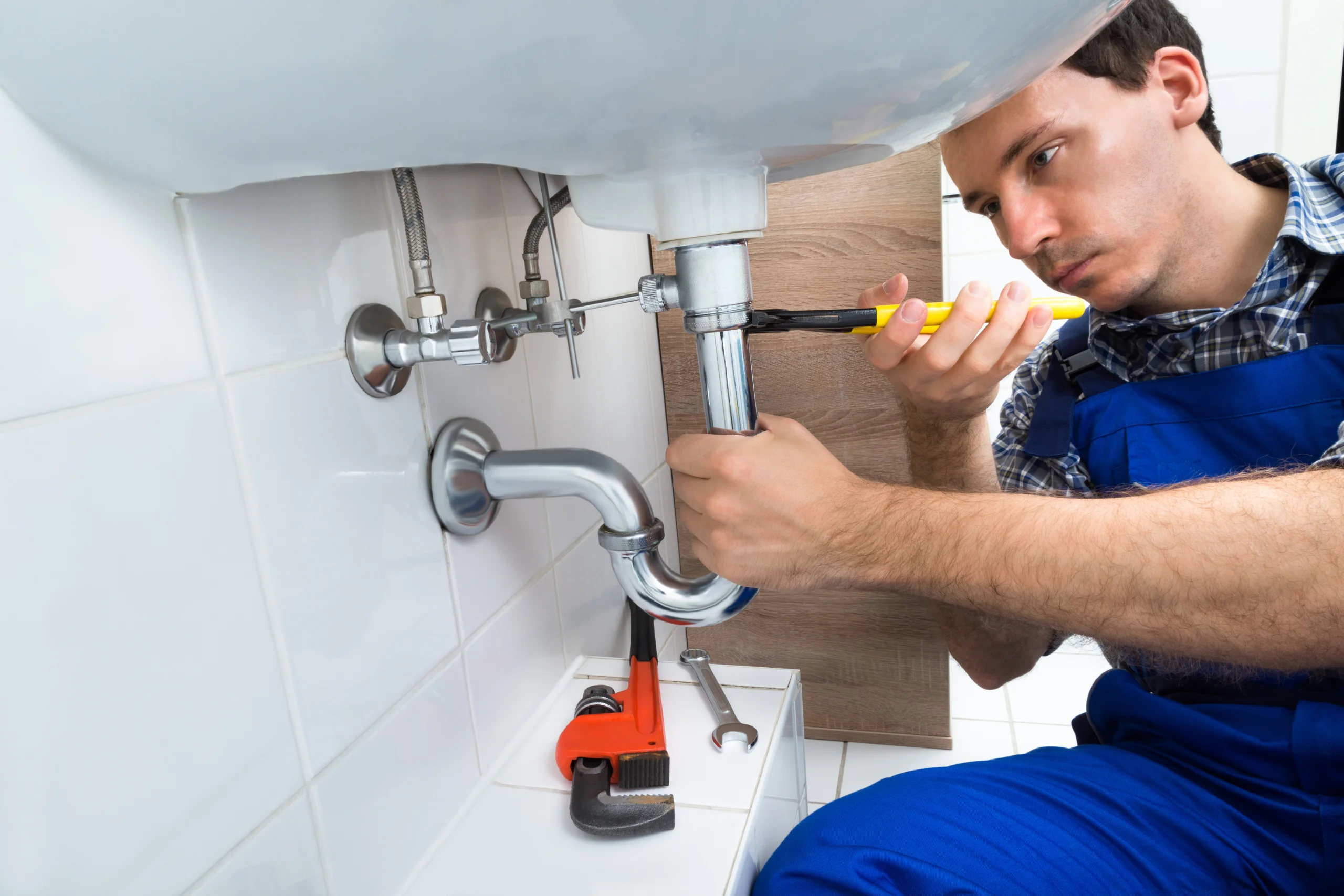
5. Get the Right Tools and Equipment
Start with the essential tools based on the jobs you plan to do. Don’t overspend—buy what’s necessary and upgrade as your business grows.
Basic tools to consider:
- Cordless drill
- Ladder
- Tool bag
- Socket set
- Stud finder
- Circular saw
- Power sander
- Safety gear (goggles, gloves, mask)
- Portable work light
- Tape measure, level, pliers, wrenches, screwdrivers
You’ll also need reliable transportation. A van or truck with lockable storage is ideal if you plan to haul materials or large tools.
6. Plan Your Finances
Before taking your first job, it’s essential to build a clear financial plan for your handyman business. Even if you’re starting small and running the operation solo, you’ll still need to make upfront investments in tools, licensing, insurance, and marketing.
Your startup costs can vary widely depending on the type of services you offer, whether you already own some equipment, and how lean you decide to operate in the beginning.
Typical Startup Costs for a Handyman Business
Here’s a breakdown of the most common startup expenses:
| Category | Estimated Cost Range |
|---|---|
| Tools and Materials | $1,000–$3,000 |
| Business Registration & Licensing | $50–$500 |
| Marketing & Branding | $200–$1,000 |
| Insurance and Bonding | $500–$1,500 per year |
| Website & Scheduling Software | $0–$50/month |
| Vehicle (used van or truck) | Optional – $3,000–$10,000+ |
| Uniforms, decals, and signage | $100–$300 |
| Gas and vehicle maintenance | $50–$200/month |
| Phone line & mobile internet | $30–$100/month |
Keep Costs Low Where You Can
There’s no need to go on a spending spree before your first job. Smart financial planning means using what you already have and scaling your purchases with demand. Here are some money-saving tips:
- Use existing tools. Don’t replace your drill or ladder unless it’s broken. Start with what’s in your garage.
- Buy used equipment. Sites like Facebook Marketplace, Craigslist, or pawn shops often have great deals on quality tools.
- Work from home. Skip the office space. You can manage everything from a desk in your garage or spare bedroom.
- DIY branding. Design your logo and business cards using free tools like Canva. Print small batches at low-cost print shops or online services.
The key is to spend only what’s necessary to get the business off the ground and functioning smoothly. You can always upgrade equipment and invest more heavily once revenue starts flowing in.
Forecast Your Cash Flow
Planning your finances isn’t just about startup costs—it’s about making sure you can cover ongoing expenses while building a sustainable income.
Create a simple monthly budget that includes:
- Fixed costs (e.g., insurance, software subscriptions, marketing)
- Variable costs (e.g., fuel, materials for jobs, repairs)
- Emergency fund (unexpected tool replacement, slow months)
- Personal income goal (what you need to live)
Example:
| Monthly Budget | Estimated Cost |
|---|---|
| Fuel | $150 |
| General Liability Insurance | $100 |
| Website & Software | $25 |
| Marketing (ads, flyers, etc.) | $150 |
| Phone/Data Plan | $60 |
| Tool Maintenance & Replacement | $50 |
| Total Monthly Overhead | $535 |
If you’re charging $75 per hour and working 20 billable hours per week, that’s $6,000/month before expenses — more than enough to cover overhead and generate profit, especially if you’re efficient with job management.
Open a Separate Business Bank Account
Even if you’re operating as a sole proprietor, it’s smart to open a dedicated business checking account. Keeping your business and personal finances separate makes it easier to:
- Track expenses and income
- File taxes and claim deductions
- Apply for loans or lines of credit in the future
- Present yourself professionally to clients
Many banks offer low-fee or no-fee small business accounts — and platforms like BlueVine and Novo offer online-only options with added tools for entrepreneurs.
Track Everything From Day One
Use bookkeeping software or spreadsheets to track:
- Income from each job
- Job-specific material costs
- Business expenses (gas, supplies, insurance, etc.)
- Tax-deductible expenses (like mileage or equipment)
Free or low-cost tools like Wave Accounting, QuickBooks Self-Employed, or Google Sheets can help you keep clean financial records, which you’ll need come tax season.
Pro Tip: Start tracking your mileage and receipts immediately. The IRS allows a standard mileage deduction for work-related travel, which can save you hundreds (or thousands) at tax time.
Plan for Growth
It’s a good idea to set aside a portion of each month’s profits for reinvestment in the business. Over time, you may want to:
- Upgrade to better tools
- Hire part-time help
- Expand into new service categories
- Purchase a work vehicle
- Invest in better branding or advertising
Having a growth mindset backed by smart financial planning helps ensure that your handyman business doesn’t just survive — it scales sustainably.
Financial planning might not be as exciting as using power tools, but it’s the backbone of a successful handyman business. Start lean, track every dollar, and build a cushion to keep your business stable through the ups and downs. A handyman who knows their numbers is always better equipped to build a lasting, profitable business.

7. Get Licensed and Understand Legal Requirements
Before taking on your first client, it’s critical to make sure your handyman business complies with all legal requirements at the state, county, and city levels. Licensing laws can vary significantly depending on where you live — and what type of work you plan to perform.
Failing to get the proper licenses or permits can result in fines, revoked contracts, and even lawsuits. Worse, it could hurt your credibility and make it difficult to get insured or approved for larger jobs in the future.
Do You Need a License to Be a Handyman?
In many states, you can operate a handyman business without a general contractor’s license as long as your services fall below a specific cost threshold. For example:
- California requires a contractor’s license for any job totaling $500 or more, including labor and materials.
- Texas does not have a general handyman license, but specific trades (like electrical or HVAC) may require separate licensing.
- Maryland requires a Home Improvement Contractor license for any residential improvement work.
- Florida allows certain handyman services without a license, but any structural, plumbing, or electrical work may require one.
Each state defines “minor repair” and “home improvement” differently, so don’t assume you’re in the clear just because the job is small.
Use These Resources to Verify Requirements
The best way to protect yourself is to check directly with your state and local government agencies. Helpful sources include:
- Your State’s Department of Labor or Licensing & Regulation
- State Contractor Licensing Boards
- Local City Hall or County Clerk’s Office
- Small Business Administration (SBA) State Portal
- Your Chamber of Commerce
Use these sites or make a call to:
- Determine whether you need a general contractor’s license or a specialty trade license (e.g., plumbing, electrical, painting)
- Learn how to register your business name (especially if you’re using a name other than your legal name)
- Apply for a business license or home occupation permit, if required in your city
- Check if you need a sales tax permit to charge for parts and materials
- Understand local zoning laws, noise ordinances, or advertising restrictions
Choose a Business Structure
As you complete your legal setup, you’ll also need to decide how you want to legally structure your business. Common options include:
- Sole Proprietorship – Easiest to start, but offers no personal liability protection.
- Limited Liability Company (LLC) – Offers liability protection and is popular with tradespeople.
- Partnership – If you’re working with a partner, this defines profit-sharing and responsibility.
- Corporation – More complex, usually not necessary unless you’re planning to scale significantly.
An LLC is a smart choice for many handymen, as it shields your personal assets from legal or financial claims related to your business.
Register Your Business Name
If you plan to operate under a name that is not your own legal name, you’ll need to register a DBA (Doing Business As) or a fictitious business name. This step:
- Makes your business name official
- Allows you to open a business bank account under that name
- Helps protect your brand locally
In some states, registering a DBA also requires publishing a public notice in a local newspaper.
Keep Documentation on Hand
Once you’ve obtained your required licenses, permits, and registrations, make sure to:
- Keep digital and printed copies in your work truck and home office
- Post required licenses visibly if your state mandates it
- Renew licenses on time — missing a renewal deadline can result in a lapse in legality
- Track license numbers in your marketing materials (some states require it on business cards, vehicles, and advertisements)
Pro Tip: Clients may ask to see your license number or proof of insurance before hiring you, especially for larger or ongoing projects. Having this documentation easily accessible builds trust and professionalism.
Warning: Don’t Perform Restricted Work Without a License
Even if your state allows unlicensed handyman work, you should not perform services that require specialized training, permits, or inspection. Examples include:
- Installing new electrical wiring
- Replacing plumbing behind walls
- Working on gas lines
- Modifying structural elements like support beams
Crossing these lines could put you — and your clients — at serious legal and safety risk.
Summary: Licensing Action Steps
- Research state, county, and city regulations
- Determine what types of work require licensing
- Register your business name (DBA)
- Apply for necessary business licenses and permits
- Consider forming an LLC for liability protection
- Keep licenses updated and visible to clients
Getting licensed may feel like a hassle at first, but it protects your business, improves your reputation, and opens the door to higher-paying and longer-term jobs. Don’t skip this step — it’s a foundational part of building a successful handyman business.

8. Secure Bonding and Insurance
Protect yourself and your clients by obtaining the right coverage.
Types of insurance to consider:
- General liability insurance: Covers injuries or damages on the job site.
- Commercial auto insurance: If you drive to client sites.
- Tools and equipment insurance: For theft or damage.
- Workers’ compensation insurance: Required if you hire employees.
Some states require a surety bond to legally perform handyman services. A surety bond acts as a guarantee that you’ll follow all laws and complete the job properly. Check with your local insurance agent or the state Department of Insurance for requirements.
9. Understand Zoning Rules
Before you start hammering away at your business dreams, make sure you understand the local zoning and residential use regulations that could impact your handyman operations—especially if you’re running your business from home.
It may seem like a minor detail, but zoning laws and homeowners’ association (HOA) rules can directly affect how and where you’re allowed to operate. Ignoring them can result in hefty fines, forced closure, or ongoing friction with your neighbors.
Here’s what you need to know:
Local Zoning Laws for Home-Based Businesses
Zoning laws vary by city and county, but most jurisdictions distinguish between residential and commercial land use. If you’re working out of your garage, basement, or home office, check with your local zoning or planning department to confirm whether home-based businesses are allowed and under what conditions.
Key questions to ask:
- Is a home-based business permit or registration required?
- Are there restrictions on client visits to your residence?
- Are there limits on noise, dust, or visible equipment?
- Can you store tools, ladders, or materials on your property?
Even if your work takes place off-site (at the client’s home), the city may still regulate what you’re allowed to do from your home base. Some places allow you to operate as long as your business doesn’t generate foot traffic, disrupt neighbors, or create safety hazards.
Parking Rules for Work Vehicles
Handyman businesses often require a truck, van, or trailer to transport tools and supplies. But not every neighborhood is okay with commercial vehicles being parked in a driveway or on the street.
Things to check:
- Does your city or county restrict the overnight parking of commercial vehicles in residential zones?
- Are there size limits on vehicles (height, weight, or length)?
- Will your vehicle be ticketed if it displays business signage or logos?
Some areas allow commercial vehicles only if they are stored out of sight (e.g., inside a garage). In other cases, permits or special accommodations may be required. Always check with your local Department of Public Works or zoning authority to avoid unexpected fines.
HOA Rules and Community Covenants
If you live in a neighborhood governed by a homeowners’ association (HOA), it’s essential to read the fine print of your HOA bylaws and covenants. These private regulations can be even stricter than city zoning laws.
HOAs may limit or prohibit:
- Parking branded or commercial vehicles on the street or driveway
- Displaying yard signs or decals advertising your business
- Storing ladders, tools, or materials outdoors
- Frequent deliveries or high-volume foot traffic
Even if you’re running a quiet, well-behaved operation, just one complaint from a neighbor can prompt a letter (or fine) from the HOA. It’s better to clarify expectations upfront and avoid conflicts later.
The Consequences of Non-Compliance
Operating without regard to zoning or HOA rules isn’t just risky — it can derail your business before it even gains traction. Potential consequences include:
- Fines and penalties from your city or county
- Cease-and-desist orders that force you to shut down your home-based operations
- Complaints from neighbors leading to legal or regulatory attention
- Denial of future business licenses or permits
Even if you think your operation is “small enough to fly under the radar,” it’s never worth gambling with the future of your business. Do the homework now, and set yourself up for smooth, sustainable growth later.
Action Steps:
- Contact your city’s planning or zoning department to ask about home-based business rules.
- Review your HOA’s bylaws or CC&Rs if applicable.
- Document and file any permits or approvals you obtain.
- Park your work vehicle inside a garage or use removable magnet decals if needed.
- Maintain a low-impact presence — minimize noise, avoid outdoor storage, and keep things tidy.
Pro Tip: When in doubt, ask. A short phone call to your local zoning office can save you thousands of dollars and a mountain of hassle down the road.
10. Build Your Business Operations Plan and Online Presence
Once you’ve identified your services, pricing, and licensing requirements, the next step is to plan how your handyman business will run on a daily basis. This includes not only how you’ll perform jobs but also how you’ll interact with customers, get paid, schedule appointments, and attract new leads.
A clear business operations plan will save you time, reduce mistakes, and help you deliver a professional experience from day one.
Define Your Day-to-Day Operations
Before taking on your first client, map out the following operational details:
- Will you work full-time or part-time?
Decide if your business will be a side hustle, a full-time venture, or something in between. This will affect how many clients you can handle and how you market your availability. - What geographic area will you cover?
Set a travel radius you’re comfortable with. Too large of a service area can lead to wasted time and fuel. Some pros charge more for travel outside a base radius (e.g., 15–20 miles). - What are your working hours?
Will you offer evening or weekend availability? Many customers prefer after-hours service. If you do, consider charging a premium for off-peak jobs. - Will you accept credit card payments?
In today’s digital world, clients expect easy, cashless payment options. Services like Square, PayPal, or Venmo can help you accept cards or mobile payments on the go. - Will you work solo or hire help?
In the beginning, many handymen work alone to keep costs low. But over time, you may choose to subcontract specialized tasks or hire part-time help for larger jobs. - How will you manage paperwork and payments?
Decide how you’ll handle estimates, contracts, invoices, deposits, and receipts. Clear, written agreements prevent misunderstandings and protect both you and the client. - Will you require deposits for larger jobs?
Requiring a deposit (e.g., 20–50%) is a common practice for multi-day or material-intensive jobs. Just make sure your policy is clearly communicated upfront.
Use Software to Stay Organized
Running a business on pen and paper may work at first, but it can quickly become overwhelming as you grow. Software tools can streamline your operations, save time, and project a more professional image.
Consider using platforms like:
- Jobber – For scheduling, estimates, invoices, and client communication.
- Housecall Pro – Tailored for home service pros, with dispatching and customer notifications.
- Joist – Great for estimates and proposals.
- Square – Accept credit cards and manage payments via mobile device.
- Google Workspace or Microsoft Office – For email, record-keeping, spreadsheets, and contracts.
Most of these platforms offer free trials or low-cost starter plans, which are great for new businesses testing the waters.
Pro Tip: Standardize your workflows as early as possible. Create templates for quotes, invoices, and customer communications. It’ll save you countless hours and make you appear more professional to clients.
Choose the Right Platforms to List Your Services
In today’s digital-first world, your online presence is just as important as your wrench set. Many customers no longer find handymen through flyers or phone books—they search online platforms, mobile apps, and social media.
As part of your startup strategy, choose where you want to list your services. These platforms often bring in your first wave of clients, and some are free or low-cost to join.
Popular platforms for handymen:
- TaskRabbit – Ideal for hourly tasks and small local jobs. Customers book based on availability and reviews.
- Thumbtack – Lets you create a profile and bid on jobs based on skills and location.
- Angi (formerly Angie’s List) – Long-trusted directory for larger projects and vetted pros.
- Nextdoor – Excellent for reaching nearby homeowners in your own neighborhood or zip code.
- Craigslist – Still effective in some markets for basic handyman ads, especially for budget-conscious homeowners.
- Facebook Marketplace & Local Groups – Free and easy way to post services and build community word-of-mouth.
Each platform has its own audience, rules, and fee structures. Some charge a small referral or service fee, while others may be pay-to-play for premium listings. Test a few and see which work best for your location and service offerings.
Pro Tip: Use consistent branding across all platforms. Keep your business name, description, services, and pricing in sync to build trust and credibility. A customer who sees your name on multiple sites should instantly recognize you as a reliable professional.
For an in-depth guide on how to attract customers through these and other marketing channels, see our next article: Marketing a Handyman Business.

FAQ: Starting a Handyman Business
Do I need a license to start a handyman business?
It depends on where you live and the scope of work you plan to do. Many states allow handymen to operate without a contractor’s license as long as the project cost is below a certain threshold (e.g., under $500 in California). However, some states or cities may require a license or registration regardless. If your work involves plumbing, electrical systems, or structural changes, you may need to get a specific trade license or pass a contractor’s exam. Always check with your local licensing board or state website to ensure compliance.
How much does it cost to start a handyman business?
Startup costs for a handyman business are relatively low compared to other trades. If you already have a basic set of tools, you can potentially start for under $2,000. Major costs include tools and equipment, transportation, licensing fees, insurance, marketing materials (like business cards or a website), and possibly software to run your business. If you need to buy a truck or specialized equipment, your costs will rise accordingly. Starting lean and only spending on essentials can help reduce your upfront investment.
How should I price my handyman services?
You can price your services hourly or per task. Many handymen charge between $65 to $90 per hour, often with a 2-hour minimum. Flat rates are also common—for instance, charging $100 to mount a TV or $125 to install a ceiling fan. Consider your competition, overhead costs, travel time, and skill level when setting prices. You can also add trip charges or material markups (e.g., 20–40%) to cover additional expenses. Be transparent about pricing to build trust and avoid disputes with customers.
What kind of insurance do I need?
The most essential type of insurance is general liability insurance, which covers damage to property or personal injuries that occur during your work. If you have employees, workers’ compensation insurance is legally required in most states. If you use a personal vehicle for business purposes, you may need commercial auto insurance. Some states or clients may also require a surety bond, which protects customers if you fail to complete the job. It’s smart to consult an insurance broker who specializes in contractors or trades.
Can I run my handyman business from home?
Yes, most handymen start by working from home. However, you need to check local zoning laws and HOA rules to avoid fines. Some neighborhoods prohibit home-based businesses that generate extra traffic, noise, or have visible commercial vehicles. If you’ll be parking a work van or storing tools and supplies at home, make sure it complies with city and HOA regulations. Starting from home saves on overhead, but long term, you might consider renting storage space or a small office if needed.
Recommended Books on Starting a Handyman Business:
- Nail It Without Going Broke: Starting a Handyman Business That Lasts
- How to Start a Home-Based Handyman Business: *Turn your skills into cash *Schedule your jobs *Build word-of-mouth referrals *Manage insurance issues … smart and safe (Home-Based Business Series)
- Handyman Sales Handbook: How to actually SELL your services and make a PROFIT as a handyman
- Handyman Pricing Handbook: Be confident about your pricing and start making money!
- Building Your Successful Handyman Business: A guide to starting and operating a profitable contracting business
The article was first published on June 11, 2012 and updated on August 5, 2025.

Wow great article…..Now I got a lots of ideas for starting Handyman Business.
I like it very much, Also I really enjoyed reading the post. because i am looking this service at home but before i want to know about how can i use this in a better way so i hope you will come with your next stuff…