

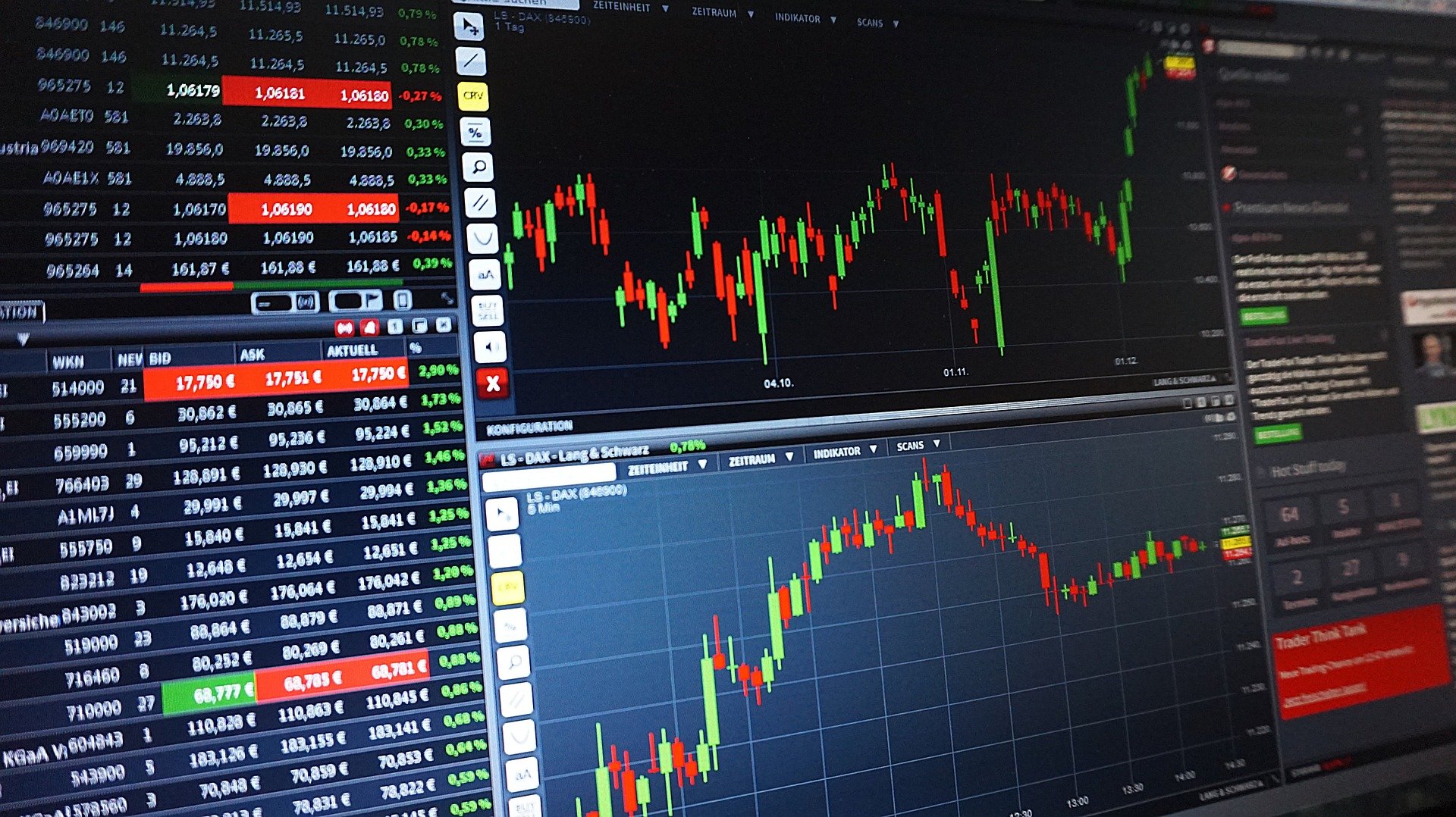
Fibonacci replacements tool is among the popular tools you can use in your forex trading. However, it is also one of the misunderstood tools since most traders do not know how to use it. However, when you understand it well, the Fibonacci tool will help you understand and plan to reap from the stock price movements, even on volatile markets.
You can also use the Fibonacci replacement tool if you need assistance in areas of support and resistance. This article will help you understand this trading tool and the tips on using it.
What are Fibonacci Retracements in trading?
The Fibonacci trading strategy was derived from Leonardo Fibonacci, a mathematician. His work has been used widely to predict patterns in art and science. Technical experts have gone ahead to use the same to find financial market patterns. Retracement ratios, including 23.6, 38.2, 61.8, and 78.6 percent, are used to calculate support and resistance levels.
Why these numbers? From Fibonacci’s idea, each number significantly relates to the one preceding it. However, from this blog of “30% retracement rule“, using the typical ratio of 50% can make one lose the market when there is a strong trend. It allows you to participate in strong trends from simple corrections, among other benefits.

Why Apply Fibonacci Retracement in Trading?
It would be best to use Fibonacci retracement in support and resistance areas to determine price consolidation or reversal points. While these levels do not work all the time, applying the tool makes it more accurate. Traders love using these ratio levels to warn them of reversals. They ensure they don’t go against their trading plans. As a trader, it helps you understand your trade areas; thus, you prepare for anything.
Understanding Fibonacci Retracements
It is important to understand terms used in Fibonacci trading. These include.
- Fibonacci Extensions: these are like Fibonacci replacements using the same ratios of 23.6%, 38.2%, 50%, 61.8%, and 78.6%. While retracements help you determine the price pullbacks, extensions indicate the profit-taking points. They also indicate how far your stock will go after the breakout.
- Fibonacci Projections: These are similar to retracements and extensions and account for the current price swing with the previous swing.
Tips on using Fibonacci Retracements in Trading
After knowing what Fibonacci retracements are and how they work, it is time to apply them in your trading. Here are a few tips to guide you in using Fibonacci retracements in trading.
- Support and Resistance: If you want to succeed in your trading, you must be aware of support and resistance areas. You have to predict future forms and create trading plans that will match the predictions. You will want to earn profits from these predictions. You can use Fibonacci retracements to show levels of support and resistance in your trading.
- Areas of Entry: Areas of support and price consolidation points are all entry areas into the stock market. Entering the market before it makes a move gives you the advantage of earning profits. When you use Fibonacci retracements in your trading strategy, the more you understand your entry areas, the more you will be near profits.
- Areas to gain profits: Areas of resistance are where stock prices can take a reversal. Resistance areas are best for making profits or exiting a trade. In forex trading, you have to limit the risks to protect your capital. When you see danger looming, you have to take precautions to avoid it. Fibonacci trading helps you notice the risks in areas of resistance while finding ways to avoid them.
- Look for Trend changes: Most trades will opt for a long-term trend to avoid the short-term risks. When a stock has a strong end to the upside, you can take more risks trading downsides. Fibonacci levels on long-term charts enable you to understand the trends and watch for their reversals.
- Shorting Stocks: You can use Fibonacci retracement levels in shorting stocks. You can also use its levels in areas of stock reversal when carrying out your trade. Through them, you will know the excellent entry points to take a short.
Are there limitations on Fibonacci Retracement Levels?
Like other trading tools, the Fibonacci retracements level has its limitations. You should not rely entirely on the strategy for your trading. You always have to understand your stock’s price and react wisely. Its ratios only give you the edge, meaning you have to make your trading plans.
After understanding the Fibonacci retracements levels and how to use them in your trading, it’s time to see if you can apply them to your trading. This trading strategy enables you to break the chart, understand the crucial areas of your trading plans, and trade well consistently.
