

Office jobs are growing less appealing to many people, especially as alternatives like remote or hybrid work become more mainstream. The out-of-office working trend is gaining popularity with organizations as they discover the benefits of productivity and enhanced employee engagement that comes with it.
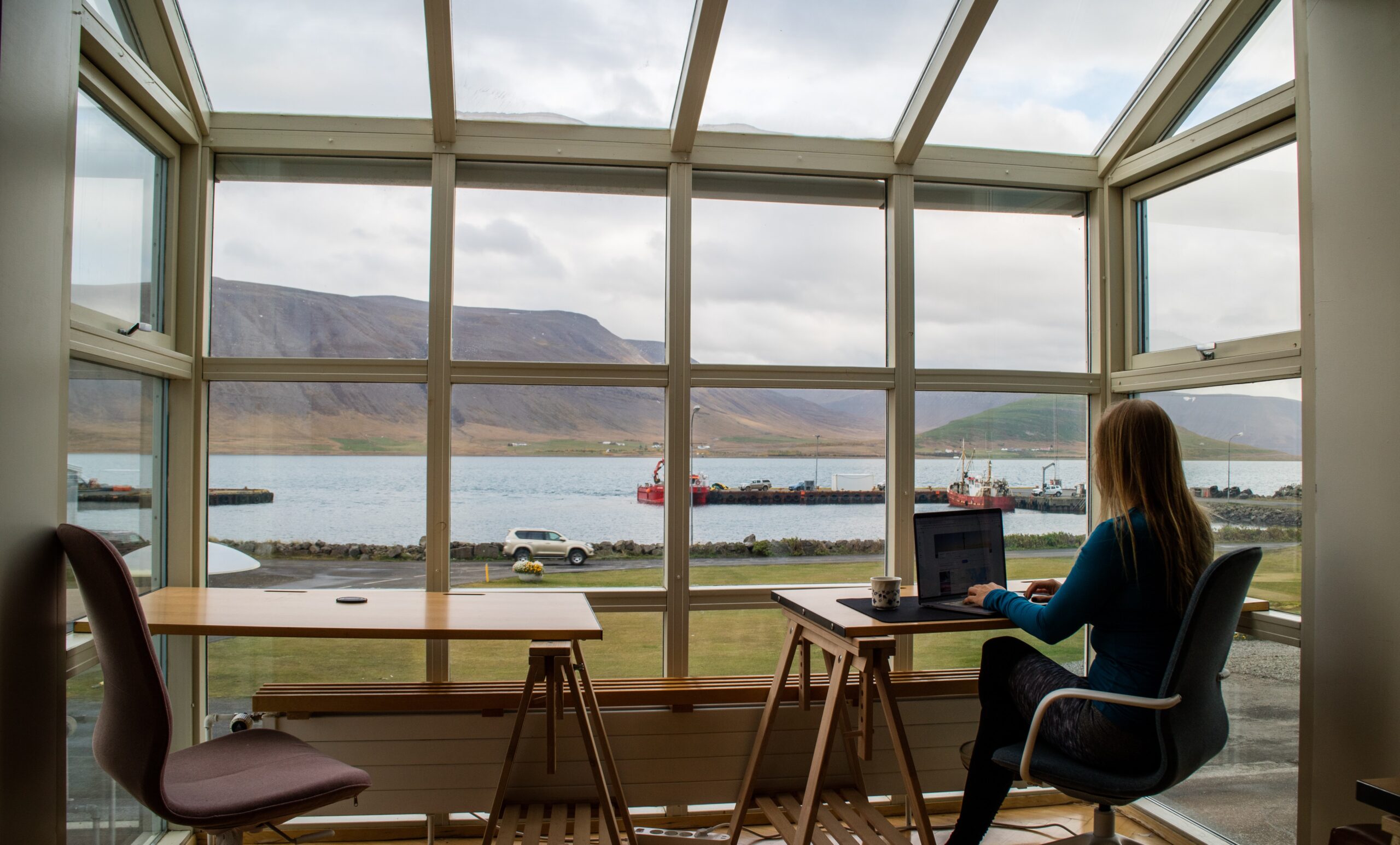
Research shows that 43 percent of people who work from home love their job and, if compelled to work from the office, the happiness decreases to 24 percent. There has never been a better justification for transitioning to an out-of-office arrangement than such wellbeing outcomes.
However, transitioning to remote working may not always be a seamless process. Making a transition to out-of-office work can be a challenge due to many aspects to consider. You can follow specific guidelines to ease the work schedule and have the least damaging effects.
Some tips you can use include:
1. Work Remote
If you are working a full-time job, the first step is to figure out how the changeover will happen. The simplest way is to approach your current employer with the idea of working remotely. To start, you could propose a hybrid plan, and if it works well, transition to fully remote.
Remote working is an astronomical change for organizations that only had an in-office option and, justification is needed to start. You should not expect an overnight transition because of the technicalities involved in the change.
The hybrid plan provides a testing environment that enables the employee and employer to gain confidence with full-time remote working. The arrangement also allows you to keep your current office job without the actual office.
2. Freelance
Freelancing means working independently rather than having an exclusive employee contract with a particular organization. Such a work arrangement offers flexibility and allows you to work from anywhere. You also get to choose the jobs you prefer and negotiate your pay every time.
There are great platforms available online, enabling finding freelance work with reasonable ease. There are millions of freelance jobs online you can choose from depending on your expertise and experience. The start may not be smooth, but once you are well-grounded, it gets easier.
You only need to understand that it takes time to build a freelance portfolio and that you may need to keep your office job for a while as you beef up your freelance business. You can start as a part-time freelancer before you jump into a full-timer and benefit from the boundless opportunities.
3. Find an Alternative
An easy way to test if an out-of-office job works for you is to find a job that does not take place in an office, such as fieldwork or teaching. The flexibility such jobs offer allows you to get used to the offsite working environment and decide if it suits you.
However, you may discover that you do not have the competency of the out-of-office jobs on demand. You may need special training for such alternative jobs so, be prepared to go back to school or go through a learning curve period.
Time and fund investment for the training endeavors set you back but, if you are serious about getting out of the office, the cost will be worth it. Select carefully, so you devote your resources to fields that work best for you.

4. Take Time Off
Changing careers or gaining a new skill entirely is a big-deal move and one that should be well thought out. You can take a year off to think and explore your career opportunities. Assess what you are good at, enjoy doing, and present a lucrative opportunity.
To afford the time-off, you will need to save money or drastically lower your cost of living. You can choose to completely go off employment or have a passive income-earning activity like house sitting. In this way, you can take care of your basic expenses as you map out your future remote working possibilities.
The time off enables you to weigh the pros and cons of new prospects without the pressures of work deliverables. In the end, you should have an end goal and a plan of what it will take to achieve it.
5. Save for the Transition
If opting for full-time freelancing, there are bound to be income disruptions. It takes time to settle into a steady income, especially if it is your first time setting out to part-time working. Regardless of which transitional path you take, there will likely be a financial gap between the two points.
Be sure to save money and be prepared to have a dip in your income for a bit. Even with steady income flows from freelance jobs, payments tend to delay rather unexpectedly. Create a budget of your necessities and save to cover those comfortably during the transition.
Transition Offsite and Enjoy Financial Freedom
An ideal situation is having work flexibility and a steady income from it. Out-of-office work is appealing for many people because of the flexibility of meeting other life obligations. You need not confine yourself to office working for fear of losing income as you can get the best of both worlds. With proper planning, you can transition to freelancing and enjoy financial freedom.
