
The holiday season can make or break a small business. From cash flow planning and inventory management to marketing and post-holiday engagement, preparation is everything. This ultimate guide walks you through each step to help your home business thrive during the busiest season of the year — and keep the momentum going well into the new year.
Why Holiday Readiness Matters More Than Ever
For many small businesses and home-based entrepreneurs, the holiday season isn’t just busy—it’s make-or-break. According to the National Retail Federation, nearly 30% of annual sales occur between November and December. That means your preparation (or lack of it) can determine whether you end the year celebrating or scrambling.
But let’s be honest: the holidays bring both opportunity and chaos. Between fluctuating demand, shipping delays, last-minute shoppers, and rising ad costs, the season can overwhelm even seasoned entrepreneurs. The key to surviving—and thriving—is planning early and executing smartly.
This all-in-one guide will help you prepare every aspect of your business for the holidays—from cash flow and inventory to marketing and fulfillment—so you can boost profits, delight customers, and enter the new year stronger than ever.
Related Reading:
- Are You Ready for Holiday Selling?
- Holiday Readiness for Home-Based Brands: Fulfillment, Carrier Cutoffs, and Returns
Table of Contents

Section 1: Financial Readiness – Budgeting for the Holiday Rush
Money may not buy happiness, but when it comes to the holidays, it can buy peace of mind. One of the biggest mistakes small business owners make during the holiday season is underestimating how much cash they’ll need to handle spikes in demand, advertising costs, and post-holiday slowdowns.
Here’s how to prepare your finances so you’re not caught off guard.
1. Start with a Realistic Holiday Budget
Your holiday budget should go beyond marketing spend. It should include:
- Inventory costs: Stocking up early to avoid last-minute premium prices.
- Shipping expenses: Accounting for higher carrier rates during peak periods.
- Labor costs: Temporary help or overtime pay if needed.
- Marketing: Paid ads, influencer fees, or boosted posts.
- Returns and refunds: Expect 10–30% of holiday purchases to come back.
💡 Pro Tip: Look at your past two holiday seasons—compare sales vs. expenses—to understand your true cost per sale. This helps you allocate smarter and prevent overspending.
Read more: Smart Holiday Budgeting for Small Businesses: Cash Flow & Inventory Control
2. Manage Cash Flow Like a Pro
Holiday revenue may surge, but so will your spending. That’s why cash flow forecasting is crucial. Project your expected income and outflows weekly from October through January. This ensures you have enough liquidity to cover short-term needs without straining your reserves.
To stay cash-positive:
- Invoice early and offer small discounts for prompt payments.
- Delay non-essential purchases until after the holiday rush.
- Use digital tools like QuickBooks, FreshBooks, or Wave for visibility.
If you anticipate cash gaps, a business line of credit can give you flexible access to funds without taking on long-term debt. You only pay interest on what you use—a huge advantage during seasonal fluctuations.
Read more: How to Prepare for the Holidays with a Business Line of Credit
3. Avoid Common Financial Pitfalls
- Over-ordering inventory: Ties up cash and storage space.
- Relying on one sales channel: Diversify across marketplaces (eBay, Etsy, Shopify).
- Ignoring January: Many businesses face a cash crunch right after the holidays. Prepare by reserving at least 10–15% of seasonal profits for Q1 expenses.
You can also consider temporary financing tools such as invoice factoring or merchant cash advances—but use them carefully. The goal is to boost liquidity, not add unnecessary debt.
4. Build a Cushion for the New Year
The best businesses treat the holidays not as a finish line but as a launchpad. Set aside a portion of your holiday profits to invest in:
- Upgrading systems or tools for the next sales cycle
- Training or hiring for growth
- A marketing push for slower months (January–February)
Key takeaway: The businesses that survive the holidays best are those that planned six months ago. But even if you’re starting now, financial discipline and foresight can make this your most profitable season yet.
Section 2: Inventory, Fulfillment, and Shipping Deadlines
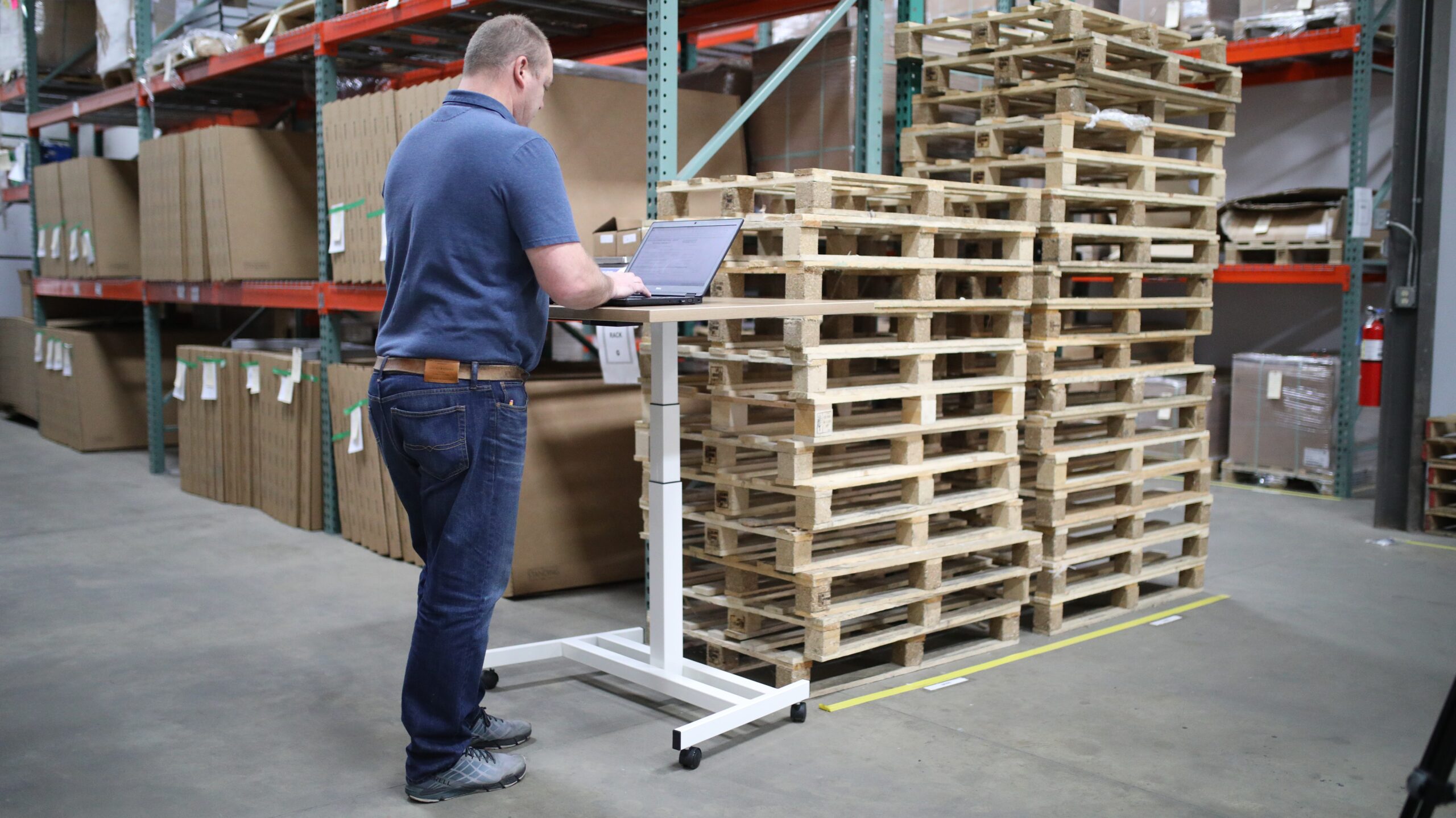
If you’ve ever run out of your best-selling product just before Christmas—or dealt with a shipping delay that ruined a customer’s gift surprise—you know how stressful the holidays can be for small business logistics. Preparing your inventory and fulfillment plan early can save you money, reputation, and sanity.
The goal is simple: have the right products, in the right quantity, ready to ship at the right time.
1. Stock Early, but Smart
Start inventory planning as early as possible—ideally by late summer. Review last year’s data to forecast which products will sell fast and which might stagnate. Use a spreadsheet or inventory management tool (like Zoho Inventory or TradeGecko) to track:
- Product turnover rates
- Best sellers vs. low movers
- Supplier lead times
- Minimum reorder quantities
When you spot a trend—say, your personalized ornaments sold out last year by mid-November—order extra units early. But don’t go overboard. Overstocking ties up cash and storage space that you’ll need for shipping and returns.
💡 Pro Tip: Order a small batch of “test stock” for new products and run early promotions to gauge demand before committing to larger quantities.
2. Know Your Shipping Cutoffs
Every year, carriers like UPS, FedEx, and USPS announce their holiday shipping deadlines, which vary by service level. Missing those dates can turn happy customers into refund requests overnight.
A few general rules of thumb:
- USPS: First-Class Mail® cutoff is usually around December 17–18, Priority Mail® around December 19–20.
- UPS: Ground cutoff tends to fall around December 13–16, depending on the zone.
- FedEx: Express Saver and 2-Day usually close between December 19–21.
Always double-check the current year’s official schedules, as they shift slightly each season.
👉 Tip: Create a visible countdown banner on your website or email campaign:
“Order by Dec. 18 to get it before Christmas!”
This reduces customer anxiety and minimizes last-minute rush orders.
3. Streamline Your Fulfillment Process
Even small inefficiencies can add up during the holidays. To prepare:
- Audit your packing workflow: Set up designated stations for labeling, packing, and shipping.
- Pre-pack popular items: If you know you’ll ship dozens of similar products, pre-assemble packaging to save time.
- Use integrated shipping software: Tools like ShipStation or Pirate Ship automatically compare rates and print labels in bulk.
- Negotiate with carriers: Small businesses can qualify for better rates by batching shipments or using business accounts.
💡 If you work from home, consider using USPS pickup services or local courier drop-off points to save multiple post office trips each day.
Read more: Holiday Readiness for Home-Based Brands: Fulfillment, Carrier Cutoffs, and Returns
4. Plan for Returns and Exchanges
Returns are inevitable, especially after gift-giving season. In fact, the National Retail Federation estimates that nearly 18% of online purchases are returned during the holidays. Having a clear, friendly return policy can actually build trust with customers.
Key practices:
- Publish your return policy early. Display it clearly on your website and checkout page.
- Offer extended holiday returns. Allow returns through mid-January to encourage gift buying.
- Simplify the process. Include pre-printed return labels or easy online portals.
- Turn returns into opportunities. Offer store credit or small incentives to exchange instead of refund.
(Coming soon) → “Post-Holiday Returns Management: Turning Refunds into Repeat Customers”
5. Build a Backup Plan
Even the best logistics can hit a snag—snowstorms, supplier delays, or unexpected surges. Always have:
- Backup suppliers for key products
- Extra packaging materials in case of shortages
- Alternative carriers or delivery services (regional couriers, local pickup options)
- Automated updates to notify customers about delays in real time
Preparedness here not only protects your revenue but preserves your credibility. Customers forgive mistakes—but not silence.
Key Takeaways
- Start inventory planning by early fall and restock based on real data, not guesswork.
- Keep up-to-date with carrier deadlines and communicate them clearly.
- Use shipping tools and batch processes to save time and money.
- Make returns easy and customer-friendly.
- Have backup plans ready for supply chain hiccups.

Section 3: Marketing and Promotions – Stand Out from the Noise
The holidays are a time when inboxes overflow, social feeds buzz, and everyone’s trying to grab your customer’s attention. To rise above the noise, you don’t need the biggest budget — you need a focused, authentic, and emotionally engaging marketing plan.
Holiday marketing isn’t just about pushing products; it’s about telling a story, solving a problem, and connecting emotionally with your audience at the time of year when emotions drive spending most.
1. Plan Campaigns Early
Timing can make or break your campaign. Consumers now start holiday shopping as early as October, according to Google Trends data. That means your content calendar, visuals, and offers should be ready to roll out by early fall.
Your early planning checklist:
- Finalize promotions and discount levels by mid-October.
- Schedule content for all platforms — email, social, blog, and paid ads.
- Map out a 6–8 week marketing timeline from pre-Black Friday teasers to New Year’s clearance.
- Use marketing automation tools (Mailchimp, Buffer, or HubSpot) to pre-schedule and track campaigns.
💡 Tip: Launch a “Holiday Preview Sale” in early November. Early-bird shoppers are often less price-sensitive and more loyal.
2. Create Campaigns That Connect
People don’t buy gifts — they buy emotions. They’re looking for joy, nostalgia, belonging, and meaning. The best holiday marketing campaigns tap into those feelings with authentic storytelling.
Ideas to inspire:
- Behind-the-scenes stories: Show how your products are made or packed by real people.
- Customer moments: Share photos or testimonials of customers using your product as part of their holiday tradition.
- Mission-driven messaging: Highlight how your business gives back (charity drives, sustainability, community impact).
For example, Nordstrom’s email campaigns mix elegance with warmth — simple messages like “Make their season brighter” paired with curated gift ideas create emotional resonance without being pushy.
Read next: Ecommerce Holiday Marketing: 6-Step Guide
3. Optimize Your Online Presence
Before launching ads or posts, ensure your digital storefront is ready for traffic. Small fixes can make a big impact on conversions:
- Test checkout flows and mobile responsiveness.
- Highlight best sellers and gift bundles on your homepage.
- Add a holiday FAQ page (“Will my order arrive before Christmas?”).
- Use festive visuals — banners, icons, or limited-edition packaging.
- Update your SEO — include keywords like holiday gift ideas, stocking stuffers, small business holiday deals.
💡 Pro Tip: Add schema markup for “Product” and “Offer” in Google Search Console so your items show rich snippets with prices and availability — a big advantage during high search volume.
4. Use Affiliate and Influencer Marketing Wisely
Affiliate and influencer marketing can amplify your reach without draining your ad budget — if done correctly.
Affiliate marketing tips:
- Partner with affiliates who understand your niche (bloggers, creators, or micro-influencers).
- Offer higher commissions for time-sensitive promotions.
- Provide ready-to-use creative materials — images, banners, copy snippets.
- Track conversions and reward top performers.
Influencer marketing tips:
- Choose authentic voices over follower counts.
- Offer early access or exclusive products for review.
- Ask influencers to show how they use your product in daily life or gifting moments.
Further reading:
- 14-Point Holiday Season Affiliate Marketing Tips, Strategies, and Tools
- (New Idea) “Holiday Social Media Calendar: What to Post and When”
5. Experiment with Paid Ads and Retargeting
Even small ad budgets can stretch far when well-targeted. Use Facebook, Instagram, or Google Ads to reach specific demographics or retarget website visitors who didn’t complete purchases.
Smart ad strategies:
- Run limited-time flash sales with countdown timers.
- Retarget cart abandoners with “You forgot something!” emails.
- Use Google Shopping campaigns to appear in product searches.
- Allocate extra spend for weekends and peak shopping dates (Black Friday, Cyber Monday, Green Monday).
💡 Pro Tip: Keep ad copy short, emotional, and actionable — “Last chance to order and make it by Christmas!” works far better than “Limited quantities available.”
6. Track and Adapt in Real Time
Once your campaigns go live, monitor them daily. Look at open rates, click-through rates, and conversion metrics. Be prepared to:
- Pause underperforming ads quickly.
- Boost what’s working — double down on successful visuals or emails.
- Use customer feedback to refine offers mid-season.
Don’t set it and forget it — the businesses that thrive are those that adapt.
7. Post-Holiday Follow-Up
Your relationship with customers doesn’t end on December 25. Send thank-you emails, encourage reviews, and offer exclusive “New Year Reconnect” discounts to keep your audience engaged.
💡 Example: Send a simple “We’re grateful for your support this year” message with a small January coupon code. It builds goodwill and drives early-year sales.
Key Takeaways
- Start marketing early — ideally by October — to capture early shoppers.
- Focus on authentic, story-driven campaigns that connect emotionally.
- Optimize your website and SEO before the rush begins.
- Leverage affiliates and micro-influencers for low-cost reach.
- Track performance daily and be ready to pivot quickly.

Section 4: Holiday Selling and New Business Opportunities
The holiday season isn’t just for established stores — it’s also a golden window for new entrepreneurs and home-based creators. From late October to December, consumers are actively looking to spend — whether on gifts, décor, food, or experiences.
For small business owners, this surge in spending creates countless ways to make money, test new ideas, and even launch a side hustle that could become a full-time business.
1. Sell What the Season Demands
Holiday success often comes down to relevance. What problems, wants, or emotions are people focused on right now? The holidays are about connection, celebration, and convenience — so align your products or services accordingly.
Popular seasonal business ideas:
- Gift-focused products: Personalized items, handmade crafts, candles, or curated gift boxes.
- Service-based ideas: Event planning, holiday photography, catering, or home decorating.
- Digital options: Printable planners, holiday recipe eBooks, or social media templates for businesses.
- Retail extensions: Holiday pop-up booths, local craft fair tables, or bundled gift sets in-store.
💡 Pro Tip: Focus on micro-niches — for example, instead of “gifts for women,” create “gifts for yoga moms,” or instead of “holiday catering,” offer “gluten-free holiday desserts.” Specificity helps you stand out in a crowded season.
Related Reading:
- Business Ideas to Make Money During Christmas and the Holidays
- How to Make Money During the Holidays
2. Test Pop-Up Shops and Short-Term Ventures
Pop-up shops are one of the most effective low-risk strategies for small businesses during the holidays. They give you visibility, credibility, and a chance to meet customers face-to-face — all without a long-term lease.
Tips for launching a pop-up or short-term retail space:
- Look for shared retail spaces in malls, markets, or community centers.
- Partner with complementary brands (e.g., a candle maker and a soap maker sharing space).
- Promote your location heavily online — Google Maps, local Facebook groups, and Instagram tags.
- Use QR codes or tablets for quick digital checkouts.
Even if you’re a home-based business, local holiday markets can introduce your brand to new audiences while giving you firsthand feedback on what sells best.
(Coming soon) → “Holiday Pop-Up Shops: How to Launch and Succeed”
3. Go Digital with eCommerce and Marketplaces
The convenience of online shopping has made eCommerce a necessity, not an option. Even if you don’t have a full website, you can start selling through:
- Etsy for handmade or creative goods
- eBay or Amazon Handmade for broader audiences
- Facebook Marketplace or Instagram Shops for local buyers
- Shopify Starter for easy website setup
8 Tips for Online Holiday Selling:
- Simplify your checkout — fewer clicks = higher conversions.
- Offer free or flat-rate shipping.
- Display “order by” cutoff dates prominently.
- Use lifestyle photos instead of plain product images.
- Create urgency with limited-time bundles.
- Offer small, affordable upsells at checkout.
- Optimize product titles and descriptions with seasonal keywords.
- Keep customer communication fast and friendly.
Read next: 8 Tips to Holiday Online Selling
4. Turn Passion Projects into Holiday Income
The holiday season can also be your testing ground for a future business. Many full-time entrepreneurs started with one small seasonal idea.
For instance, someone who starts selling Christmas wreaths on Etsy may realize there’s demand for year-round home décor. A home baker offering holiday cookies could evolve into a full-fledged custom dessert brand.
Ask yourself:
- What do I enjoy making or doing during the holidays?
- What do people ask me to help them with this time of year?
- Can this idea scale beyond the season?
Even if you don’t turn it into a long-term venture, a seasonal business can build confidence, new customer relationships, and valuable extra income.
5. Offer Gift Bundles and Holiday Packages
Consumers crave convenience — and bundling is one of the simplest ways to boost sales and average order value. Package related items together (e.g., a coffee mug + specialty roast + biscotti) or pair a product with a service (e.g., holiday cleaning + decorating consult).
Benefits of bundles:
- Customers feel they’re getting more value.
- You reduce inventory of slower-moving products.
- It simplifies decision-making for shoppers.
💡 Pro Tip: Add festive wrapping or personalized notes. The small details are what make small businesses shine during the holidays.
6. Think Beyond December
Many seasonal businesses fade after New Year’s — but savvy entrepreneurs use the momentum to grow. Here’s how:
- Offer loyalty discounts for customers who buy again in January.
- Transition into related niches (e.g., “New Year organization,” “winter self-care”).
- Email your customers thanking them for holiday support and inviting them to follow your social channels.
Your holiday audience doesn’t have to disappear — they can become your year-round customer base.
Key Takeaways
- The holidays are the best time to start or test a small business idea.
- Focus on niche, emotional, or convenience-based offerings.
- Try short-term pop-ups or digital marketplaces for low-risk exposure.
- Bundle products creatively to increase value and stand out.
- Use the post-holiday period to transition from “seasonal” to “sustainable.”

Section 5: Smart Discounting and Pricing Strategies
Discounts can be powerful — but also dangerous if not managed wisely. Many small businesses make the mistake of slashing prices too deeply during the holidays, only to find their profit margins wiped out by January. The goal isn’t to be the cheapest — it’s to be the smartest.
This section will help you craft promotions that boost sales, protect your bottom line, and strengthen your brand’s value rather than dilute it.
1. Understand the Psychology of Holiday Pricing
Holiday shoppers are driven by emotion, urgency, and perceived value. They’re not always looking for the lowest price; they’re looking for the best deal.
Use pricing strategies that make customers feel like they’re winning:
- Anchoring: Show the regular price crossed out beside the sale price.
- Bundle pricing: Combine related items for a slightly lower total price.
- Tiered discounts: Offer “Spend $50, save 10%; Spend $100, save 20%.”
- Free gifts or shipping thresholds: Shoppers often add more to their cart to reach a bonus offer.
💡 Pro Tip: Emphasize value, not just discounts. “Buy more, get one free” sounds more rewarding than “10% off.”
Further reading: Pros and Cons of Discount Pricing During the Holiday Season
2. Time Your Discounts Strategically
Instead of one blanket sale, stagger your promotions to build excitement and momentum.
Here’s a suggested holiday promotion timeline:
| Period | Suggested Offer | Goal |
|---|---|---|
| Early November | “Preview Sale” or “Early Access” for email subscribers | Build anticipation & reward loyal customers |
| Black Friday/Cyber Monday | Flash sales & limited-time offers | Maximize volume and urgency |
| Mid-December | Bundles and “Gift Finder” discounts | Capture last-minute shoppers |
| After Christmas / New Year | Clearance or loyalty sale | Reduce inventory & encourage repeat buyers |
This strategy keeps your store top-of-mind throughout the season without cheapening your brand.
3. Experiment with Limited-Time Offers
Flash sales and countdowns are effective because they create urgency — and urgency drives conversion.
Ways to use them:
- Add a countdown timer on your homepage or email banners.
- Use language like “Ends Tonight” or “Only 12 left in stock.”
- Announce “Deal of the Day” offers on social media.
- Combine flash sales with early access for VIPs or subscribers.
But don’t overdo it — constant sales can train your audience to wait for discounts instead of buying at full price.
(Coming soon) → “How to Use Limited-Time Offers to Create Urgency Without Killing Profits”
4. Try Value-Added Promotions Instead of Deep Discounts
Sometimes, giving more is better than cutting prices. For instance:
- Offer free holiday gift wrapping for orders over a certain amount.
- Include a bonus item (“Buy any candle, get a free votive sample”).
- Provide free upgrades, like express shipping or premium packaging.
- Give exclusive access to next season’s products or VIP sales.
These strategies enhance customer satisfaction without eroding margins — and they create experiences that big-box stores can’t match.
5. Protect Your Profit Margins
Before running any promotion, calculate your break-even point.
Ask: “Can I afford this discount and still cover costs?”
Use this simple formula:
Break-even = (Fixed Costs) ÷ (Price – Variable Costs)
Example:
If your fixed costs are $2,000, variable cost per product is $10, and you sell at $20 — your break-even volume is 200 units.
A 20% discount drops your price to $16, which raises your break-even to 333 units. That’s 67% more products you need to sell just to make the same money.
💡 Pro Tip: Before offering a discount, model how much extra volume you’ll realistically achieve — and whether it justifies the margin loss.
6. Communicate Discounts Clearly
Transparency builds trust and drives conversion. Make sure your promotions are:
- Easy to understand — avoid small-print confusion.
- Visibly displayed across all channels (homepage, email, ads).
- Time-bound — specify start and end dates.
- Consistent — apply the same discounts across your platforms to avoid customer frustration.
Your goal is to make the shopping process effortless and rewarding.
7. Leverage Loyalty and Referrals
Instead of chasing one-time shoppers, reward your existing customers for coming back or referring friends.
- Offer exclusive early access to loyal customers.
- Create a “friends and family” discount for referrals.
- Send personalized coupon codes to repeat buyers.
These not only increase sales but also strengthen long-term brand relationships.
Key Takeaways
- Focus on value-driven promotions rather than deep discounts.
- Use psychology — anchoring, bundles, and free shipping thresholds — to make deals feel irresistible.
- Time your discounts throughout the season for consistent engagement.
- Protect your profit margins by calculating true costs before offering a sale.
- Reward loyalty — repeat customers are your most profitable buyers.

Section 6: Operations and Time Management
Between managing orders, responding to customers, and keeping track of promotions, the holiday rush can make even the most organized entrepreneur feel like they’re juggling too many ornaments at once.
The secret to staying sane and successful? Strong operational systems and smart time management.
Efficient operations don’t just save time — they prevent burnout, improve customer satisfaction, and give you the bandwidth to focus on what really matters: growing your business and enjoying the season.
1. Create a Holiday Operations Plan
Think of your operations plan as your seasonal roadmap. It should outline:
- Key dates: Shipping cutoffs, promotion launches, inventory reorder points.
- Team responsibilities: Who handles packaging, customer inquiries, and returns.
- Backup plans: Steps to take if a supplier or courier experiences delays.
You can create a simple shared calendar in Google Workspace or Asana with color-coded milestones to track progress and ensure everyone knows what’s due — and when.
💡 Pro Tip: Block one hour each week to review the plan, adjust tasks, and anticipate bottlenecks. Prevention is easier than last-minute fixes.
2. Automate Wherever Possible
Automation is the small business owner’s best friend during the holidays. It reduces repetitive work and helps you handle higher demand without needing to hire additional staff.
Areas to automate:
- Email marketing: Schedule newsletters, cart abandonment, and thank-you emails with Mailchimp, ConvertKit, or HubSpot.
- Social media: Use Buffer, Later, or Metricool to queue posts ahead of time.
- Inventory and fulfillment: Connect your store to software like ShipStation or Ordoro to automate order syncing and label printing.
- Customer support: Use chatbots or FAQ sections to handle common questions automatically.
Read next: (New Article) “Automating Your Business for the Holidays: Tools That Save Time”
Automation doesn’t replace personal touch — it frees you up to focus on the human side of your business.
3. Hire Seasonal or Freelance Help
Even if you usually run your business solo, holiday demand may justify short-term assistance. Bringing in part-time or freelance help can prevent mistakes and late nights.
Consider outsourcing or delegating:
- Packing and shipping
- Customer service emails
- Social media content creation
- Bookkeeping or data entry
Websites like Upwork, Fiverr, and TaskRabbit make it easy to find temporary support. Just ensure you set clear expectations, timelines, and payment terms upfront.
💡 Tip: Train helpers early — ideally before Thanksgiving — so they’re fully onboarded by peak season.
4. Stay Organized with Tools and Templates
When you’re managing hundreds of moving parts, digital organization tools can make all the difference.
Recommended tools for small businesses:
- Trello or Asana: Task management and collaboration.
- Google Drive: Central hub for documents, product photos, and invoices.
- Canva: Quickly design promotional graphics or email headers.
- QuickBooks or Wave: Track cash flow and monitor holiday revenue.
If you’re a home-based business, use a daily dashboard (even a simple spreadsheet) to track daily orders, top-performing products, and pending shipments. Visual clarity keeps you grounded when things get hectic.
5. Manage Your Energy, Not Just Your Time
It’s easy to get caught up in endless work hours during December, but exhaustion leads to errors and missed opportunities. You can’t pour from an empty cup.
Small changes that help:
- Take short breaks every few hours to reset focus.
- Batch similar tasks — handle all email responses or packaging in one block.
- Set realistic daily goals; celebrate progress, not perfection.
- End your day by reviewing tomorrow’s top three priorities — and then disconnect.
Remember: efficiency isn’t about doing more, it’s about doing what matters most.
6. Communicate Clearly with Your Team and Customers
Operational success depends on communication.
- Keep your team informed about promotions, shipping delays, or updates in real time.
- Be transparent with customers — if you’re running behind, a quick email update shows professionalism and prevents complaints.
- Use your website banner or social media stories to broadcast important updates like cutoff dates or sold-out items.
Clarity builds trust — and trust leads to repeat customers.
7. Prepare for Post-Holiday Operations
The holiday rush doesn’t end when the gifts are delivered. January often brings returns, refund requests, and restocking needs. Use the lull to:
- Analyze your busiest sales days and most profitable items.
- Update your inventory for the new season.
- Plan a short “thank-you” campaign to retain customers.
The businesses that treat post-holiday operations as the start of next year’s planning tend to grow faster and smoother.
Key Takeaways
- Build a clear operations plan with defined roles and deadlines.
- Automate repetitive tasks to save time and reduce stress.
- Hire temporary help if needed — burnout costs more than outsourcing.
- Use organization tools to track tasks, inventory, and metrics.
- Prioritize rest and communication — both are essential to a successful season.

Section 7: Customer Experience and Post-Holiday Engagement
When the last package ships and your inbox finally quiets down, it’s tempting to take a deep breath and call it a season. But the real opportunity starts after the holidays. How you treat your customers once the rush is over can determine whether they shop with you again — or forget you by January.
For small and home-based businesses, personalized service and genuine appreciation are your biggest competitive advantages. Big retailers can’t match the human touch you bring — and that’s exactly what customers remember.
1. Prioritize Post-Purchase Communication
Don’t let the relationship end at checkout. A timely follow-up message can turn one-time buyers into long-term supporters.
Ideas for effective post-purchase communication:
- Send a thank-you email within a few days of delivery.
- Include a short note expressing appreciation for supporting a small business.
- Offer a discount code for their next order or a referral link for a friend.
- Ask for feedback or a quick product review.
💡 Pro Tip: Keep the tone warm and personal — not corporate. Even a simple “We hope this gift made someone’s day” goes a long way.
2. Make Returns and Exchanges Simple
Returns are an inevitable part of holiday selling, but they don’t have to be painful. In fact, a smooth return process can actually increase customer trust and retention.
Best practices for managing returns:
- Have a clear, easy-to-find return policy on your website.
- Offer extended return periods through January for gifts.
- Provide printable return labels or automated return portals.
- Turn refunds into opportunities — offer store credit or bonus discounts for exchanges.
Customers remember brands that make post-holiday stress disappear.
Further reading: (Coming soon) “Post-Holiday Returns Management: Turning Refunds into Repeat Customers”
3. Show Gratitude in Creative Ways
A simple thank-you can go a long way, but going a little further can make your brand unforgettable.
Ways to express appreciation:
- Include handwritten thank-you cards in your shipments.
- Send a “Year-End Appreciation” email or postcard to your best customers.
- Feature loyal customers on social media with a short spotlight post.
- Host a small giveaway or “Customer Appreciation Week” in January.
People love to feel seen — and they love businesses that remember them.
4. Continue the Conversation
Don’t go silent after December 25. Use January to re-engage customers with new products, educational content, or special offers.
Ideas for follow-up campaigns:
- “New Year, New Arrivals” announcement
- “How to Use Your Holiday Gift” tutorial or video
- “Exclusive VIP Access” to your next seasonal launch
- “Customer Favorites of 2025” showcase
💡 Tip: Use segmentation in your email tool to target by behavior — send special deals to repeat buyers and gentle reintroductions to one-time customers.
5. Gather Insights for Next Year
The post-holiday period is your best time to analyze what worked and what didn’t.
Questions to ask yourself (or your team):
- Which products sold out first — and why?
- Which marketing campaigns drove the most conversions?
- Where did you experience bottlenecks in fulfillment?
- What feedback did customers give most often?
Document these insights while they’re fresh. They’ll serve as your playbook for next season, helping you start earlier, plan smarter, and sell more efficiently.
6. Build Loyalty Programs or Repeat Incentives
Keep the momentum going by giving customers a reason to return.
- Introduce a loyalty program where buyers earn points for future purchases.
- Offer a “Welcome Back” discount for January or February.
- Send an email campaign inviting them to join a VIP list for early access next year.
Even a small incentive helps you stay connected long after the holiday excitement fades.
7. Refresh Your Brand for the New Year
After the chaos subsides, take time to reset. Update your website banners, refresh product photos, and share a “Behind the Scenes” reflection post about your holiday experience.
Transparency — like sharing lessons learned or new goals — builds authenticity and trust with your audience. It reminds them that behind your brand is a real person or team who cares deeply about their craft.
Key Takeaways
- The customer experience doesn’t end at purchase — it extends through delivery, returns, and follow-up.
- Send thank-you notes and personalized messages to show appreciation.
- Simplify returns and exchanges to strengthen trust.
- Use post-holiday engagement to retain and re-energize your audience.
- Analyze your performance and document learnings to improve next year.

Section 8: Key Takeaways and Final Thoughts
The holidays are the busiest — and most rewarding — time of year for small businesses and home entrepreneurs. With smart preparation, organized operations, and customer-centered marketing, you can turn the rush into your biggest growth opportunity.
Here’s a quick recap of what we’ve covered:
🎯 Key Takeaways
- Plan early, stay flexible.
Start your holiday readiness plan by late summer or early fall, and adjust as trends shift. - Keep cash flow steady.
Budget wisely, forecast spending, and consider flexible financing options like a business line of credit. - Optimize inventory and logistics.
Order early, track carrier deadlines, and have backup suppliers ready. - Market with purpose.
Focus on emotional storytelling, authentic branding, and multi-channel engagement. - Sell smart.
Use data-driven pricing and value-based promotions rather than heavy discounts. - Streamline operations.
Automate repetitive tasks and outsource strategically to avoid burnout. - Focus on loyalty.
Follow up after the holidays, simplify returns, and turn seasonal customers into year-round supporters.
The holiday season may be intense, but it’s also a reminder of why you started your business in the first place — to build something meaningful that connects with people. With thoughtful preparation and a genuine approach, you’ll not only make sales but also earn lasting customer trust.
Related Reading:
- How to Prepare for the Holidays with a Business Line of Credit
- Ecommerce Holiday Marketing: 6-Step Guide
- Business Ideas to Make Money During Christmas and the Holidays
- Pros and Cons of Discount Pricing During the Holiday Season
FAQs About Holiday Readiness for Small Businesses
When should small businesses start preparing for the holidays?
Ideally, start planning by late August or early September. This gives you enough time to finalize budgets, restock inventory, and prepare marketing campaigns before competitors flood the market. Early preparation also allows you to negotiate better supplier rates and avoid shipping delays.
What are the most common mistakes small businesses make during the holidays?
The biggest pitfalls are poor cash flow management and late planning. Many entrepreneurs spend too much on ads or inventory without considering January’s slowdown. Others fail to communicate shipping cutoffs or delay handling returns — both of which hurt customer satisfaction. A clear plan and regular check-ins can prevent these issues.
How can home-based businesses compete with large retailers?
Focus on what big companies can’t replicate — personalization, authenticity, and agility. Send handwritten thank-you notes, offer customizable options, or showcase your process on social media. Customers often prefer supporting small businesses when they feel a real connection.
What tools can help small business owners manage the holiday rush?
Automation and organization tools are lifesavers.
Email and social automation: Mailchimp, ConvertKit, Later
Fulfillment: ShipStation, Pirate Ship
Task management: Asana, Trello
Finance tracking: QuickBooks, Wave
These help streamline workflows so you can focus on delivering great products and service.
How can I turn one-time holiday buyers into repeat customers?
The post-holiday period is your best opportunity to build loyalty. Follow up with thank-you emails, offer special “welcome back” discounts, and ask for feedback. Stay visible through social media or newsletters, and reward repeat buyers with exclusive perks. Relationship-building turns seasonal success into long-term revenue.
