Cotton has long been a cornerstone of American agriculture, especially in the South. From the rolling fields of Texas to the warm plains of Georgia, cotton has shaped the economy, culture, and even the calendar of farming communities for centuries. If you’ve ever asked, “When is cotton picking season?” the answer depends largely on location, weather patterns, and crop management practices.
In this blog, we’ll explore cotton growing and harvesting timelines across different U.S. regions, why timing matters so much, and how modern equipment and industry advancements have refined the cotton-picking process.
Table of Contents
The Life Cycle of a Cotton Plant
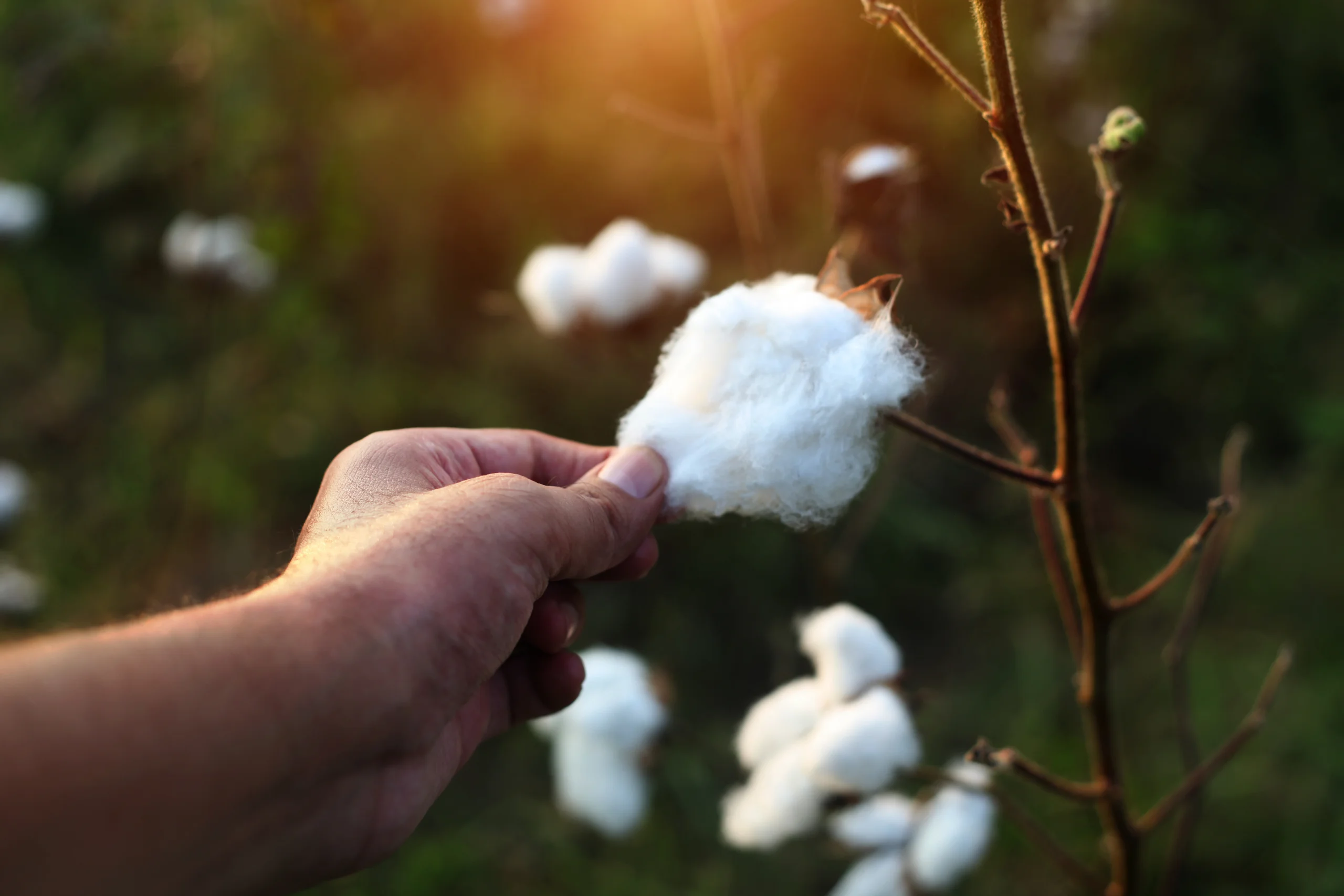
Before discussing the timing of harvest, it helps to understand the cotton plant’s lifecycle. Cotton is a perennial plant grown as an annual crop, typically planted in spring when soil temperatures reach at least 60°F.
Here’s a brief breakdown of the stages:
- Planting: March to June (depending on region)
- Germination and Emergence: 5–10 days after planting
- Squaring (formation of flower buds): About 35 days after planting
- Flowering and Boll Development: 50–70 days after planting
- Maturation and Boll Opening: 120–160 days after planting
- Harvest: When about 60% of bolls are open
The full cycle takes anywhere from 5 to 6 months, which is why the picking season varies significantly across different states.
So, When Is Cotton Picking Season?
Southeastern States (Georgia, Alabama, South Carolina, North Carolina)
In the Southeast, cotton planting usually begins in April and May. Due to the region’s warm climate and long growing season, cotton plants mature steadily, with harvest beginning around mid-September and extending into November.
Farmers watch for key signs that cotton is ready for picking:
- At least 60% of the bolls have opened
- Leaves have defoliated (either naturally or with the help of defoliants)
- Moisture content is low enough for clean picking
Cotton picking in these states peaks in October, making it the heart of the season.
South Central States (Texas, Oklahoma, Louisiana, Arkansas)
Texas leads the nation in cotton production, accounting for approximately 40% of the U.S. crop. Given the size of the state and the diversity of climates, the cotton-picking season in Texas can vary widely.
- South Texas (e.g., the Rio Grande Valley): Picking begins as early as July
- Central Texas: Begins in August
- Northern Texas and Oklahoma: Often doesn’t start until late September or October
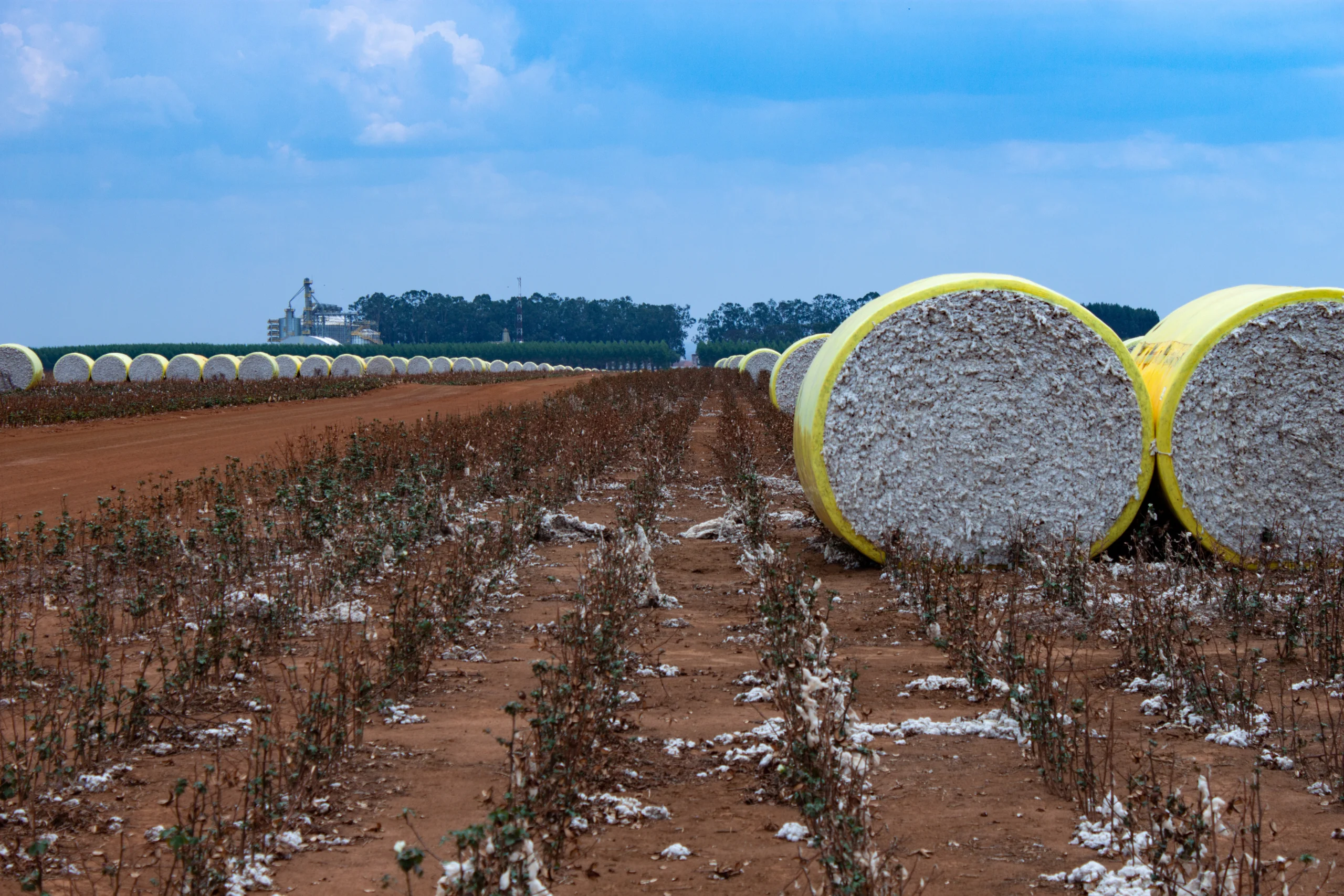
Arkansas and Louisiana typically see picking begin in mid-September and continue through November.
Because of the sheer scale of cotton fields in these areas, many farms rely on high-efficiency pickers and strippers to cover more ground quickly during peak season.
Western States (California, Arizona, New Mexico)
Cotton in the Western U.S. is grown in more arid, controlled environments. California and Arizona, in particular, benefit from irrigation, allowing for precise planting and harvest schedules.
- Planting occurs in March and April
- Harvest typically begins in October and finishes by December
Arizona sometimes gets an earlier start—September—depending on summer heat. In California’s Central Valley, where Pima cotton is commonly grown, the longer growing season pushes harvest later into late October or early November.
Mid-South Region (Mississippi, Missouri, Tennessee)
This region acts as a transition zone between the hot South and cooler Midwest. Here, cotton is usually planted by late April to early May. The harvest season runs from late September to mid-November.
Due to frequent fall rains, timing is critical. If cotton stays in the field too long during wet weather, fiber quality deteriorates, and farmers can suffer significant losses.
Why Timing Cotton Harvest Matters
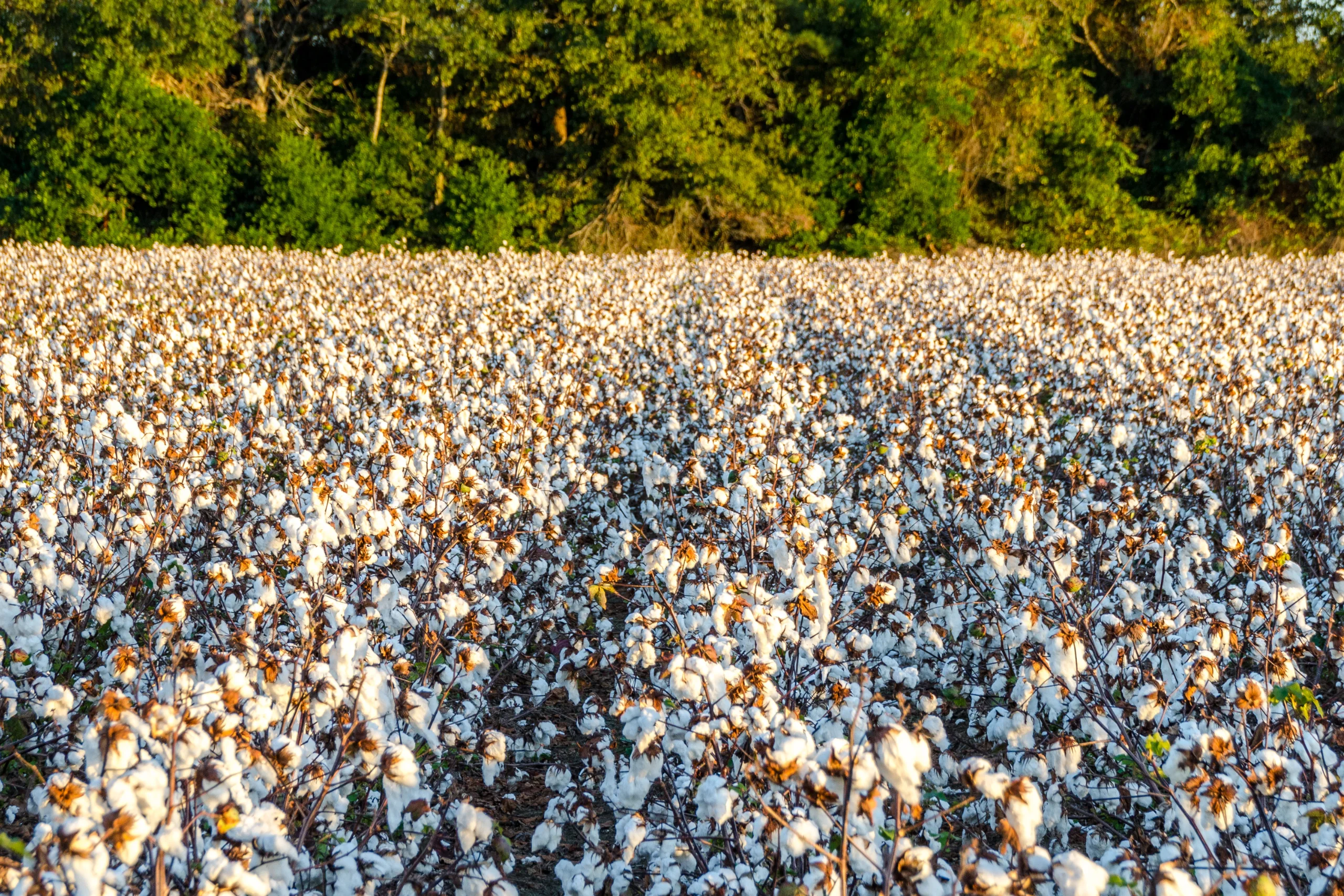
Cotton harvesting isn’t just about when the bolls open. The timing of the harvest impacts the quality, yield, and profitability of the crop. Here’s why:
1. Fiber Quality
Cotton exposed to excessive moisture, frost, or high winds after it has opened will begin to degrade. The fibers can discolor or weaken, reducing the crop’s value.
2. Equipment Efficiency
Harvesters are most efficient when bolls are mature and dry. Wet or immature cotton can clog equipment or require more passes through the field, increasing fuel and labor costs.
3. Defoliation Scheduling
Farmers often use chemical defoliants to help leaves fall off the plant before harvest, preventing trash (non-lint material) from getting into the cotton. The timing of this application must be precise, usually 7–14 days before harvest.
4. Pest Management
Late-season pests like boll weevils and stink bugs can threaten cotton that lingers too long in the field. Harvesting on time minimizes exposure.
Cotton Picking Methods: Traditional vs. Modern
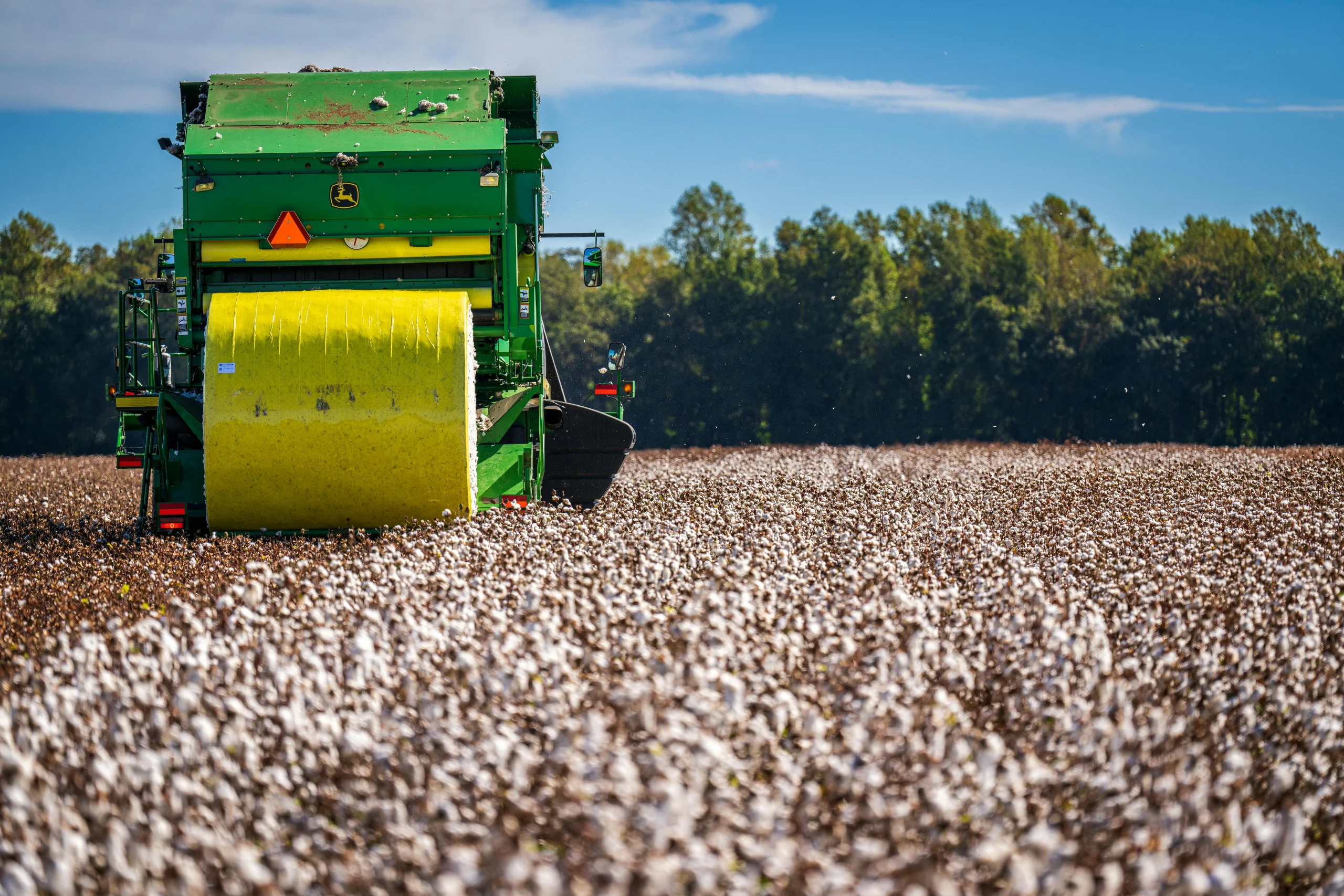
The phrase “cotton-picking” once conjured images of laborers manually collecting white bolls under the hot sun. Today, the process is highly mechanized.
Modern Cotton Harvesting Equipment Includes:
- Spindle Pickers: Use rotating spindles to grab and twist cotton from bolls
- Stripper Harvesters: Pull both open and unopened bolls, leaves, and stems, used primarily in Texas
Cotton is then compressed into modules for transport to gins, where it is cleaned, separated from seeds, and baled for distribution.
Weather: The Wild Card
No matter how much planning goes into planting and harvesting, weather ultimately plays the most significant role in determining when cotton picking season is in any given year. Late spring frosts, summer droughts, and autumn rains all shift the calendar, sometimes by weeks.
Hurricanes are a unique threat in Southeastern states. If a storm hits during late September or early October, it can flatten plants, ruin fiber quality, or delay harvest until it’s too late.
As a result, many cotton growers rely on data-driven tools and satellite imaging to monitor crop maturity and plan the perfect time to start the harvest.
Regional Overview at a Glance
| Region | Planting Season | Harvest Season |
| Georgia, AL, Carolinas | April–May | September–November |
| Texas (South) | March–April | July–August |
| Texas (Central/North) | April–May | August–October |
| California/Arizona | March–April | October–December |
| Arkansas, Louisiana | April–May | September–November |
| Mississippi, Tennessee | April–May | Late September–November |
Timing Is Everything
So, when is cotton picking season? It depends on where you are, but in general, you can expect cotton to be harvested sometime between July and December, depending on regional climates and planting schedules. Knowing when to pick cotton is vital for protecting fiber quality, maximizing yield, and staying ahead of unpredictable weather.
Farmers today blend centuries of tradition with cutting-edge agricultural technology to make sure their timing is just right. Whether you’re a grower, agricultural supplier, or simply curious about cotton’s journey from field to fabric, understanding the rhythm of the cotton season offers a deeper appreciation for this essential crop.