

When it comes to selling your product or service, success isn’t just about having the best offering. It’s about timing, psychology, and understanding where your potential buyer is in their decision-making journey.
Before making a purchase, every customer goes through what marketing expert Marc Mancini defines as the six stages of buyer readiness. These stages shape the path from a potential buyer’s first awareness of your business to the moment they finally make a purchase—and beyond.
Table of Contents
As a small business owner myself, I’ve experienced the ups and downs of marketing firsthand. When we launched PowerHomeBiz.com in the early 2000s, we had no advertising budget, no fancy tools—just a dream and a homemade HTML website. I quickly learned that building a business wasn’t just about getting traffic—it was about guiding potential customers step-by-step from not knowing who you are to becoming loyal customers.
Let’s walk through each of the six buyer readiness stages, and how you can successfully move customers from curiosity to conversion.

Stage 1: Awareness
Getting Your Business on the Radar
You might have the best product in your niche, but if no one knows about it, you won’t make a sale. According to a 2023 HubSpot report, 61% of marketers say generating traffic and leads is their biggest challenge. Especially for small businesses, getting seen is half the battle.
Ways to Build Awareness:
- Optimize for SEO so your website shows up in relevant searches.
- Use social media marketing to build visibility and shareable content.
- Engage in local outreach like sponsoring events or networking.
- Leverage PR to get featured in blogs or local media.
Personal Insight:
When I started out, I wrote guest posts for dozens of small business blogs. That helped us build links, get noticed, and earn our first wave of loyal readers—many of whom are still with us today.

Stage 2 Knowledge
Helping Prospects Understand What You Offer
Once potential buyers become aware of your business, the next step is to learn more. According to Salesforce, 87% of buyers begin product research online before engaging with a business. If your information isn’t clear, they’ll move on to someone else.
Strategies to Educate Prospects:
- Build an informative website with detailed product or service pages.
- Create educational blog posts or how-to guides.
- Use video explainers to showcase your product in action.
- Implement email marketing to nurture interest.
Real-World Example:
A mom running a sustainable baby clothing boutique had traffic but no conversions. The issue? Her website didn’t clearly explain what made her products special. We rewrote her homepage to highlight her organic certifications and non-toxic dyes—sales soon followed.

Stage 3: Liking
Creating Emotional Connection with Your Brand
At this point, the customer has some knowledge of your offerings. But do they like your brand enough to move forward? According to Harvard Business Review, emotionally connected customers are 52% more valuable than highly satisfied ones.
How to Increase Likeability:
- Tell your story – let customers get to know the person behind the brand.
- Use humor or emotion in marketing to humanize your business.
- Engage on social media with thoughtful comments and responses.
- Show behind-the-scenes content to build authenticity.
Anecdote:
When I added a personal video to our sales page explaining my startup journey and challenges, sales tripled. People don’t want a faceless company—they want a brand that understands them.

Stage 4: Preference
Standing Out from the Competition
The customer now likes your brand—but do they prefer it over others? This is where you showcase your unique advantages.
According to Nielsen, 59% of consumers prefer to buy new products from brands they’re familiar with. Your job now is to show why your brand is the best option.
How to Earn Preference:
- Highlight your Unique Selling Proposition (USP).
- Use testimonials and case studies as social proof.
- Offer product comparisons to demonstrate superiority.
- Promote limited-time offers or exclusives.
Mentoring Moment:
A client of mine faced tough competition from overseas manufacturers. We leaned into her brand’s “Made in the USA” message and support for local jobs. Her customers valued it—and chose her over cheaper alternatives.

Stage 5: Conviction
Helping Customers Say “Yes”
At this point, the buyer is almost convinced—they just need reassurance.
Tools to Strengthen Conviction:
- Show customer reviews and star ratings.
- Offer free trials or money-back guarantees.
- Use influencer endorsements or media mentions.
- Implement retargeting ads for undecided visitors.
Insight:
We added a “Wall of Love” page filled with customer testimonials to our site. This page alone accounted for a significant jump in conversion rate. People want proof before they commit.
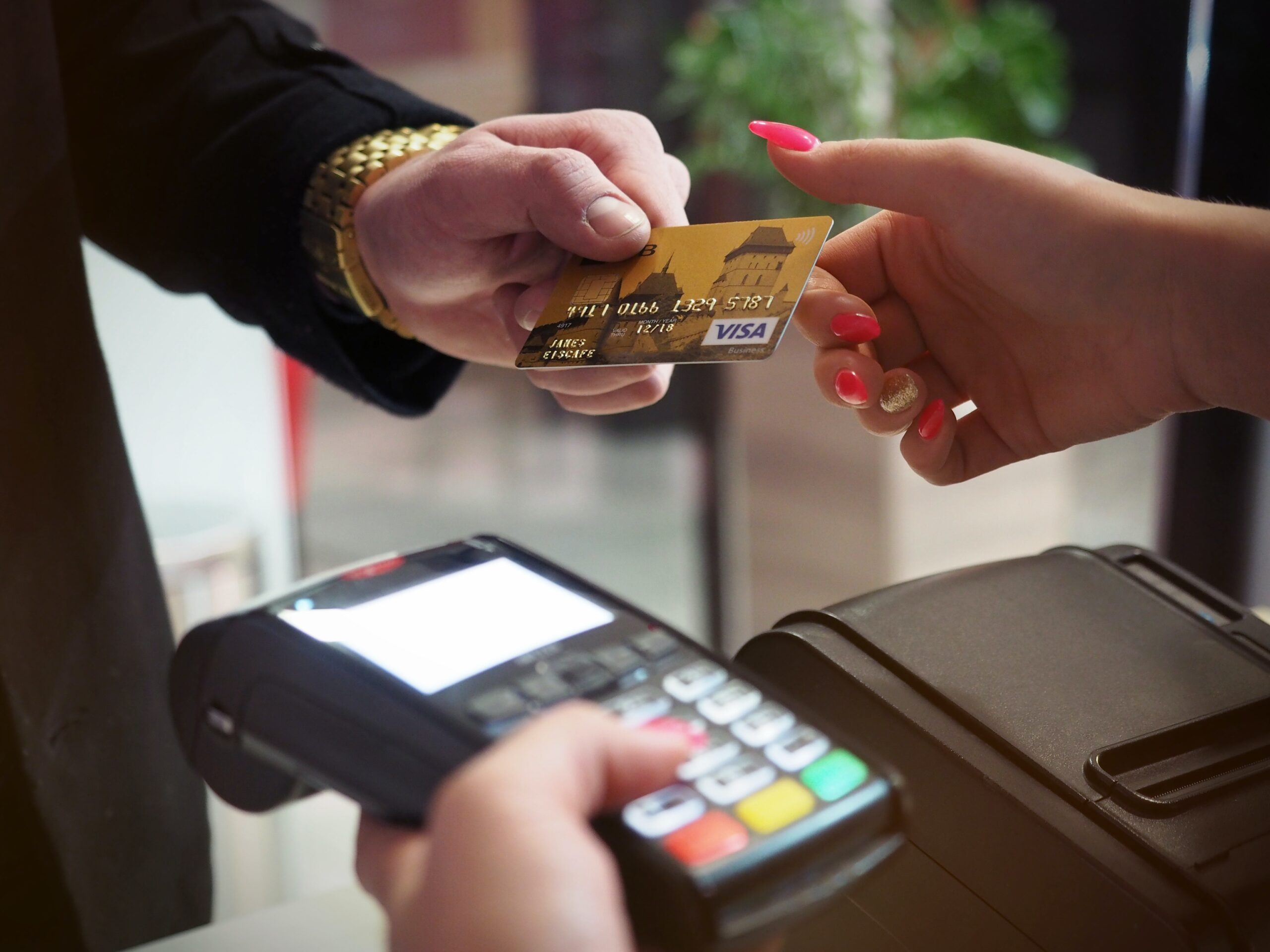
Stage 6: Purchase
Sealing the Deal with Ease and Confidence
After building awareness, trust, and desire—it’s time to convert.
However, this is where many businesses stumble. According to Baymard Institute, the average cart abandonment rate is 70%. Don’t let tech issues or friction points kill your sale.
Tips for a Smooth Purchase Experience:
- Simplify your checkout process – fewer clicks, fewer fields.
- Offer multiple payment options (credit, PayPal, BNPL).
- Use live chat or quick email support for last-minute concerns.
- Send a confirmation email with clear next steps and gratitude.
Customer Experience Tip:
I once bought from a small candle company that sent a thank-you video via email after purchase. That simple touch made me feel valued—and I’ve reordered from them multiple times since.

Bonus: Stage 7 – Post-Purchase Loyalty
Turning Customers into Brand Advocates
Even after the sale, your work isn’t over. According to Bain & Company, a 5% increase in customer retention can lead to a 25-95% increase in profits.
How to Build Post-Purchase Loyalty:
- Send thank-you messages after purchase.
- Ask for feedback or reviews.
- Launch referral or rewards programs.
- Continue providing valuable content through email.
Small Business Wisdom:
One Etsy seller I bought from sent a handwritten thank-you note. It was such a small gesture—but it left a lasting impression and turned me into a repeat buyer.
Final Thoughts: Guide, Don’t Push
Understanding the six (and often seven) stages of buyer readiness allows you to meet your audience where they are. Whether they’re just hearing about you for the first time or teetering on the edge of making a purchase, your marketing efforts should gently guide them forward.
It’s not about pushing people to buy. It’s about creating a journey that builds trust, showcases your value, and demonstrates how your product or service fits into their lives.
Start where they are—and walk with them every step of the way.
The article was originally published on September 14, 2005 and updated on April 2, 2025.
