

The UK’s small business population has surged to 5.68 million — a 3.5% rise that highlights both opportunity and caution among entrepreneurs. In this exclusive interview, BizSpace’s Aman Parmar explains what’s driving SME growth, why more founders are going solo, and what reforms could help small businesses hire, expand, and thrive in 2025 and beyond.
Key Takeaways
- SME growth is strong — up 3.5% year-on-year, totaling 5.68 million businesses.
- Most SMEs are solo ventures, reflecting flexibility but also caution.
- Flexible workspaces like BizSpace are empowering microbusinesses with affordable, collaborative environments.
- Business rate reform, hiring incentives, and regional investment are key to unlocking further growth.
- Resilience through diversification and digital transformation will define the next era of small business success.

The UK’s small business landscape is showing signs of strength again. According to the government’s latest Business Population Report, the number of small and medium-sized enterprises (SMEs) has climbed to 5.68 million, marking a 3.5% rise from the previous year. That’s an additional 191,000 businesses — a welcome rebound after years of economic uncertainty.
But beneath the headline figures lies a more nuanced reality. The data reveals not just entrepreneurial optimism, but also a deeper shift in how Britons work, earn, and build businesses.
To unpack what this growth really means for the economy — and what’s needed to keep momentum going — we spoke with Aman Parmar, Head of Marketing at BizSpace, a leading provider of flexible workspaces with more than 80 business centres across the UK.
Table of Contents
A Tale of Two Forces: Opportunity and Pressure
Parmar believes that Britain’s entrepreneurial revival stems from two very different motivations: optimism and necessity.
“We feel that the 3.5% rise in small businesses could be attributed to two very different factors,” he explains. “On one side, many people are taking advantage of new opportunities that emerged from the economic chaos of the past few years. They’re seeking independence and innovation in their work lives. On the other, continued uncertainty has pushed others toward self-employment as a more stable route to income amid job market fluctuations.”
This dual dynamic — where ambition meets anxiety — underscores how the very definition of entrepreneurship has evolved. For some, launching a business is about control and creativity. For others, it’s about survival and flexibility in a volatile economy.

The Solo Economy: Why So Many SMEs Have No Employees
One of the most striking findings in the government report is that non-employing businesses now outnumber employing ones three to one. Of the 5.68 million SMEs, only 1.42 million have staff, while 4.27 million operate solo.
Parmar says this trend reflects both lifestyle choices and economic caution.
“The increase in non-employing businesses absolutely reflects changing work habits,” he says. “The rise of the gig economy and the growing preference for flexibility are huge factors. Many entrepreneurs want to remain solo to enjoy the freedom of an adaptable work life.”
Technology is also transforming how small firms operate.
“AI is enabling entrepreneurs to automate tasks that would traditionally require hiring staff,” Parmar adds. “It allows them to work efficiently without the added burden of managing employees.”
Yet he cautions that the rise of solo operations may also signal deeper hesitation.
“Business owners are becoming more reluctant to take on financial and legal responsibilities associated with hiring,” he notes. “National Insurance increases and the new Employment Rights Bill have made this even more challenging in today’s uncertain climate.”
Flexible Workspaces Fuel the New Generation of Entrepreneurs
With so many solo founders and microbusinesses entering the market, the demand for flexible workspace solutions has never been stronger.
At BizSpace, Parmar says the company has been evolving to meet this shift head-on.
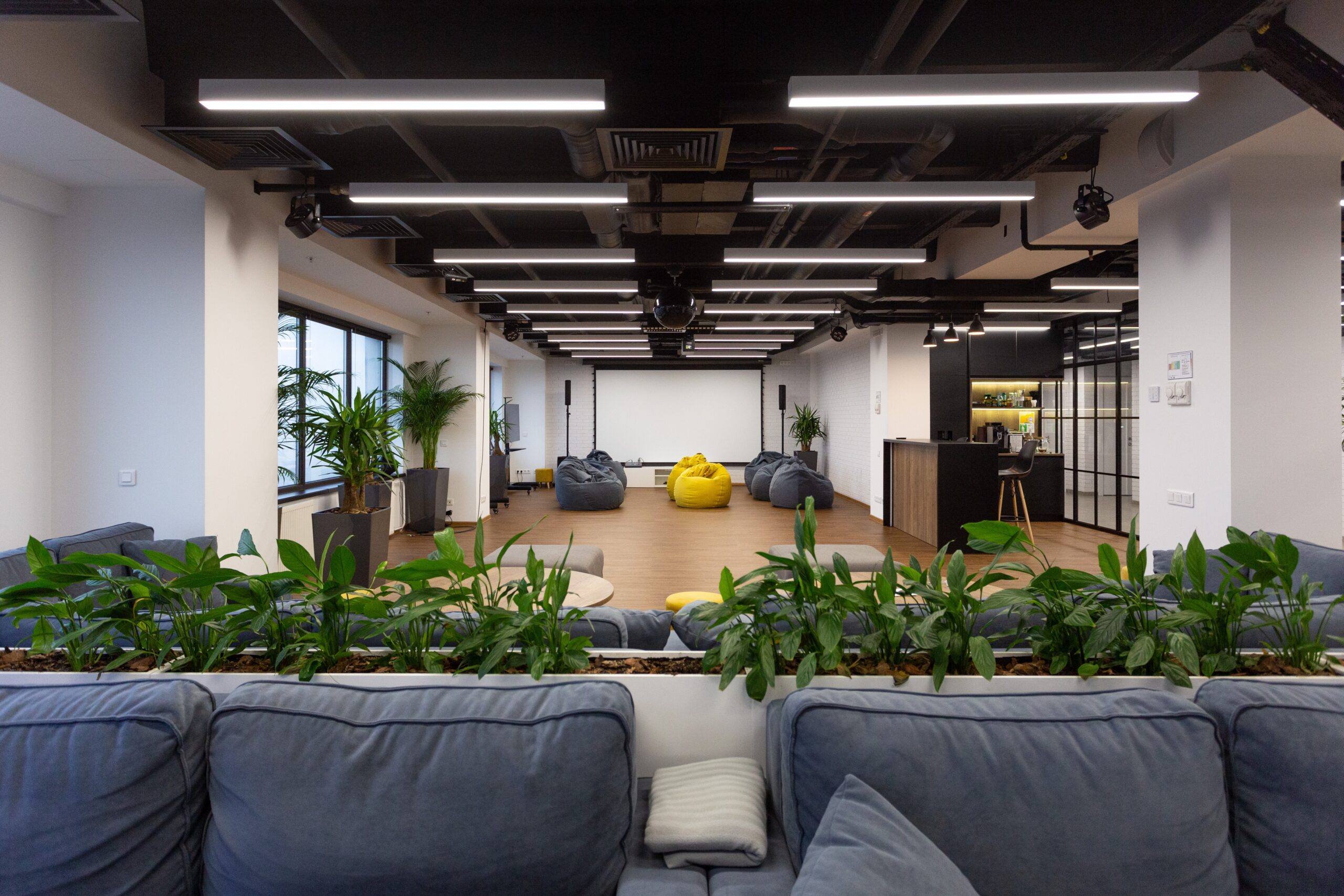
“We’re providing customisable workspaces tailored to solo founders and microbusinesses,” he explains. “That means smaller private offices, studio spaces, lower deposits, simpler contracts, and hands-on support from dedicated business centre managers.”
The goal, he says, is to make entrepreneurship more accessible — without long leases or heavy commitments.
“We want to create an environment that encourages collaboration and innovation,” Parmar adds. “Entrepreneurs should be able to start up and scale on their own terms.”
A Decline in Employing Businesses: What It Means for Job Creation
While more people are starting businesses, fewer are hiring. That trend raises alarms about job creation and long-term economic resilience.
Parmar believes the solution lies in smarter government policy.
“If we want SMEs to hire, we need tax incentives, affordable training programs, and support for employee benefits,” he says. “Simplifying the regulatory environment around employment would also reduce the barriers to hiring.”
A supportive framework, he adds, could help more sole traders transition into employers — a shift that would inject new energy into the UK’s labour market.
Bridging the Regional Divide
Despite the national rise in small businesses, growth remains uneven. London and the South East continue to dominate the SME landscape, while regions such as Wales and the North East have seen notable declines — with Wales alone losing 26,000 businesses, or about 12%.
Parmar argues that this imbalance represents both a warning and an opportunity.
“We should be offering targeted grants for startups, investing in local infrastructure, and promoting networking opportunities in underserved areas,” he says. “These regions often have lower operating costs and untapped talent. Highlighting those advantages could attract more entrepreneurs and revitalise local economies.”
Reforming Business Rates: SMEs’ Biggest Ask
Among the top concerns Parmar hears from small business owners are business rates, which he says are outdated and punitive.
“The best reform would be to completely reassess how business rates are calculated,” he says. “We need a system that considers the size and revenue of a business rather than a property’s ‘rateable value.’”
Such a change, Parmar believes, would free up capital for innovation, hiring, and long-term growth.
“The November budget by Chancellor Rachel Reeves is a perfect opportunity to fix this,” he adds. “It could be a pivotal move for supporting small businesses.”

Building Resilience in Key Sectors
Construction and professional services remain the two largest SME sectors, together accounting for more than 1.7 million businesses. Both, however, are highly exposed to economic volatility.
“Resilience is utterly essential in our current climate,” Parmar says. “Businesses in these sectors should diversify their client bases, invest in technology, and develop flexible models that adapt quickly to market changes.”
Collaboration, he adds, is key.
“Working across sectors can give SMEs access to shared resources and knowledge, enhancing stability and competitiveness.”
Overcoming the “Stuck” Economy
In her first major speech as Chancellor, Rachel Reeves said the UK economy “isn’t broken, but it does feel stuck.” Parmar agrees — and he believes SMEs are central to getting it moving again.
“The main barriers are access to finance, regulatory burdens, and high operational costs — particularly rent and business rates,” he explains. “Addressing these through supportive policies will be crucial to unlocking the potential of British SMEs.”
He argues that government must treat small businesses not as a policy afterthought but as the foundation of economic renewal.
“SMEs account for more than 99% of all businesses,” he notes. “They are the economy’s backbone. When they thrive, the country thrives.”
Where Recovery Is Strongest
Across BizSpace’s 80 business centres, Parmar is already seeing encouraging signs.
“We’re observing stronger demand for workspace solutions in urban areas, particularly among technology and creative firms,” he says. “These sectors are leading the recovery — they’re embracing flexibility, innovation, and digital transformation.”
That demand for modern, adaptable environments reflects broader shifts in how entrepreneurs think about growth: less about physical expansion, more about agility.

Looking Ahead: Innovation, Sustainability, and Confidence
Despite persistent headwinds, Parmar remains upbeat about the years ahead.
“My confidence in the UK’s SME sector comes from their resilience,” he says. “They’ve weathered extraordinary challenges and continue to innovate — particularly in areas like digital transformation and sustainability.”
The greatest potential for growth, he believes, lies in pairing that innovation with supportive policy.
“With the right interventions, we can build an environment where SMEs not only survive but lead the way in sustainable growth,” he concludes.
Conclusion
As Parmar’s insights make clear, the UK’s SME sector is at a pivotal crossroads. While the rise in new businesses shows undeniable entrepreneurial resilience, challenges around hiring, business rates, and regional inequality could limit long-term progress if left unaddressed.
Still, there’s reason for optimism. From flexible workspaces to digital innovation and sustainability, the next generation of UK entrepreneurs is adapting fast — proving that small businesses remain the lifeblood of the nation’s economy. With the right government support and a focus on resilience, Britain’s 5.68 million small businesses can continue to drive growth, create jobs, and shape a more dynamic future.
About Aman Parmar
Aman Parmar is the Head of Marketing for the Sirius Facilities owned BizSpace, a leading provider of flexible workspaces across the UK. He oversees all marketing across a network of 80 business centres which service thousands of SMEs, from small to large in size.
Quote: Aman Parmar, Head of Marketing at BizSpace
