Construction sites are bustling centers of everyday progress, where a designer’s visions on paper materialize into tangible structures over time. However, the construction industry is full of hazards that can threaten the workplace safety and well-being of workers, visitors, or untrained personnel on the job site. Planning and foresight are vital to ensure a secure work environment and protect the lives of those at a construction site.
Table of Contents
Each potential job site threat requires well-thought-out solutions, clever engineering, adequate signage, and stringent workplace safety protocols. So, fasten your hard hat and accompany us as we navigate the challenges of designing construction job sites, ensure workplace safety, and focus on building a safer tomorrow.
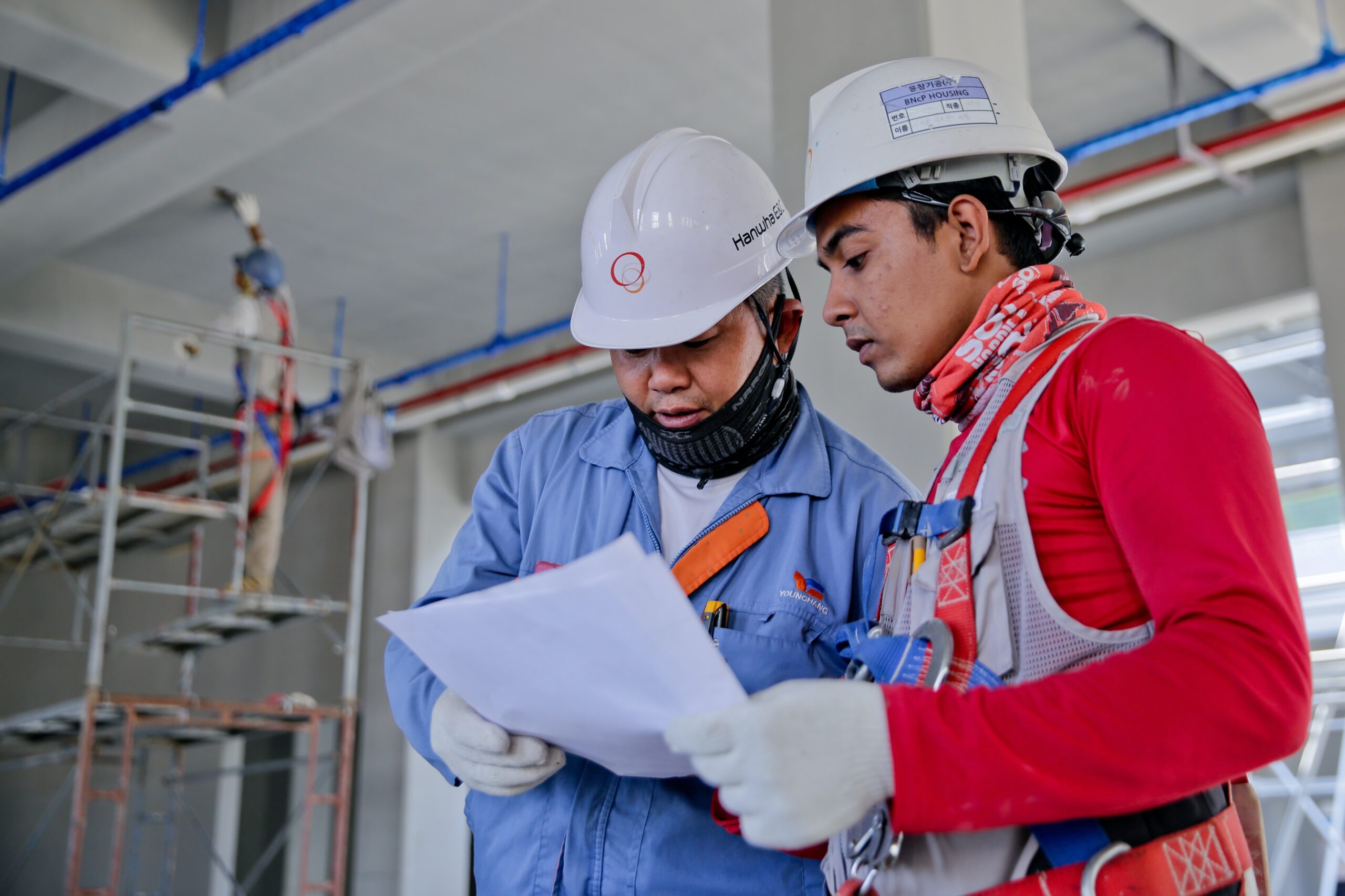
Heavy Machinery and Moving Objects
Workers risk being struck by moving vehicles, heavy equipment, or falling objects at any job site. Implementing barriers, adequate warning signage, and designated pedestrian walkways is important to mitigate these safety risks. Ensure heavy machinery and equipment are operated by trained professionals only. Design the site with workplace safety in mind, including clear traffic patterns and separate work zones or rest areas from prominent heavy machinery operating zones.
Workplace Safety and Fall Hazards
Falls are one of the leading causes of injuries and fatalities on construction sites. Ensure proper fall protection measures, such as guardrails, safety nets, and personal safety harnesses, are incorporated into the site design. Maintain and buy signs online to point out and label fall hazards in a work zone to help prevent injuries in those areas.
Electrocution Risks
Construction sites involving electrical equipment and wiring require proper grounding, insulation, and clear labeling of electrical hazards to prevent electrocution incidents on-site. Uneven surfaces, debris, and wet conditions can lead to trips and slips, causing common injuries as water and electricity mix. Design the site with proper drainage systems, adequate lighting, and appropriate signage, and keep walkways clear of obstructions to ensure safety.
Fire Hazards
Construction sites harbor potential fire hazards, which can cause a disaster if not managed carefully. The combination of flammable materials, hot work processes, electrical wiring, and often remote locations make construction sites susceptible to fire incidents. Design the site with fire-resistant materials whenever possible, and ensure easy access to fire extinguishers, fire safety equipment, and emergency exits using approved signage you buy online. Implementing robust fire safety measures is paramount to ensuring the safety of workers, protecting valuable assets, and preventing devastating consequences that can happen in the blink of an eye.

Hazardous Materials
If the construction project involves hazardous substances, take appropriate measures for safe storage, handling, and disposal of these materials. A locked storage unit is typically required to store hazmat materials away from visitors and workers passing through a job site. If construction materials involve hazardous chemicals, ensure proper ventilation and adequate signage, and provide personal protective equipment (PPE) to reduce exposure risks to anyone at the job site. As always, ensure that only trained personnel handle hazmat materials to mitigate risks during procurement and transportation to and from the job site.
Noise Pollution and Vibrations
Construction sites can expose workers to high noise and vibrations, which can cause hearing loss and other health-related issues. Noise pollution is the excessive and prolonged noise generated during various building activities. The clamor arises from the multitude of heavy machinery, power tools, demolition work, and the movement of vehicles around the clock. The cumulative effect of these high-decibel sounds can significantly impact the well-being of those exposed to the noise. Plan your site to minimize noise and provide appropriate hearing protection to all on-site workers.
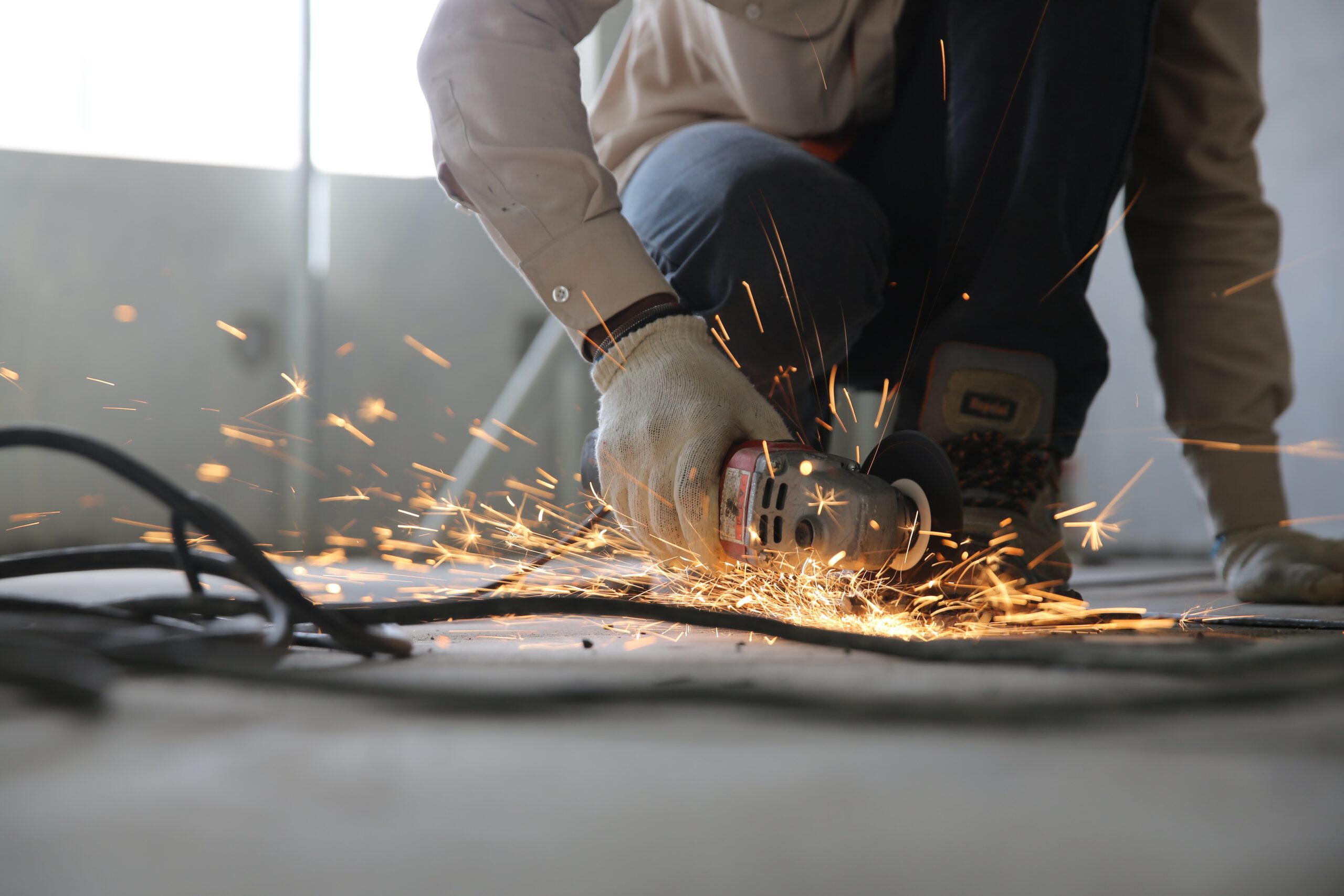
Confined Spaces and Structural Failures
If the project involves confined spaces like tunnels, trenches, crawl spaces, and enclosed chambers, implement proper ventilation and rescue procedures while planning and engineering structures with human safety in mind to prevent collapses and structural accidents. While these spaces are essential for building underground systems or accessing hidden utilities, they present unique safety challenges for all workers. The limited entry and exit points, and potential hazards like inadequate oxygen levels or toxic gasses, can escalate into life-threatening situations if not managed with precision.
Weather and Emergency Preparedness
Consider the impact of weather conditions on worker safety and plan accordingly for extreme temperatures, storms, or other weather-related hazards at your site. Develop a comprehensive emergency response plan for various potential incidents, ensure workers are trained to handle routine job site accidents and have an illness and injury prevention plan when faced with on-site medical emergencies.

By addressing workplace safety challenges such as heavy machinery, moving objects, fall hazards, electrocution risks, fire hazards, hazardous materials, noise pollution, confined spaces, weather risks, and emergency preparedness head-on, the construction industry can foster an environment where innovation and worker safety unite harmoniously to lessen risk.
Proper signage, noise control, and vigilance in handling hazardous materials are essential tools and workplace safety practices that must be implemented at every construction site. You can at least manage the flow of people with the best ID badge service. When all these aspects are integrated, they create a safer work environment for everyone involved. Embracing a safety-first approach to these areas enhances productivity and efficiency and, more importantly, instills trust and confidence among workers, companies, and their surrounding communities.