

Data-driven marketing empowers businesses to make smarter decisions, personalize customer experiences, and boost ROI. By leveraging analytics tools and real-time insights, companies can refine campaigns, respond quickly to customer behavior, and achieve consistent, measurable growth.
Key Takeaways
- Data-driven marketing improves efficiency, personalization, and ROI.
- Real-time analytics allow for fast campaign adjustments and increased profitability.
- Tools like Google Analytics, CRMs, and social insights platforms are essential.
- Personalization powered by data strengthens customer loyalty and engagement.
- Strong data governance and privacy compliance protect both the business and its customers.

Introduction
Digital marketing has shifted from a world driven by intuition to a world powered by insight. Today, winning brands do not guess what their audiences want—they measure it, test it, and optimize it using real data. With customer expectations constantly evolving and competition tightening across every industry, data-driven strategies now separate the strongest digital performers from everyone else.
Marketers who understand and apply their analytics correctly not only reduce wasted spend, but also create consistently relevant, high-performing campaigns. Whether a company works with a digital marketing agency in Pittsburgh, runs an in-house team, or operates as a small business owner wearing multiple hats, the ability to collect and interpret data is now essential—not optional.
Data-driven marketing sharpens messaging, guides creative direction, predicts customer needs, and provides the foundation for long-term growth. When organizations shift from acting on assumptions to acting on verified insights, their marketing becomes more purposeful, more efficient, and more profitable.
Table of Contents

Understanding Data-Driven Marketing
Data-driven marketing involves collecting, analyzing, and acting on information from a wide range of digital and offline interactions. Every click, scroll, purchase, and email open tells a story. Marketers read that story to design smarter strategies.
A sophisticated data-driven approach draws from:
- Website behavior
- Social media engagement
- Advertising analytics
- CRM systems and customer profiles
- Email performance
- Purchase and browsing history
- Customer service interactions
- Offline events such as in-store visits or calls
These signals help marketers understand exactly what audiences respond to, the best channels for engagement, and where opportunities exist to grow.
To build a complete strategy, marketers typically rely on four types of analytics:
| Type of Analytics | Purpose |
|---|---|
| Descriptive | Explains what happened in the past (e.g., traffic trends) |
| Diagnostic | Explains why something happened (e.g., drop in conversions) |
| Predictive | Forecasts future behavior (e.g., likelihood of purchase) |
| Prescriptive | Recommends actions to maximize results (e.g., best next step) |
Brands that embrace all four outperform competitors relying solely on intuition.
Benefits of Data-Driven Strategies
Data-driven strategies have become one of the most valuable competitive advantages in modern marketing because they replace guesswork with clarity. When teams understand precisely how customers behave, what motivates them to take action, and which channels produce the highest returns, they can allocate resources far more effectively.
Instead of spreading budgets thin or relying on intuition, marketers can make confident, evidence-backed decisions that improve performance at every stage of the customer journey. From refining ad targeting to enhancing personalization and predicting future trends, leveraging data provides a measurable lift in engagement, conversions, and ROI.
These benefits compound over time, making data-driven marketing one of the smartest long-term investments for any organization aiming for sustainable growth.
1. Enhanced Efficiency
Data reveals where money is being wasted and where it is generating strong returns. When marketers know which channels, audiences, and messages work best, they can reallocate budgets and sharpen strategies to maximize revenue.
2. Improved Personalization
Modern consumers expect relevance. Data allows marketers to tailor offers, content, and timing to each audience segment—or even down to the individual level. This improves:
- Open rates
- Click-through rates
- Conversion rates
- Overall customer satisfaction
3. Better Decision-Making
With data, decisions become objective rather than instinctive. Leadership teams gain clearer visibility into what drives growth, which reduces risk and improves predictability.

Implementing Data-Driven Approaches
Putting data-driven marketing into practice requires more than simply collecting numbers—it demands a structured, intentional process that turns raw information into strategic action. Successful organizations build systems that ensure data flows seamlessly from collection to analysis to execution, allowing marketers to make informed decisions at every step.
This implementation phase is where insights become real outcomes, guiding everything from audience segmentation and creative direction to budget allocation and campaign optimization. By following a disciplined framework, teams can ensure their marketing efforts remain aligned with customer behavior, supported by measurable evidence, and adaptable in real time. The result is a marketing engine that becomes smarter, more efficient, and more effective with each cycle.
A strong data-driven marketing program follows a structured pipeline:
1. Data Collection
Gather data from multiple sources for a complete customer view:
- Google Analytics
- CRM systems
- Customer feedback surveys
- E-commerce analytics
- Advertising platforms (Meta Ads, Google Ads)
- Social listening tools
2. Data Analysis
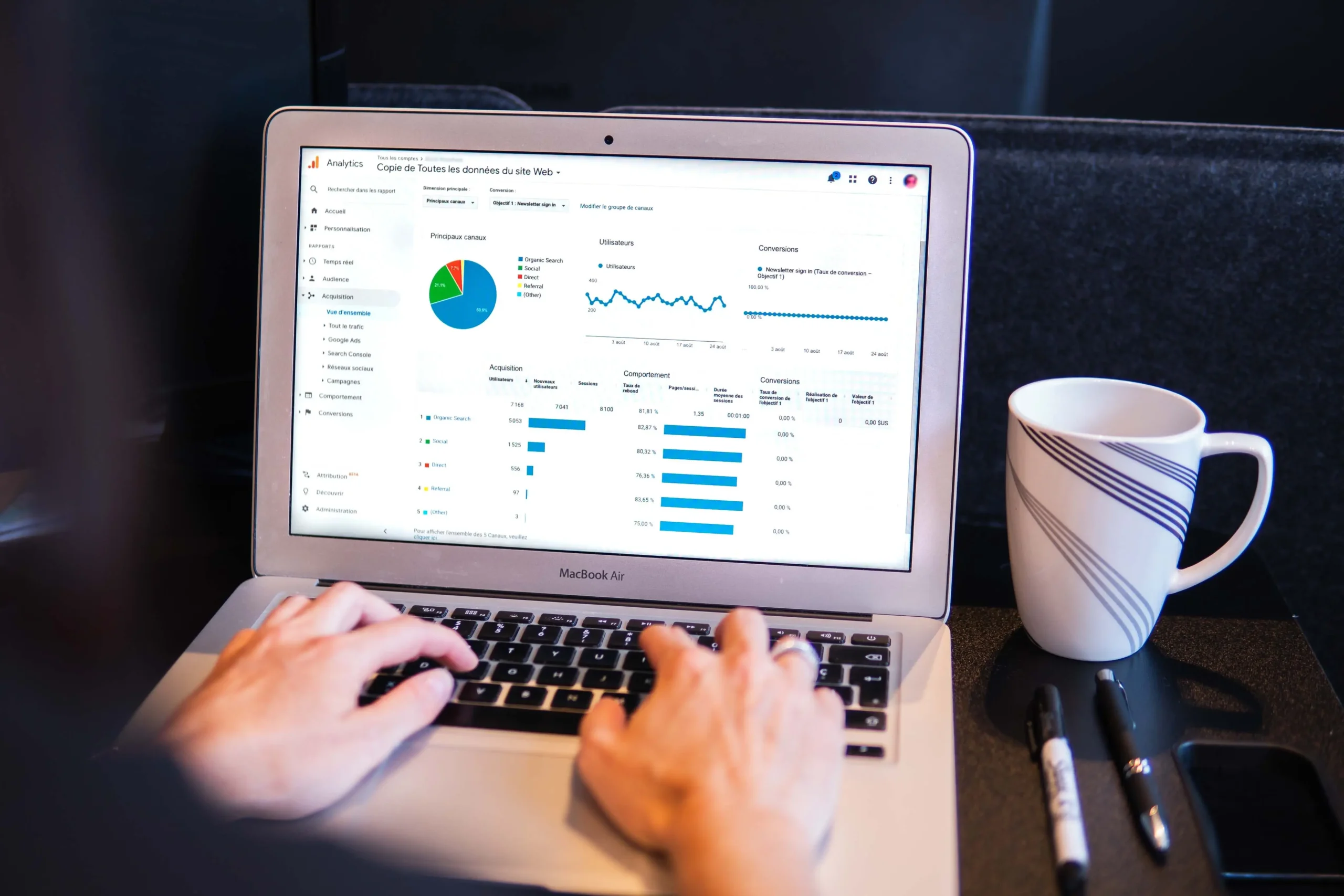
This step turns raw information into insights. Analysts segment audiences, identify patterns, track buyer journeys, and uncover opportunities or bottlenecks. Tools like Looker Studio, Power BI, and Tableau help visualize these insights.
3. Strategy Development
Using the insights uncovered, marketers build campaigns backed by data—not assumptions. This may include revising customer segments, adjusting messaging, redesigning funnels, or shifting budget allocations.
4. Execution and Monitoring
Once campaigns are launched, data continues to guide performance. KPIs such as cost per lead, conversion rate, ROAS, and email engagement help marketers refine strategies in real time.

Tools and Technologies That Power Data-Driven Marketing
Behind every successful data-driven strategy is a reliable ecosystem of tools that collect, organize, and interpret information. Modern marketers depend on a diverse technology stack to understand audience behavior, measure performance, and make informed decisions with precision.
These tools not only streamline complex data workflows but also eliminate guesswork by revealing what truly drives engagement and conversions. From analytics platforms that track user activity to CRM systems that consolidate customer profiles and automation tools that personalize experiences at scale, each component plays a critical role in ensuring marketing efforts are both efficient and impactful. Selecting the right mix of technologies allows businesses to harness the full power of their data and build campaigns rooted in accuracy, insight, and continuous optimization.
Here are some of the robust tech stacks that marketers rely on to gather and interpret insights:
| Category | Tools | What They Do |
|---|---|---|
| Website Analytics | Google Analytics, Plausible | Track user behavior, traffic sources, and conversions |
| CRM Systems | HubSpot, Salesforce | Store customer data and map customer journeys |
| Email Platforms | Mailchimp, Klaviyo, Constant Contact | Track opens, clicks, and behavior segmentation |
| Social Analytics | Meta Insights, Hootsuite, Buffer | Monitor engagement, reach, and performance trends |
| Heat Mapping Tools | Hotjar, Crazy Egg | Visualize how users interact with site pages |
| A/B Testing Tools | Optimizely, Google Optimize alternatives | Test messaging, layouts, and CTAs |
| Advertising Platforms | Google Ads, Meta Ads Manager | Provide real-time performance and audience data |
When combined, these tools give marketers a 360-degree view of their audience.

Real-Time Analytics and Agile Optimization
Real-time analytics allow marketers to adjust campaigns immediately instead of waiting weeks for results. This agility can drastically improve ROI.
Examples include:
- Pausing low-performing ads to prevent wasted spend
- Increasing budget on campaigns performing well
- Replacing visuals or headlines based on live A/B test results
- Responding quickly to trending customer behavior
This approach—known as agile marketing—helps brands stay responsive in fast-moving markets and ensures that no opportunity is missed.
Personalization Through Data
Personalization has become one of the most powerful growth levers in digital marketing. Consumers expect brands to know their preferences, offer relevant recommendations, and communicate on their terms.
Data enables marketers to personalize:
- Email content and product recommendations
- Website homepages based on browsing history
- SMS promotions tied to location or timing
- Ads tailored to user interests
- Retargeting campaigns for cart abandonment
Companies that personalize effectively see dramatically higher conversion rates and stronger long-term loyalty.

Challenges and Considerations
While data-driven marketing offers tremendous advantages, it also comes with important challenges that businesses must navigate thoughtfully. As companies collect increasing amounts of information, the responsibility to manage, secure, and interpret that data grows significantly. Missteps—such as poor data quality, privacy violations, or siloed systems—can undermine even the strongest marketing strategies. Additionally, adopting a data-first approach often requires cultural change, new technology investments, and specialized skill sets that not all organizations are immediately equipped to handle.
Understanding these considerations upfront allows marketers to anticipate obstacles, allocate resources wisely, and build a more resilient, compliant, and effective data infrastructure. By addressing these challenges head-on, companies can fully unlock the benefits of data-driven marketing while protecting both their brand and their customers.
Data-driven strategies offer major advantages, but they require careful management:
Data Privacy
Compliance with GDPR, CCPA, and other regulations is mandatory. Brands must honor consent, store data securely, and ensure transparency in data practices.
Data Quality
Bad data leads to bad decisions. Marketers need consistent data hygiene, including:
- Removing duplicates
- Correcting inaccuracies
- Standardizing formats
- Updating outdated records
Resource Requirements
Successful data-driven marketing requires:
- Proper tools
- Skilled analysts
- Departmental alignment
- Time and budget
Adopting a data-driven culture requires commitment and strategic leadership.
Conclusion
Data-driven marketing transforms how brands operate. It empowers teams to move with precision, adapt quickly, personalize at scale, and generate measurable results. Companies that invest in analytics now will be better positioned to compete tomorrow.
By embracing accurate data, developing agile workflows, and prioritizing personalization, businesses build stronger customer relationships and ensure long-term success in an increasingly competitive digital landscape.

Frequently Asked Questions (FAQ) on Data-Driven Marketing
What is data-driven marketing?
Data-driven marketing uses analytics, customer behavior, and performance metrics to guide marketing decisions. Instead of relying on guesswork, marketers analyze patterns and insights from multiple touchpoints—such as websites, email campaigns, social media, and CRM systems—to create more accurate and effective strategies.
Why is data important in digital marketing?
Data provides clarity. It helps marketers understand what is working, what needs improvement, and where new opportunities may exist. It reduces wasted ad spend, improves targeting, enhances personalization, and ultimately increases ROI.
What types of data are most useful for marketing?
Useful data includes website traffic behavior, demographic information, purchase history, engagement metrics, email interactions, customer segments, and advertising analytics. Together, these metrics create a holistic picture of customer intent and preferences.
How do businesses get started with data-driven marketing?
Start by implementing foundational tools:
– Google Analytics for site tracking
– A CRM for customer management
– Email and social media analytics
Once data is collected, analyze trends, develop strategies based on the findings, and run A/B tests to refine.
What challenges do companies face when adopting data-driven strategies?
Common challenges include maintaining data quality, managing privacy regulations, integrating tools across teams, and hiring skilled analysts. Overcoming these challenges requires strong data governance and leadership alignment.
