
Trade shows provide an excellent opportunity to network, showcase your products, and stay ahead of industry trends. However, one of the most valuable yet often overlooked advantages of attending trade shows is the ability to gather intelligence on your competition. By observing competitor booths, marketing strategies, customer engagement, and product offerings, you can gain insights to refine your own business strategies.
In this guide, we’ll explore how to effectively use trade shows to investigate your competition and leverage that information to strengthen your market position.

Table of Contents
Why Trade Shows Are Ideal for Competitive Research
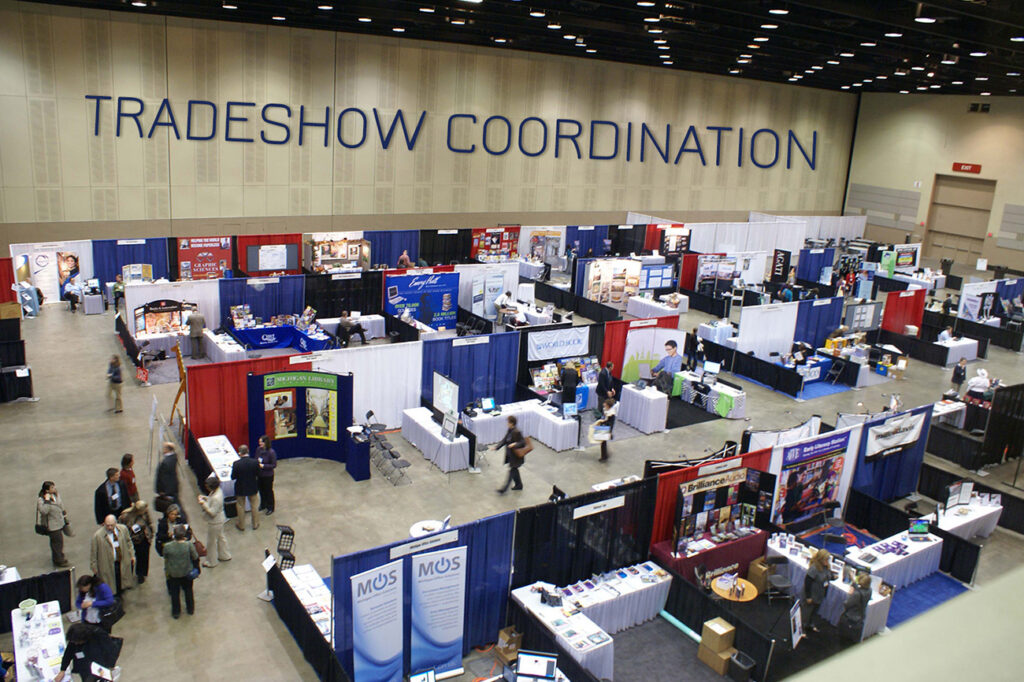
Trade shows bring together industry players, including suppliers, manufacturers, retailers, and potential customers, in one location. At these events, competitors often reveal their newest innovations, pricing strategies, and branding tactics. Unlike online research, where information may be curated or outdated, trade shows offer real-time access to what competitors are currently working on and how they engage with their audience.
Key benefits of competitive research at trade shows include:
- Direct observation of competitors’ branding, messaging, and product features.
- Opportunities to analyze customer interactions and responses to competitors.
- A chance to see pricing models, special promotions, and unique selling points.
- Networking opportunities to gather insights from industry professionals.
To maximize the value of trade show research, you need a strategic approach that involves preparation, execution, and post-event analysis.

Pre-Trade Show Preparation
1. Identify Your Key Competitors
Before attending a trade show, research which of your direct and indirect competitors will be exhibiting. Most trade shows provide a list of participating companies online. Create a list of competitors and prioritize them based on relevance to your business.
Some questions to consider:
- Which competitors are launching new products?
- Which brands are gaining traction in your industry?
- Are there new market entrants that could disrupt your business?
This pre-show research allows you to focus your time effectively during the event.
2. Set Specific Goals for Competitive Research
Having clear objectives ensures that you collect actionable insights rather than just browsing. Goals may include:
- Understanding competitors’ pricing and promotions.
- Evaluating their marketing materials and messaging.
- Observing customer reactions to their products.
- Identifying gaps in their offerings that your business can exploit.
Define the metrics and key points you want to track so you can stay focused.
3. Plan Your Route and Time Management
Large trade shows can be overwhelming. Once you identify your competitors, locate their booths using the trade show map. Allocate time to visit each relevant booth and make notes without spending too much time in one area.
Having a structured plan will help you maximize your efficiency and ensure that you don’t miss key insights.

At the Trade Show: Investigating Your Competition
4. Observe Booth Design and Branding
The layout, branding, and booth design of a competitor can tell you a lot about their market positioning. Look at:
- Visual appeal: Are they using high-tech displays, interactive demos, or minimalist designs?
- Messaging: What slogans, key phrases, or taglines are they using?
- Product focus: Which products or services are they prominently showcasing?
- Customer engagement: Are they offering hands-on product demos, giveaways, or promotional materials?
If a competitor’s booth is attracting significant attention, take note of why—it could be their branding, unique features, or customer engagement tactics.
5. Evaluate Their Product Offerings
Product observation is one of the most valuable aspects of trade show intelligence gathering. When reviewing competitor products:
- Check new product launches and enhancements.
- Compare features, specifications, and materials to your own products.
- Look for unique selling points that differentiate them from your offerings.
- Observe pricing and discount structures.
Sometimes, trade show booths offer exclusive first looks at upcoming product releases—a great way to stay ahead of industry trends.
6. Interact with Booth Representatives (Discreetly)
Many exhibitors at trade shows employ sales representatives trained to explain their offerings. While you should not misrepresent yourself, you can still engage in conversations to learn valuable details.
Questions you might ask:
- “How does this compare to similar products on the market?”
- “What’s the biggest challenge your customers face?”
- “Are there new features that set this apart?”
Listening carefully can reveal insights into their sales strategy, target audience, and customer pain points.
7. Analyze Customer Interactions
Observing how customers engage with competitor booths can provide clues about product appeal and market demand. Look at:
- Which products attract the most attention?
- Common customer questions and feedback.
- Whether attendees are excited or skeptical about a product.
Taking note of customer sentiment can help you refine your own offerings to better meet market needs.
8. Collect Marketing Materials
Gather brochures, flyers, business cards, and promotional materials from competitor booths. These materials often contain:
- Pricing information and promotions.
- Product details and specifications.
- Brand positioning and messaging.
Compare these materials to your own to identify gaps or opportunities for improvement in your marketing approach.
9. Attend Competitor Presentations and Demos
If competitors are hosting product demos or speaking sessions, attend them to gain deeper insights. Company executives often share valuable insights into their business strategies, upcoming projects, and market positioning.
During these sessions:
- Take notes on key features and benefits they highlight.
- Observe how they differentiate themselves from competitors.
- Pay attention to customer reactions and engagement levels.
Post-Trade Show Analysis and Implementation
10. Organize and Review Your Notes
After the event, organize all the data you collected:
- Summarize key findings about each competitor.
- Compare their strengths and weaknesses to your own business.
- Identify trends, opportunities, and potential threats.
11. Conduct a SWOT Analysis
A SWOT analysis (Strengths, Weaknesses, Opportunities, Threats) can help structure your insights:
- Strengths: What do competitors do well?
- Weaknesses: Where do they fall short?
- Opportunities: Where can you outperform them?
- Threats: What competitive advantages do they have?
This analysis will help you refine your business strategy based on real-time competitor data.
12. Implement Insights into Your Business Strategy
Once you’ve gathered intelligence, use it to:
- Improve your product development by incorporating missing features.
- Adjust pricing strategies based on competitor benchmarks.
- Enhance your marketing and branding efforts to stand out.
- Strengthen customer engagement by addressing competitor weaknesses.
Trade show insights can shape your business decisions and give you a competitive advantage in the market.
Final Thoughts
Trade shows are more than just an opportunity to showcase your business—they are a goldmine of competitive intelligence. By strategically observing competitors, analyzing their products and marketing, and engaging with customers, you can gain valuable insights that will help you stay ahead in your industry.
With proper planning and post-event analysis, the knowledge gained from trade shows can fuel your company’s growth, enhance your business strategy, and position you as an industry leader.
