

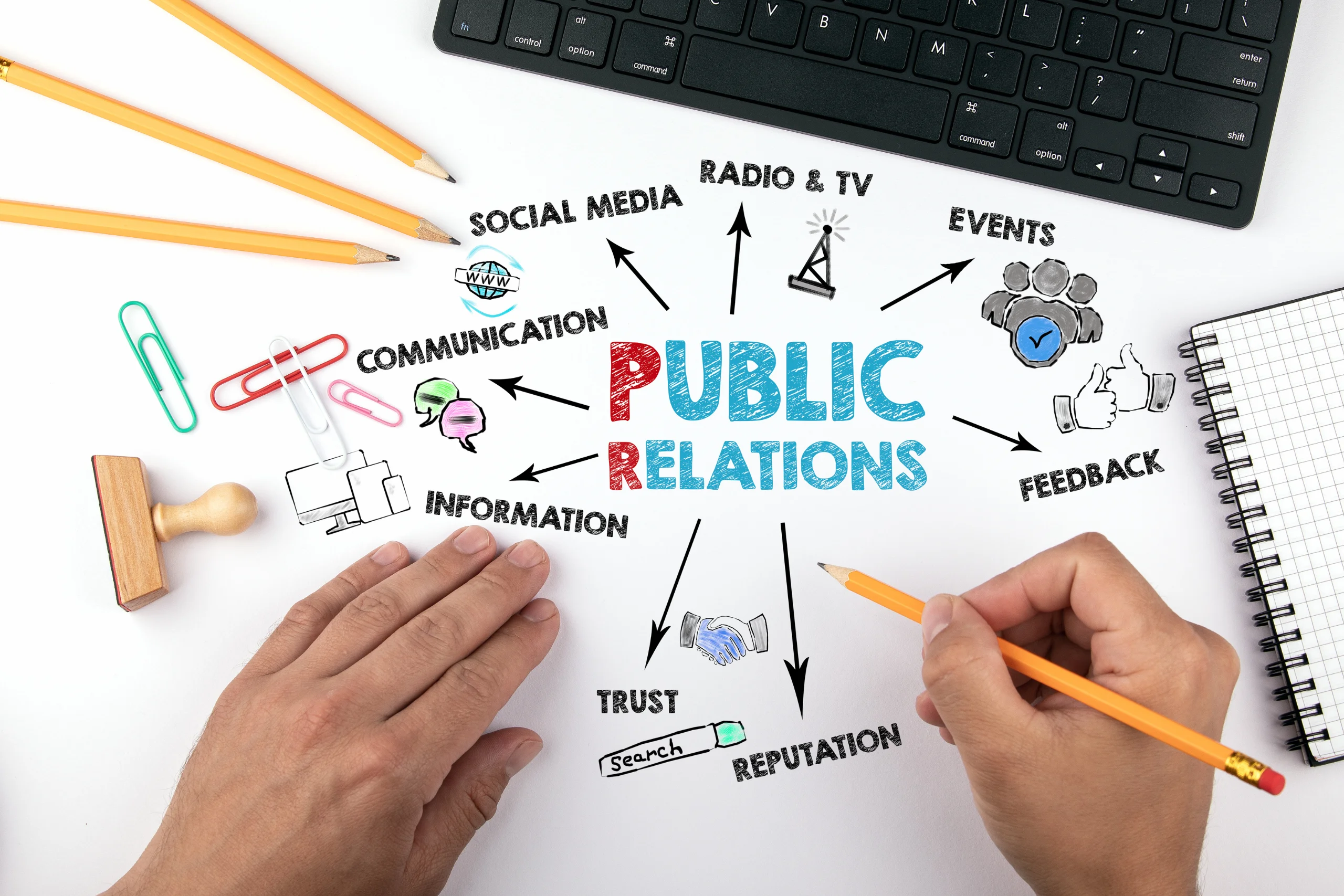
In today’s crowded marketplace, standing out isn’t just beneficial; it’s necessary. Public relations (PR) can transform an unknown business into a recognized name, building credibility, drawing in new customers, and driving long-term growth. Even a small or new business can become unstoppable with the right PR strategy. Let’s explore how PR can elevate your business and the critical steps to making it happen.
Table of Contents
Understanding the Role of PR in Business Growth
PR is the art and science of shaping public perception. While marketing and advertising are about selling products, PR is about building and managing a company’s reputation. It’s the voice that explains what your business stands for, why it matters, and how it serves its customers.
Unlike advertising, which is often direct and focused on quick results, PR builds credibility over time. It’s a long-term strategy that complements other promotional efforts by fostering trust and goodwill. Whether you’re a startup aiming to establish yourself or a small business trying to expand, PR is a critical tool to help you reach your goals.

Critical Benefits of PR for Small and Growing Businesses
PR offers unique advantages that can benefit businesses of all sizes, especially those looking to gain a foothold in competitive markets. Let’s break down some of the most impactful ways PR can elevate your brand.
Building Credibility and Trust
Trust is a powerful currency in a world where customers have endless options. PR positions your business as a credible and reliable player by securing third-party endorsements, such as media coverage, interviews, or guest articles. When potential customers see reputable sources discussing your business positively, it lends authority and reassurance that advertising alone can’t match.
Increasing Brand Awareness
Consistent PR efforts help establish and maintain brand visibility. Whether through press releases, news articles, or social media mentions, PR keeps your brand in mind. The more people see your name, the more likely they will recognize and remember it. PR, therefore, acts as an ongoing reminder to potential customers, ensuring they know who you are and what you do.
Driving Customer Engagement
Good PR invites people to connect with your brand. By sharing stories that highlight your mission, values, and customer success, PR opens up opportunities for engagement. From sharing content on social media to attending events, customers feel more invested in businesses they relate to. This creates a two-way relationship that fosters loyalty and long-term connections.
Strengthening Stakeholder Relationships
PR extends beyond customer-facing benefits. It also influences other stakeholders like investors, partners, and employees. Positive public perception can attract investors, reassure partners, and instill pride in employees, creating a solid foundation of support for growth. A good PR strategy keeps all these relationships strong, boosting overall business stability.

PR Tactics to Elevate Your Business
Crafting a PR strategy involves choosing tactics that align with your brand’s identity and goals. Knowing what a PR team is and how it functions can help businesses understand the full potential of these tactics. A PR team works to shape and communicate your brand’s story, ensuring that each strategy element—whether media outreach, digital engagement, or thought leadership—connects with the right audience. Let’s examine effective PR methods for transforming your business from unknown to unstoppable.
Media Outreach and Press Releases
At the heart of PR is storytelling, and media outreach is one of the most effective ways to share your story. You can secure articles or interviews that reach larger audiences by connecting with journalists, bloggers, and media outlets. Press releases, when done right, can announce company milestones, product launches, or partnerships, gaining your brand valuable exposure.
Social Media and Digital PR
Digital PR amplifies your efforts by tapping into the fast-paced world of social media. Platforms like Twitter, LinkedIn, and Instagram allow you to engage with audiences in real-time, share updates, respond to feedback, and participate in conversations. Digital PR also helps drive traffic to your website, growing your online presence while strengthening your brand voice.
Thought Leadership and Content Creation
Building authority through thought leadership positions you as an expert in your field. Contributing articles, writing blogs, hosting webinars, or appearing on podcasts are ways to share valuable insights with your audience. Content that educates and informs helps establish your brand as a go-to source, deepening trust and encouraging engagement.
Influencer and Community Engagement
Partnering with influencers and community leaders can broaden your reach. Whether it’s local events or industry influencers, these collaborations introduce your brand to new audiences. Community engagement shows that your business is invested in more than profit, appealing to customers who value socially responsible brands.
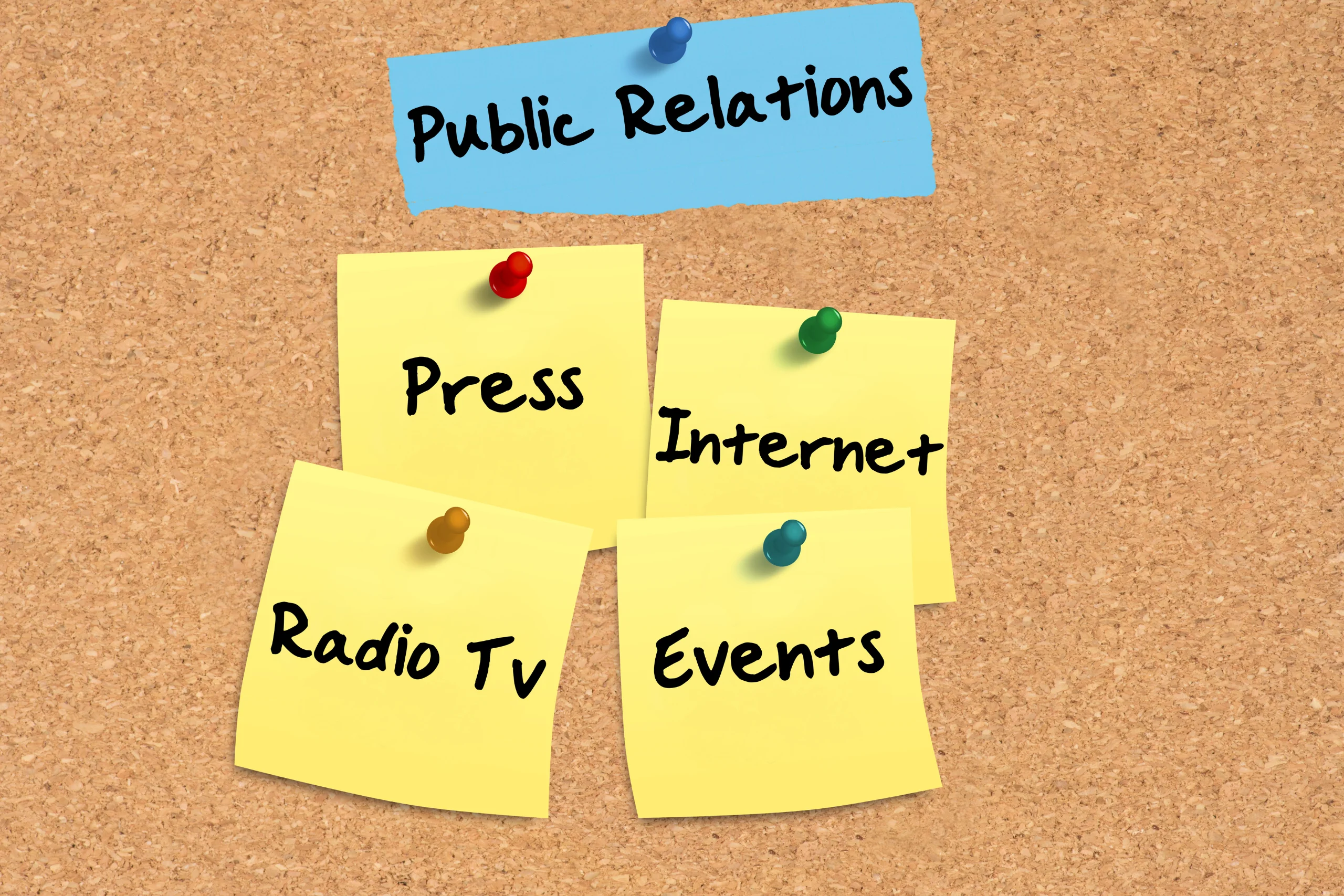
How to Create a PR Strategy That Aligns With Your Business Goals
Creating a PR strategy requires clear objectives, an audience understanding, and tailored messaging. Here’s how to ensure your PR approach aligns with your business needs.
Setting Clear Objectives
Every PR effort should start with a goal. Are you aiming for brand awareness, customer engagement, or lead generation? Setting specific, measurable objectives—like increased website traffic or social media followers—keeps your efforts focused and productive.
Identifying Target Audiences
Your PR strategy is only as effective as understanding who it’s for. Knowing your target audience allows you to select the best channels and tailor resonate messages. Segmenting your audience enables you to craft personalized PR campaigns that speak directly to their interests.
Crafting Key Messages
PR is about consistent storytelling. Developing key messages that align with your brand’s values and mission creates a unified voice across all communications. These messages are the backbone of your PR strategy, ensuring your brand’s story is clear and memorable.
Choosing the Right PR Channels
Not all PR channels will suit your goals or audience. Traditional media, digital outlets, and social media each offer unique benefits. The right combination of channels—based on where your audience is most active—maximizes the impact of your PR efforts.

Measuring PR Success: Metrics That Matter
Tracking the effectiveness of your PR strategy ensures that it delivers real value. PR success is often measured by visibility, engagement, and impact, so let’s break down some of the most critical metrics.
Media Mentions and Share of Voice
Media mentions reflect how often your brand appears in news sources, blogs, or industry publications. Share of voice compares your visibility to competitors, helping you gauge your market position and visibility. These metrics show how well your brand is resonating within your industry.
Website Traffic and Social Media Growth
PR campaigns often drive people to your online platforms. Monitoring website traffic and increased social media followers helps you see the direct impact of PR activities. Spikes in traffic following a PR push can indicate effective engagement.
Engagement and Sentiment Analysis
It’s about how many people you reach and how they react. Engagement metrics like likes, comments, shares, and sentiment analysis reveal how your audience feels about your brand. Positive interactions show that your PR messages resonate, while feedback provides improvement opportunities.
Lead Generation and Conversion Tracking
Ultimately, PR should support your business goals, including lead generation. By tracking conversions or sign-ups from PR activities, you can connect your efforts to tangible business outcomes, proving the value of a strong PR strategy.
Conclusion
In a competitive world, PR is a tool that can elevate your business, connect you with customers, build credibility, and drive long-term growth. Moving from unknown to unstoppable is possible with a focused PR strategy that aligns with your brand’s values and goals. As you continue to build your PR efforts, remember that consistency, authenticity, and engagement are essential. With the right approach, PR can be the cornerstone of your business’s journey to becoming a recognized name in the market.
