

Key Takeaways
- Language reveals media bias. Emotionally charged or selective word choices can slant reporting, so training yourself to spot loaded language improves media literacy.
- Patterns expose media narratives. Media monitoring tools help uncover recurring themes, shifts in coverage, and which voices dominate or get silenced.
- Fact-checking ensures clarity. Validating claims with trusted sources allows readers to separate fact from opinion and avoid misinformation traps.
- Media literacy builds confidence. Using these tools fosters critical thinking, reduces susceptibility to sensationalism, and helps form independent, informed opinions.
- Staying skeptical makes you stronger. Questioning headlines, cross-checking statistics, and verifying original sources empower readers to navigate modern media responsibly.
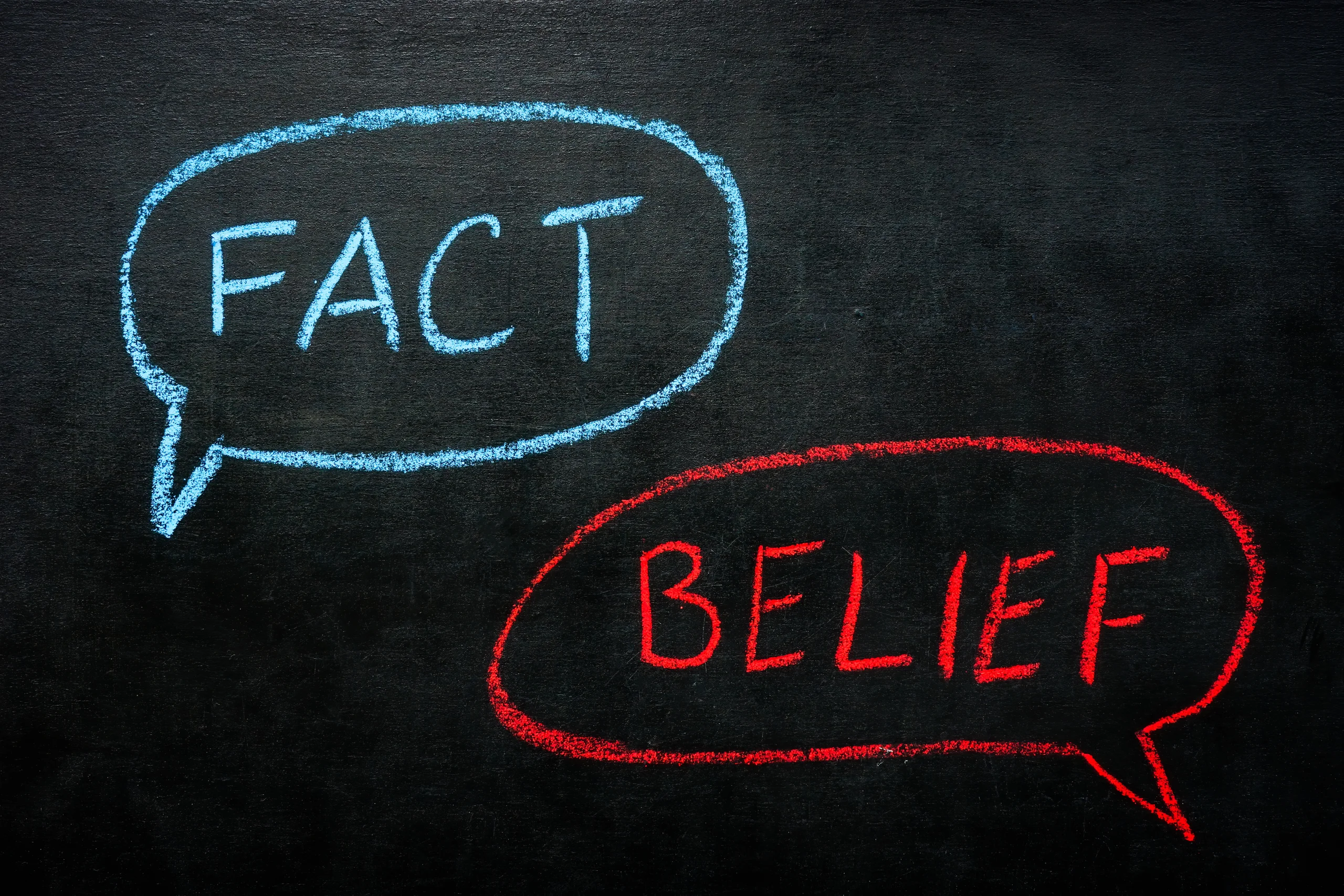
Today, the media influences people’s thinking every day, often more than they realize. There’s often hidden bias in a report, which complicates a reader’s ability to differentiate the truth from the gloss. How one paper tells a story can be different from how a TV channel does it, yet both cover the same event.
Some think that news is just news, but it is not that simple. In such confusing situations, tools that unveil what is really in a report can be very helpful. They will help you differentiate between what is fact and what is a deliberate spin. This is important, especially now, as reading with discernment is more critical than ever. This article will discuss three important resources that act to strengthen your media literacy and make your analysis even sharper.
Table of Contents
1. Spotting Bias Through Language
Language is the first warning signal when someone is trying to slant the news. Emotionally charged phrases such as ‘4 dead in a shooting’ or ‘10 killed in a senseless act of violence’ are clear examples. The same event can be reported in a different tone depending on the news outlet.
You should train yourself to notice when a certain detail is omitted. This is the technique of omitting crucial information. This is a way of shocking the reader or constructing a story in a certain manner. Many reporters use loaded words such as ‘horrible’ or ‘wonderful’ instead of neutral language. Such slants influence how events get perceived. The more you read carefully every word, the more you begin to know when facts get twisted or adjusted.
2. Tracking Patterns and Trends
Your understanding deepens when you use specific tools to uncover patterns. Media monitoring tools facilitate collecting how the story is being told across various platforms and about different areas. You begin to see recurring themes, such as how environmental issues are increasingly being focused on or how immigration debates get narrower in parameters. These patterns point directly to the evolving media narrative.
You will also begin to see which voices are usually forcefully presented and whose opinion is being silenced. The dramatic shifts in coverage may also catch your attention. The picture will become clearer when you learn to see the hidden nexus among various news items over weeks or months. You will slowly become smarter about what the press is attempting to convey.
3. Fact-Checking for Clarity
The importance of solid fact-based analysis cannot be replaced. Whenever any article makes bold claims, you need to be vigilant if they are telling the truth by checking the facts. You need to learn to validate any headline with facts from recognized sources, questioning the basis of every claim and examining the details carefully. In the event there is data or a percentage, always cross-check it with any other source of the same discipline.
The same approach applies to many news stories. Such exercises will teach you to separate opinion and analysis from fact more effectively, and you will spot exaggerated traps such as “Most people say…” You should check for updates in these stories because corrections are often made after publication, and they completely alter the original story. By training your brain to check and validate, your confidence in what you receive increases.
Conclusion
You have an edge over the mainstream media by using the right tools. They provide you with the ability to understand what is behind the coverage. You are no longer in the dark about sensationalism but instead become consistently better at spotting it. You also acquire the habit of questioning what you read, and all this will later enable you to build your strong views.
When you check the original sources, as well as recorded data, there is a lower chance of being misled. Essentially, you become more aware of the layered nature of reports and the ambiguity of ‘news,’ which makes you a stronger consumer of media. With these three tools in hand, you can become more informed and still be skeptical about what you are being told in the media every day.
Frequently Asked Questions (FAQs)
Why is it important to spot bias in news language?
Spotting bias in news language is critical because word choices influence how audiences interpret events. Media outlets may frame the same incident differently, using loaded or emotional terms like “senseless tragedy” versus “incident of violence.” Such subtle framing shapes perception, often without readers realizing it. By training yourself to identify emotionally charged words or noticing when certain facts are omitted, you begin to see how narratives are constructed. This awareness allows you to separate fact from opinion and recognize when a story is being angled for impact rather than accuracy. Developing this skill improves media literacy and prevents passive consumption of biased information.
How do media monitoring tools help decode narratives?
Media monitoring tools allow readers to track how stories evolve across different platforms and over time. By collecting multiple perspectives, these tools reveal recurring themes, shifts in focus, and which viewpoints dominate coverage. For example, monitoring climate change coverage might show a consistent emphasis on economic impact in one outlet while another focuses on activism. Identifying these patterns uncovers hidden agendas, systemic biases, and which voices are amplified or silenced. This broader perspective helps readers go beyond individual headlines to understand the long-term narratives the media promotes. In essence, monitoring tools make the “big picture” visible.
Why is fact-checking essential in analyzing media content?
Fact-checking is essential because it separates truth from speculation or exaggeration. Headlines often include bold claims, statistics, or percentages that can mislead readers if not verified. By cross-referencing information with trusted sources, readers can confirm accuracy, spot errors, and identify updates or corrections. For instance, a claim like “Most people agree” should be scrutinized for data sources and methodology. Fact-checking also teaches readers to differentiate between fact, opinion, and analysis. In a time when misinformation spreads rapidly, fact-checking acts as a safeguard against being manipulated by sensationalism or false reporting. It builds trust in the information you choose to accept.
What habits can strengthen media literacy long-term?
Strong media literacy habits include questioning every headline, comparing multiple sources, and checking whether facts are supported by credible evidence. Readers should remain alert to emotionally charged wording, watch for omission of context, and cross-check statistics with original data. Staying updated on corrections or follow-up reports is also vital, as media narratives can shift after initial publication. Consistently practicing these habits fosters skepticism without cynicism, ensuring readers remain engaged but discerning. Over time, these habits develop critical thinking skills that reduce vulnerability to misinformation and help people build informed, independent viewpoints.
How can these tools make individuals more confident media consumers?
Using tools like bias detection, media monitoring, and fact-checking gives individuals a structured approach to analyzing news. Instead of feeling overwhelmed by conflicting headlines, readers gain clarity by evaluating word choices, comparing patterns, and verifying facts. This systematic approach builds confidence in their ability to discern truth from spin. By relying less on surface-level reporting and more on critical analysis, individuals feel empowered to form independent opinions. The result is greater trust in one’s ability to navigate a complex media environment, reduced susceptibility to manipulation, and stronger confidence in shaping conversations with credible, evidence-based insights.
Sources
- https://mediasmarts.ca/digital-media-literacy/digital-issues/finding-and-verifying-information/verifying-online-news/decoding-news
- https://edu.gcfglobal.org/en/digital-media-literacy/deconstructing-media-messages/1/
- https://uk.sagepub.com/sites/default/files/upm-assets/106610_book_item_106610.pdf
- https://media-and-learning.eu/subject/media-literacy/news-media-literacy-how-to-read-the-news/
- https://journalism.university/media-and-society/core-concepts-media-literacy-decoding-messages/
