

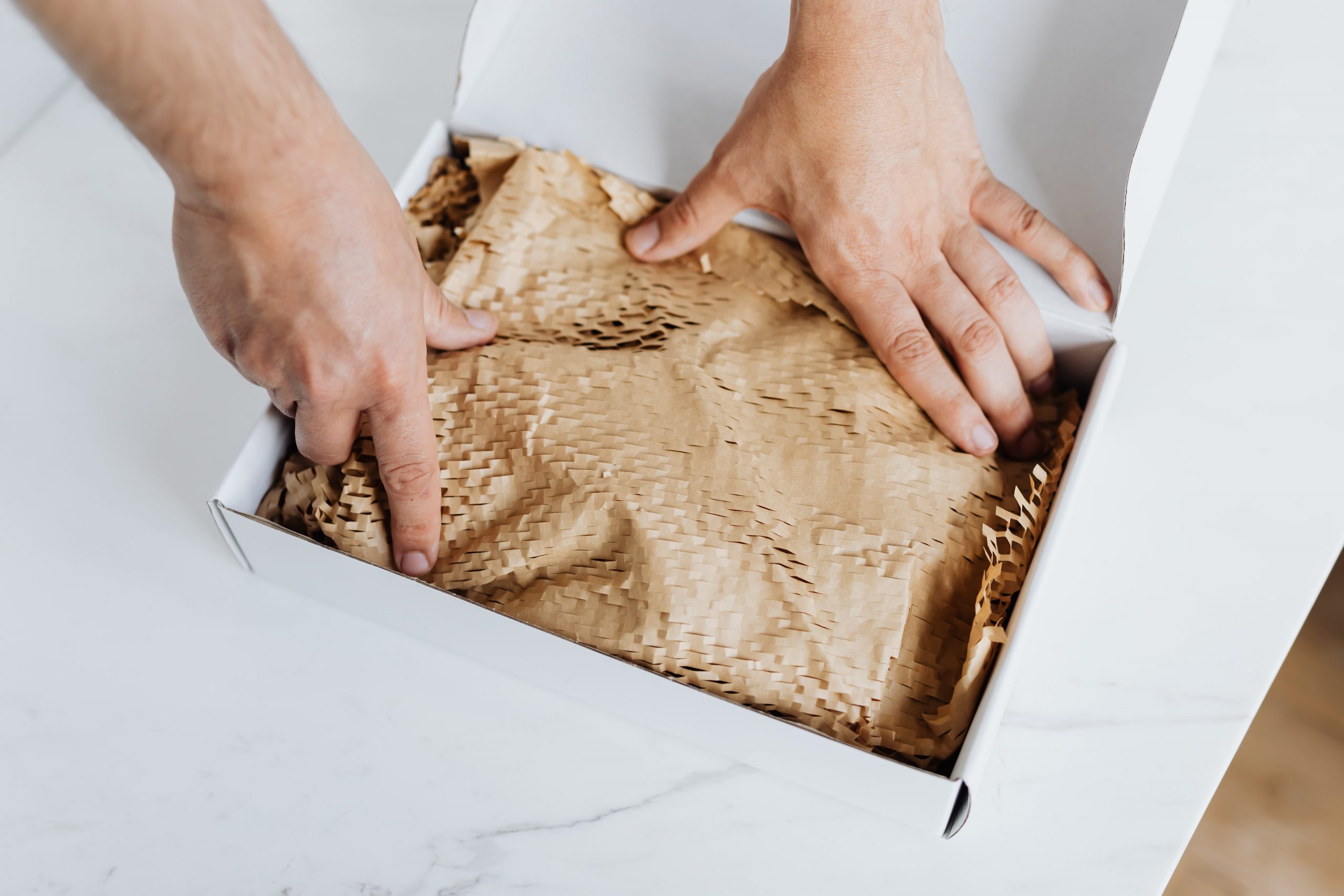
Many different sorts of packaging solutions might be beneficial in today’s environment. Packaging is critical in ensuring that the products arrive safely, intact, and securely in the customer’s hands. This includes peripherals such as labels, directions, assembly instructions (if any), and other information the customer needs to know when using the product. If you are looking for a viable solution for packaging supplies, you should read this article, which discusses the six primary packaging alternatives available to you.
Table of Contents
1. Eco-Friendly Packaging
As more corporations become aware of the environmental impact of their products, several have begun to focus more on ecologically friendly packaging. Since you won’t have to buy new cardboard boxes all the time, reusable boxes might help your company save money on shipping charges.
Recyclable packaging is good for the environment and may also help your company save money. Biodegradable solutions are perfect for companies shipping food or other items that must be consumed immediately. Instead of taking up room in a landfill, they are meant to degrade organically once their purpose is over.
2. Flexible Barrier Packaging
Spouts, zip locks, and resealable closures are examples of flexible packaging characteristics. In a non-rigid form, the goal of flexible barrier packaging is to maintain freshness, extend shelf life, and prevent damage to the contents of the package. It uses various materials, including flexible plastics, metal, paper, and coatings, to keep oxygen, moisture, and light out while keeping the object fresh and undamaged. Oxygen and oxidation are key contributors to food deterioration and loss of appearance and freshness.
Another appealing feature of this packaging is the ability to create custom bags, which will look fantastic when exhibited in stores. You can thoroughly capture everyone’s attention with their smart and beautiful designs. You may alter the size of your package to ensure that it precisely matches your goods but also to upload your own artwork and designs.
3. Cardboard Boxes
Choosing packaging boxes that will safeguard your products the best is vital. You and your customers will see great benefits from this. Numerous characteristics distinguish cardboard boxes from other packaging boxes. These boxes are quite versatile. They can be cut, glued, taped, or stapled to any form or size. Boxes made of cardboard make ideal packaging boxes. They can hold various items, including books, shoes, minor accessories, clothing, etc. There is no limit to what they can package because they can be cut to any size or form. They are also useful for storage because they are usually rectangular or square in shape.
4. Plastic Packaging
Plastic box packaging provides several advantages, including the ability to be recycled and the fact that they are generally more durable than paperboard boxes. By employing airtight plastic packaging containers, food quality may be maintained, and contamination problems can be minimized. Plastic packaging also prevents breakage and can keep food in harsh environments.
Another reason why plastic is a popular packing material is because it allows you to display the product from any angle without having to open the package. It’s also flexible and lightweight, and it can be used with films or coatings to improve the packaging aesthetic. If you care about the environment, you should avoid using plastic packaging that cannot be recycled because it harms the environment.

5. Chipboard Packaging
Electronic, medical, food, cosmetic, and beverage industries all employ chipboard packaging. Chipboard is a type of paperboard that is made from reused paper stock. It’s simple to cut, fold, and form. It’s a low-cost packaging option for your merchandise. It is available in various densities, and the density of the substance defines its strength. Chipboard packaging cannot be used for heavy objects because the chipboard sheet is a lightweight material designed for many supermarket items. You can visit Supreme X for pharmaceutical, and other custom packaging solutions click here.
6. Foil-sealed bags
They are commonly found in coffee and tea packaging. It keeps the items dense to preserve flavor, protects them from microorganisms, and extends their shelf life. Foil-sealed bags are also used to package bedding and clothing products and food. To maintain the fabric tight and secure and prevent the growth of fungus and other microorganisms, the technique entails removing the oxygen from the bag. To prevent spoilage, nuts, cereals, smoked salmon, cheese, and cured meats are packaged in foil-wrapped bags.
What packaging is best for you depends on many factors, the most important being your product. You should always optimize your packaging because it can lead to many benefits for your company.
