

Key Takeaways
- UGC builds trust and authenticity. Over 90% of consumers trust user-generated content more than traditional advertising, making it a cornerstone of modern brand engagement.
- Fractional ambassador programs provide flexibility and scale. By working with micro-influencers and enthusiastic customers in short-term campaigns, brands can generate diverse, relatable content at a lower cost.
- Authenticity outperforms traditional influencer marketing. Real voices and relatable stories resonate more with audiences, especially in algorithm-driven social feeds.
- Careful program management is essential. Success depends on aligning ambassadors with brand values, ensuring FTC compliance, and maintaining content quality standards.
- Data-driven measurement secures long-term ROI. Tracking engagement, conversions, and sentiment shifts helps refine programs and demonstrate their impact on brand loyalty and sales.

Table of Contents
What Is UGC & Why Does It Matter?
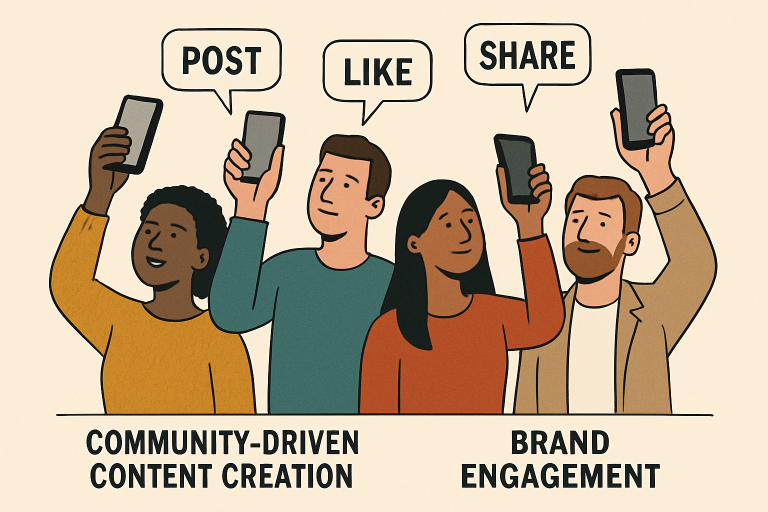
User-generated content (UGC) has rapidly emerged as a cornerstone of digital marketing, empowering individuals to shape the conversation around brands. Rather than only consuming content, audiences now participate in its creation—giving brands unprecedented access to authentic voices. This power shift supports trust and organic discovery. According to a Sprout Social analysis, over 90% of consumers find UGC more trustworthy than traditional advertising, underlining its critical role in today’s saturated markets.
Innovative platforms like PlayKit are at the forefront of this movement, enabling brands to seamlessly activate, track, and amplify user-generated content while maintaining brand control. By facilitating the collaboration between brands and everyday creators, such tools bridge the gap between marketing and genuine community voice.
Fractional Ambassador Programs: A New Approach
As brands seek scalable, cost-effective methods to cultivate organic engagement, traditional influencer marketing often proves too costly and difficult to manage at scale. Fractional ambassador programs offer a tailored solution, enlisting enthusiastic customers or micro-influencers for short-term or campaign-specific partnerships. This structure embraces diversity, unlocking dozens or even hundreds of unique voices, while remaining agile enough to pivot with shifting interests or seasonal marketing objectives.
This flexible approach is efficient in the age of algorithm-driven social feeds, where real, relatable stories tend to outperform overtly sponsored content. By leveraging shorter-term partnerships and diverse creators, brands can maintain a steady stream of fresh content and adapt quickly to new opportunities, ensuring ongoing relevance.
Key Benefits for Brands and Creators
- Authenticity: Audiences feel closer to the brand through genuine, user-generated stories, encouraging loyalty and acceptance.
- Cost Efficiency: Fractional programs are affordable, allowing brands to test new ideas without committing to year-long influencer contracts.
- Scalability: Brands can quickly scale programs up or down by adjusting the number of active ambassadors according to campaign needs.
- Diversity of Voice: Drawing on various creators opens doors to untapped demographics, broadening reach and appeal.
Challenges and Risks to Consider
Even the best ambassador programs must be carefully managed to avoid misalignment and brand missteps. Ensuring that ambassadors represent a company’s values is critical: the wrong fit can lead to public backlash or reputational damage. Moreover, navigating the legal landscape is essential. Adhering to the FTC’s influencer and ambassador marketing guidelines helps ensure legal compliance around disclosure, copyright, and compensation.
Quality control is just as important—brands must establish clear content guidelines and approval processes, empowering ambassadors to create freely while staying on message.

Steps to Launching Your Program
- Clarify your brand’s goals and define specific objectives for your ambassador program, such as boosting awareness or driving signups.
- Research and pinpoint your target demographics, focusing on where these audiences spend time online and which platforms are most relevant.
- Recruit ambassadors using direct outreach, open applications, and by monitoring social media for organic brand mentions and advocates.
- Develop straightforward, transparent compensation and content guidelines, including payment, perks, products, or exclusive access.
- Roll out small-scale pilot campaigns, collecting and acting on feedback to tweak your process before full-scale launch.
- Implement robust tracking tools to monitor participation, measure impact, and refine your approach with every new cycle.
Measuring Success: What Metrics Matter?
Successful ambassador programs go beyond vanity metrics, focusing instead on meaningful outcomes. Key metrics include engagement rates, content quality, ambassador link conversions, and brand sentiment shifts over time. Tracking return on investment (ROI) determines the program’s ongoing viability. Using advanced analytics, brands can map the journey from ambassador post to actual customer action—a practice increasingly necessary in today’s data-driven landscape. Publications such as Forbes emphasize the importance of data-driven measurement in ambassador-driven campaigns.
Real-World Case Studies and Trends
Leading athletic and beauty brands have demonstrated the tangible impact of fractional ambassador programs by prioritizing authentic, user-led storytelling. For example, sneaker brands regularly spotlight micro-influencers’ training journeys, while beauty lines have pivoted to campaigns built around real user testimonials—from skincare routines to before-and-after transformations. According to a recent report from Adweek, UGC-driven campaigns consistently achieve greater engagement and brand loyalty than those relying solely on celebrity influencers.
These trends reveal a growing preference for relatability and trustworthiness in marketing, with more brands championing their most enthusiastic customers as advocates and storytellers.
Looking Ahead: Future of UGC & Fractional Ambassador Programs
As technology evolves, integrating AI and automation makes it easier for brands to identify promising ambassadors, curate UGC, and reward contributors in real time. Tools like PlayKit empower brands to manage these programs efficiently, ensure compliance, and communicate transparently with their network of creators. With increasing regulatory scrutiny, transparency and trust will be vital as the lines blur between ambassador, creator, and everyday customer. Brands that embrace these changes—and put customer voice at the center—will be well-positioned for lasting relevance.

Final Thoughts
Embracing user-generated content and fractional brand ambassadors offers companies an authentic, scalable way to connect with audiences. These approaches build trust by showcasing authentic voices and experiences, fostering stronger relationships and community loyalty. By leveraging diverse perspectives and flexible partnerships, brands can maintain consistent engagement without heavy long-term commitments. This modern strategy drives awareness and adapts to evolving consumer expectations, ensuring lasting relevance and deeper emotional connections in an increasingly competitive and fast-changing marketplace.
Frequently Asked Questions (FAQs)
What is user-generated content (UGC) and why is it important for brands?
User-generated content (UGC) refers to photos, videos, reviews, and posts created by consumers rather than brands. It’s important because it provides authenticity that traditional advertising often lacks. Consumers trust the opinions of their peers more than paid campaigns, which means UGC helps build credibility and influence purchase decisions. For example, a customer sharing a genuine product testimonial on Instagram often resonates more than a polished ad. UGC also supports community-building by involving customers in the brand story, strengthening loyalty. For brands competing in crowded markets, UGC is a powerful way to stand out and foster genuine engagement.
How do fractional ambassador programs differ from traditional influencer marketing?
Fractional ambassador programs rely on micro-influencers, niche creators, and even enthusiastic customers to create content for short-term or campaign-specific collaborations. Unlike traditional influencer marketing, which often involves long-term contracts with expensive influencers, fractional programs are flexible, cost-efficient, and scalable. This approach allows brands to tap into dozens of diverse voices at once, adapting quickly to seasonal trends or consumer interests. The result is a steady flow of relatable, authentic content. Instead of a single celebrity voice, fractional programs amplify many smaller voices, broadening reach and delivering authenticity that aligns more closely with modern consumer expectations.
What are the main benefits of using UGC and fractional ambassadors?
The primary benefits include authenticity, cost efficiency, scalability, and diversity. Authenticity comes from showcasing real customer experiences, which audiences trust more than polished ads. Cost efficiency allows brands to engage multiple creators at lower costs compared to high-profile influencer campaigns. Scalability gives companies the ability to expand or contract their ambassador network depending on campaign goals. Diversity of voice means brands can reach new demographics by leveraging creators with different backgrounds and communities. Together, these benefits ensure brands can maintain consistent, engaging content without overspending, while creating stronger, more relatable connections with their audiences.
What risks do brands face with ambassador programs, and how can they avoid them?
Ambassador programs come with risks such as misaligned values, reputational harm, or legal issues. If an ambassador’s behavior contradicts a brand’s ethics, it can cause public backlash. To avoid this, brands should carefully vet ambassadors and set clear expectations upfront. Legal compliance is another major concern—brands must follow FTC guidelines to ensure transparency in disclosures, compensation, and copyright use. Quality control is also key. While giving ambassadors creative freedom is important, brands should establish content guidelines and approval processes. By balancing oversight with flexibility, businesses can mitigate risks while keeping the authentic feel that makes these programs effective.
How should brands measure the success of UGC and ambassador campaigns?
Measuring success requires moving beyond vanity metrics such as likes and impressions. Brands should track engagement rates, conversion data, and sentiment analysis to understand true impact. For example, measuring how many website visits or purchases came directly from ambassador links provides tangible ROI. Monitoring brand sentiment across platforms can reveal how ambassador-driven campaigns shift consumer perception over time. Additionally, tracking the volume and quality of UGC created helps assess content scalability. By combining these metrics, brands can evaluate program effectiveness, refine strategies, and justify continued investment in UGC and fractional ambassadors. This data-driven approach ensures sustainable growth.
