

Expanding into a physical location is a significant milestone for any growing business. A well-designed space improves brand presence, customer experience, and productivity. Long-term success depends on selecting appropriate property, guaranteeing appropriate infrastructure, and creating an efficient layout. Every detail, from obtaining necessary permits to installing functional utilities, creates a well-run business. Making smart decisions and ahead planning will help you create a location that supports your objectives while reducing unwarranted expenses and problems.
Table of Contents
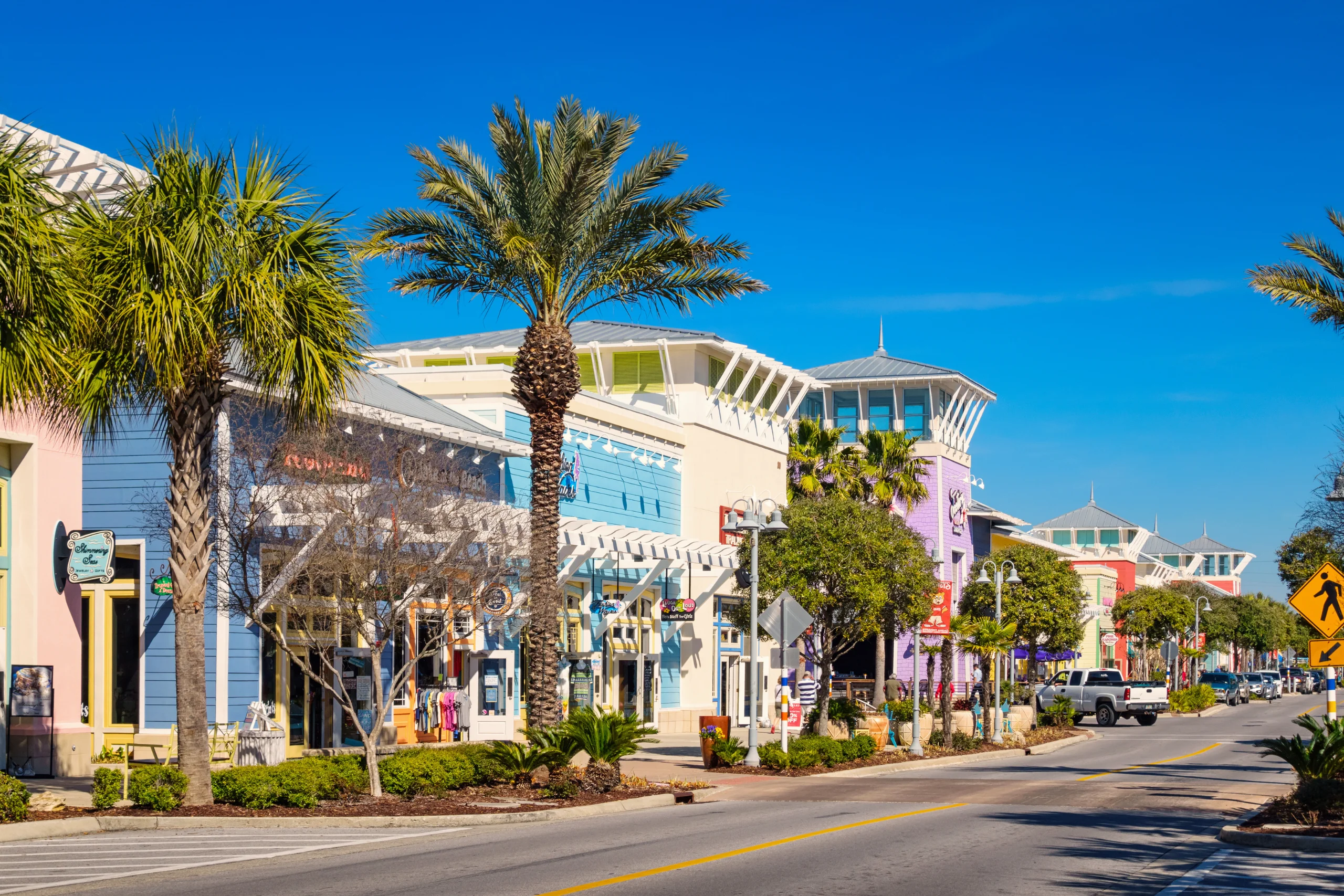
Choosing the Right Commercial Property for Your Business
Your company’s location highly influences its foot traffic, access, and operational effectiveness. Choosing a property means weighing elements, including local population, zoning rules, and future growth possibilities. A place fit for your business guarantees long-term viability and helps reduce expensive upgrades. Particularly for companies dependent on walk-in customers, visibility and accessibility are vital.
When choosing a location, it’s essential to take into account factors like parking accessibility, public transportation choices, and nearby competitors. The building’s physical layout also affects utility with features like ceiling height, storage capacity, and entrance points influencing daily operations. Before signing a lease or purchase agreement, a careful assessment of the property guarantees that it supports the long-term needs of your company and helps to avoid unanticipated problems.
Securing Permits, Licenses, and Compliance Approvals
Before its doors are open to the public, any business space must satisfy legal and regulatory criteria. Industry, location, and business type all affect permits and licenses; hence, knowledge of local legislation is vital. Obtaining zoning permits guarantees that the property can be used for your particular company operations, thereby avoiding legal problems later on.
Businesses running physical sites must have building permits, fire safety approvals, and health inspections. Before beginning construction or renovation, restaurants, salons, and healthcare facilities can have more rigorous compliance standards to satisfy. Not obtaining the required permits may result in delays in starting your business or expensive fines. Working with local government agencies or experts guarantees all legal standards are satisfied and helps expedite the clearance process.
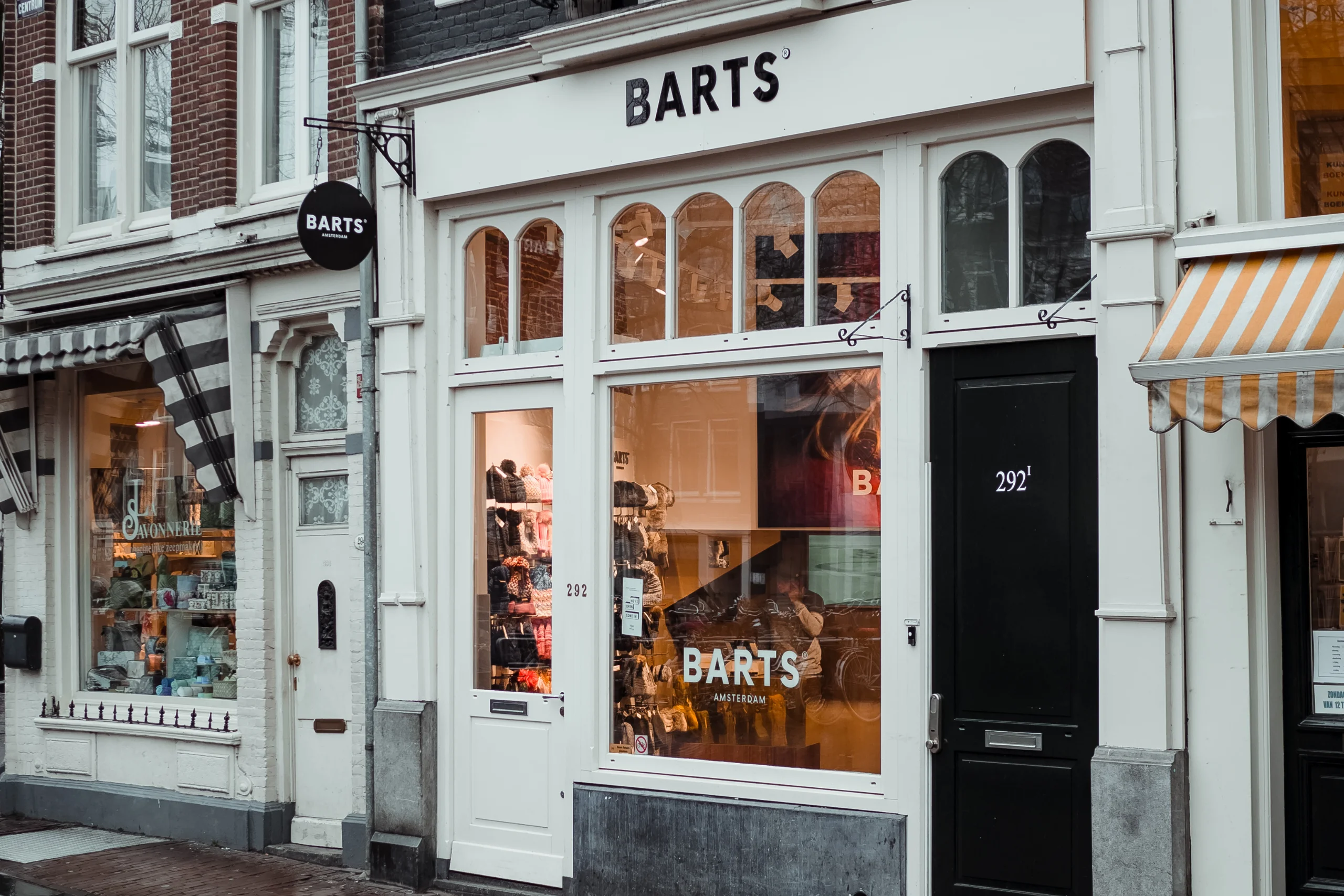
Installing the Right Utilities and Infrastructure for Efficiency
Reliable utilities are necessary to support day-to-day operations in a functional commercial space. While plumbing infrastructure has to be built for long-term efficiency, electrical systems must meet the power needs of machinery, lighting, and HVAC systems. Poorly planned utility installations can lead to regular maintenance problems and excessive running expenses.
Businesses, including hotels, restaurants, and industrial sites, depend on hot water availability; thus, a good heating system is an essential investment. In addition to increasing energy efficiency and lowering utility costs, dependable commercial water heater services guarantee a steady supply of hot water. Correctly designed water heating systems improve general productivity and help avoid operational disruptions. Additionally, energy-efficient solutions, such as LED lighting and smart thermostats, help to save money while reducing environmental impact. A well-designed utility layout encourages company expansion and improves the space’s utility.
Designing a Functional and Customer-Friendly Layout
A well-organized layout improves workflow, enhances the customer experience, and maximizes available space. The physical location’s layout should support business goals while guaranteeing that workers, as well as visitors, can move around easily. While offices need specific workspaces encouraging productivity and teamwork, retail establishments benefit from open floor plans highlighting products.
Comfort and accessibility greatly influence customer retention. Careful arrangement of checkout counters, access doors, and seating sections guarantees a flawless experience. Storage options, staff break rooms, and bathrooms should also be deliberately arranged for best functionality. Investing in high-quality furniture and fittings will help reflect your brand’s identity. Every design component should be given great thought to improve operations and provide friendly surroundings for staff and customers.

Ensuring Security, Safety, and Long-Term Maintenance
Security measures safeguard business assets, employees, and customers against potential threats. Access control solutions, alarms, and surveillance systems protect the property and offer peace of mind. Well-lit parking spaces and safe entry points generally improve safe access and deter unwanted access. Routine maintenance increases the lifetime of important infrastructure and helps avoid expensive repairs.
Regular inspections help HVAC systems, plumbing networks, and electrical components to operate as they should. Creating a maintenance calendar guarantees adherence to safety rules and helps to minimize unplanned failures. Emergency preparedness plans, such as fire exit strategies and first aid stations, help to ensure a safe working environment. Prioritizing security and maintenance guarantees continuous operations and protects business investments.
Conclusion
Establishing a physical location for a developing company calls for meticulous attention to detail, strategic planning, and careful preparation. Long-term success depends on selecting the correct site, obtaining permits, building necessary infrastructure, creating a workable plan, and prioritizing safety. A well-organized business location improves operational effectiveness and customer satisfaction and lays a strong basis for expansion.
