
Choosing the right push button for your project can increase the safety and efficiency of your equipment. With various types and sizes available, it is important to understand which push button suits your needs.
Push buttons are the switches that control some aspect of a machine or process. They are everywhere in industrial and commercial applications, providing an interface for users to control the machinery.
Table of Contents
Key Considerations for Choosing a Push Button
- Application Requirements: The first step in selecting the right push button is understanding your project’s specific needs. Consider what the button will control and the environment it will operate in.
- Electrical Ratings: Check the voltage and current to ensure the push button can handle the electrical load. Exceeding these ratings can result in failure or safety hazards. Matching the button’s specifications with your project’s electrical requirements is crucial.
- Size and Mounting: The physical size and mounting type are also important. Measure the space where the button will be installed and choose a button that fits appropriately. Various mounting options, including panel mount, surface mount, and through-hole mount, are available, each suitable for different installation methods.
- Durability and Environmental Resistance: Consider the push button’s durability, especially if it will be used in harsh environments. Look for features like waterproofing, dust resistance, and shock resistance. Buttons rated with IP (Ingress Protection) codes provide information about their resistance to solids and liquids.
- Compliance and Standards: Ensure that the push button complies with relevant industry standards and certifications, especially for safety-critical applications. Standards like CE, UL, and RoHS provide assurances about the product’s safety, quality, and environmental impact.
- Aesthetic and Ergonomic Factors: While functionality is crucial, aesthetics and ergonomics play an important role in consumer-facing applications. Especially in commercial applications where user experience matters. Choose buttons that look good and are comfortable and intuitive to use. The button’s design should complement the overall look and feel of the device or interface it is part of.
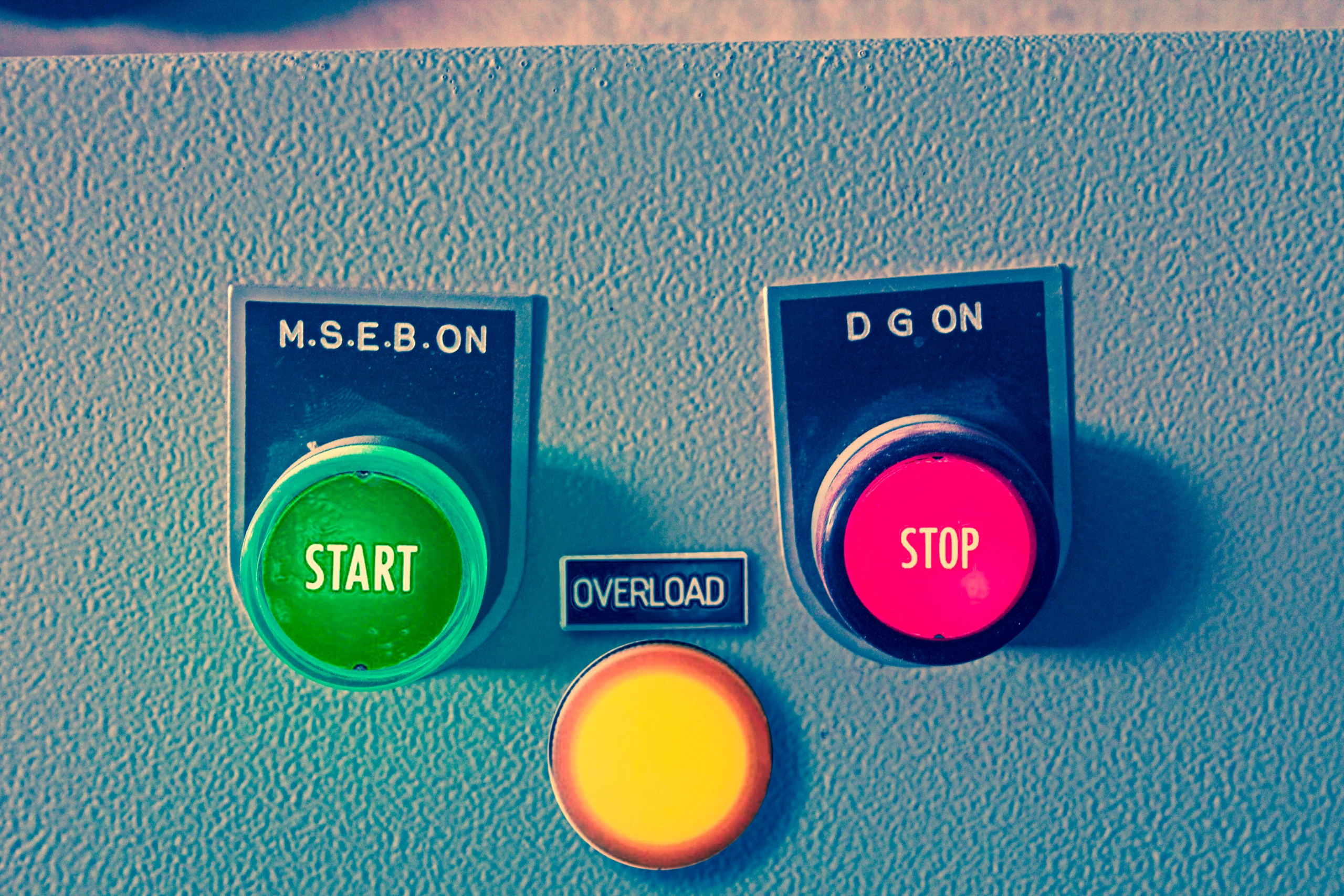
Choosing the Right Push Button
To select the right push button, follow these steps:
- Define Your Requirements: List all the specific requirements of your project. This includes electrical specifications, environmental conditions, and any aesthetic or ergonomic needs.
- Research Options: Research different types of push buttons available in the market. Compare their specifications against your requirements. Use manufacturer datasheets and product reviews to gather detailed information.
- Evaluate and Test: Get samples of the push buttons you are considering. Test them in your application to see how they perform. Pay attention to factors like ease of installation, user experience, and reliability.
- Make an Informed Decision: Choose the push button that best meets your requirements based on your evaluation. Consider not only the technical specifications but also the overall cost, availability, and support from the manufacturer.
Benefits of Partnering with Reputable Energy Brands
Partnering with reputable energy brands offers numerous benefits when sourcing push buttons and control devices. These brands are committed to quality and reliability, rigorously testing their products to meet high standards and perform well in various conditions. They invest in research and development, providing access to the latest technologies that enhance efficiency and safety.
Established brands also offer comprehensive support, including technical assistance, documentation, and training, ensuring proper installation, operation, and maintenance. Building long-term partnerships with these brands can lead to better pricing, customized solutions, and a streamlined supply chain, ultimately improving operational efficiency and reducing costs.

Make the Right Choice for Your Push Button Needs
Choosing the right push button involves considering several critical factors, such as the application environment, safety requirements, control needs, size, and design. Evaluating the specific conditions where the push button will be used and understanding the necessary safety standards is essential.
Assessing the control complexity and ergonomic requirements ensures the button fits well within the operational context. You can make a well-informed decision tailored to your project’s needs by thoroughly comparing different options.