

As technology reshapes every industry, artificial intelligence (AI) is making a powerful entrance into the world of lawn care and landscaping. What was once considered a hands-on, manual labor-intensive business is now being transformed by smart automation, data-driven decisions, and predictive tools. For landscaping business owners, embracing AI isn’t just a matter of innovation—it’s a path to greater efficiency, increased revenue, and long-term sustainability.
Table of Contents

The AI Revolution in Landscaping
According to a report by McKinsey, up to 30% of tasks in manual labor-intensive industries could be automated by 2030 with AI and machine learning. In the landscaping industry, this means automating routine maintenance, optimizing schedules, improving customer service, and even forecasting lawn health based on weather and soil data.
The U.S. landscaping services market is projected to reach $150 billion by 2025, with growth driven by rising demand for sustainability and smart technologies. AI can help small and mid-sized companies capitalize on this growth by providing scalable solutions that were once only accessible to large enterprises.
“A majority of contractors aren’t really using AI yet. We’d like to think that’s going to have a substantial impact on field operations,” says Jon Gohl, Director of Customer Experience at Aspire on the 2025 Landscape Industry Report.
Let’s explore how AI is helping lawn care and landscaping companies streamline operations, deliver better results, and grow faster.

1. Automated Scheduling and Route Optimization
Time is money in the landscaping business. Coordinating crews, managing multiple job sites, and avoiding downtime can make or break profitability. AI-powered tools like AQUIS, Verizon Connect, and OptimoRoute use real-time traffic data, customer locations, weather forecasts, and job durations to optimize schedules and routes.
Benefits:
- Reduce travel time and fuel costs by up to 25%
- Serve more customers per day
- Minimize no-shows and miscommunications
- Adjust schedules in real-time based on weather or cancellations
“Using AI-based routing has allowed us to add 2–3 additional clients per day per crew without working longer hours,” says Marco Silva, owner of GreenEdge Landscaping in Texas.
2. Smart Irrigation and Water Management
AI helps landscaping companies design and manage smarter irrigation systems. Tools like Rachio, Hydrawise (by Hunter Industries), and RainMachine leverage AI and IoT (Internet of Things) sensors to monitor soil moisture, humidity, and local weather patterns.
These systems automatically adjust watering schedules to avoid overwatering or underwatering—a key concern for both homeowners and commercial clients.
Benefits:
- Reduce water usage by up to 50%
- Comply with drought-related restrictions
- Improve lawn and plant health
- Provide clients with a “green” and eco-conscious service
A study from the EPA showed that smart irrigation systems can save over 8,800 gallons of water per household annually, which landscapers can market as a high-value, sustainability-driven upsell.
3. AI-Driven Lawn Health Diagnostics
Diagnosing problems like turf disease, weed infestation, or pest damage used to rely on the eye of an experienced technician. Now, AI image recognition tools such as Turf.ai, Scotts MyLawn App, and Plantix can analyze photos of lawns to detect issues instantly.
Some systems go even further, using drone imagery and computer vision to assess lawn conditions at scale—perfect for golf courses, parks, and large commercial properties.
Benefits:
- Detect problems early and offer proactive treatment
- Save time on in-person diagnostics
- Deliver professional-grade insights to clients
- Reduce unnecessary chemical use
“AI lets our team make smarter decisions faster,” says Jamie Carter, founder of EcoCare Lawn Solutions in Oregon. “We’ve cut down on product waste and increased customer retention with personalized care plans.”
4. Predictive Maintenance for Equipment
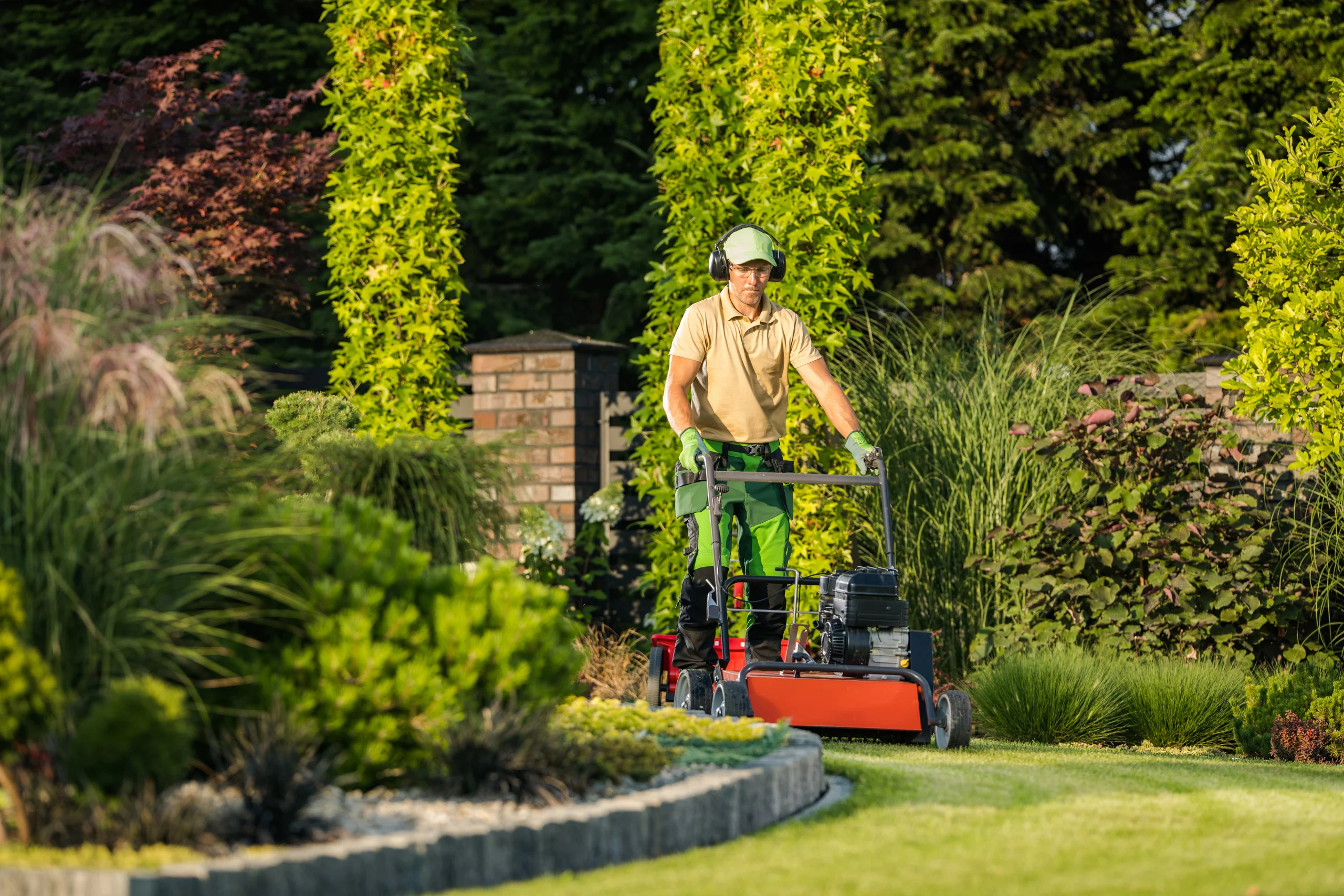
Lawn care businesses rely heavily on equipment—mowers, trimmers, blowers, trucks. Downtime can cost hundreds per day. AI-powered fleet and machinery management tools like UpKeep, Fleetio, and Zuper can predict equipment failures before they happen using usage patterns, sensor data, and historical maintenance logs.
Benefits:
- Schedule repairs before breakdowns
- Avoid costly delays and missed appointments
- Extend equipment life
- Track usage for accurate depreciation and billing
A study by Deloitte found that predictive maintenance can reduce breakdowns by 70% and lower maintenance costs by 25%. This means more uptime and smoother operations.
5. Virtual Assistants and CRM Automation
Customer relationship management is another area where AI shines. Tools like Jobber, ServiceTitan, and HubSpot CRM integrate AI-powered virtual assistants to handle client inquiries, appointment booking, invoicing, and follow-ups.
Some platforms even use machine learning to predict when a client might churn—prompting proactive outreach or loyalty rewards.
Benefits:
- Automate repetitive admin tasks
- Improve client communication and satisfaction
- Boost renewal and referral rates
- Centralize client data and preferences
“The chatbot on our website now books 40% of new client consultations without human input,” shares Dana Kim, a landscape designer in North Carolina. “That’s freed up our staff to focus on service and design.”
6. Data-Driven Business Intelligence
For owners and managers, AI transforms business data into actionable insights. Tools like QuickBooks Online with AI insights, Yardbook, and LMN (Landscape Management Network) provide dashboards that show which jobs are most profitable, which teams perform best, and how seasonal trends affect margins.
Some AI analytics tools even forecast next quarter’s demand or suggest which services to bundle for upselling.
Benefits:
- Make smarter pricing decisions
- Cut underperforming services
- Improve forecasting and staffing
- Set and track performance KPIs
“Data doesn’t lie,” says Victor Geller, a landscaping consultant. “Owners using AI analytics consistently outperform competitors who rely on gut instinct.” In fact, companies that use data-driven decision making are 5% more productive and 6% more profitable according to MIT Sloan.

7. Drones and Aerial AI Imaging
AI-enabled drones like DJI Phantom with Pix4D or Skydio X10 are gaining popularity among landscapers. These drones can map properties, monitor progress, and generate 3D terrain models that help with quoting, planning, and compliance.
For large-scale landscape architecture or HOA properties, this saves hours of manual measurements and improves project proposals.
Benefits:
- Impress clients with aerial visuals
- Spot problem areas like erosion or irrigation leaks
- Generate accurate measurements for billing
- Reduce time on site for large properties
This is especially useful for landscape architects or commercial bids. A study by DroneDeploy found that drones can reduce surveying time by 60–70% compared to traditional methods.
8. Personalized Marketing with AI
Getting and retaining clients is a constant challenge. AI marketing tools like Mailchimp AI, Jasper.ai, LocaliQ, and Meta Ads Manager with AI help lawn care businesses create smarter, more personalized marketing campaigns based on customer behavior, location, and seasonality.
ChatGPT and other LLMs can generate blog content, seasonal tips, or social media posts in minutes. AI even predicts the best times to send promotions or target high-value leads.
Benefits:
- Attract more leads through SEO and content
- Convert prospects with tailored messaging
- Spend less time writing and editing
- Boost ROI on advertising with smarter targeting
According to Salesforce, companies using AI for marketing see a 45% higher conversion rate and 37% increase in customer satisfaction.
9. AI in Hiring and Training
Hiring seasonal workers and retaining skilled labor are common pain points in the landscaping industry. AI recruiting platforms like Workstream, Hireology, and Fountain can screen resumes, automate interviews, and match candidates based on skill fit and availability.
Some tools even offer AI-based training modules to onboard new hires quickly and efficiently.
Benefits:
- Fill positions faster, especially in peak season
- Reduce hiring bias and turnover
- Automate onboarding processes
- Train workers with visual AI tutorials
“We used to take 10 days to hire a seasonal worker. Now it’s down to three,” says Olivia James of Green Horizon Maintenance. “AI saves our HR team a ton of time during the busy season.”
10. AI-Powered Design and Planning
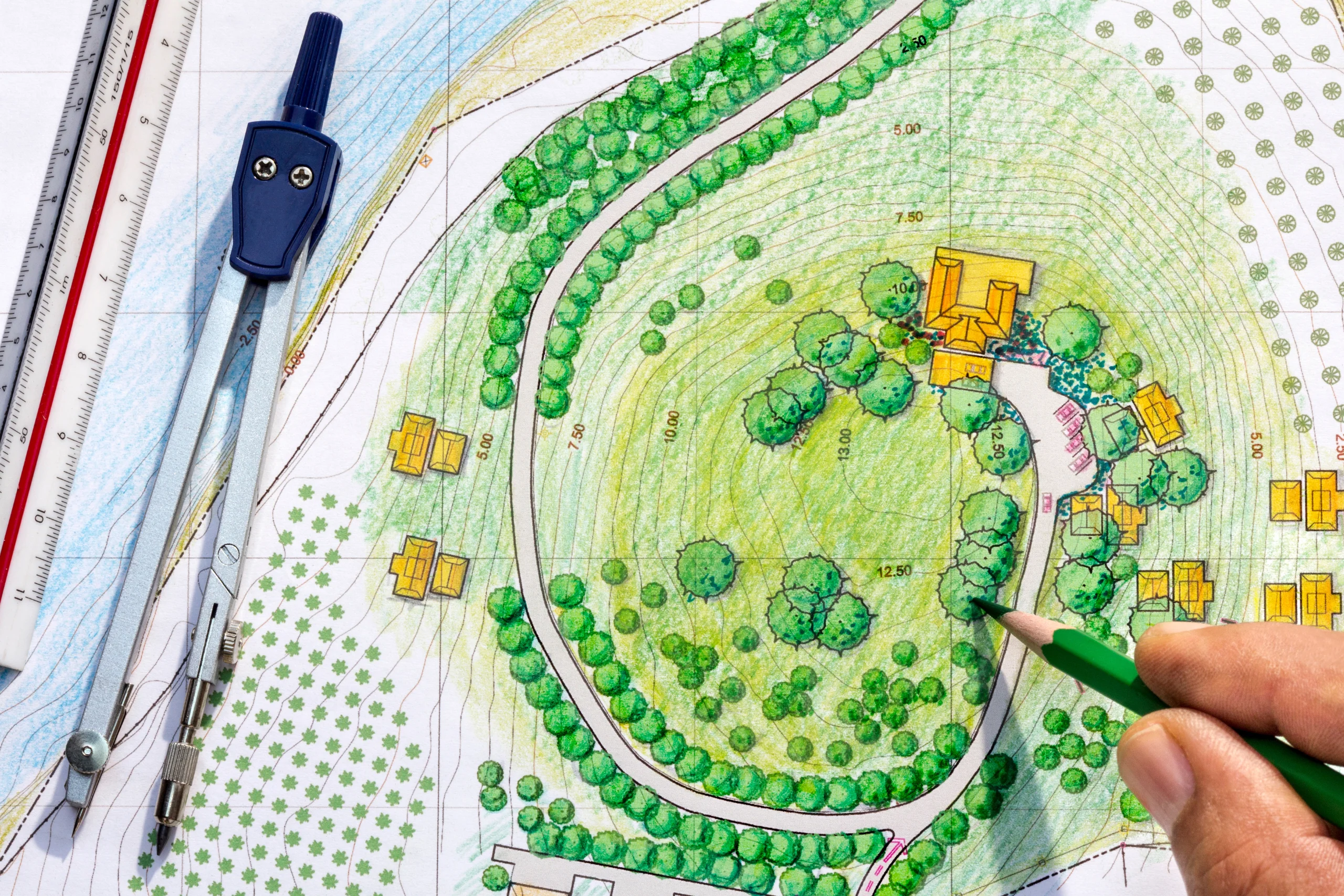
For landscaping designers, AI tools like Lands Design, Realtime Landscaping Architect, and VizTerra are revolutionizing how projects are envisioned and pitched. These programs generate photorealistic renderings, AR walkthroughs, and real-time cost estimates using AI-enhanced CAD features.
Some tools even allow clients to “see” their future yard in VR—an effective upsell for high-ticket projects.
Benefits:
- Shorten sales cycles with visual previews
- Increase approval rates for proposals
- Reduce revisions and change orders
- Create scalable design templates for repeat use
This not only elevates the client experience but also allows even small businesses to compete with larger design firms.
Conclusion: The Competitive Advantage of Embracing AI
AI is no longer reserved for tech giants or futuristic companies—it’s a practical tool that today’s lawn care and landscaping businesses can leverage for real gains. From predictive maintenance and optimized routing to customer service and intelligent design, AI is enhancing nearly every facet of the business.
Those who embrace AI early will gain a significant edge in a competitive industry. They’ll save time, serve clients better, reduce costs, and make smarter decisions.
In the words of landscaping business consultant Amanda Patel:
“The companies that integrate AI today will dominate the industry tomorrow. It’s not about replacing people—it’s about empowering your team to do more with less.”
Whether you’re running a solo lawn care operation or managing a full-service landscaping firm, AI tools can help you unlock new levels of productivity, professionalism, and profit.
Want to Get Started?
Here’s a quick starter list of tools by function:
| Business Area | Recommended AI Tools |
|---|---|
| Route Optimization | OptimoRoute, Verizon Connect |
| Smart Irrigation | Rachio, Hydrawise |
| Lawn Diagnostics | Turf.ai, Plantix |
| CRM & Admin | Jobber, ServiceTitan |
| Predictive Maintenance | UpKeep, Zuper |
| Business Intelligence | LMN, QuickBooks AI |
| Design & Planning | VizTerra, Realtime Landscaping Architect |
| Marketing | Jasper, Mailchimp AI |
| Hiring | Workstream, Fountain |
By gradually integrating these tools into your operations, you can future-proof your business and lead the landscaping industry into a smarter, greener future.
