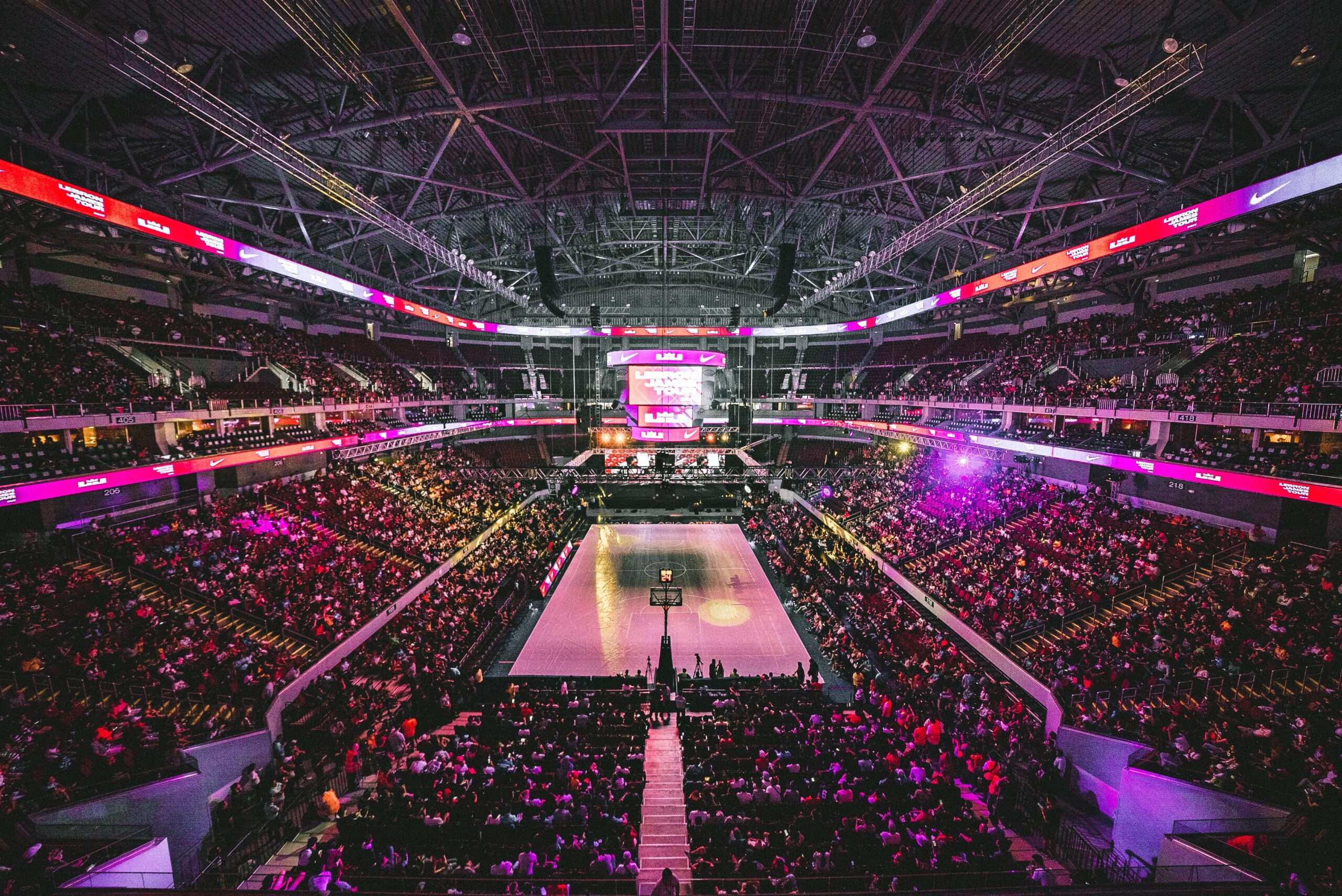
In the last few years, sporting facilities have begun introducing some major changes including smaller capacities and DMX-controlled lighting.
If you haven’t visited a stadium or an arena for a sporting event in the last few years, you will likely notice some differences when you return. Since most event spaces sat empty for an extended period of time, developers and managers spent that time working on ways to improve sports fans’ experiences. Today, we are going to be taking a look at some of the trends that are changing the way we view live sports. The demands of the fans today are vastly different than 10 or 20 years ago—so it makes sense that these facilities are making changes. Otherwise, it doesn’t take very long for a stadium to begin looking out of date. If you are interested in learning more about how sporting facilities are staying ahead of the curve when it comes to development, technology, and renovations—keep reading! We’re going over everything from DMX light controllers to enhanced fan experiences. Let’s get started!
1. Upgraded Lighting Features
Using a DMX controller, sports facilities can easily create impressive and constantly changing effects
One of the key features of any sporting facility is the lighting. Lighting is not only limited to the high-powered lights that illuminate the field, there are also lights that illuminate the outside of the stadium or arena, the concourses, the massive LED signs, and other necessary areas like restrooms. Because lighting is such an important part of sporting facility design, it is essential that these facilities have the best lighting tools available to create effective and impressive lighting throughout the property.
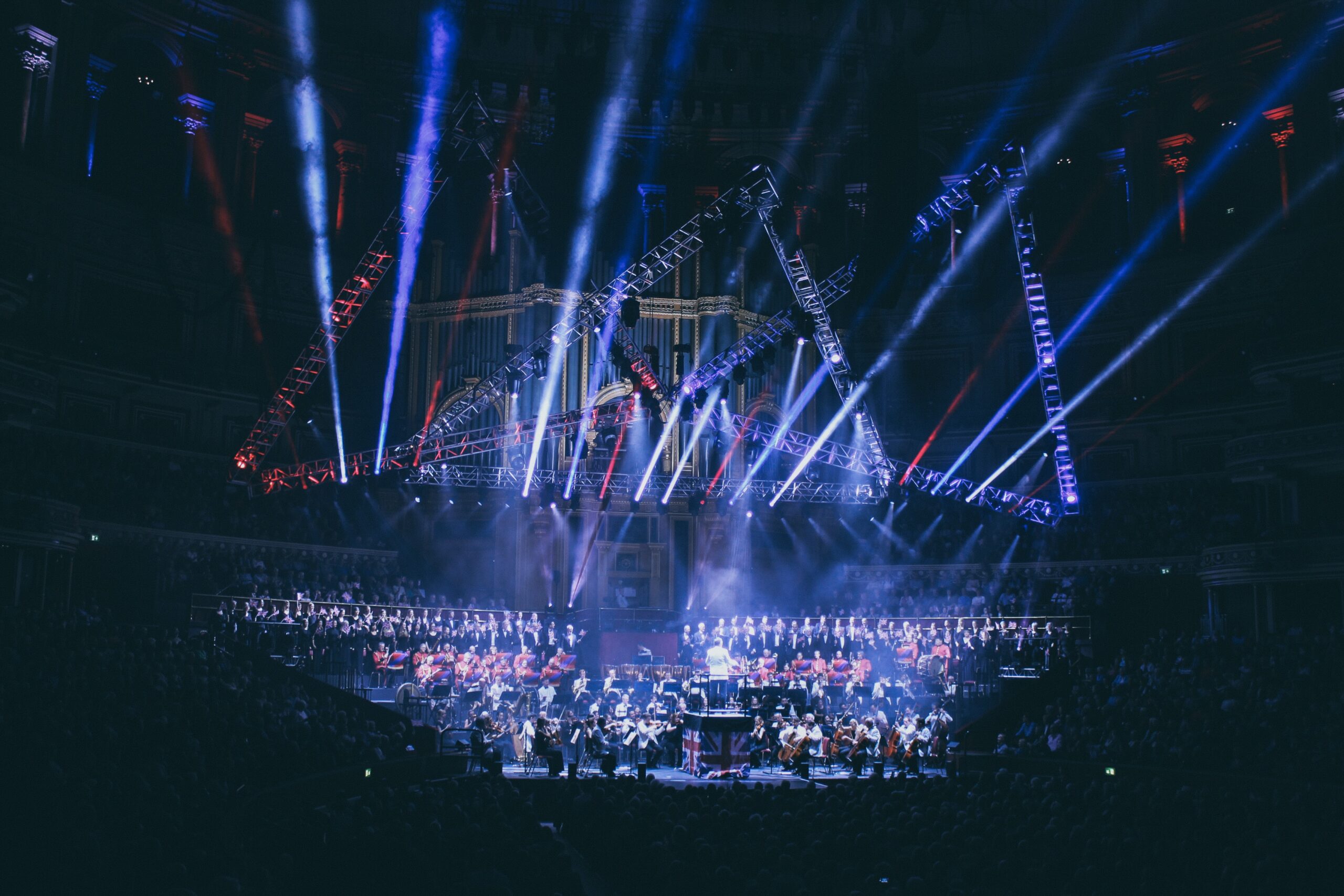
One of the ways that new builds and renovations are creating impressive lighting is by using a DMX controller. A DMX controller is a lighting control system that is manually operated by a technician. You may notice that these are the same devices that are used by lighting technicians who work with touring concerts. While DMX controllers have been used for decades for stage lighting, they are still being introduced to sporting facilities.
Using a DMX controller, a lighting technician can create lighting “scenes” that are queued up to create a full-light show. This is accomplished similarly to a DJ queuing up songs and transitioning between tracks. Using the DMX, the technician can create lighting effects that trigger when a home team scores, lighting for halftime shows, and even control exterior lighting. Since all of these commands can be sent from a single DMX, it is easy to see why so many arenas and stadiums are upgrading their lighting with the help of DMX technology.
2. Enhanced Fan Experiences
In order to encourage attendance and boost sales revenue, stadiums and arenas are cultivating unique fan experiences within the venue
In the past, fans were content to simply watch a sporting event with little to no additional draw to get them into the stadium. In recent years, that is no longer the case. While sports remain the main focus of any venue, fans have higher expectations than ever before when they enter a sporting facility. That’s why new developments and renovations alike are prioritizing fan experiences from within the venue.
In order to create a unique fan experience, there need to be more types of fan experiences. In the past, there were two kinds of seats—standard and suite seating. Nowadays, the lines between a regular seat and a suite have blurred. Recently, venues have begun introducing more restaurant and bar options—including lounge areas—for people with standard seats. This allows casual fans to try out different—often local—food options and even grab a craft beer while they attend a game. This is a far more enjoyable experience for guests than the standard limited food and beverage options offered in the past. These spaces are also perfect for fans who have purchased standing-room-only tickets.
Offering guests more areas to enjoy the game plus better food and drink options not just enhances the guest experience, it also increases revenue for the venue. If a guest purchases a low-priced ticket to a game and is presented with enticing food and drink options when they enter, they will be much more likely to spend their money once inside. Since most revenue for sports facilities comes from in-house purchases, providing unique fan experiences becomes quickly lucrative.
3. Limited Capacity
Bigger is not always necessarily better when it comes to new venue development and renovations
While arenas and stadiums in the past may have opted for pure numbers, new or newly renovated facilities are using the space in slightly different ways. This is for a number of reasons—the first we just went over in the previous section. Since fans expect unique experiences, these restaurants, bars, and lounges have to go somewhere. Increasingly, you will see space that was formerly used for seating renovated into spaces where guests can enjoy the game away from their seats.
There are also no barriers that require that venues be at a certain capacity in order to host special events like touring concerts. Because these requirements no longer apply, developers are able to cut the number of seats and can avoid having a large amount of empty seats for some events.
It should also be noted that just because there is limited capacity does not mean that the venues are shrinking in size. In reality, the use of space within the venues has changed. By trading out the number of seats in favor of more restaurants and lounge areas, venues have seen increased revenue streams.
4. Environmental Sustainability
As sports facilities upgrade parts of their infrastructure, developers prioritize environmental sustainability and energy conservation
Now more than ever, large commercial buildings are searching for ways to save energy and minimize their impact on the environment. In order to meet their environmental sustainability goals, there are a few steps that many venues are taking as they are being built/renovated. The first step is to cut down on the energy used to light the facility. To minimize lighting energy consumption, arenas and stadiums are replacing all of their lights with LEDs. These days, fluorescent light just isn’t when it comes to lighting quality and efficiency, so they are being quickly phased out in most venues.
It is also important that sports facilities take into account carbon emissions created by encouraging car dependency. Older stadiums were characterized by their massive parking lots that dwarfed the actual venue. These days, we are seeing much more limited parking for new facilities. To make up for the lack of parking, venues are being built next to major public transportation centers. In an effort to limit car traffic coming to existing facilities, more bike racks are being installed and infrastructure developments are taking place that encourages people to walk or bike to the venue. While it is impossible to prevent the majority of guests from coming by car, there are steps that these venues can take to encourage other—less harmful—methods of transportation.
In order to keep their major tenants & teams, all existing stadiums will require some form of renovation in the coming years—if they haven’t already begun renovations. As the world changes and fan behavior changes, sporting venues need to change too. Unfortunately, history has shown that venues that don’t change end up being quickly replaced by a newer space that is more up-to-date.