Efficient warehouse storage is a cornerstone of successful supply chain management. As businesses strive to meet increasing demands and reduce operational costs, optimizing storage solutions becomes imperative. Implementing the right strategies can lead to better space utilization, enhanced productivity, and improved inventory management.
This blog explores the top solutions for warehouse storage optimization, providing actionable insights to transform your warehouse operations.
Table of Contents
Maximizing Vertical Space
Maximizing vertical space is one of the most effective ways to optimize warehouse storage. Warehouses often have high ceilings that remain underutilized, leading to wasted potential. By installing tall shelving units or mezzanine floors, businesses can significantly increase their storage capacity without expanding the warehouse footprint. Investing in robust systems to buy heavy-duty lockers can support heavier inventory items safely, ensuring that vertical installations are both practical and secure. Properly utilizing vertical space not only frees up floor area but also organizes inventory in a more accessible manner. Incorporating adjustable shelving allows for flexibility in storing items of varying heights, ensuring that every level is used efficiently.
Implementing Efficient Inventory Management Systems
Utilizing advanced inventory management systems helps in tracking stock levels accurately, reducing overstocking or stockouts. These systems provide real-time data, enabling better decision-making regarding inventory placement and replenishment. By categorizing items based on their turnover rates and demand patterns, warehouses can organize products in a manner that minimizes retrieval time and maximizes storage efficiency. Automation in inventory management also reduces human error, ensuring that storage space is used optimally. Integrating these systems with barcode scanners and RFID technology can further enhance accuracy in tracking inventory movement.

Adopting Modular Storage Solutions
Modular storage solutions offer flexibility and scalability, making them ideal for warehouses with varying storage needs. These systems consist of interchangeable components that can be reconfigured as inventory requirements change. For instance, adjustable shelving units and movable racks allow warehouses to adapt to different product sizes and quantities without significant downtime or investment. Modular solutions also facilitate easy maintenance and upgrades, ensuring that the storage infrastructure remains aligned with the evolving business needs. This adaptability is key to maintaining an organized and efficient warehouse environment. Modular storage can be tailored to specific workflows, such as segregating areas for bulk storage or fragile goods.
Utilizing Automated Retrieval Systems
Automated retrieval systems, such as conveyor belts, automated guided vehicles (AGVs), and robotic picking systems, streamline the process of moving goods within the warehouse. These technologies reduce the reliance on manual labor, decrease retrieval times, and minimize the risk of errors. By integrating automated systems with inventory management software, warehouses can ensure that items are stored and retrieved in the most efficient manner possible. This enhances storage capacity and boosts overall operational productivity. Automated systems can handle repetitive tasks, allowing human workers to focus on more complex activities that require decision-making and problem-solving skills.
Streamlining Workflow Processes
Optimizing warehouse storage is not just about the physical arrangement of items; it also involves refining the workflow processes within the warehouse. Analyzing and redesigning workflows can identify bottlenecks and inefficiencies that hinder storage optimization. Implementing standardized procedures for receiving, storing, and dispatching goods ensures a smooth and organized flow of inventory. Training staff to follow these streamlined processes can lead to better utilization of storage space and reduce the time spent on handling products. Efficient workflows contribute to a more organized warehouse, facilitating easier access to stored items and enhancing overall storage effectiveness. Employing lean management principles can help eliminate wasteful practices and improve process efficiency.
Optimizing Aisle Layout and Space
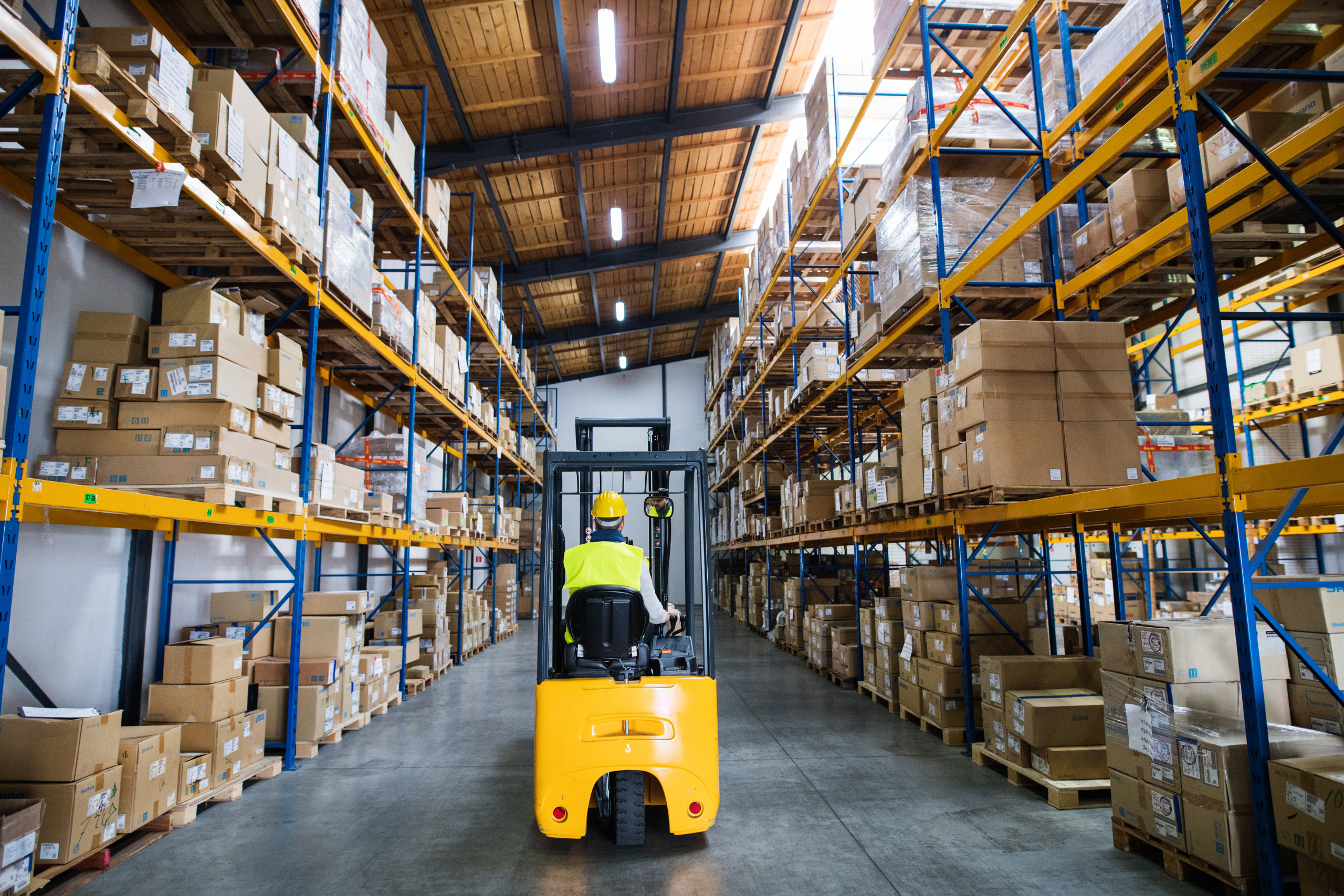
The layout of aisles within a warehouse significantly impacts storage efficiency and operational flow. Designing aisles that are wide enough to accommodate equipment like forklifts while minimizing unnecessary space can lead to better storage capacity. Implementing a logical layout, where high-demand items are placed in easily accessible locations, reduces retrieval times and improves workflow efficiency. Adopting narrow aisle storage systems can further maximize space utilization by allowing more shelving units within the same floor area. Careful planning of aisle layouts ensures that every inch of the warehouse is used effectively, contributing to overall warehouse storage optimization. Incorporating zone-based layouts, where different areas of the warehouse are designated for specific types of products, can enhance organization and retrieval speed.
Optimizing warehouse storage involves a combination of strategic planning, advanced technology, and efficient processes. By maximizing vertical space, implementing robust inventory management systems, adopting modular storage solutions, utilizing automated retrieval systems, streamlining workflow processes, and optimizing aisle layouts, warehouses can significantly enhance their storage efficiency.
These warehouse storage solutions improve space utilization boost productivity and reduce operational costs. As businesses continue to evolve, investing in these top storage optimization strategies will be essential for maintaining a competitive advantage and ensuring seamless supply chain operations. Embracing these approaches enables warehouses to respond dynamically to changing demands, support business growth, and achieve long-term operational success.