
In the bustling landscape of modern business operations, companies like Barge Design Solutions understand that data centers are the vital organs of the digital age, housing the servers and networking equipment that power our interconnected world. Yet, these powerhouses of information come with a significant footprint – the physical space they occupy.
Optimizing this space is not just about squeezing in more servers; it’s about enhancing operational efficiency, reducing costs, and ensuring the data center can adapt to future demands. This article delves into the strategies and innovations that are redefining data center space utilization and efficiency.
Table of Contents
Understanding the Data Center Footprint
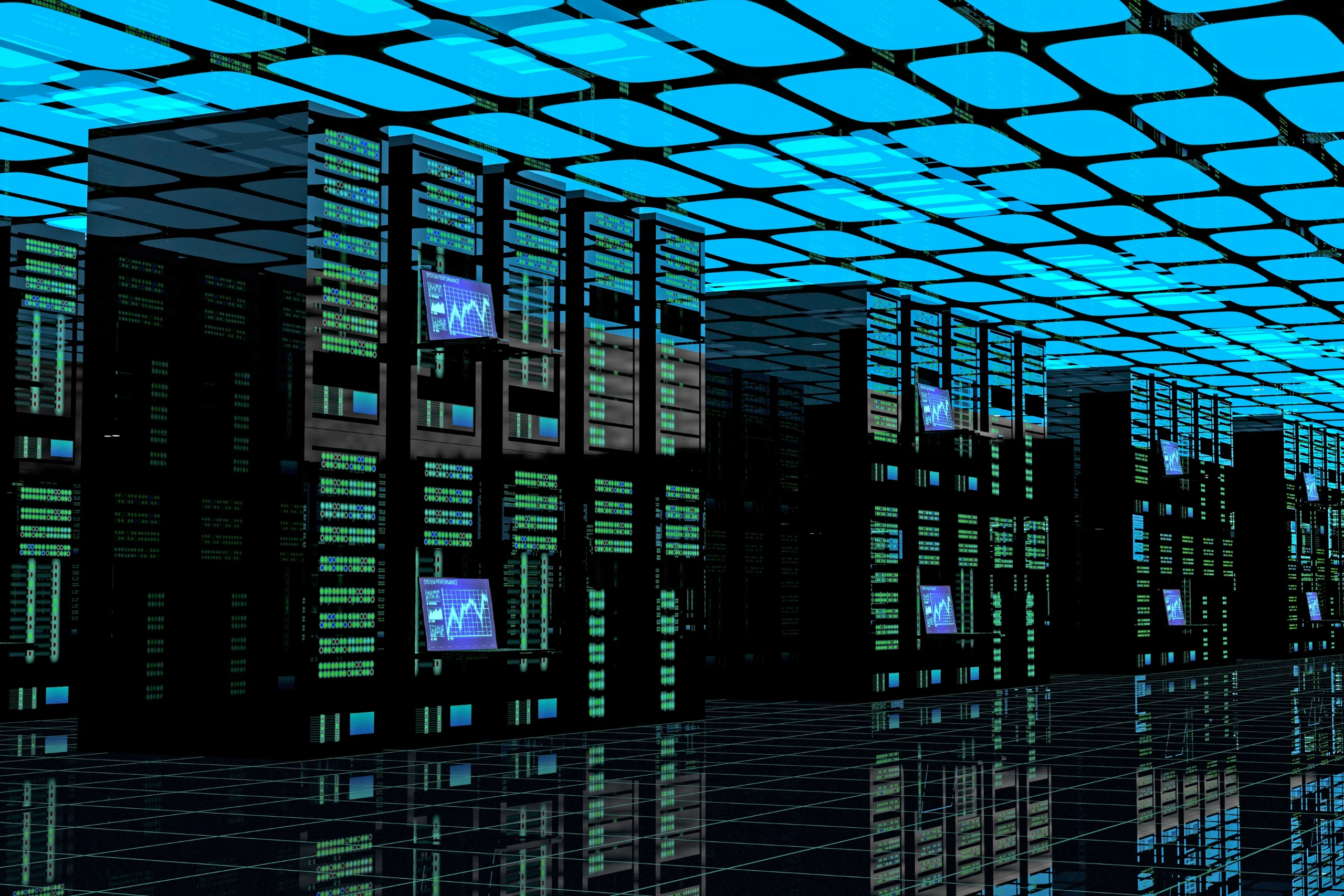
The data center footprint isn’t just about the obvious elements like server racks and cooling units. It encompasses the entire area occupied by the facility, including but not limited to server rooms where the computational magic happens, storage areas housing massive volumes of data, and spaces dedicated to cooling equipment that keeps everything running smoothly. It also includes the critical power infrastructure that supplies the lifeblood of the data center.
Additionally, the footprint extends to less conspicuous components such as intricate cabling systems that connect the various components, the racks that house servers and other equipment, and even the office spaces for the IT professionals who manage and maintain the data center’s complex operations.
Optimizing the data center footprint is crucial for several reasons:
- Cost Reduction: Efficient use of space minimizes real estate costs, cooling expenses, and energy consumption.
- Scalability: A well-planned footprint allows for seamless expansion as business needs grow.
- Operational Efficiency: Optimized layouts improve airflow, cable management, and accessibility, leading to smoother operations and maintenance.
- Sustainability: A smaller footprint translates to a reduced environmental impact, aligning with green initiatives.

Strategies for Optimizing Data Center Space
Intelligent Rack Design and Placement
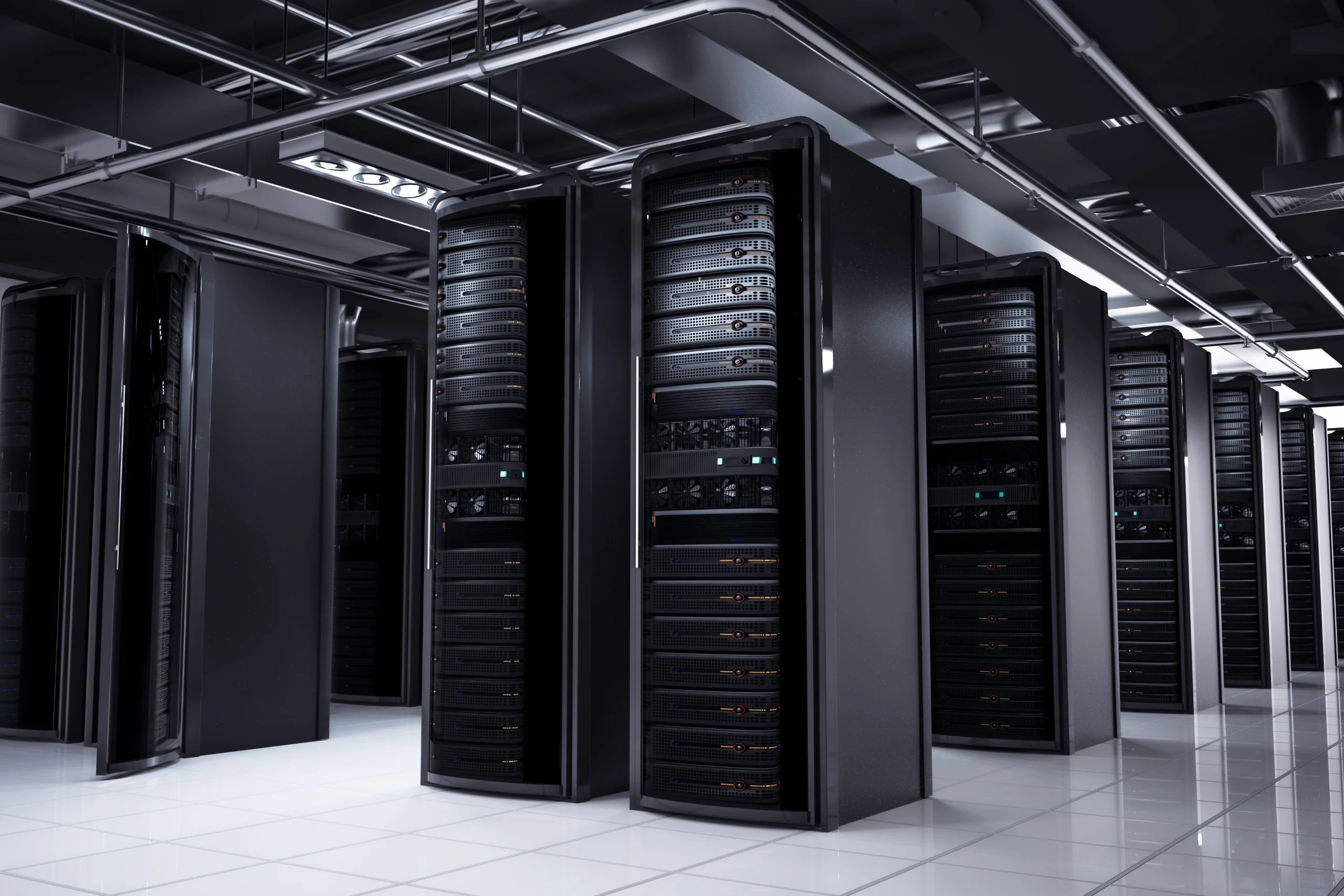
Rack design and placement are pivotal in maximizing space utilization. High-density racks, which can house more servers per unit of floor space, are becoming increasingly popular. However, their deployment necessitates careful consideration of airflow and cooling to prevent overheating. Hot/cold aisle containment is a strategy that involves separating hot exhaust air from cold intake air, thereby enhancing cooling efficiency and allowing for higher rack densities.
Another approach is vertical rack expansion, where racks are built upwards instead of outwards. While this saves valuable floor space, it requires robust infrastructure for power distribution and cooling to ensure optimal performance.
Efficient Cooling Solutions
Cooling is a major consumer of energy and space in data centers. Liquid cooling, where servers are submerged in specialized dielectric fluids, has emerged as a highly efficient alternative to traditional air cooling. It allows for greater heat dissipation in a smaller space, enabling higher density configurations and reducing the overall footprint.
Free cooling, a technique that leverages the ambient air for cooling, can significantly reduce the reliance on energy-intensive mechanical cooling systems. This is particularly effective in colder climates where the outside air can be used to cool the data center for a significant portion of the year. Additionally, AI-driven cooling systems are gaining traction, as they can optimize cooling based on real-time data, ensuring efficient cooling without wasting energy.
Smart Power Distribution
Efficient power distribution is essential for minimizing the data center’s footprint. Busway systems, which consist of enclosed conductors for distributing power, offer a flexible and space-saving alternative to traditional cable trays. They allow for easy expansion and reconfiguration, simplifying the process of adding or removing servers. Modular Power Distribution Units (PDUs) are another innovation that allows for granular power management and monitoring at the rack level.
This maximizes efficiency and flexibility, ensuring that power is delivered where it’s needed most. Furthermore, the use of high-efficiency transformers is crucial. Modern transformers minimize energy loss and generate less heat, contributing to a smaller cooling footprint and overall energy savings.
Consolidating and Virtualizing Infrastructure
Consolidation and virtualization are powerful strategies for reducing the physical footprint of data center infrastructure. Server virtualization involves consolidating multiple virtual servers onto a single physical server. This drastically reduces the number of physical machines needed, saving valuable rack space and energy.
Storage Area Networks (SANs) centralize storage resources, eliminating the need for dedicated storage in each rack. This not only saves space but also simplifies storage management and improves data accessibility. Hyperconverged Infrastructure (HCI) takes consolidation a step further by integrating compute, storage, and networking into a single platform. This streamlines infrastructure, reduces complexity, and frees up valuable space.
Embracing Modular Data Center Design
Modular data centers are a game-changer in terms of space optimization and deployment speed. They consist of pre-engineered units that can be quickly deployed and scaled as needed. This eliminates the lengthy construction timelines associated with traditional data centers, allowing businesses to respond to changing needs more rapidly. The modular nature of these designs enables incremental expansion, ensuring that the data center can adapt to evolving requirements without undergoing major renovations or relocation.
Additionally, modular data centers offer a greater degree of flexibility and agility. They can be relocated or repurposed more easily than traditional facilities, making them an attractive option for businesses with dynamic needs.
Data Center Engineering in the Cloud Era
The rise of cloud computing has had a profound impact on data center engineering. With many businesses opting to migrate their workloads to cloud providers, the need for massive on-premises data centers has diminished in some cases. This has led to a re-evaluation of data center space requirements. While on-premises data centers remain vital for certain applications and data security concerns, their footprints may evolve to accommodate hybrid cloud environments, where workloads are distributed between on-premises and cloud infrastructure.
Conclusion
In the ever-evolving landscape of data centers, the footprint is no longer a fixed metric; it’s a dynamic challenge that necessitates creative and adaptive solutions. By embracing intelligent design principles, cutting-edge technologies, and novel approaches like Barge Design Solutions Huntsville AL, data centers can achieve unprecedented levels of space utilization and efficiency. This not only translates to significant cost savings and enhanced operational agility but also contributes to a more sustainable and environmentally conscious approach to data center management.
As our reliance on data continues to surge, the optimization of data center footprints will remain a paramount concern, ensuring that these vital hubs can meet the demands of our increasingly digital world while minimizing their impact on the environment.