

Operating a business requires more than just innovative concepts. Operating a business requires sustained energy together with strategic planning, and flexible adaptation. The most essential aspect of running a business is working smarter. Efficiency doesn’t mean cutting corners. Business success requires maximum utilization of time alongside resources and human capital. A business that functions efficiently produces better outcomes. The following eight methods will help organizations achieve better efficiency throughout their operations.
Table of Contents

1. Rethink Daily Routines
Most organizations remain trapped within established patterns. People maintain routines because they have always followed this pattern. This can hold a team back. Examine the daily operations. The organization faces delays with specific tasks. Do the meetings your organization conducts provide any meaningful value? It’s worth reviewing routines often. Small modifications in work processes create time savings and minimize unnecessary work. The methods that proved successful during the previous year might not represent optimal solutions for current circumstances.
2. Simplify Communication
Long email chains. Unclear messages. Missed calls. All of these things slow down your business. Communication needs to be clear, quick, and useful. Using the right tools can help. Messaging apps, video calls, and shared documents allow teams to stay on the same page. Keep messages short and to the point. This avoids confusion and cuts down on time spent repeating things. The less time spent talking in circles, the more time there is for real work.
3. Embrace the Right Technology
Not every piece of tech is worth it. However, the right tools can save time and reduce effort. Software that automates tasks helps track projects or improves customer service and can bring real results. In many industries, machines are also playing a bigger role. For example, a laser machine in a workshop can speed up production and reduce waste. The right equipment, used well, can make a big difference without needing extra hands.

4. Train Staff on the Smart Way
Training takes time. But not training takes even more. Employees who don’t know how to do something will either make mistakes or keep asking for help. That slows everything down. Giving clear, simple training helps teams feel confident and work faster. It also builds trust. People are more likely to care about their work when they feel supported. Make training a habit, not a one-time thing. It should grow with the team.
5. Set Clear Priorities
Not everything matters equally. Some tasks move the business forward. Others are just noise. Without clear priorities, teams waste time on the wrong things. Leaders should lay out what’s most important each week or month. This helps everyone stay focused. It also keeps people from feeling overwhelmed. A list of ten key goals works better than a list of a hundred small ones. The clearer the target, the faster a team can move.
6. Cut Out Clutter
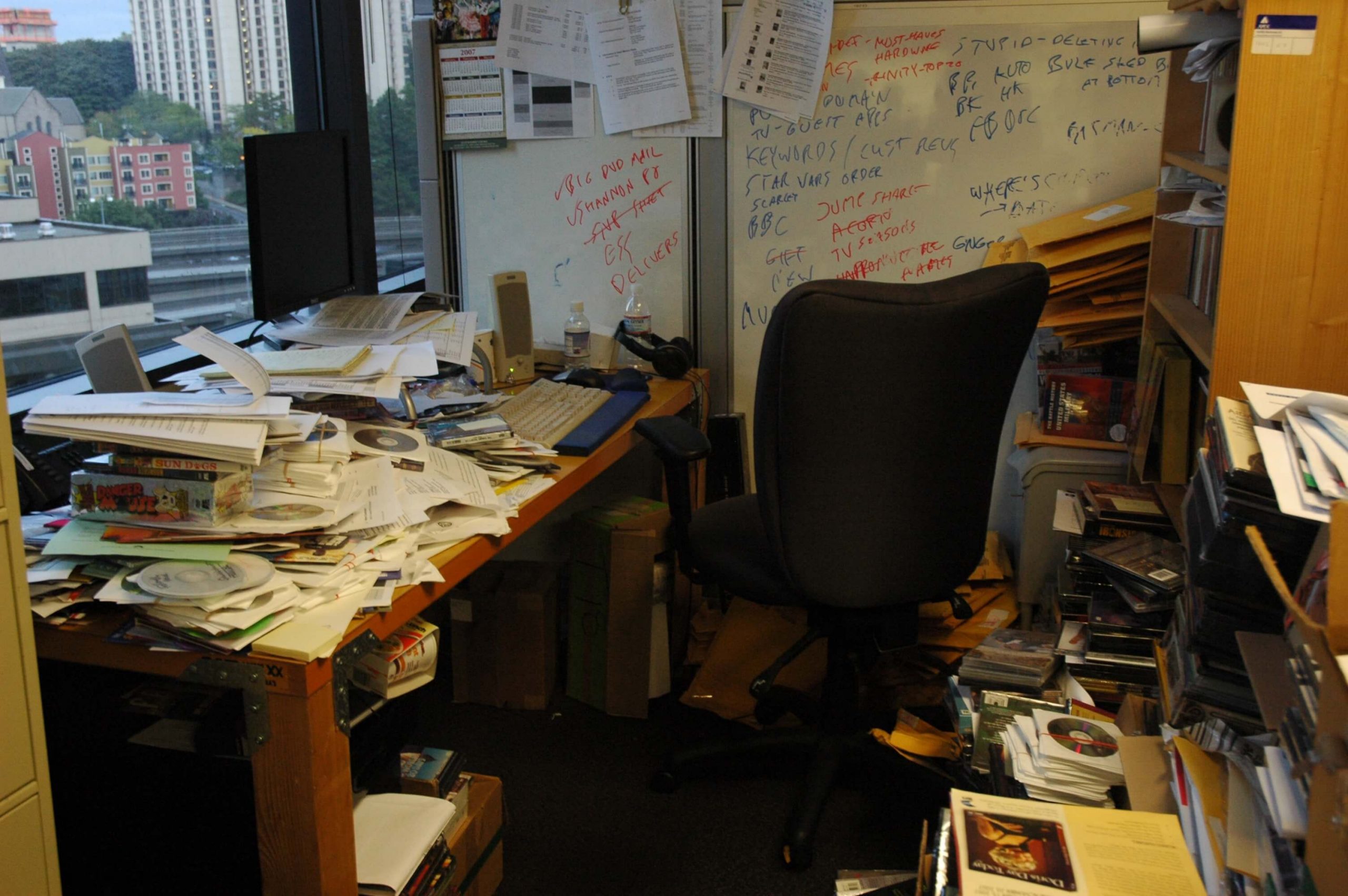
Physical clutter causes mental clutter. A messy office or shop slows things down. People spend time looking for tools or paperwork. They feel distracted. Keeping the space clean and organized helps people stay on task. It also creates a more professional feel. The same goes for digital clutter. Too many apps or files make it hard to focus. Cleaning up the work environment—both physical and digital—creates space for better work.
7. Encourage Breaks
It might seem like non-stop work means more gets done. But that’s not true. Tired minds make more mistakes. They take longer to complete tasks. Short, regular breaks can increase productivity. They help reset the brain. A quick walk, a moment of fresh air, or even just standing up can make a big difference. People come back sharper and more focused. A rested team is a more efficient one.
8. Listen and Adapt
Feedback is one of the most useful tools for any business. Ask employees what’s slowing them down. Listen to what customers say. Then, act on that feedback. No one knows the weak spots better than the people dealing with them every day. A good idea from a team member can lead to big changes. Staying open to improvement keeps the business moving forward. Even if something has worked for years, it might be time to shift.
Conclusion
Efficiency is not about doing more. It’s about doing better. The strongest businesses are not always the busiest. They are the ones who know where to focus their time and effort. With smarter tools, clear priorities, and strong teamwork, things start to move faster and smoother. The result isn’t just better work. It’s a better workplace.
