

If you’re running a small business, you’re likely wearing many hats—owner, marketer, operations manager, customer service rep, and more. With so much on your plate, it’s easy to lose sight of what’s working and what’s not. That’s where KPIs, or Key Performance Indicators, come in. These powerful tools can help you make better decisions, focus your time and resources, and ultimately grow your business faster and smarter.
In this article, we’ll walk you through what KPIs are, why they matter, and how using them effectively can transform your small business.
Table of Contents

What Is a KPI?
A Key Performance Indicator (KPI) is a measurable value that shows how effectively your business is achieving key objectives. Think of KPIs as your business’s vital signs—just like a doctor checks your heartbeat or blood pressure to assess your health, a business owner can use KPIs to evaluate performance across sales, marketing, operations, finances, and customer service.
KPIs vary depending on your industry, goals, and business size. For example:
- A retail business might track “average transaction value” or “inventory turnover rate.”
- A service business may focus on “customer satisfaction score” or “project delivery time.”
- An online store might monitor “conversion rate” or “cart abandonment rate.”
The key is to choose KPIs that align with your goals—otherwise, they become noise instead of insight.
Why KPIs Matter for Small Businesses
Large companies have departments full of analysts and dashboards to track performance. But for small businesses, KPIs are even more critical. Why? Because every decision you make has a direct and immediate impact on your bottom line.
Here’s how KPIs help small businesses thrive:
- They offer clarity. KPIs cut through the clutter and help you focus on what matters most.
- They support data-driven decisions. Instead of guessing, you can base your next move on real results.
- They save time and money. You’ll be able to identify inefficiencies and stop wasting resources.
- They improve accountability. When your team knows what’s being measured, they work with greater intention.
- They highlight growth opportunities. KPIs can reveal trends and patterns that open new doors for your business.
Whether you’re just starting out or scaling up, tracking the right KPIs can make or break your business.

1. KPIs Keep Your Goals Clear
Every business starts with goals, but staying focused is often the hard part. KPIs are like a GPS system that keeps you headed in the right direction. They break down your big vision into measurable steps, so you know whether you’re making progress or drifting off course.
For instance, if your goal is to grow your email list by 25% this quarter, you can track:
- Number of new subscribers per week
- Conversion rates from landing pages
- Open and click-through rates from your campaigns
These metrics make it clear what’s working and what needs adjustment. More importantly, they help you turn long-term goals into short-term, actionable steps.
2. KPIs Encourage Team Alignment and Collaboration
Running a business isn’t a solo sport. Your team, whether it’s two people or twenty, needs to be aligned with your goals. KPIs are a great communication tool to make sure everyone knows what they’re working toward and how success is being measured.
When team members can track their own performance, they feel more engaged and responsible. They also understand how their role connects to the bigger picture. For example:
- A customer support rep might track “first response time.”
- A salesperson could monitor “monthly closed deals.”
- A social media manager might focus on “engagement rate.”
This visibility boosts morale and drives collaboration, especially when everyone is pulling in the same direction.

3. KPIs Help You Learn, Adapt, and Evolve
Success is rarely a straight line. In business, things change—customer behavior, market trends, even your own goals. KPIs help you navigate this uncertainty.
By tracking performance over time, you’ll start to notice what’s consistently working and what’s falling flat. More importantly, when a strategy doesn’t pan out, KPIs help you figure out why.
Say you launched a new ad campaign, but it didn’t lead to more sales. Instead of scrapping it entirely, you can dive into related KPIs:
- Did your ad get enough impressions?
- Was the click-through rate low?
- Did users leave the site quickly?
This kind of insight helps you pivot quickly instead of wasting time guessing.
4. KPIs Reveal Hidden Trends and Opportunities
Sometimes, the most powerful insights come from patterns you didn’t even know to look for. KPIs can uncover trends that open your eyes to what your business really needs.
For example, if customer churn is slowly increasing month after month, you may realize it’s time to invest in better customer service or a loyalty program. Or if your average order size is rising, it might be worth exploring upsell strategies.
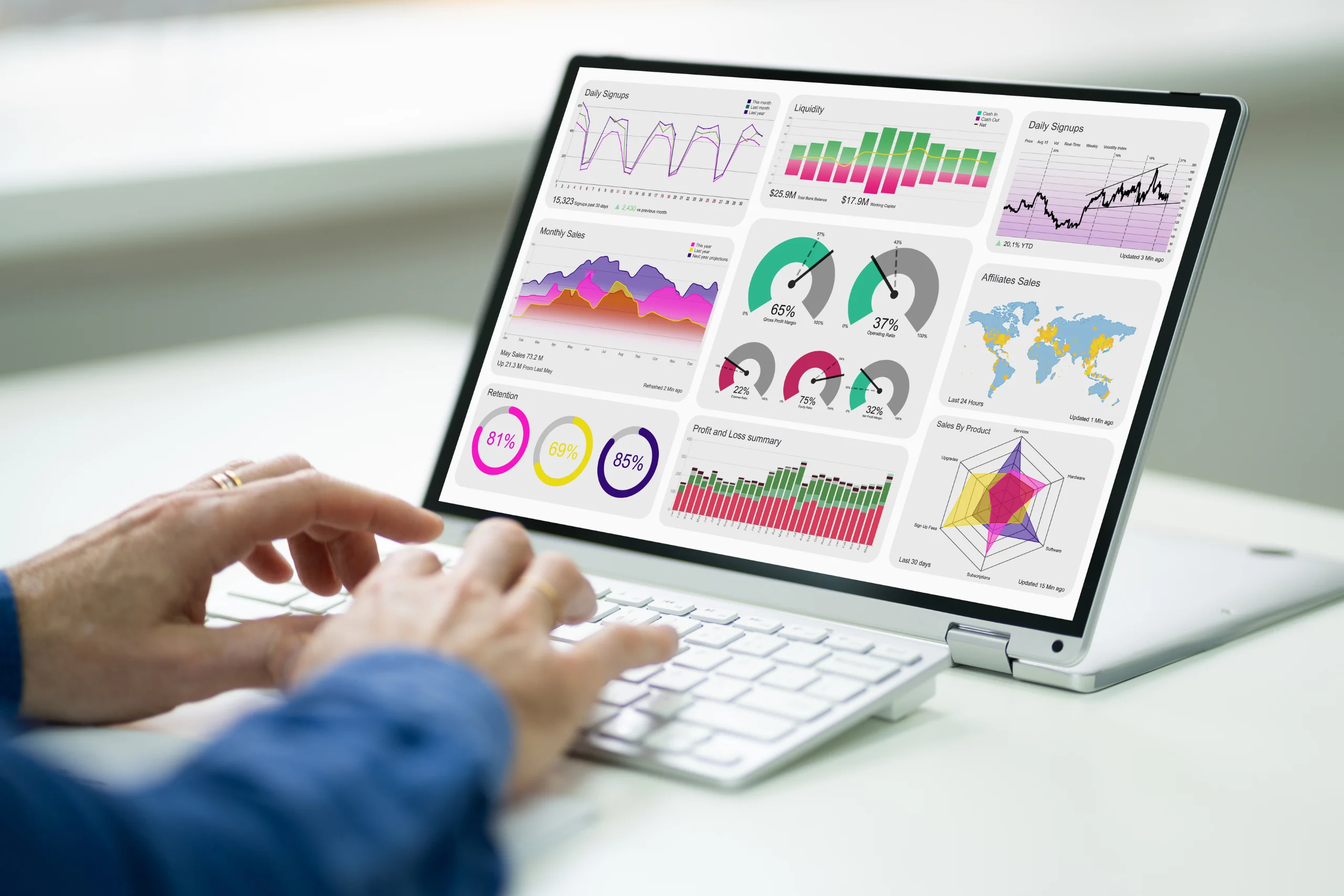
Modern KPI dashboards often include data visualization tools that make it easier to spot these trends. When paired with instinct and experience, they become a superpower for proactive business growth.
5. KPIs Offer a Comprehensive View When Combined
KPIs don’t exist in isolation: they’re most powerful when you combine them for a big-picture view. A well-balanced dashboard can give you real-time insights into how every part of your business is performing.
Let’s say your revenue is down. Alone, that number doesn’t tell you much. But when you combine it with other KPIs like website traffic, conversion rate, customer lifetime value, and customer satisfaction, you begin to see the story unfold:
- Traffic might be steady, but conversions are low (suggesting a landing page problem)
- Customer satisfaction might have dropped (indicating an issue with product or service)
- Average order value might be falling (pointing to missed upsell opportunities)
This interconnected view gives you the clarity and confidence to take the right action quickly.
How to Choose the Right KPIs
One of the biggest mistakes small businesses make is tracking too many KPIs—or the wrong ones. To avoid overwhelm, focus on KPIs that align directly with your business goals.
Here’s a simple checklist to choose the right KPIs:
- Are they relevant to your current goals?
- Can you actually measure them accurately?
- Do they give you actionable insights?
- Are they easy to understand and communicate to your team?
And remember: KPIs aren’t set in stone. As your business evolves, so should your metrics.
How to Track KPIs Without Fancy Tools
You don’t need an expensive business intelligence system to start tracking KPIs. Here are some accessible options for small businesses:
- Google Sheets or Excel: Great for customized tracking and trend visualization
- Google Analytics: Ideal for website and eCommerce KPIs
- HubSpot CRM: Free tools for tracking sales and marketing metrics
- Trello or Asana: Use simple project boards to track KPIs across departments
The key is consistency. Measure your KPIs regularly—weekly, monthly, or quarterly—and use them to guide your decisions.
Final Thoughts: KPIs Aren’t Just for Corporations
KPIs might sound like corporate jargon, but in reality, they’re the secret weapon of many successful small businesses. Whether you’re a solo entrepreneur or managing a growing team, KPIs help you stay focused, make smarter decisions, and create a business that grows with intention.
Start small. Choose a few KPIs that reflect your most important goals. Track them consistently. And most importantly—use them. Because knowing what’s happening in your business isn’t enough. Growth comes from what you do with that information.
FAQ: Frequently Asked Questions About KPIs
What’s the difference between a KPI and a metric?
While the terms are often used interchangeably, there’s a key difference. A metric is any quantifiable measure of business activity, like website visitors or social media followers. A KPI, on the other hand, is a strategic metric that directly reflects progress toward a business goal. For example, if your goal is to improve customer satisfaction, then your customer satisfaction score would be a KPI. Meanwhile, the number of customer service tickets closed might be a supporting metric. In other words, all KPIs are metrics, but not all metrics are KPIs. The distinction matters because tracking dozens of random metrics can lead to analysis paralysis. Focus on the few KPIs that truly move your business forward.
What are the most important KPIs for small businesses to track?
The most important KPIs for a small business depend on your industry and goals, but a few core ones apply to most businesses. These include revenue growth, net profit margin, customer acquisition cost, customer lifetime value, and conversion rates. For service-based businesses, tracking customer satisfaction and average response time can be critical. E-commerce businesses may prioritize cart abandonment rate or average order value. Start with 3–5 KPIs that align closely with your goals and are easy to measure. As your business evolves, revisit and update your KPI list to ensure you’re always focusing on what truly matters.
How often should I review my KPIs?
The frequency of reviewing KPIs depends on the nature of your business and the metric itself. Sales KPIs, like daily revenue or leads generated, may benefit from weekly reviews, while long-term goals like customer lifetime value or annual growth may only need monthly or quarterly evaluations. As a general rule, it’s good practice to schedule KPI reviews at consistent intervals—whether weekly, monthly, or quarterly—and use those sessions to identify trends, make decisions, and plan action steps. Consistency is key. The more regularly you check in, the faster you can respond to opportunities or correct course if things go off track.
Can KPIs help identify problems in my business before they escalate?
Absolutely. One of the biggest advantages of using KPIs is that they help you detect issues early—before they become costly problems. For example, a sudden dip in website traffic could indicate a broken link or SEO issue, while a rising churn rate might signal a customer service problem. By consistently tracking performance metrics, you get a “real-time health check” of your business. When something starts to go wrong, your KPIs will often show the first signs. This gives you the chance to troubleshoot and fix the problem early, saving time, money, and reputation in the long run.
Can I use KPIs even if I run a solo business?
Yes—KPIs are just as useful (if not more) for solo entrepreneurs. When you’re managing everything alone, it’s easy to get overwhelmed or waste time on low-impact tasks. KPIs help you stay focused on what truly drives growth. For example, if your goal is to grow your freelance design business, you might track client retention rate, average project value, or hours billed versus worked. By reviewing these regularly, you can see where your time and effort are best spent—and where you’re leaving money on the table. KPIs give solo entrepreneurs structure, direction, and clarity without needing a big team or budget.
Originally published on January 4, 2022, and updated on June 15, 2025.
