

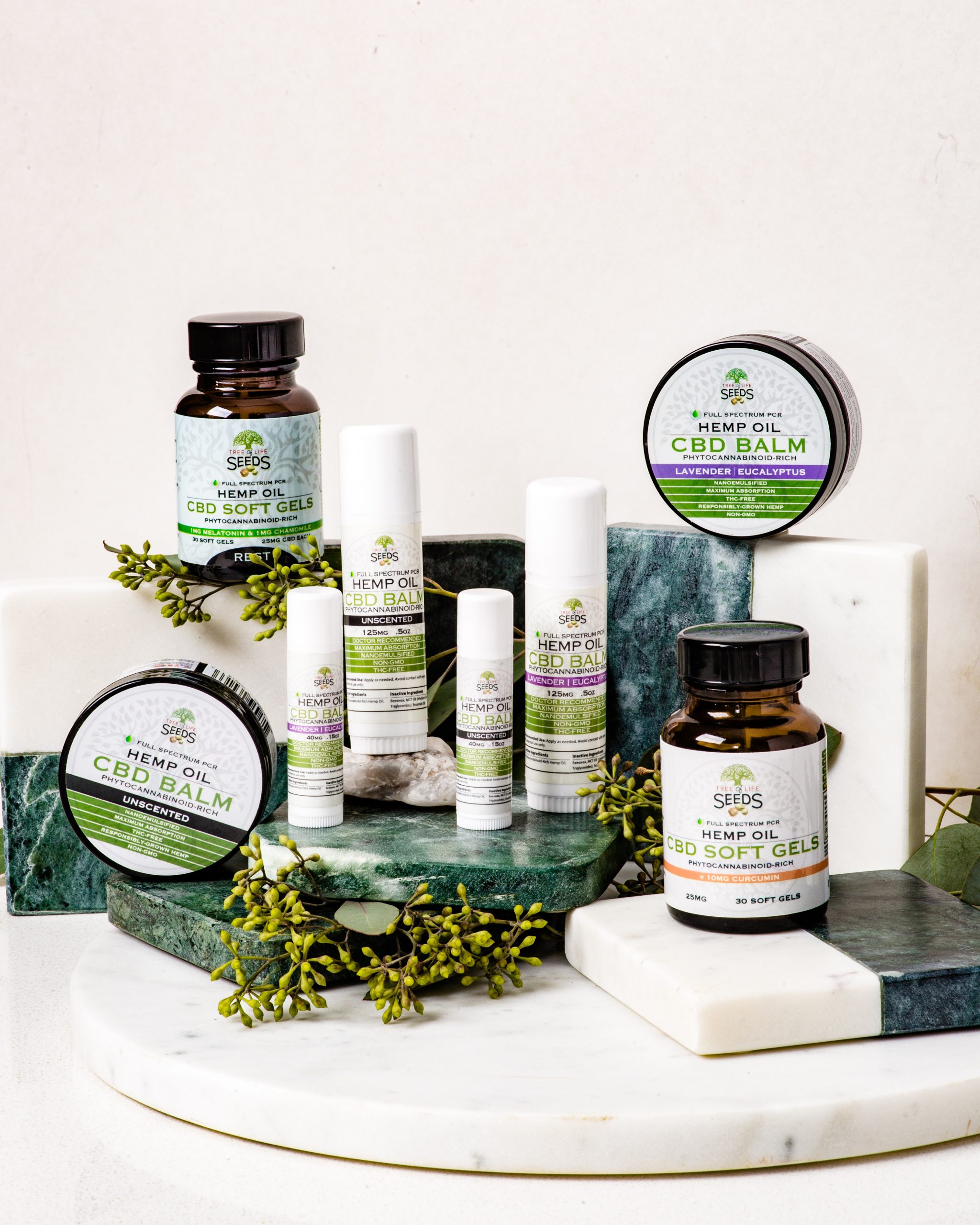
If you’re an employer based in a state such as California, where recreational marijuana is legalized, it can be a difficult task to figure out how to best handle employees that you know use CBD. To some, it may be a red flag or a sign that the employee may be engaging in vices.
However, CBD is actually not as intimidating as it originally sounds, and employers shouldn’t necessarily worry when they learn that their employees use them. Today, we’re busting myths surrounding CBD, getting rid of unhelpful rumors while giving you the cold, hard facts to make the best decisions as an employer.
Understanding CBD
So, what is CBD, exactly? Some who may have heard of the term already know that it’s associated with marijuana, but it’s a little more complicated than that. You see, cannabis and hemp produce various cannabinoids, substances that are found unique to the plants. These cannabinoids come with various effects, ranging from anti-inflammatory to psychoactive effects. Different Sativa strains have different kinds and varying amounts of cannabinoids in them.
CBD, or cannabidiol, is one such cannabinoid. But even though it’s found in marijuana, it’s not the chemical responsible for causing the “high” associated with the substance. That honor goes to tetrahydrocannabinol, or THC for short. So if you overhear your employees mentioning they use CBD, that doesn’t necessarily mean they get stoned. CBD is said to provide various health benefits, which is why it is used widely.
Marijuana, hemp, CBD? What’s the difference?
Terms such as “marijuana”, “hemp”, and CBD can be confusing for outsiders, so here’s a quick breakdown of what these mean, as well as their key differences. We already explained what CBD is – it’s a cannabinoid that is found in cannabis, and is used for its various benefits.
“Marijuana” and “hemp” are used to refer to different types of the same plant – cannabis. In general, “marijuana” refers to cannabis plants with enough THC to get you high when smoked or consumed. On the other hand, “hemp” refers to cannabis plants that lack enough THC necessary for getting high. Hemp still does contain a good amount of CBD, which is why it is used as a source for the cannabinoid. You can still get your dose of CBD from marijuana, though.
Not All CBD Products are Legal
Now, just because CBD itself is fine doesn’t mean that CBD-related products are legal for use. For starters, marijuana is technically a CBD product, as it does contain the cannabinoid. The substance is still illegal in many states and only legal for medical use in others. Unless you’re based in a state that allows it, it is illegal to consume CBD through marijuana.
Another important point is that CBD cannot be used as part of any sort of food, or be marketed as a dietary supplement. While CBD oils and capsules are sold, you won’t find any sort of chips or cereals containing CBD for this reason.
Finally, only one type of CBD-related drug has ever been approved by the FDA. This prescription drug was approved for the use of treating epilepsy. No other CBD-related drugs have been approved at this time. The FDA has mentioned, however, that they will update the public on any other CBD-related products that may end up being approved in the future.
A Rapidly Evolving Landscape
It’s no secret that the cannabis industry has been rapidly evolving for the past few decades. The country has moved from a complete ban on the substance to various states legalizing recreational use in just a century. With a push for more states to allow recreational use, it’s only a matter of time until cannabis-related products become fully legalized.
However, that still does mean the industry has room for improvement. Marijuana is still considered illegal at a federal level, and while local governments have legalized recreational use, the federal government has grounds to take action. Aside from this, because the legalization of marijuana is done at the local level, laws surrounding marijuana vary from state to state.
Are employers required to accommodate CBD?
At the federal level, they are not. However, depending on the local government’s laws, CBD usage may be legal, and in some cases, protected. A great example of this would be a law passed by Nevada that prevented employers from refusing applicants because they failed a marijuana test. It’s best to consult with a local law firm if you still aren’t sure of the legalities surrounding CBD and the workplace.
Ways to Combat CBD in the Workplace
It’s better to be safe than sorry, and that holds true with CBD. While some states legalize it, you’ll want to minimize its presence in the workplace if you can. Here’s how you can do so:
1. Conduct frequent drug tests at random
If you want to prevent your employees from using marijuana or CBD-related products, you should conduct regular drug tests. Conduct them on a regular basis, but keep the specific date at random, so they’ll be discouraged from using marijuana in general. Keeping it regular also reinforces the idea that you will be conducting tests for the foreseeable future.
2. Set policies surrounding CBD
You technically don’t have to be strict with your employees. If you’re fine with them using CBD, you can let them know. But remember that you can’t really tell whether or not your employee’s using CBD, unlike when someone’s high or drunk. If you want to limit CBD usage, be sure to limit the use of it entirely.
3. Keep your employees informed and educated
Many cannabis smokers and CBD users only know surface-level knowledge regarding the products they use. Keep them informed as to what it does, and if you want to deter CBD usage, be sure to highlight the side-effects that it has on both the individual and the workplace.
Conclusion
CBD isn’t nearly as controversial as marijuana or THC, but it can still be a concern for employers. If you understand the limits of CBD, then you may accommodate usage among your employees, but if you don’t want to take any risks, be sure to enforce policies to deter usage of any CBD-related products.
