

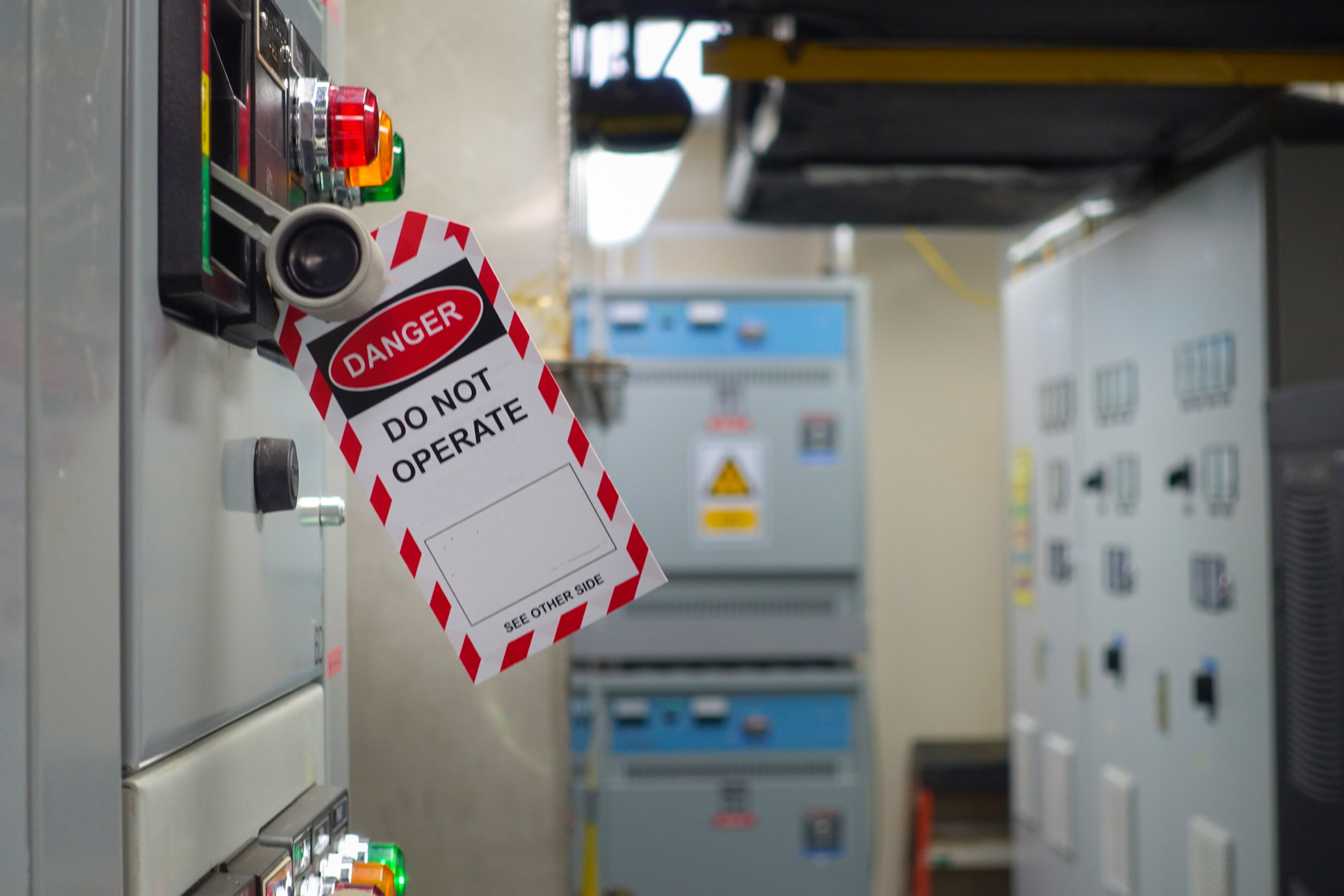
In high-risk industries, ensuring the safety and security of employees is not just a responsibility—it’s a paramount objective. This holds especially true in contexts where the unexpected start-up of machinery and equipment, or the release of electrical energy, can lead to catastrophic injury or even death. Enter Lock Out Tag Out (LOTO)—a set of safety procedures that safeguard workers by ensuring that potentially hazardous energy sources are isolated and rendered inoperative before any maintenance or servicing activities can commence. In this comprehensive guide, we’ll walk you through the essential aspects of LOTO, from its crucial role in workplace safety to its application strategies and employee training protocols.
Table of Contents
Understanding Lock Out Tag Out: The Basics
Lock Out Tag Out (LOTO) is a method by which industrial machinery or power sources are rendered inoperable, isolated from each other, and locked to prevent accidental startup. It’s far more than just physical locks and tags; it’s a comprehensive system that involves procedure documentation, training, and strict adherence to protocols. There are many different lockout tagout stations available that can accommodate a variety of industries and work environments. So, whether you’re working with electrical, mechanical, or hydraulic equipment, there’s a LOTO solution to fit your needs.
Why LOTO Is Essential
The machinery and equipment that power modern industries are necessary for production but, if left unchecked, can pose significant risks to employees. LOTO regulations provide a critical defense, preventing the accidental release of energy while an employee is servicing equipment.
Types of Hazardous Energy
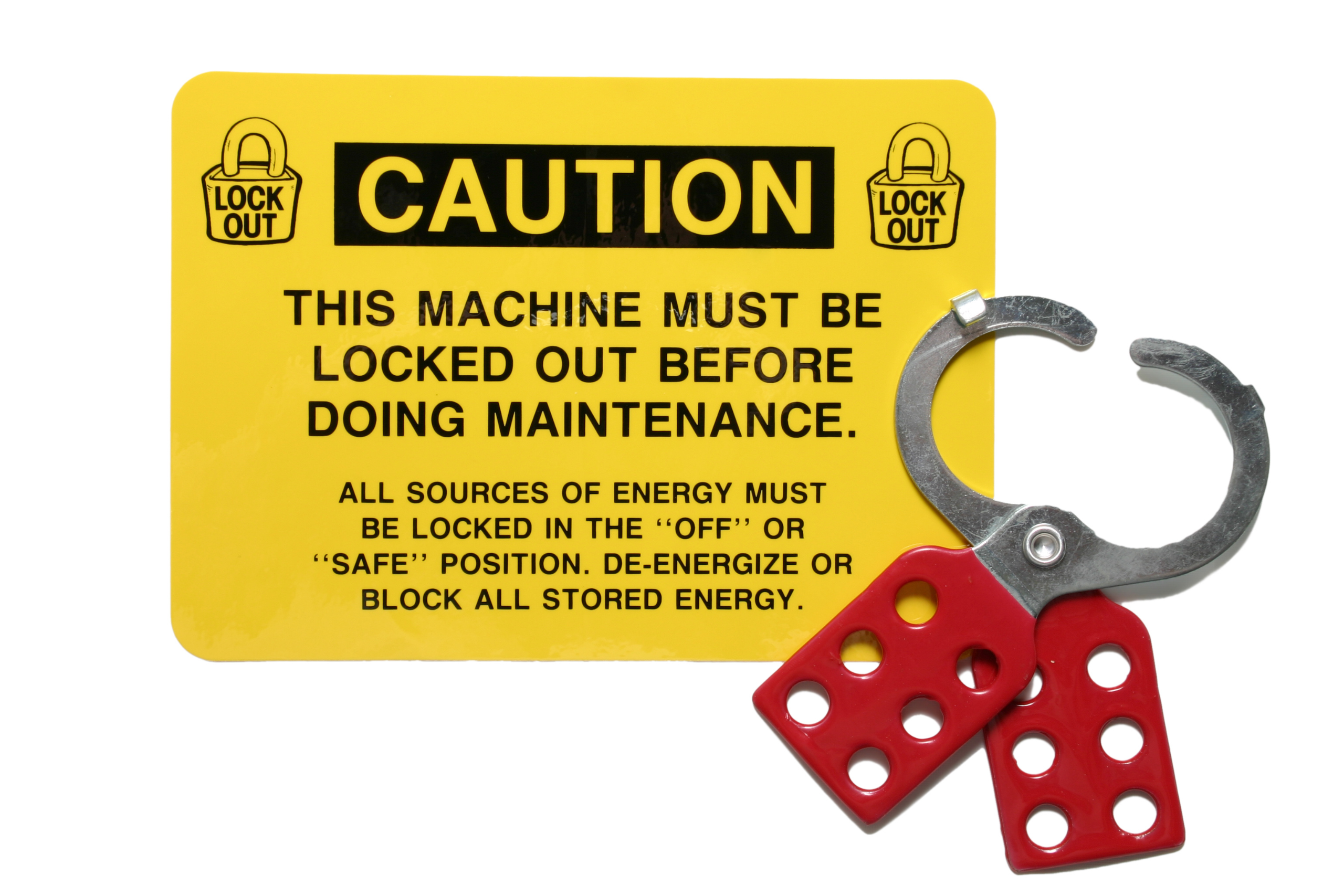
Four main types of hazardous energy must be controlled:
- Electrical Energy: The leading cause of workplace injury.
- Mechanical Energy: Generated by moving parts or machinery.
- Pneumatic or Hydraulic Energy: Pressurized systems.
- Thermal Energy: High or low-temperature systems, such as ovens or refrigeration units.
When to Use LOTO Procedures
LOTO procedures must be used whenever servicing or maintenance involves the unexpected energization or start-up of machines or equipment, or the release of stored energy.
Steps to Implement LOTO Procedures
Effective LOTO procedures involve multiple steps and must be carried out in a specified order to ensure complete safety.
Developing an Energy Control Program
An energy control program is a written procedure for:
- Notifying employees: When LOTO procedures are used and when they are removed.
- You are authorizing specific employees: To perform servicing or maintenance work.
- Training employees: Proper LOTO procedure protocols.
Procedure Outline
- Preparation: Notify all affected employees. Identify the type and magnitude of energy to be controlled. Shut down the equipment.
- Isolation: Ensure the equipment is fully disconnected from the energy source through switches, valves, or other mechanisms.
- Lock Out: Secure the isolation mechanism with a robust lock. This should be the only key in the employee’s possession performing the service.
- Release Stored Energy: After LOTO, ensure all stored energy has dissipated and conduct a test to verify this.
- Showtime: Perform the service. If necessary, use blocking or bleeding methods to prevent unexpected reactivation
- Removing Locks and Tags: Only authorized employees should remove the locks and tags, following a strictly defined procedure.
Program Review and Maintenance
Periodically reviewing and updating procedures is vital in keeping employees safe and ensuring compliance with changing equipment or regulations.
LOTO Systems and Devices
Several LOTO systems and devices are used to control hazardous energy.
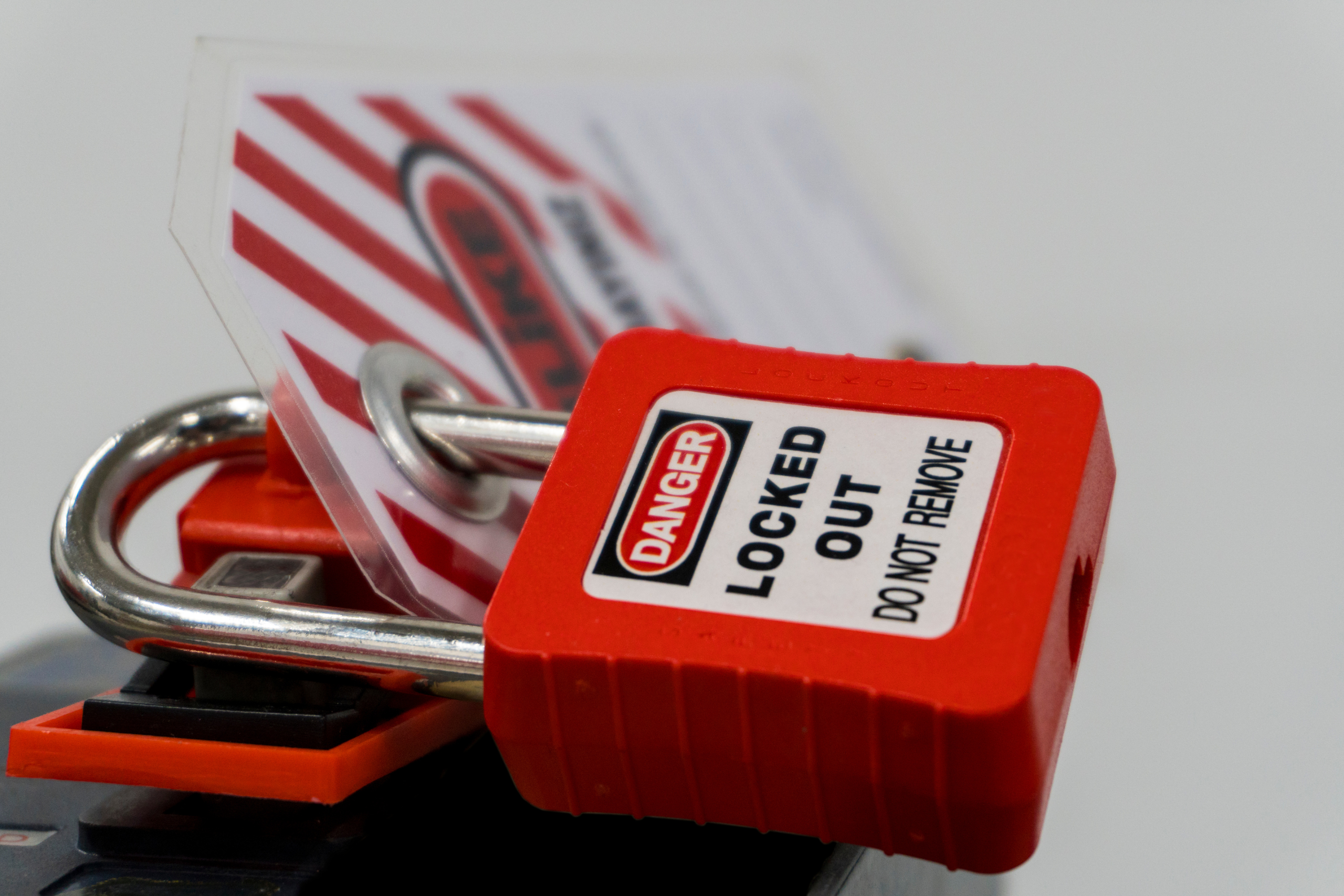
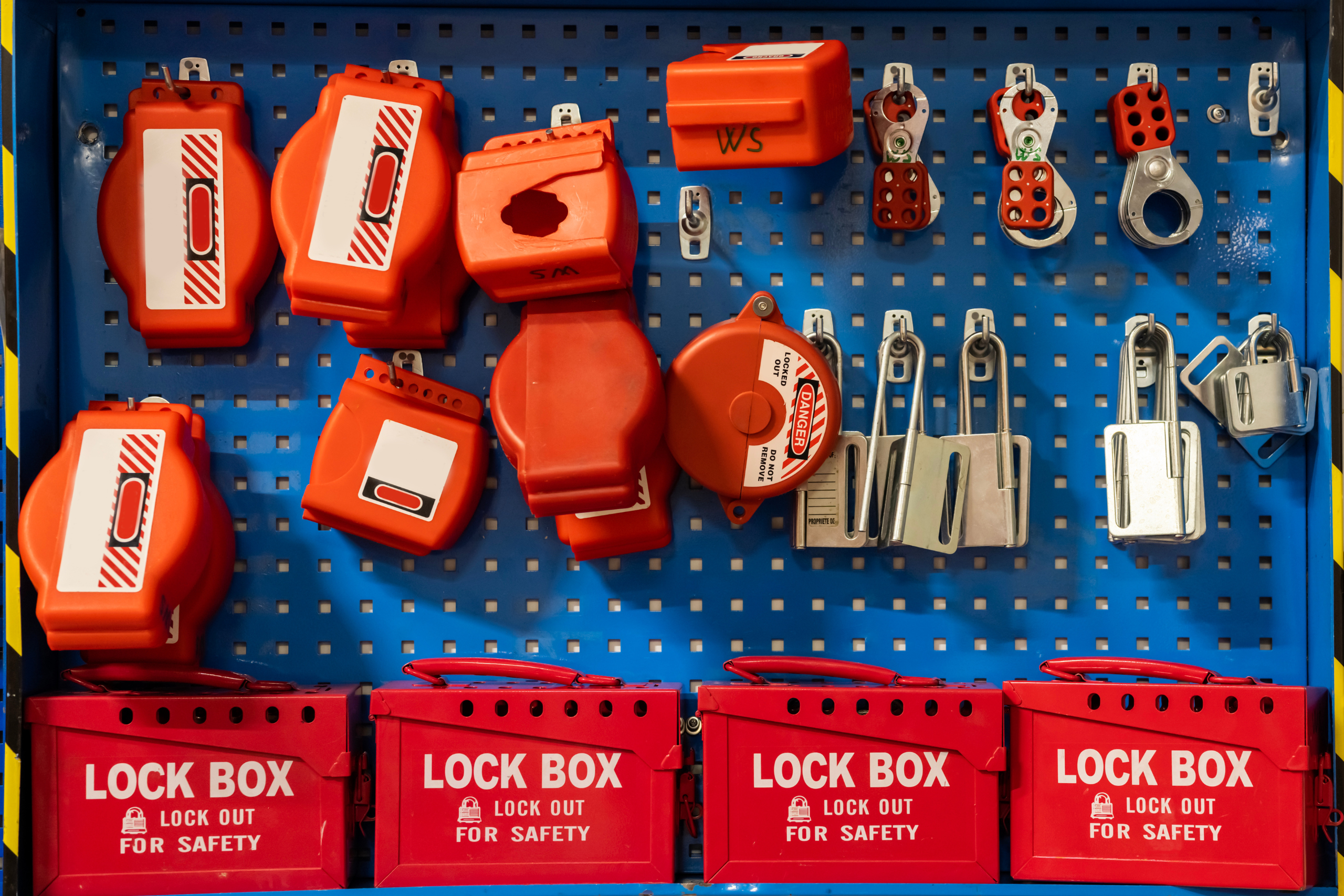
- Locks: LOTO locks are purpose-built and are typically non-reusable, come in bright, easily visible colors, and must be securely attached to the isolation mechanism.
- Hasps: LOTO hasps facilitate the use of multiple locks on a single energy-isolating device, allowing multiple employees to work on a single piece of equipment while preventing others from inadvertently reactivating the system.
- Tags: Tags are used in conjunction with locks during LOTO procedures to clearly indicate that the equipment is under maintenance and to communicate the identity of the authorized employee.
- Lock Boxes and Stations: LOTO stations serve as a central location for locks, hasps, and tags and can also hold procedures and other documents related to LOTO.
LOTO Stations: A Haven for Safety
LOTO stations are central to ensuring that equipment downtime is as safe as possible. These specially designated areas are equipped with all the tools necessary for effective LOTO procedures, promoting consistency and ease of use.
The Role of Employee Training
Employee training is a critical element in the success of any LOTO system. It ensures that workers understand the risks associated with the equipment they operate and comprehend the specific LOTO protocols designed to mitigate those risks.
Elements of Comprehensive Training
Comprehensive LOTO training includes education on the following:
- Purpose of LOTO
- Dangers of hazardous energy
- General LOTO procedures
- Specific LOTO procedures for each piece of equipment
Practical Application
Training should have a practical aspect where employees get hands-on experience with actual equipment they will work with, and the LOTO process they will use.
Renewing Training
Regular training updates are essential, especially as new machinery is introduced to the workplace, or changes are made to existing systems.
Common Pitfalls and How to Avoid Them
Instituting a LOTO system may sound straightforward, but there are several common pitfalls that organizations must avoid to ensure the safety and integrity of their procedures.
- Inadequate Procedure Documentation: Clear and up-to-date documentation of the LOTO procedure is vital for maintaining a safe work environment.
- Poor Equipment Standards: Using substandard locks, hasps, or tags can compromise the effectiveness of LOTO systems.
- Non-adherence to Procedures: Employee vigilance is key to LOTO’s success. Any situation where an employee bypasses LOTO procedures poses a potential danger.
- Lack of Supervision and Oversight: Without proper oversight, even well-trained employees can become complacent, leading to unsafe practices.
Advantages of a Robust LOTO System
A well-structured LOTO system offers numerous advantages to both employers and employees.
- Reduces the Risk of Accidents: Safe servicing and maintenance procedures significantly reduce the risk of injuries and fatalities in the workplace.
- Compliance with OSHA Regulations: A robust LOTO system helps ensure compliance with the Occupational Safety and Health Administration (OSHA) requirements, avoiding any potential fines or penalties.
- Improves Equipment Reliability: Regular maintenance and servicing, enforced by LOTO, can extend the lifespan of equipment and improve its performance.
Lock Out Tag Out is a critical part of a safety culture in any organization that runs powerful machinery or uses high-energy systems. Implementing an effective LOTO system is not just about complying with regulations; it’s about creating a workplace where employees can perform their duties without fear of injury or incident. When it comes to LOTO, the adage rings true: it’s better to be safe than sorry.
