
If your business requires staff to work under any kind of health and safety risk, it’s a legal requirement to provide them with personal protective equipment (PPE), under the Personal Protective Equipment at Work Regulations 1992.
The best way to ensure this – and avoid the risk of putting people in danger and fines that could result from not following regulations – is to enact a PPE program. Here’s how to design one.
Begin with a risk assessment
Before you know what PPE you must supply, you need to perform an in-depth risk assessment that evaluates all aspects of your operations and identifies all sources of risk.
Once you have this information to hand, you can work through the various sources of risk and analyse whether non-PPE approaches will allow you to reduce the danger, such as new equipment, repairs, or environmental controls.
If the PPE is required, you will need to work out what equipment is exactly needed, how often it will need to be replaced, what level of quality each piece of PPE must be, and much more. And as well as covering typical, day-to-day activities, you will also need to understand what equipment is required when emergency strikes.
During this stage, you should also become crystal clear on your legal obligations, as this may also impact the PPE you need to purchase.
Select your PPE
Take measurements from staff if the PPE requires it (such as jackets, helmets, trousers and such), so they do not trip or snag on ill-fitting PPE. And be sure to ask whether staff have any allergies to certain materials, prior to ordering. Allowing a degree of staff choice can improve compliance, so consider personalisation and colour choices as well as fitting.
Working with an expert PPE supplier, you should then explore your options when it comes to selecting and ordering PPE. View technical data sheets and explore reviews to understand whether options will work well in solving your own PPE requirements, keeping an eye on cost.
For instance, you don’t purchase unnecessarily expensive, high-quality equipment when mitigating against a minor, occasional source of risk.
Provide training and maintenance
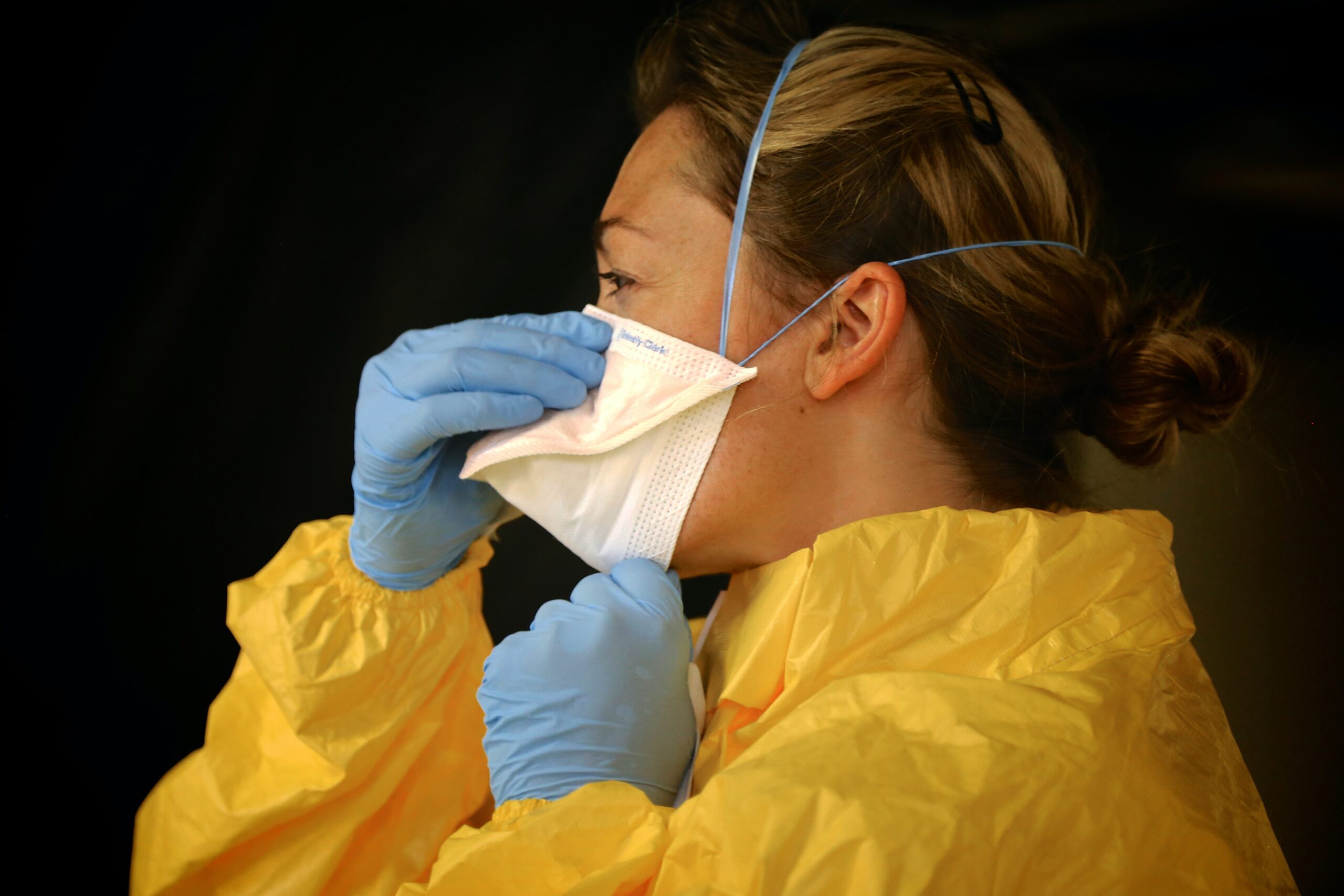
After your order of PPE has arrived, train employees that require it in its use. This should be based on the manufacturer’s instructions, be properly logged, and be regularly revisited to ensure everyone is using the equipment safely and effectively. Be sure to place the PPE in an easy-to-find location too.
Once the PPE is in circulation and being used, you should check it according to a clear maintenance schedule. This won’t just keep your staff safe but reduce the need to order replacement equipment that cannot be repaired.
Auditing
Before and throughout the implementation of your PPE program, you should monitor metrics like compliance, equipment condition, safety data, and the effectiveness of staff during emergency drills. And if your business warrants it during this pandemic, even consider doing a COVID testing program for your employees.
By combining this with an understanding of changing legal requirements and the nature of your workplace itself, you can both measure your progress and ensure the continuing development of the program.