

Marketing today requires more than occasional promotion—it demands strategy, consistency, and meaningful customer connection. These six marketing tips show you how to strengthen visibility, build trust, and attract more customers using smart content, social media, email, local SEO, video, and collaborations to drive sustainable business growth.
Standing out in today’s crowded marketplace isn’t just challenging, it’s downright essential for survival. Businesses of all sizes find themselves constantly adapting their marketing approaches to capture attention and win customers. What separates the companies that flourish from those that fade away? It often boils down to how effectively they connect with their audience and communicate what makes them special.
hese six marketing strategies provide practical, actionable ways to strengthen your presence, build trust, and create the kind of sustainable growth that outlasts seasonal trends.
Table of Contents

Leverage Social Media Marketing Strategically
Social media is no longer optional—it’s a core pillar of modern marketing. But here’s the thing: you don’t need to be everywhere at once. Success comes from understanding where your ideal customers actually spend their time and meeting them there with meaningful content.
LinkedIn serves professionals seeking business solutions, Instagram captivates audiences through visual storytelling, while Facebook continues to offer impressive reach across diverse age groups. Rather than bombarding followers with constant promotions, develop a posting rhythm that delivers genuine value, think educational insights, authentic behind, the-scenes moments, and real conversations. Keep a close eye on your analytics to discover what truly resonates with your community, then double down on those approaches.
Building a loyal following won’t happen overnight, and that’s perfectly fine. What matters is showing up consistently and engaging authentically.
Additional Tips to Strengthen This Strategy
- Use a content mix: Combine educational content, behind-the-scenes posts, testimonials, and engagement prompts (polls/questions).
- Create platform-specific content: What works on Instagram may not work on LinkedIn. Customize tone and format.
- Batch and schedule your content: Reduces stress and ensures consistency.
- Engage back: Reply to comments, DMs, and mentions—social media rewards active conversations.
- Monitor competitors: Learn which posts perform well in your industry and borrow inspiration.
- Go beyond vanity metrics: Track saves, shares, link clicks, DM inquiries, and conversion actions.
Harness the Power of Content Marketing
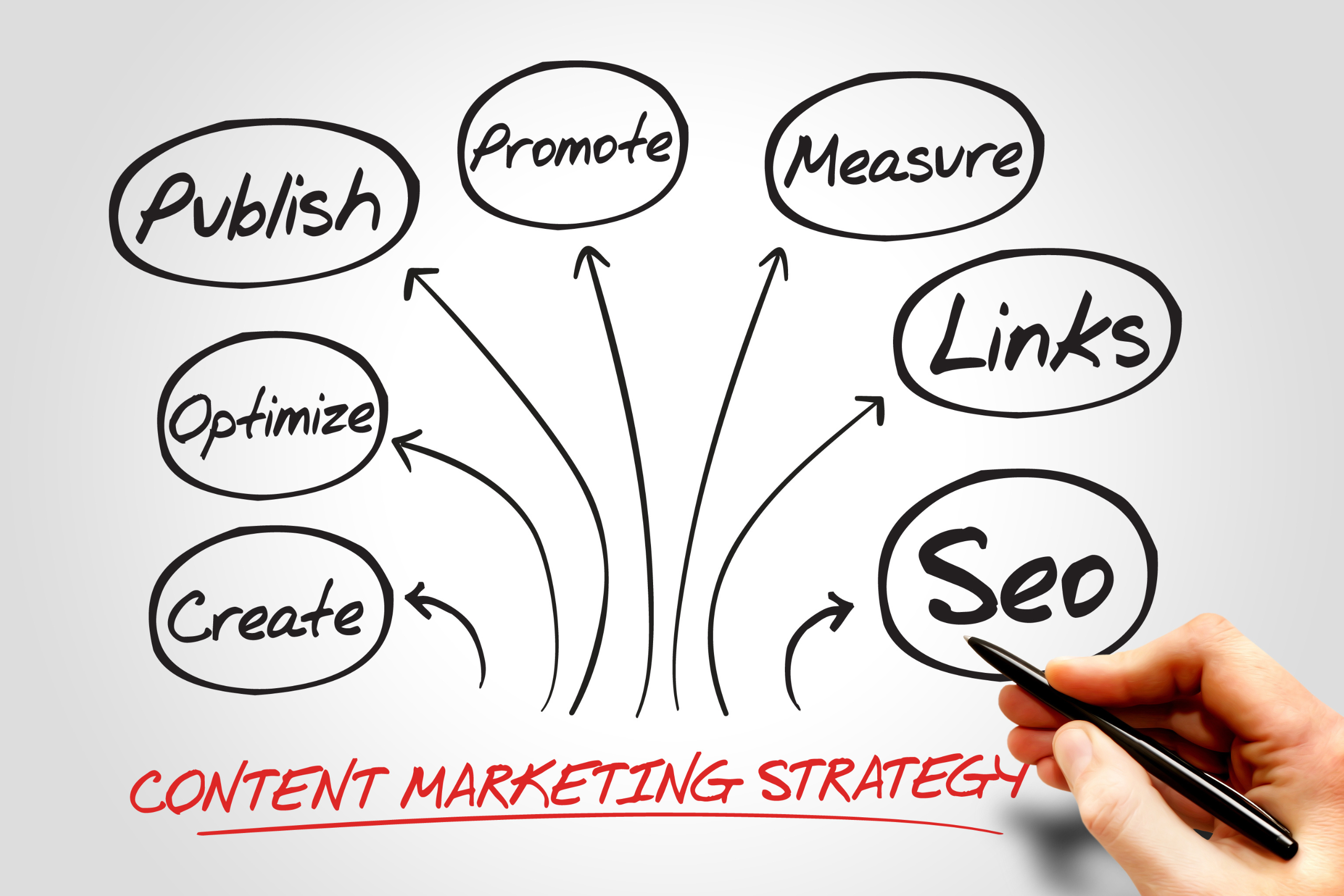
Creating valuable content remains one of the smartest investments you can make in your business’s long-term success. Content marketing builds trust, increases visibility, and positions you as an authority. When you deliver useful, consistent content, customers view you as a helpful guide rather than just another company pushing products.
This strategy encompasses everything from blog articles and videos to podcasts, infographics, and practical downloadable guides that solve real problems. Search engines naturally reward websites that publish quality content regularly, which means more potential customers discover you when searching for solutions.
Additional Tips
- Create evergreen content that drives traffic year after year.
- Build topic clusters: Write several articles under a core theme then link them together for SEO.
- Repurpose content: Turn a blog into a video, carousel, Reel, infographic, or email newsletter.
- Use customer questions as inspiration: Your FAQs are your best content roadmap.
- Refresh older posts every 6–12 months for improved rankings.
- Add clear CTAs—download, subscribe, book, or buy.

Implement Targeted Email Marketing Campaigns
Effective email marketing is built on delivering personalized, relevant messages to people who want to hear from you. The cornerstone isn’t a massive list of purchased contacts, it’s cultivating a community of people genuinely interested in what you offer.
Segmentation is crucial—tailor your messaging to what each group values most. Segment your subscribers based on their behaviors, preferences, and past interactions to craft messages that feel personally relevant rather than generic broadcasts. Your subject lines should spark curiosity and promise value without resorting to manipulative tactics that erode trust. Every email needs to deliver something worthwhile, whether that’s exclusive insights, special offers, or early access to new developments.
For businesses managing high-volume customer communication, an automated texting service can complement email campaigns by enabling timely, personalized messages that reach customers on their preferred mobile devices. Include crystal-clear calls to action and continuously test different elements to refine your approach based on what actually works.
Additional Tips
- Use automation flows: Welcome series, cart abandonment, win-backs, and re-engagement sequences.
- A/B test subject lines to identify what drives the highest open rate.
- Keep emails scannable: Short paragraphs, bullets, bold headers.
- Make offers time-limited to increase urgency.
- Combine email + SMS for timely reminders, appointment confirmations, or promotions.
- Track key metrics: Deliverability, open rate, click-through rate, and revenue per subscriber.

Optimize Your Local Search Presence
Local SEO helps customers in your area find you instantly. If your business serves a specific geographic region, mastering local search can transform how nearby customers find you.
Start by claiming your Google Business Profile and treating it like a living extension of your business. A complete and well-optimized Google Business Profile (GBP) is one of the highest-ROI marketing tools available. Update it regularly with fresh photos, accurate details, and posts that showcase your personality.
Reviews matter tremendously, so encourage happy customers to share their experiences and respond thoughtfully to all feedback, showing potential customers that you genuinely care about satisfaction.
Consistency counts too: make sure your business name, address, and phone number match exactly across every online directory and platform.
Additional Tips
- Add keyword-rich service descriptions to your GBP.
- Post weekly updates—events, sales, new arrivals.
- Upload short videos of your space, products, staff, or tutorials.
- Create localized landing pages for each service area.
- Ask customers to mention keywords in their reviews (e.g., “best bakery in Dallas”).
- Respond to all reviews—Google rewards active profiles.
- Ensure NAP consistency across Yelp, BBB, Facebook, and business directories.

Embrace Video Marketing Opportunities
Video continues to dominate online engagement. It has emerged as the content format people crave most, with viewers consistently choosing visual storytelling over text-heavy alternatives. People prefer watching over reading, and video helps build trust quickly.
What makes video marketing particularly appealing is its flexibility, showcase products in action, share customer success stories, offer helpful tutorials, or give people a genuine peek into your company culture. You don’t need Hollywood-level production values to make an impact; authenticity often connects more powerfully than polished perfection. Short videos thrive on platforms like TikTok, Instagram Reels, and YouTube Shorts, making them accessible even when time and budgets are tight.
Additional Tips
- Start with simple formats: Q&As, customer stories, product demos, “day in the life,” or quick tips.
- Add captions—most viewers watch with sound off.
- Use hooks in the first 3 seconds to hold attention.
- Create series-based content (“Weekly Tips,” “Behind the Business,” etc.).
- Share videos across multiple channels for greater reach.
- Test short vs. long form: Shorts for awareness, longer videos for deeper engagement.

Build Strategic Partnerships and Collaborations
Partnering with other businesses exposes you to new audiences and builds credibility. Look for companies serving similar customers with non-competing offerings, creating natural opportunities for collaborative promotions that benefit everyone involved. These partnerships might take shape as joint webinars, bundled packages, cross-promotional social campaigns, or co-created content that delivers value to both audiences.
Working together reduces individual marketing costs while boosting credibility through association with respected names in your industry or community.
Additional Tips
- Co-create content such as live videos, joint blog posts, or podcast episodes.
- Bundle complementary offerings (“Buy X service, get Y discount”).
- Collaborate on events, both virtual and in-person.
- Swap email list features when appropriate and compliant with privacy rules.
- Partner with micro-influencers who have niche credibility.
- Follow up after partnerships—long-term collaborations outperform one-off promos.
Conclusion
These six marketing strategies offer practical pathways to elevate your business’s visibility and strengthen customer connections in an increasingly competitive environment. Real marketing success rarely stems from a single silver bullet; it emerges from thoughtfully combining multiple approaches that reinforce each other and build a cohesive brand presence.
Effective marketing demands consistent effort, regular performance reviews, and flexibility to adjust when something isn’t working. Begin with one or two strategies that best match your current goals and available resources, then expand gradually as you build momentum and confidence. The businesses that truly thrive recognize marketing not as a necessary evil or budget drain, but as a fundamental investment in building lasting customer relationships and sustainable growth.
Key Takeaways
- Marketing success comes from consistency, not quick wins.
- Social media is powerful, but you only need to be active where your audience is.
- Content marketing positions you as a trusted expert over time.
- Email marketing works best when it’s segmented and personalized.
- Local SEO can dramatically increase customer inquiries for service-based businesses.
- Video content and collaborations multiply your reach quickly and authentically.

FAQ on Effective Marketing Tips
What is the most important marketing tip for small businesses just getting started?
For most small businesses, the highest-impact tip is to pick one or two marketing channels and master them before trying to do everything at once. Many business owners spread themselves across too many platforms, diluting their efforts and burning out quickly. Start by identifying where your audience already spends time—whether that’s Instagram, Facebook, Google Search, or email—and put your energy into creating consistent, high-quality content there. Once that channel starts generating engagement or leads, you can expand into new areas. The key is depth before breadth. One well-executed platform outperforms five poorly maintained ones every time.
How often should I post on social media for best results?
There’s no one perfect frequency, but consistency matters more than posting daily. A realistic benchmark for most businesses is 3–5 posts per week, combined with active engagement in comments and DMs. More important than quantity is sticking to a schedule your audience can rely on. Algorithms reward consistency and engagement, not sporadic posting. If you can only maintain two high-quality posts per week, that’s better than burning out with seven and disappearing the next week. Review your analytics monthly to identify which days/times produce the most reach and adjust from there.
Do I need to invest in paid ads to see results?
Paid ads can accelerate growth, but they aren’t required—especially early on. Organic marketing through content, social media, email, SEO, and partnerships is often enough to build a strong foundation. Before running ads, make sure you already have: a clear target audience, solid messaging that converts, a functioning website, and a compelling offer. Otherwise, ads will drive traffic without producing results. When you do start ads, begin small, test different audiences and creatives, and scale only the campaigns that deliver positive ROI. Think of paid advertising as fuel—not as the engine itself.
Is email marketing still effective when social media is so popular?
Absolutely—email marketing remains one of the highest-ROI channels available. Unlike social media, email isn’t subject to algorithm changes, platform shutdowns, or pay-to-play visibility. It’s a direct line to your most interested audience. With proper segmentation, strong subject lines, and valuable content, email can drive repeat sales, nurture new leads, and deepen customer loyalty. Emails also complement other channels—social media grows the audience, email converts them. Most businesses see their highest conversion rates from email campaigns compared to other platforms.
What type of content should I create if I’m short on time?
Start with formats that are quick but high-impact. Short videos (20–40 seconds), carousel posts, FAQs, and “tip of the day” content are easy to produce yet effective. You can also repurpose longer content—turn a blog post into five social posts or a video into a text guide. Use templates to streamline production. The goal isn’t to create perfect content; it’s to show up consistently with something helpful or interesting. If you’re busy, batch-produce 1–2 hours a week and schedule posts in advance.
