You’ve done everything by the book, on page SEO optimized your keywords and built tons of quality backlinks. Yet, your rankings remain stubbornly stuck, and your competitors seem to glide effortlessly to the top.
Sound familiar? This is a common scenario for many website owners and SEO professionals.
The good news?
You are not alone, and the problem isn’t necessarily with your efforts, it may be with a hidden ranking factor I call the “black sheep effect.”

The black sheep effect is a hidden SEO effect that isn’t like other ranking factors. If you are black-sheeped, sending more links or optimizing more may actually make things worse.
Here are three ways to recognize, prevent, and fix the black sheep effect to get your SEO rankings unstuck.
Table of Contents
1. Understand the Black Sheep Effect and How It Holds You Back
The black sheep effect is that a specific page looks suspiciously different compared to others ranking on the first page of Google.
This could be due to an unusual number of backlinks, overly aggressive keyword usage, or content format that doesn’t match the top-ranking pages.
When your site stands out in the “wrong way” amongst other search engine results, Google may push it down the results, even if you have tons of high-quality backlinks or optimized content.
How to Spot the Black Sheep Effect
Use a tool like Ahrefs or Semrush to analyze the top-ranking pages for your target keyword.
Check their referring domains (RDs), content structure, and even word count. For example, if most pages on the first page have around 50 RDs but yours has 200, that’s a red flag.
I use this exact analysis in my law firm marketing competition analysis when helping law firms in Singapore with SEO.
In SEO, “blending in” can sometimes help you rank better than standing out, especially when it comes to backlink profiles and content length.
Action Step
Calculate your “black sheep limit” by looking at the page on Google’s first page result with the highest referring domains and multiplying it by 1.1.
To give an example, if the top page result has 80 RDs, aim to keep yours around 88 or fewer. This way, you stay within range, showing Google that your site is relevant without appearing over-optimized.
2. Align Your Content Format and Intent with Page One Results
Search intent is a key practice implemented in our SEO services. Check with Google’s search engine result itself.
Sometimes, you may get “black-sheeped” because your content doesn’t match the search intent that Google associates with your keyword.
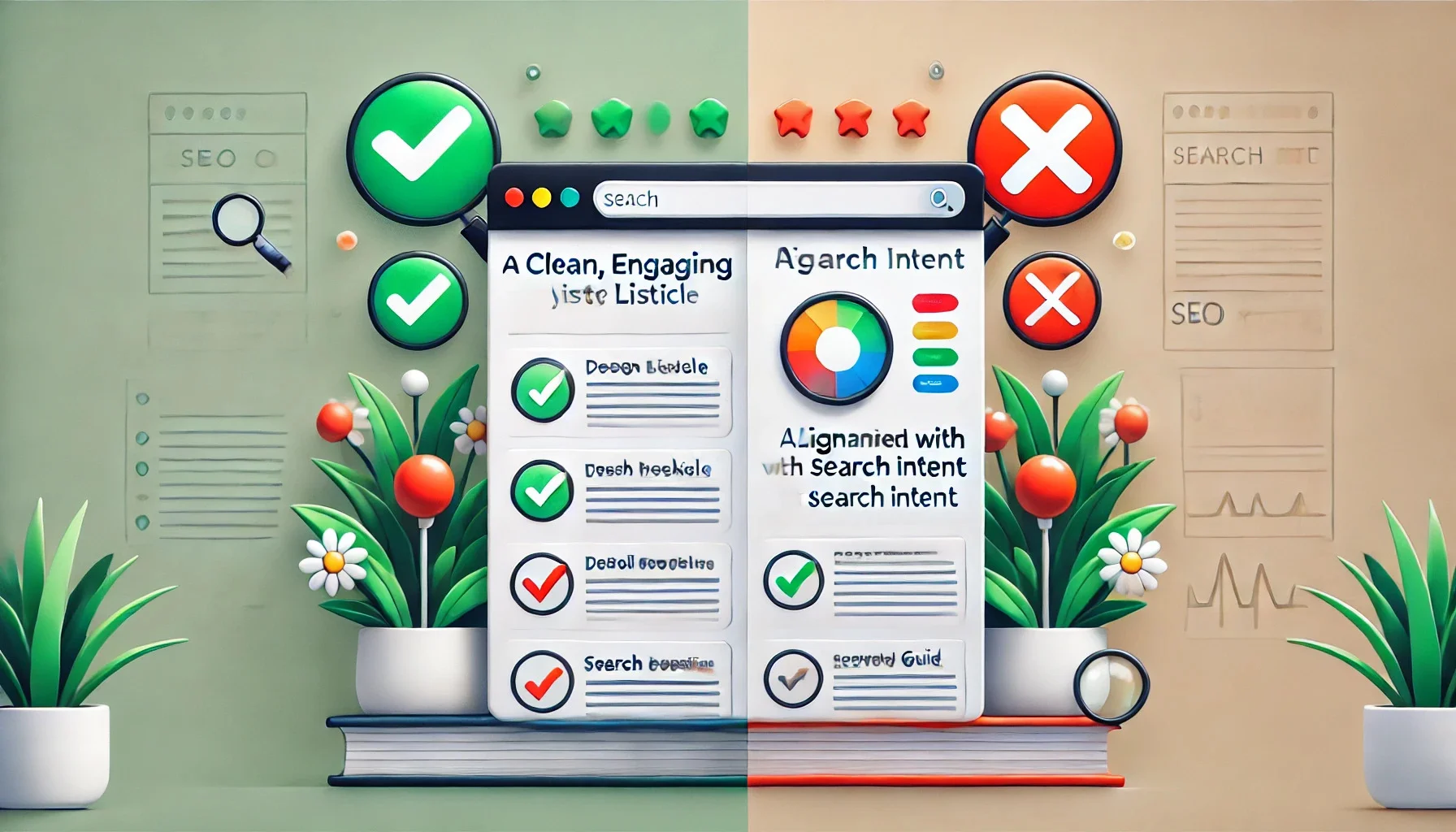
For example, if you’re targeting “best protein powder,” but everyone on the first page has a listicle, and you’ve written an in-depth guide,
Google may keep your page down because it’s not matching what users are clicking on.
How to Align with Search Intent?
Firstly, research the content format and tone of the pages currently ranking for your keywords. Do they have certain features like listicles, how-tos, or reviews? What tone and structure do they use?
Secondly, look for patterns among the high-ranking pages. For example, if most articles have comparison tables, include one. If many feature embedded videos or user-generated reviews, consider adding similar elements.
Thirdly, are users in the research phase, looking for information, or are they ready to make a purchase? Tailoring content to the appropriate stage of the customer journey can help.
Tools to Help Match Search Intent
Tools like SurferSEO can make this process easier by analyzing top-ranking pages and highlighting common content characteristics, such as word count, keyword density, or media usage.
Additionally, Google’s “People Also Ask” and “Related Searches” sections can provide insight into the types of questions and formats users expect.
Action Step
Once you’ve identified the dominant content format, adjust your page structure to fit. If listicles are popular, convert your content into a list format. If videos are common, consider embedding one.
Essentially, mirror the user experience Google is favoring for that search term. This way, you show Google that your content provides a similar level of value to what users are already engaging with.
3. Use a Reverse Silo Strategy to Reclaim Overlinked Pages
Overlinking—sending too many backlinks directly to a single page—is a major cause of the black sheep effect. If you’ve poured backlinks into a page that’s not ranking, you might be stuck in an over optimization loop.
Instead of tearing down those links, a reverse silo can help you “reclaim” their value.
How Reverse Silo Works
Overlinking a single page often triggers Google’s algorithms to flag it as unnatural, reducing its ranking potential.
In a reverse silo, instead of linking everything to your target page, you create supporting content around related keywords and topics, linking these to your main page.
The benefits of a reverse silo:
- Dilute Over-Optimization: By distributing links across multiple pages, your backlink profile looks more natural.
- Build Topical Authority: Supporting pages enhance your site’s relevance for a broader topic.
- Strengthen Internal Linking: Interlinking these pages helps your target page’s authority without raising red flags.
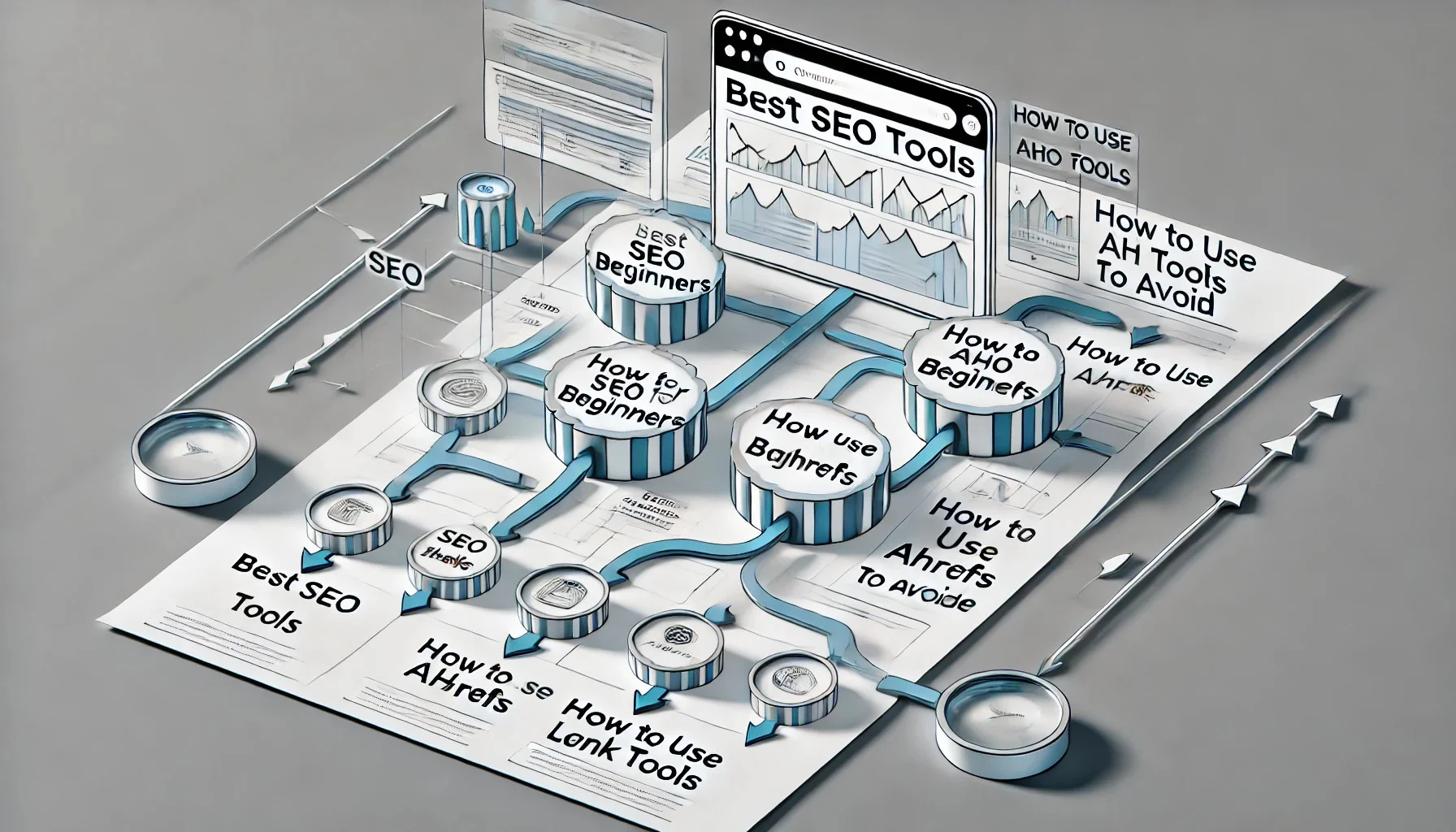
For instance, if your main page targets “best SEO tools,” create supporting articles like “SEO Tools for Beginners,” “How to Use Ahrefs,” and “SEO Tools to Avoid.”
Simply, build links to these secondary pages and interlink them to your main page, transferring link equity without making the main page look suspiciously overlinked.
Action Step
You can start by writing a few related articles that can naturally support your target page. Next, shift your internal link-building efforts to these supporting pages rather than just the target page itself.
When done right, this strategy will allow your main page to accumulate link authority without exceeding the black sheep limit, helping it climb up the rankings over time.
Be Proactive About Prevention
One of the strategies is to also be proactive about prevention.
You should analyze the first-page results for your target keyword before producing content and sending backlinks. Look for patterns in content type, length and backlink profiles.
Correlational SEO to Stay on the Safe Side
Studying what’s already ranking and using it as a blueprint is a correlational approach that complements the black sheep effect strategy.
By reverse-engineering the top-ranking pages, you can avoid being black-sheeped and follow Google’s own preferences closely.
Use tools like Ahrefs, Semrush to see the average backlink profiles, word counts, and keyword usage of top pages, then align your page metrics accordingly.
Final Thoughts
The black sheep effect is a hidden SEO factor that can keep your site stuck even when you’re doing everything else “right.”
Stay mindful of your backlink profile, content format, and user intent alignment. Analyze top-ranking pages for your target keyword and adjust your content to match their structure and intent while making small optimizations to stand out subtly.
This targeted approach prevents wasted time and resources on ineffective SEO fixes. Success in SEO is not about aggressively standing out, it’s about strategically aligning with Google’s preferences.
Know your black sheep limit, align with intent, use reverse silos, and get unstuck!