Commodity trading is about investing in the things people use every day, from oil and food to precious metals like gold and silver. If you’ve ever wondered how to trade commodities, but are not sure where to start, there are a few things to consider before you part with your hard-earned cash.
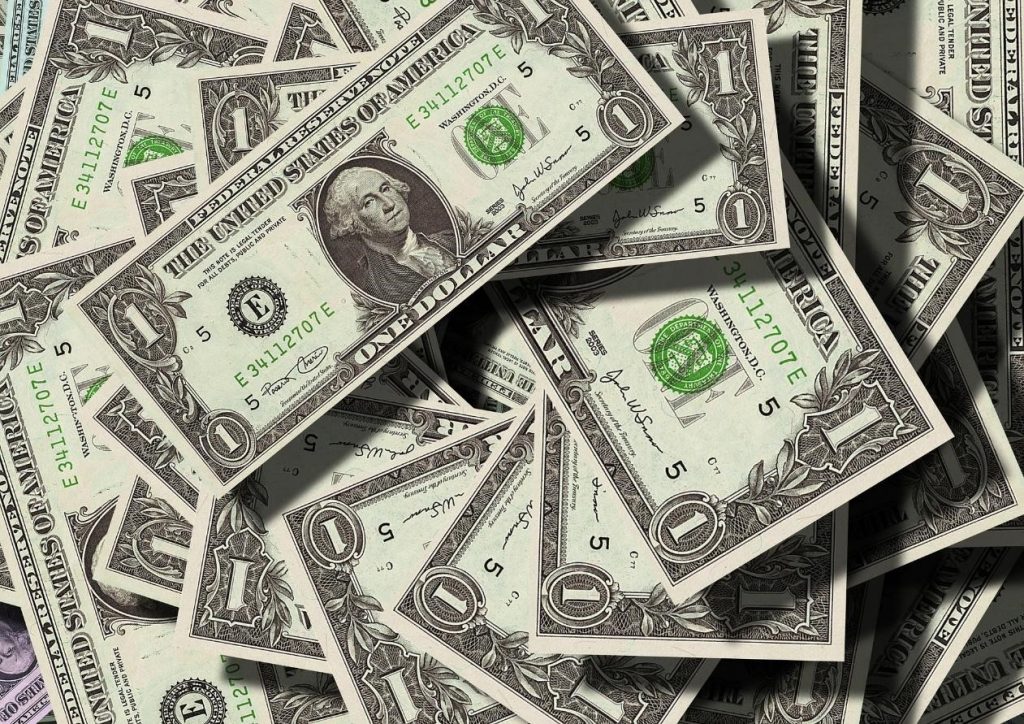
The value of commodities fluctuates in line with supply and demand. For example, if there is a major oil explosion as we saw recently at the Brent crude oil plant, the value of oil rises. Similarly, if a major drought impacts the supply of grain, the price of a sack of grain will increase. Investments in commodities gain from these price fluctuations. It is a good idea to have some commodity investments as part of a portfolio to counter the risks of a stock market crash, as commodity values tend to work in the opposite way to more traditional stocks and shares investments.
Dealing in commodities has gone on for centuries, long before anyone invested in stocks and bonds. Ancient civilizations would trade all manner of commodities such as spices, livestock, and even seashells. The success was often down to their ability to manage complex trading systems and exchanges of commodities.
There are many commodity trading exchanges all over the world, many of which specialize in a specific type, such as the London Metal Exchange, which as you would expect trades purely in metal commodities like copper, silver, platinum, and gold. Other types of commodities traded include;
- Energy (Natural gas, gasoline, and oil)
- Agriculture (Cotton, cocoa, rice, wheat, sugar)
- Meat and livestock (pork bellies, live cattle, feeder cattle, and lean hogs)
In times when the market is bearish, and stocks are volatile, commodities are sometimes used as a hedge investment. The vast majority of commodity trading occurs online now, so if you want to invest in commodities, the first thing to do is select the right online commodity broker. Consider the commission rates, service levels, and products available before selecting the one for you.
Commodities are a volatile investment, and it is important to realize that there are risks involved in trading. It’s essential to think carefully about your own risk appetite and how much you are prepared to invest.
Before you begin, you will be asked to complete some forms and also disclose some financial information about your creditworthiness and income.
Your online broker will then assess whether you are a suitable candidate to invest in commodities and if so, open an account for you.
It’s critical to do your homework and understand the factors that impact on supply and demand of the particular commodity you are investing in. The more you can learn, the better placed you will be to make money from your investment by making educated predictions about the direction of the market. Sources such as the EIA or API are great if you are investing in energy markets, and for agricultural investments, the US Department of Agriculture reports provide invaluable information.
One common mistake inexperienced traders make is over-trading. This means they trade too often and are not selective enough about when and what to invest in.
Some commodities are considered safe and are therefore worth considering if you are just starting to invest. These are gold, oil, and corn.

Finally, patience is a virtue when it comes to commodity investment. There are no quick wins, it is a long game that requires some time and effort to understand the market, but if you are willing to work at it, you could reap the rewards.