
Original article published on May 2, 2022, and updated on October 8, 2026.
Running a business from home makes mortgage affordability especially important. Learn how self-employed business owners can reduce mortgage costs, compare lenders, improve their credit, manage irregular income, and make smarter homeownership decisions without jeopardizing business cash flow.
Key Takeaways
- Your credit score affects mortgage costs. Improving credit before applying may help you qualify for a more competitive rate.
- A larger down payment can reduce monthly payments, but self-employed borrowers should preserve emergency and operating reserves.
- Comparing lenders can save money. Evaluate APR, closing costs, and loan terms instead of accepting the first offer.
- Refinancing is not always cheaper. Calculate closing costs, break-even time, and the effect of a new loan term.
- Organized financial records help lenders evaluate self-employment income.
- Eligible home-office expenses may offer tax savings, but do not directly reduce mortgage payments.
For many self-employed people, owning a home serves two purposes. It provides a place to live and, in some cases, a place to run a business. Whether you’re a freelance consultant working from a spare bedroom, an online seller managing orders from home, or a small business owner who needs a dedicated workspace, your mortgage can be one of your largest monthly financial obligations.
Keeping that expense manageable is particularly important when you work for yourself. Unlike salaried employees who generally receive predictable paychecks, entrepreneurs often deal with fluctuating income, seasonal sales, and customers who don’t always pay on time. A mortgage payment that seems affordable during a particularly good month can become difficult to manage when business slows down.
Fortunately, there are ways to reduce the cost of a mortgage, whether you’re preparing to buy a home or already making monthly payments. Some strategies can lower your interest rate or the amount you borrow, while others help you avoid unnecessary fees and make better financial decisions.
The key is to look beyond the monthly mortgage payment and consider how homeownership fits into your overall financial situation as a business owner.
Table of Contents
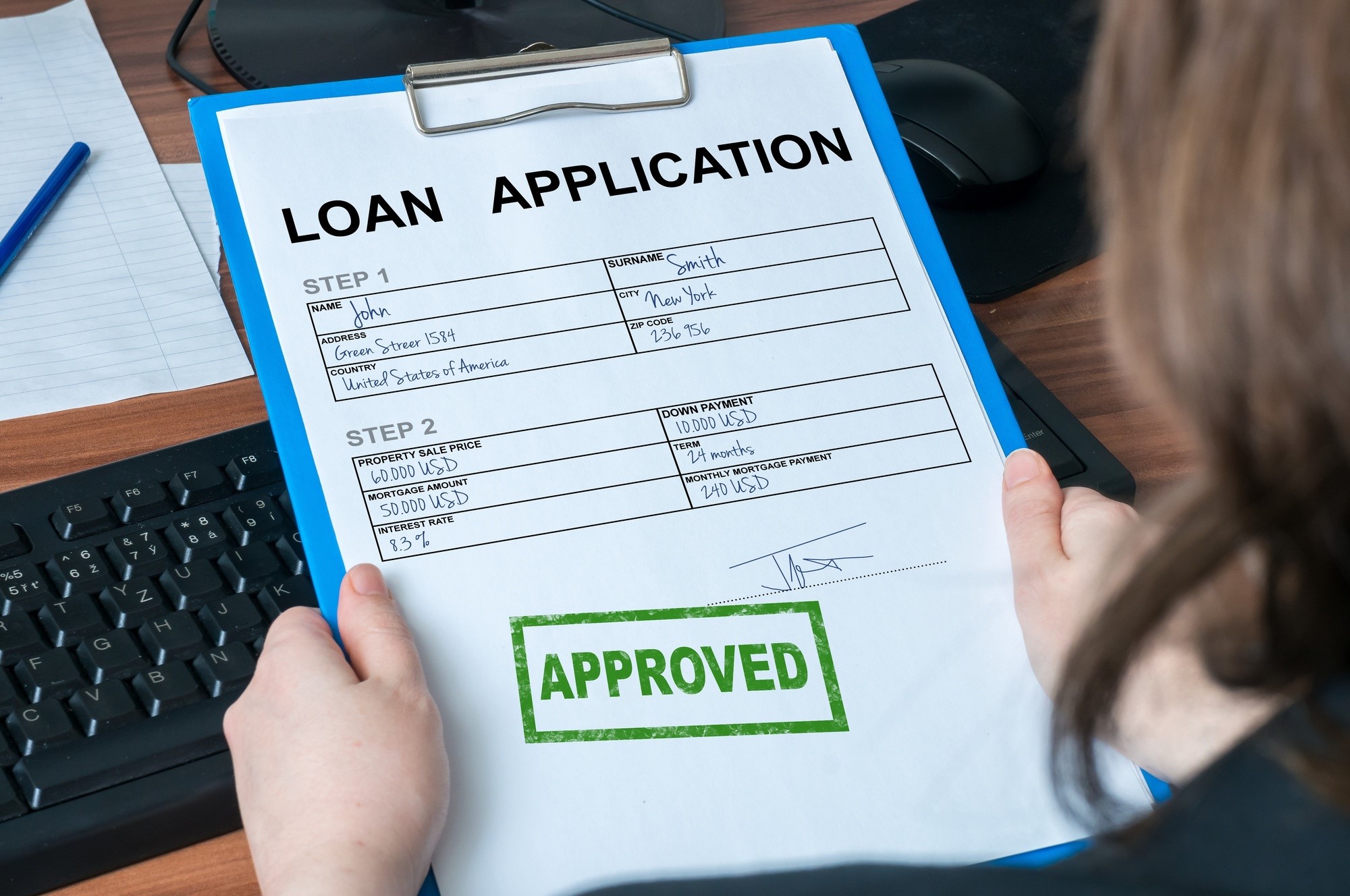
1. Improve Your Credit Score Before Applying for a Mortgage
Your credit score plays an important role in determining how much you pay for a mortgage. Lenders use it, along with your income, debts, and other financial information, to assess the risk of lending you money. Generally, borrowers with stronger credit profiles have access to more competitive mortgage rates. Even a relatively small difference in interest rates can translate into significant savings over the life of a 15- or 30-year loan.
For self-employed individuals, maintaining good personal credit is especially important because running a business may involve borrowing money, using credit cards to cover expenses, or dealing with irregular cash flow. If you’re planning to apply for a mortgage, start by reviewing your credit reports for inaccuracies. You can obtain free reports through AnnualCreditReport.com, the federally authorized website for accessing credit reports from the three major credit reporting agencies.
Pay particular attention to overdue accounts, high credit card balances, and incorrect information that might affect your creditworthiness. Paying bills on time, reducing outstanding balances, and avoiding unnecessary new debt before applying for a mortgage can help strengthen your financial profile.
Business owners should also be careful about how they use personal credit cards to finance their operations. Charging business purchases to personal accounts can increase credit utilization and potentially affect their ability to qualify for favorable mortgage terms. Improving your credit may take time, particularly if you have a history of missed payments, but the effort can be worthwhile before taking on a substantial long-term loan.
2. Save for a Larger Down Payment Without Draining Your Business Reserves
A larger down payment can reduce the amount you need to borrow and, in turn, lower your monthly principal and interest payments. Suppose you’re purchasing a $300,000 home. With a 5% down payment, you would put down $15,000 and borrow $285,000. Increasing your down payment to 20% means contributing $60,000 upfront and borrowing $240,000 instead.
That $45,000 difference reduces the principal on which interest is charged. Depending on your loan terms, it could also help you qualify for a better mortgage rate and eliminate the need for private mortgage insurance (PMI) on a conventional loan. However, a larger down payment isn’t always the best financial decision for someone who owns a business.
Consider a freelance designer who has saved $70,000. Putting nearly all of that money toward a down payment might reduce the monthly mortgage bill, but it could also leave very little available for a slow business quarter, an unexpected tax payment, or essential equipment replacement. Self-employed homeowners need to think carefully about liquidity. Money tied up in home equity generally cannot be accessed as easily as cash in a savings account.
Before deciding how much to put down, consider your emergency savings, household expenses, estimated tax payments, and the amount of working capital your business needs to operate comfortably. Having enough available cash is essential to keeping a small business financially stable. The right down payment should help you manage your housing costs without creating unnecessary pressure elsewhere, and you should also budget for closing costs, property taxes, insurance, maintenance, and any improvements needed for your home business.

3. Compare Mortgage Lenders Instead of Accepting the First Offer
One of the most overlooked ways to save money on a mortgage is also one of the simplest: compare offers from several lenders. Mortgage interest rates, origination fees, discount points, and other lending costs can vary between financial institutions. Two lenders might offer the same advertised interest rate but charge considerably different fees, making one loan more expensive than the other.
Rather than focusing only on the advertised rate, ask lenders for a Loan Estimate. This standardized document explains the proposed loan terms, estimated monthly payments, closing costs, and other important financial details. The Consumer Financial Protection Bureau’s guide to comparing Loan Estimates explains how borrowers can evaluate offers and negotiate better terms.
When reviewing offers, pay attention to the annual percentage rate (APR), lender fees, discount points, and the total cost of borrowing over the period you expect to own the home. It also helps to ask how each lender evaluates self-employment income. Some lenders have more experience working with freelancers, sole proprietors, and owners whose income doesn’t come from a conventional salary.
Be cautious about choosing a mortgage simply because it offers the lowest monthly payment. A longer repayment term may make the loan easier to manage each month, but it can also substantially increase the interest paid over time. The best mortgage isn’t necessarily the one with the lowest advertised rate. It’s the one whose total costs, repayment structure, and requirements make the most sense for your circumstances.
4. Consider Refinancing Your Mortgage When the Savings Justify the Costs
If you already own a home, refinancing may provide an opportunity to reduce your mortgage costs. Refinancing involves replacing your existing mortgage with a new loan. Homeowners typically consider it when they can obtain a lower interest rate, change their repayment term, or move from an adjustable-rate mortgage to a fixed-rate loan.
Those savings aren’t automatic. Refinancing usually involves expenses such as lender fees, appraisal charges, title-related costs, and other closing costs. Imagine that refinancing would reduce your monthly principal and interest payment by $150, but the transaction would cost $4,500 upfront. It would take 30 months of savings to recover those costs, assuming there are no other relevant differences.
You should also consider how refinancing affects the length of your mortgage. Replacing a loan that has 20 years remaining with a new 30-year mortgage might reduce your monthly payment while increasing the total interest you pay. For entrepreneurs, a lower monthly payment may provide valuable breathing room when income is unpredictable, but the question is whether that flexibility is worth the additional borrowing costs.
Compare the full costs rather than relying on the monthly payment alone. The CFPB’s Loan Estimate guide explains the fees, repayment terms, and other information lenders disclose. Refinancing can be useful, but it should be based on clear calculations rather than the assumption that a lower advertised rate always means a better deal.
5. Keep Your Business Financial Records Organized
Getting a mortgage can involve additional paperwork when you’re self-employed. A salaried employee can often demonstrate income through pay stubs and employer records. Self-employed borrowers may need to provide personal and business tax returns, bank statements, profit-and-loss statements, and other documents that establish the reliability of their income.
Depending on the loan program and the borrower’s circumstances, lenders may review multiple years of income to determine how much they can reasonably expect the applicant to earn. This can become complicated when a business generates substantial revenue but reports relatively modest taxable income after deductions.
Consider a consultant whose business brings in $120,000 in annual revenue. That doesn’t mean a mortgage lender will treat the entire $120,000 as qualifying income. Business expenses, company structure, and underwriting requirements affect how lenders calculate it. A business owner who doesn’t keep accurate records may also struggle to explain income fluctuations or deposits that don’t match reported earnings.
Keeping business and personal finances separate makes this easier. Dedicated accounts, consistent bookkeeping, and properly documented owner withdrawals provide a clearer picture. It’s also worth speaking with your accountant before major financial decisions ahead of a mortgage application. Legitimate business deductions reduce taxable income, but they may also affect the income a lender uses to qualify you. Understanding that relationship helps you plan without giving up deductions you’re entitled to claim.
6. Manage Personal Debt and Business Cash Flow Before Taking on a Mortgage
For many business owners, the challenge isn’t simply qualifying for a mortgage. It’s making sure the payments remain affordable when business conditions change. Lenders generally consider your debt-to-income ratio (DTI), which compares your qualifying monthly debt obligations to your gross monthly income. Existing car loans, student loans, credit card payments, and other debts can affect how much financing you can obtain.
Self-employed individuals should also review business debt, particularly obligations that may be personally guaranteed or otherwise included in mortgage underwriting. Paying down debt may improve your financial position, but avoid using all available cash to eliminate balances if doing so would leave your business without adequate operating funds.
Suppose your business produces enough income to comfortably cover a $2,000 monthly mortgage payment during most of the year. That doesn’t necessarily mean the payment is affordable if revenue falls sharply during the winter or a major customer delays payment for two months. Review income over the past year or two, including the slowest periods, and calculate your household expenses, business costs, insurance, taxes, and debt payments before deciding what you can devote to housing.
You should also maintain separate emergency reserves for personal needs and business obligations whenever possible. This reduces the likelihood that a temporary setback will force you to rely on expensive personal borrowing just to make mortgage payments. For business owners, financial flexibility can be as valuable as securing the lowest possible rate.
7. Understand How Your Home-Based Business Affects Your Taxes
One financial advantage of operating a business from home is the potential to deduct certain expenses associated with your workspace. Eligible self-employed individuals may qualify for the home-office deduction, which can reduce taxable business income. However, merely working from home doesn’t automatically make your mortgage payments deductible.
According to the IRS Publication 587, Business Use of Your Home, a qualifying home office generally must be used regularly and exclusively for business purposes, although certain exceptions apply. A consultant who uses a dedicated room exclusively as an office may qualify if the other requirements are met. Someone who occasionally answers emails from the family dining table generally would not qualify under the exclusive-use rule.
Under the regular method, qualifying taxpayers determine the business-use percentage of the home and allocate eligible expenses accordingly. Those expenses may include portions of mortgage interest, property taxes, insurance, utilities, repairs, and depreciation. Under the simplified method, the IRS generally allows $5 per square foot of qualifying business space, up to 300 square feet, for a maximum of $1,500, subject to applicable limitations. See the IRS explanation of the simplified home-office deduction.
A home-office deduction doesn’t directly lower your mortgage payment. Instead, it may reduce your tax liability. Tax consequences can get more complicated when you sell a home used partly for business, especially if you claimed or were allowed to claim depreciation. Talk with a qualified tax professional to understand the benefits and recordkeeping requirements.
8. Don’t Overlook the Full Cost of Owning and Operating a Home
A mortgage payment is only one part of homeownership. Property taxes, homeowners insurance, maintenance, repairs, utilities, and homeowners association fees can add considerably to monthly expenses. If you operate a business from the property, you may also have costs for internet service, electricity, equipment, security, or insurance coverage.
Some home-based businesses require modest space. A writer or consultant might need little more than a computer and a quiet office, while others may need inventory storage, specialized equipment, or customer meeting space. Buying a larger home to accommodate the business may seem convenient, but the extra mortgage expense isn’t always justified if the business can operate efficiently in a smaller space.
Check local zoning requirements, homeowners association restrictions, and insurance policies before using residential property for commercial purposes. Depending on the business, standard homeowners insurance may not adequately cover equipment, inventory, or liability exposures. If you’re considering a property partly to support your business, read Mistakes to Avoid When Buying a Home.
It may also help to review A Guide to Homeowner Loans for a Home-Based Business, especially if you’re thinking about using home equity to finance business activities. Borrowing against your home carries risks, including foreclosure if you cannot repay. Instead of choosing a property based solely on what a lender will approve, consider how its total costs affect your long-term business and personal finances.
Choosing a Mortgage That Supports Your Business and Your Financial Future
For self-employed business owners, reducing mortgage costs isn’t just about finding the lowest interest rate. It’s about balancing homeownership with the demands of running a business. A lower monthly payment may provide room to invest in marketing, replace aging equipment, or build emergency savings, and it may make slow periods easier to navigate.
Before buying or refinancing, review your credit, compare loan offers, consider your cash reserves, and make sure your records accurately reflect business income. Most importantly, avoid a mortgage that depends on your business performing at its best every month. The right mortgage should fit your finances today while leaving enough flexibility for whatever comes next.
Frequently Asked Questions
Can self-employed people qualify for the same mortgage rates as salaried employees?
Yes. Self-employed borrowers can qualify for competitive mortgage rates based on credit, income, debts, down payment, and other underwriting factors. They may need additional documents to show stable income.
How can I lower my mortgage payment without refinancing?
Depending on your loan, you may be able to eliminate private mortgage insurance when eligible, request a recast after a substantial principal payment, or review your homeowners insurance costs. Availability varies by mortgage.
Does running a business from home reduce my mortgage payments?
Not directly. Eligible self-employed individuals may qualify for a home-office deduction that reduces taxable business income, subject to IRS requirements.
Does claiming business tax deductions make it harder to qualify for a mortgage?
It can affect qualification because lenders often review tax returns. Some expenses may be added back under lending guidelines. Consult your accountant and mortgage lender rather than forgo legitimate deductions.
Is a larger down payment better than keeping savings?
It depends on cash flow, borrowing costs, and reserves. A larger payment may lower borrowing costs, but cash provides flexibility for operating costs, taxes, and emergencies.
Should I use home equity to finance my business?
Home equity financing can provide capital, but it puts your home at risk if you cannot repay. Compare alternatives and assess the risks carefully.