
The electric vehicle industry is booming, and automotive companies are scrambling to capitalize on the trend and expand their operations. Like any boom, there is an enormous opportunity for new investors and companies to crop up and take their market share. Let’s look at five emerging business opportunities in the expanding EV industry and how they can help you make money.
Table of Contents
Opportunity #1: Electric Vehicle Charging Station
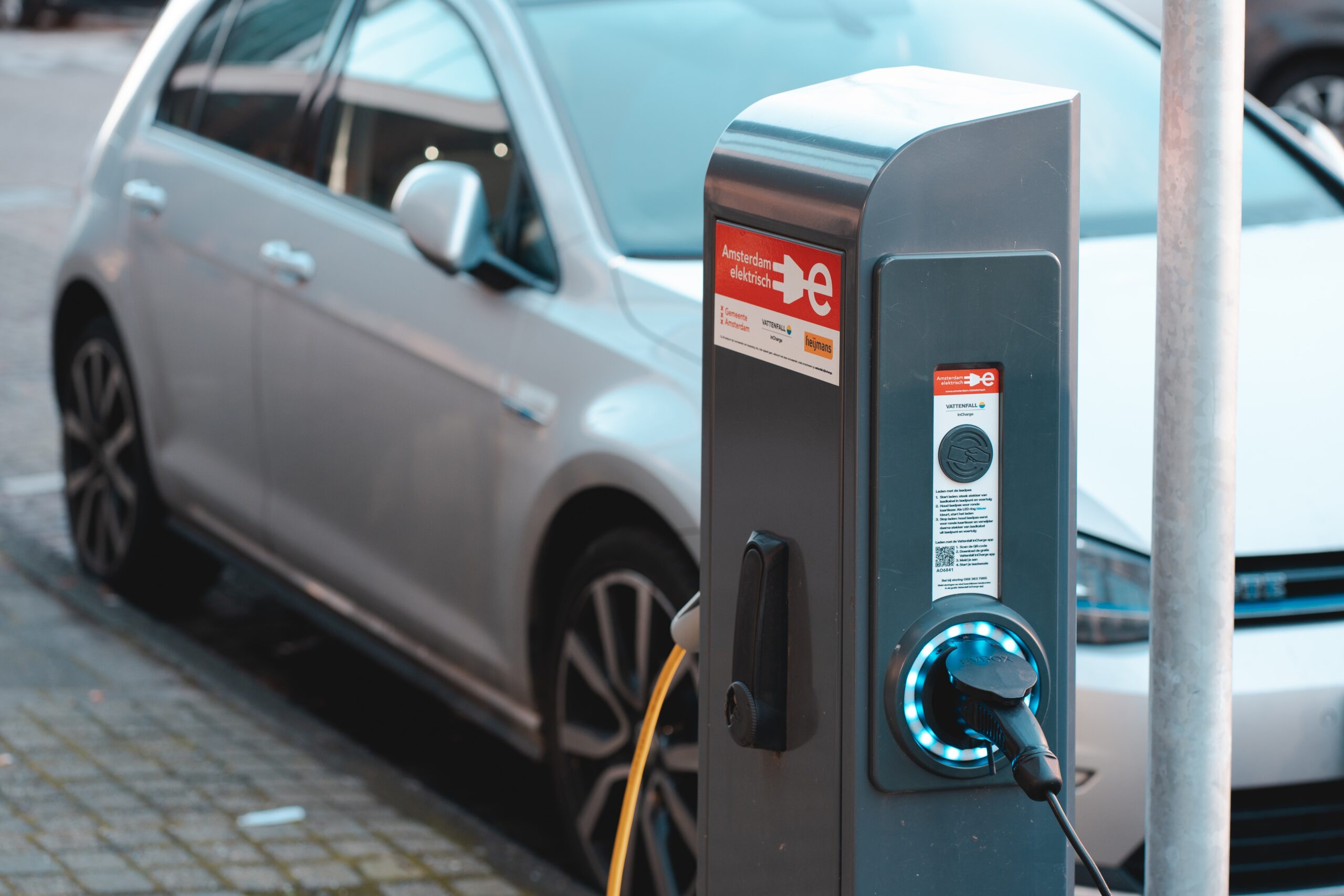
EV charging stations, also known as charge points, are equipment installed to help “refuel” EVs by replenishing their batteries. Much like internal combustion engine vehicles need gas stations, EVs need these charge points at certain intervals along their travel routes.
As the demand for electric vehicles increases, these charge points need to become more plentiful. Investing in this equipment during these early EV stages could be a great way to avoid rising start-up costs; with more people pouring into the industry daily, the materials needed to build these charge points will increase in value. These investments also help earlier investors to better recoup losses in the case of liquidation. Charge point equipment purchased for cheap now may be worth more, especially if supply-chain disruptions or material shortages continue.
Opportunity #2: EV Service Station
Servicing EVs isn’t the same as servicing a regular car; EV service stations need licensed professionals with specific training and specialized tools for mechanics to do the job. The initial costs of establishing this business may be higher, but the returns will likely be much more lucrative in the long run. Repair shops can profit quickly, primarily if they work with certain EV classes requiring higher training.
If you choose this business, make sure not to skimp on talent; a repair shop is only as profitable as its reputation. Maintaining a steady stream of positive reviews can make or break a new business. It only takes a few unsatisfied customers to ruin your name in the community, which could quickly tank your revenue.
Opportunity #3: Electric Car Insurance
Like their gas-powered counterparts, electric vehicles need insurance for you to drive them legally. Electric car insurance will create several business opportunities, mainly the sale and maintenance of policies. There will also be tremendous investment opportunities to buy stakes in these electric vehicle-exclusive insurance companies, which can have higher returns than traditional insurers.
EV car insurance is usually more expensive due to the higher maintenance cost and initial vehicle purchase price; this means higher monthly payments and more money for your business. You would also need to track car insurance points, allowing you to raise the rates on specific policies when drivers exhibit accident-prone behavior patterns.

Opportunity #4: Electric Car Rental Business
As gas prices continue to rise and more consumers turn towards the fuel efficiency of electric vehicles, now is a great time to start an electric vehicle car rental service. There aren’t many EV-exclusive rental businesses, making it a less saturated space. Assembling a fleet of electric vehicles may involve a fair bit of start-up capital, but you will see great returns by setting a substantial cost per rental. Because an EV rental is a more niche market, you can charge more than a traditional rental business, helping you recoup your expenses quickly.
Opportunity #5: Battery Recycling Business
EVs run on lithium-ion batteries, allowing them to power their internal mechanics without needing an internal combustion engine. Electric vehicle battery recycling is a huge industry, with lithium-ion recyclers earning over $255 million in 2021 alone. Because battery recycling requires a particular type of equipment and staff trained to deal with lithium-ion specifically, a battery recycling facility can charge higher recycling fees than a standard facility. This all adds to enormous profits for investors, likely growing exponentially over the coming years.
Industry Booms are Rare Events, and They Offer Unique Opportunities
There are opportunities to invest and profit from the rise of electric vehicles. From significant investments like a battery recycling business to smaller enterprises like purchasing a single electric charge point, investors with any level of capital can benefit from this growing trend. Moreover, by getting into the space early, you can get a leg up on your competitors and ensure that your company brings in ample revenue.

Frequently Asked Questions (FAQs)
What are the latest advancements in EV battery technology?
Recent advancements in electric vehicle battery technology focus on increasing efficiency, extending life spans, and reducing costs. The development of solid-state batteries is particularly noteworthy. These batteries offer higher energy densities and faster charging times than traditional lithium-ion batteries. They also promise improved safety and longer-lasting performance, crucial for widespread EV adoption. The progress in battery technology is enhancing EV performance and making it more affordable for consumers.
How is the charging infrastructure evolving to support the growth of EVs?
The expansion of the EV market necessitates a corresponding growth in charging infrastructure. Innovative solutions are emerging, such as fast charging stations that drastically reduce charging times, wireless charging technologies for added convenience, and home charging systems that offer ease of use. Beyond the physical infrastructure, there’s also a focus on integrating renewable energy sources and upgrading electrical grids to support the increased demand. This growth provides opportunities for companies specializing in charging technology, renewable energy, and electrical infrastructure.
Can you explain the integration of autonomous and connected technologies in EVs?
Electric vehicles increasingly incorporate autonomous and connected technologies, revolutionizing the transportation industry. These technologies enable vehicles to communicate with each other and infrastructure, enhancing safety and efficiency. Autonomous driving systems, powered by artificial intelligence and advanced sensors, are reducing the need for human intervention. This integration opens new business models, including shared mobility services and data-driven transportation analytics. Companies in AI, sensor technology, and cybersecurity are crucial in driving this integration forward.
What are the opportunities in sustainable manufacturing for EVs?
Sustainable manufacturing in the EV industry focuses on using eco-friendly materials and processes. There’s a growing demand for recyclable materials in EV production, such as sustainable metals, plastics, and composites. Companies that provide these materials or that specialize in sustainable manufacturing processes and supply chain management are increasingly sought after. This shift reduces the environmental impact of EVs and appeals to the growing consumer base that values sustainability.
How do government policies influence the EV industry?
Government policies play a pivotal role in shaping the EV industry. Incentives like tax credits, rebates, and grants for EV buyers and manufacturers significantly encourage EV adoption. Additionally, governments are setting ambitious targets for EV sales and phasing out internal combustion engines. These policies vary globally, creating different challenges and opportunities in various regions. Companies that can effectively navigate and leverage these regulatory environments will likely gain a significant competitive advantage.
What is the role of traditional automotive companies in the EV market?
Traditional automotive companies actively adapt to the shifting landscape by transitioning towards electric vehicles. They leverage their extensive experience, brand recognition, and customer loyalty to compete in the new market. Many are partnering with tech companies to blend their automotive expertise with innovative technology. These collaborations are crucial for these companies to remain competitive and relevant in the rapidly evolving EV sector.
How do global market trends and consumer behavior impact the EV industry?
Global market trends and consumer behavior significantly impact the EV industry. Regional differences in government policies, economic conditions, and cultural preferences influence market dynamics. For instance, some regions may have more robust incentives for EV adoption, while others may face challenges such as a lack of charging infrastructure. Companies that understand and adapt to these varying market conditions are more likely to succeed. Staying attuned to consumer preferences and trends is essential for businesses to align their products and services with market needs.
