

The diamond business sparkles with opportunity—but it’s also high-stakes. Whether you aim to broker, wholesale, retail or manufacture diamonds, this guide walks you through the four key paths, realistic startup costs, important certifications, and how to build trust in this niche market.
Key Takeaways
- The diamond industry remains lucrative but requires high capital, deep understanding of supply and pricing, and impeccable ethics.
- Choose your business model early (wholesale, retail, manufacturing, brokerage) and align your strategy accordingly.
- Sourcing is critical: you must evaluate diamonds accurately (4C’s), ensure ethical supply chains, and build strong supplier relationships.
- Startup costs vary widely—from tens of thousands for a small wholesale operation to hundreds of thousands or millions for manufacturing lab-grown diamonds.
- A detailed business plan isn’t optional—it’s essential to map market, budget, risk and growth before you dive in.
- Reputation, certification and transparency are foundational in this field. Without them, you risk expensive mistakes.
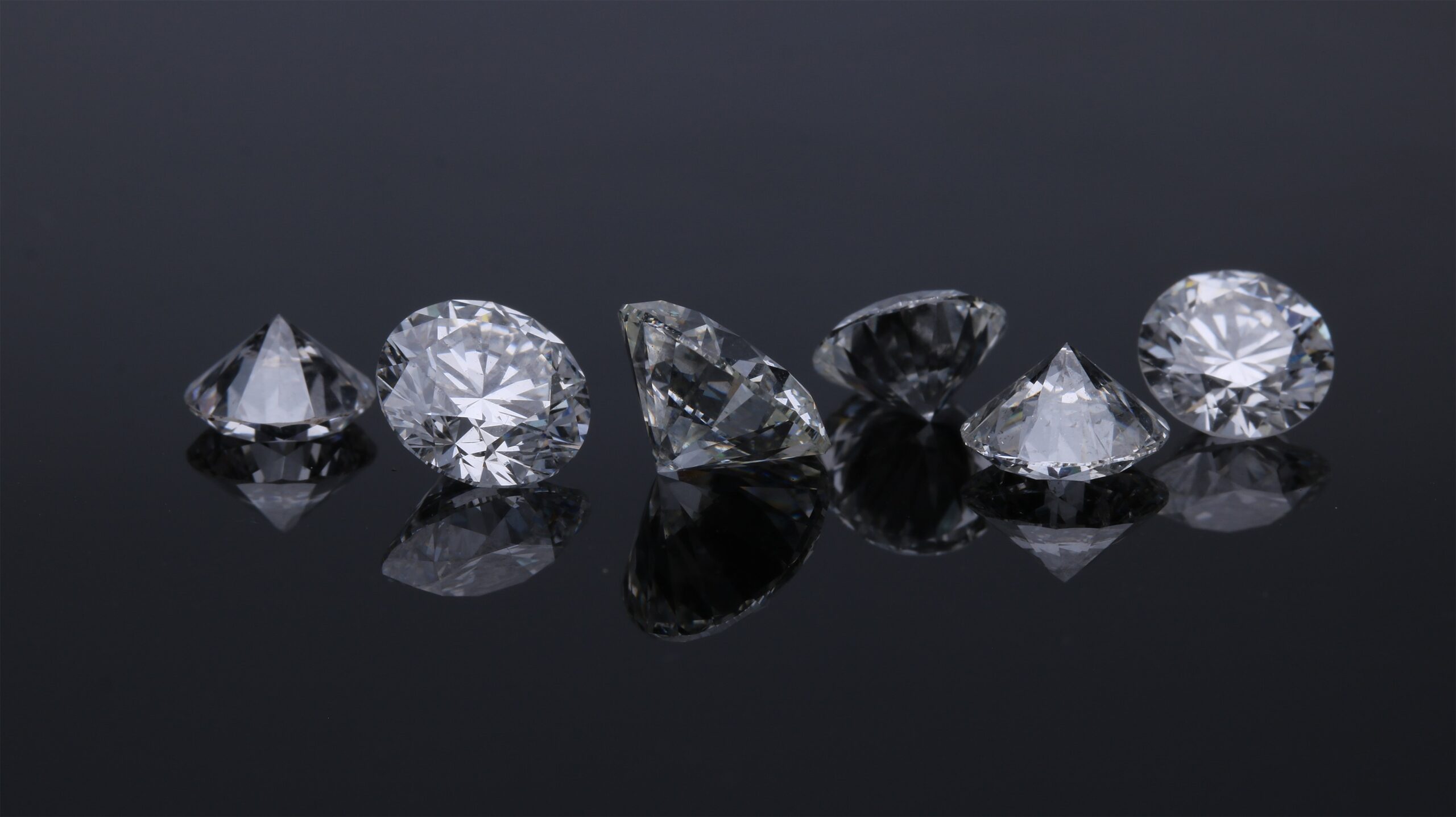
The world of diamonds has captivated buyers for centuries, and today the global diamond industry still generates billions in revenue. According to GrandView Research, the diamond market is projected to grow by $50.23 billion in 2030.
Yet, entering the trade is no casual venture—it demands insight, networking, capital and patience. While recent years (such as the pandemic) have shaken supply chains and demand, the market is stabilizing and consumer disposable income in many regions is rising.
This means there is renewed opportunity in diamond trading. Because the barrier to enter is comparatively high, fewer players means more potential for those who do it smartly. But success requires following the right steps, building the right relationships, and choosing a niche you can dominate.
In this guide we walk you through four distinct ways to launch a diamond trading business—from pure trading to manufacturing—plus realistic startup-cost ranges, strategy, and the key pitfalls to avoid.
Table of Contents
1. Learn All You Can About the Diamond Trading Industry
Diamond trading isn’t confined to local markets; it’s a global phenomenon. You’ll be dealing with supply chains, mines, cutters, wholesalers and end-markets across borders. That means you must gain knowledge on demand‐and‐supply mechanics, geographies, pricing factors, quality grading, and end-customer profiles.
There is a lot to learn about diamond trading. You must learn about demand, supply, and cost estimations to get ROI. Familiarize yourself with the major diamond-producing countries, the biggest markets, and how global trends can affect your business. Understanding the demand and supply mechanics is crucial.
Learn about the factors that drive diamond prices, such as rarity, quality, and the global economic climate. You must get comfortable with words like values, sorts, and rough and polished diamonds. It is also essential to know how to evaluate and grade diamonds. The same applies to understanding market fluctuations and how they can impact. Consider taking courses or getting certifications.
You need a lot more knowledge before venturing into the diamond trading industry. A good understanding of the target audience is also critical. Who are you selling to? High-end clientele, retailers, or direct consumers? Identifying your target market shapes your business strategy. Remember that some will not buy mined diamonds for whatever reason. It could be ethical concerns due to the mining process’s sustainability issues.
The other could be the cost factor. Such demographics will gravitate towards manufactured diamonds. These lab-grown varieties incorporate the latest technologies to replicate natural diamonds. But that does not mean that they are fake. Customers get all the qualities of natural diamonds. The cut, clarity, and physical and chemical properties are very much like the real ones. Indeed, they go through the same certification and grading processes as mined diamonds. But, they are less costly, allowing more people to own diamonds.
What to focus on
- Major diamond-producing regions (e.g., Botswana, South Africa, Russia) and major trade hubs.
- The factors that drive diamond prices: the 4 C’s (Cut, Clarity, Color, Carat) plus source, brand, and consumer trends.
- Differentiation between rough (uncut) and polished diamonds, natural vs lab-grown.
- Understanding who your target is: Are you selling to other traders, jewelers, investment buyers, or direct consumers? For example, some consumers prefer lab-grown diamonds due to ethical or cost concerns.
- Certifications and trust signals: You’ll need to understand how grading works, how authenticity is verified, how ethical sourcing matters (e.g., the Kimberley Process Certification Scheme).
- Building industry relationships: The diamond business is heavily reliant on trust and contacts. Starting in a junior role in an existing firm or attending trade shows can accelerate your network.
Why this matters
Without this foundation, you risk buying overpriced inventory, sourcing bad diamonds, or even unwittingly entering unethical or illegally sourced supply chains. The cost of mistakes in this business is high.
2. Decide the Area You Want to Specialize In
As a diamond trader, you are the middleman between the mining companies and the market. As you prepare to launch, you must pick your niche or model. Here are four typical paths:
| Model | Description | Typical Entry Points |
|---|---|---|
| Wholesale Trading | You buy rough or polished diamonds in bulk and sell to other traders or jewellers. | Lower margin, high volume; requires sourcing skill. |
| Retail / Direct to Consumer | You sell diamond jewellery (rings, earrings, etc.) to end-users. | Requires branding, marketing, retail or e-commerce setup. |
| Manufacturing / Cutting & Polishing | You purchase rough diamonds, cut/polish them, then sell finished stones or jewellery. | Significant equipment & expertise required. |
| Brokerage / Agent | You act as an intermediary, connecting buyers and sellers, earning commission. | Lower inventory risk, focus on network and deal-making. |
The first step is to decide whether you want to sell to other traders, investment firms, or jewelers.
A second diamond trading business idea is to sell to the end consumer. In this case, you will be dealing with accessories or jewelry. These include diamond earrings, wedding sets, engagement rings, and tennis bracelets.
There is also the option of going into manufacturing. You buy rough, uncut diamonds, polish them, and sell them at a profit. You must invest in some technology, but the returns can be quite good.
A final avenue is to become a broker. You sell on behalf of other diamond traders and earn a commission.
It will benefit you to do market surveys and competitor analysis. You will find more success if you identify a target and plan effective ways to reach them.
Your funding will have a big role in the area you go into. A good tip is to start small and invest more as the business grows.
Look for market gaps and become the solution provider. You may find that no one in the region sells manufactured diamonds. That provides the perfect opportunity to give customers a new offering. Your selling point will be low-cost diamonds that are as good as mined diamonds.
Establish yourself as an authority who educates customers on lab-grown diamonds. Further, show the customers why they are the perfect solution for diamond lovers.
Tips for choosing your path
- Base your decision on your capital, risk tolerance, and market access.
- Evaluate local/regional gaps. For instance, if no one in your region offers lab-grown diamonds at accessible prices, that could be your niche.
- Think about scale from the start: You might begin as a broker, then move into inventory when you understand the market.
- Consider ethics & sustainability: lab-grown diamonds are increasingly in demand for ethical reasons.

3. Source Your Diamonds & Build Supply-Chain Trust
Securing quality inventory is at the heart of any diamond trading business. In fact, the best way to make returns as a diamond trader is to know where to get them. Learn how to source quality diamonds and assess their value. This includes understanding the 4Cs: Cut, Clarity, Color, and Carat weight.
When buying raw diamonds, go right to the source. Such include Botswana, Russian, Angola, South Africa, and the Democratic Republic of Congo. Ethical sourcing and sustainability are increasingly important. Commit to responsible sourcing to build trust and a positive brand image.
Building relationships with trustworthy suppliers is key. Look for suppliers with a reputation for quality and ethical sourcing.
We go back to the point of learning how to evaluate diamonds. Buying from the source does not keep you safe from buying fake diamonds. The other alternative is to go with an expert to evaluate you.
Please note the process of buying from the mines can be quite difficult. The producing companies have allotments and will sell to established clients.
Tendering and auctions for raw diamonds tie you to offering the highest price to get what you want. It can be difficult and costly for someone starting a business.
The secondary trading market exists if buying from the source is not an option. Such companies sell to smaller manufacturers or retailers. Specialized diamond trade shows are also a good source at more affordable prices.
Key considerations
- Understand where diamonds come from and the routes they take. Many rough diamonds pass via cutting and polishing centers (e.g., India) before becoming ready for sale.
- Know how to evaluate the 4C’s (Cut, Clarity, Color, Carat). If you can’t assess this yourself, partner with a gemologist or get trained.
- Prioritize ethical sourcing. The industry faces reputational risks from conflict diamonds, and consumers are increasingly demanding traceability.
- Build relationships with reputable suppliers. The industry is built on trust and references. As noted:
“Simply having the money to buy the stones is not enough – if you don’t have a well-known name and reputation, most dealers just won’t sell you their stock.”
- Consider the practical side of import/export. In many countries you’ll need customs registration, possibly import/export licenses, and compliance with specific diamond-trade regulations.
4. Develop a Business Plan and Budget
Once you’ve done your research and selected your model, it is essential to formalize your strategy into a business plan. This should include goals, your market, products and/or services, supply-chain structure, marketing, operational plan, financial projections and risk management.
Startup Costs: What to Expect
Because of the high-value nature of diamonds, startup costs can range widely depending on model, scale and geography. Below is a rough breakdown.
| Cost Category | Typical Range | Notes |
|---|---|---|
| Initial Inventory | US $20,000 – US $100,000+ (for basic wholesale/retail) | Jewelry store benchmarks: $20K–$80K for initial inventory. |
| Physical Location & Lease | $6,000 – $45,000 deposit + depending on rent | Premium location costs more. |
| Security & Display | $5,000 – $60,000+ (depending on store size) | Displays, alarms, safes are non-negotiable. |
| Certification/Licensing/Compliance | Varies greatly | Import/export bonds, ethical sourcing licences, etc. |
| Equipment/Manufacturing (for lab-grown path) | US $250,000 – US $3 million+ | If you manufacture lab-grown diamonds. |
| Marketing/Branding | Often 5-20% of total budget | Especially important if you go consumer retail. |
Example Scenarios
- A small-scale wholesale trading startup (no retail store, minimal inventory) might begin in the $30,000-$50,000 range.
- A retail jewellery store focusing on diamonds might need $145,000–$425,000 in total startup according to one industry estimate.
- A lab-grown diamond manufacturing business may require hundreds of thousands or even millions in initial investment.
Becoming a diamond trader is a capital-intensive venture. Let’s say you opt to set up a lab for manufactured diamonds. You need equipment, personnel, and raw materials to start producing lab-grown diamonds. Have clarity and realistic expectations on how much it will cost you.
Another critical consideration is the location of the business. Do you plan to run or combine an online business with a brick-and-mortar store? Even with the former, you must have a safe place to hold the items unless you become a broker. That way, you never have to stock tangible products. For both, you still need to factor in secure premises, which comes at a high price tag.
The diamond market can be volatile. Learn to navigate through market fluctuations with smart buying and selling strategies. Effective inventory management is vital. Balance your stock based on market demand and capital.
Please seek advice from relevant experts. These include insurance companies, realtors, and business consultants, legal and financial experts. They will all be integral in the setting up of the company. Further, the professionals ensure compliance with regulations governing the diamond trading industry.
Other Plan Elements to Include
- Market research: Who are your customers? What are their buying habits? What are the price points?
- Risk management: How will you mitigate theft, fraud, unethical supply, market downturns?
- Inventory strategy: How many stones/types will you hold? What’s your turnover goal?
- Location strategy: Online only? Hybrid? Brick-and-mortar?
- Branding & differentiation: Why will customers buy from you?
- Growth plan: How will you scale? Will you move into manufacturing, direct retail, or global exports?
Remember, the business plan is the framework that defines everything you do. That framework significantly affects your diamond trading company’s success or failure. So, invest enough time in developing a solid one.
Final Thoughts
Starting a diamond trading business is challenging—but for those who prepare, understand the market, and execute with integrity, it can be highly rewarding. Remember: even though the product sparkles, the real shine comes from solid knowledge, trustworthy sourcing, smart strategy and ethical practices.
Be patient. Build trust. Continuously learn. Demand and supply in the diamond world can shift quickly; being agile gives you an edge. And above all: focus on the quality of your network and reputation—they matter more than most new entrants realise.
Frequently Asked Questions on Diamond Trading Business
1. How much capital is needed to start a diamond trading business?
Starting a diamond trading business requires a significant capital investment due to the high value of diamonds. The exact amount can vary widely depending on several factors like the scale of the operation, the type of diamonds you plan to trade, and the specific business model you intend to follow.
For direct investment, which involves purchasing physical diamonds, the starting capital will depend on the cost of the diamonds you plan to buy. Diamonds can range significantly in price based on clarity, shape, color, and quality.
2. What are the key certifications for diamond trading?
In diamond trading, key certifications are provided by reputable gemological laboratories and are essential for verifying the quality and authenticity of diamonds. These certifications typically assess diamonds based on the 4Cs – carat weight, color, clarity, and cut quality. The most well-regarded certifications in the diamond industry include:
- Gemological Institute of America (GIA): GIA is highly respected and considered one of the foremost diamond grading and certification authorities. Their certification strongly indicates a diamond’s quality and is sought after in the industry.
- European Gemological Laboratory (EGL): EGL is another notable certification body known for its rigorous grading standards and detailed diamond reports.
- Diamond High Council (HRD): Based in Belgium, HRD is a respected European certification body known for its high standards and precise grading.
- International Gemological Institute (IGI): IGI certifications are also widely recognized and provide detailed assessments of diamond quality.
- American Gem Society (AGS): AGS is known for its scientific approach and detailed cut grading of diamonds.
These certifications are crucial in the diamond trading business as they provide an independent and expert assessment of a diamond’s characteristics, ensuring transparency and trust in the trade of these precious stones.
3. How does one ensure the ethical sourcing of diamonds?
Ensuring the ethical sourcing of diamonds involves several key steps:
- Seek Certified Diamonds: Look for diamonds that come with certifications from reputable organizations. These certifications should guarantee that the diamonds are conflict-free and sourced responsibly, considering the welfare of miners and communities involved in the mining process.
- Prioritize Fair Labor Practices: Ethical sourcing emphasizes fair labor practices. This includes ensuring that diamond mining and processing workers are treated with dignity, work safely, and receive fair wages.
- Adhere to International Standards and Best Practices: Many diamond traders and companies adhere to international standards and industry best practices that promote ethical sourcing. These standards often include regulations on environmental protection and human rights considerations.
- Support Responsible Mining Practices: Ethically sourced diamonds should be obtained through mining practices that prioritize the well-being of local communities and the environment. This includes minimizing environmental damage and supporting community development.
- Stay Informed and Conscientious: As a trader, staying informed about the origins of the diamonds and the practices of the companies you are dealing with is crucial. Engaging with companies with a strong ethical policy can make a significant difference.
One can contribute to a more responsible and ethical diamond industry by taking these steps.
4. What are the risks involved in diamond trading?
Diamond trading involves several significant risks, primarily due to the high value and specific characteristics of diamonds:
- Money Laundering: The diamond trade is susceptible to money laundering activities. Its high value, portability, and limited regulation make it an attractive target for laundering illicit funds.
- Lack of Regulatory Framework and Traceability: Diamonds often lack a comprehensive regulatory framework and traceability. This can lead to challenges verifying their origin and ensuring ethical sourcing, thereby increasing the risks of dealing with conflict or “blood” diamonds.
- Multi-Jurisdictional Trade Routes and Tracing Difficulties: Diamonds are traded across multiple jurisdictions, complicating their traceability and increasing the risk of fraudulent transactions and smuggling.
- Social and Environmental Impacts: The diamond industry has been criticized for its negative social impacts, including poor working conditions, child labor, and harmful environmental effects.
- Corruption and Legal Risks: The diamond industry is also exposed to corruption risks, posing serious legal, commercial, and reputational risks. Corruption can have detrimental social, political, and economic effects.
Overall, diamond trading requires careful due diligence and adherence to ethical practices to mitigate these risks.
5. How has technology impacted the diamond trading business?
Technology has significantly transformed the diamond trading business in various ways:
- Increased Trust and Confidence: AI technology has enhanced the ability to verify the authenticity of diamonds, thus increasing trust and confidence in the quality of diamonds. This ensures that customers are purchasing genuine and high-quality diamonds.
- Revolutionizing Manufacturing and Grading: The use of advanced technologies has changed how diamonds are selected, manufactured, graded, and placed. This includes improvements in the precision of diamond cuts and symmetry, leading to higher-quality finished products.
- Market Dynamics and Price Transparency: The rise of technology-driven startups in the diamond industry has increased competition and price transparency. This shift has made the diamond market more accessible and competitive.
- Blockchain and Traceability: Blockchain technology is being explored for its potential to improve the traceability of diamonds. This can help track the history of diamonds and the sources of funds, although it also poses challenges like hiding the history of diamonds and money sources.
- AI as a Catalyst for Transformation: AI is acting as a catalyst for a transformative journey in diamond trading, offering new ways to analyze and understand market trends, customer preferences, and operational efficiencies.
Overall, technology has brought about significant advancements and efficiencies in the diamond trading business, from production to market dynamics.
The article is originally published on June 12, 2022 and updated on November 8, 2025
