

Choosing the right air conditioning system for your home office or home business can improve comfort, support productivity, protect equipment, and help reduce long-term operating costs.
Key Takeaways
- Choose an air conditioning system based on the specific space where you run your home business, not just the house overall.
- Energy efficiency matters because cooling costs can become part of your business overhead.
- Central air, ductless mini-splits, window units, and portable units each fit different home business setups.
- Features such as smart controls, air quality improvements, and humidity management can make a home office more comfortable and functional.
- Proper installation and regular maintenance are essential for long-term efficiency and reliability.
When you run a business from home, air conditioning is not just about comfort. It affects your ability to focus, protect equipment, stay productive, and maintain a professional environment. A room that becomes too hot in the afternoon can make it harder to work, especially if your home office contains multiple monitors, printers, routers, lights, or other devices that generate heat throughout the day.
That is why choosing the right air conditioning system for a home-based business deserves more thought than simply picking the cheapest unit or replacing whatever was there before. The right choice can help lower operating costs, improve indoor comfort, and create a better day-to-day work environment. The wrong choice can leave you with uneven temperatures, excessive humidity, higher electric bills, and a workspace that feels draining instead of efficient.
Table of Contents
Start by Looking at the Space Where You Actually Work
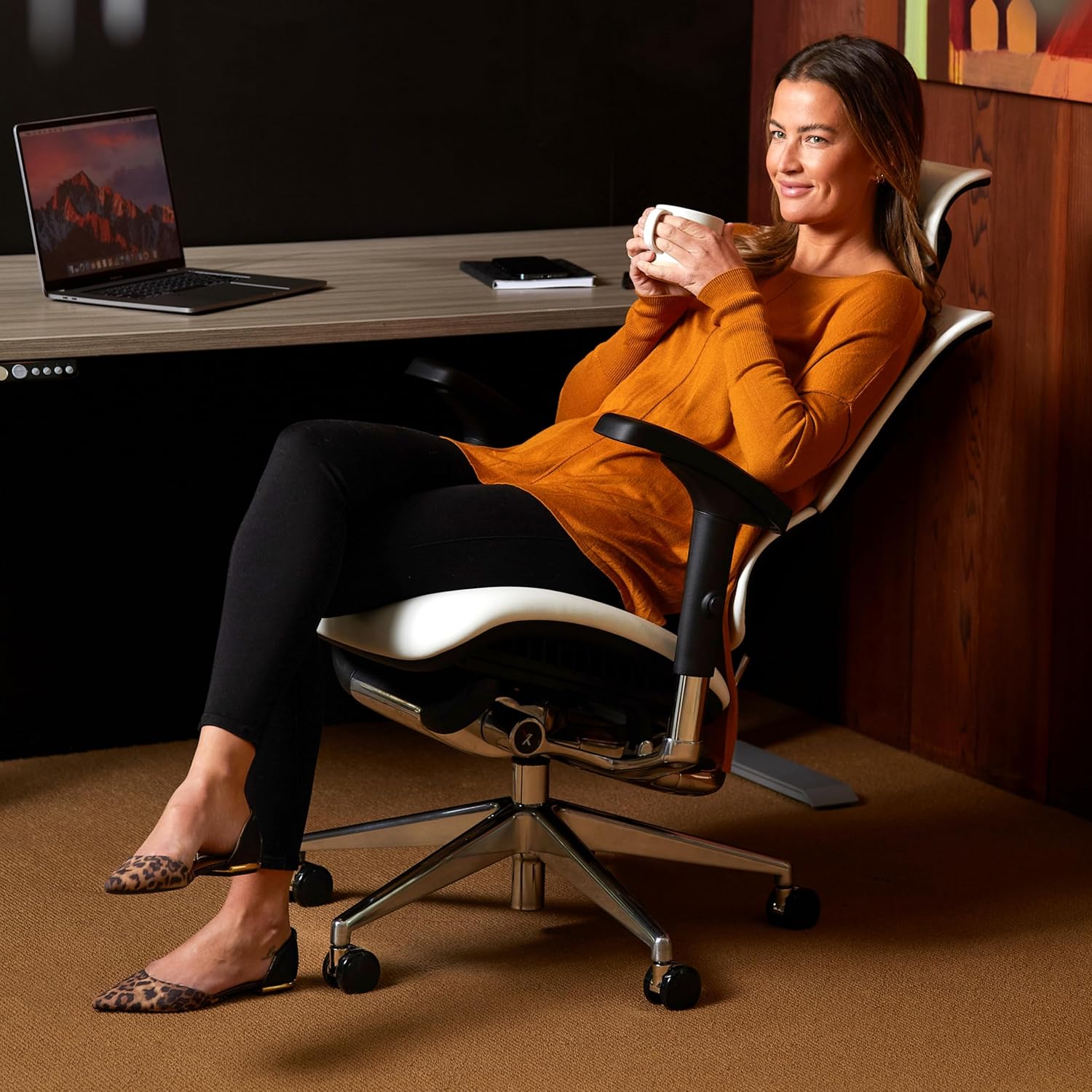
One of the biggest mistakes people make is choosing a cooling system based on the house in general instead of the area where business is actually being done. A home office has different needs from a bedroom or family room. If you spend eight or more hours a day in that space, or if you meet clients there, ship products from home, or use heat-producing equipment, your cooling needs may be much greater than you expect.
The size of the room matters, but so do ceiling height, insulation, the number of windows, how much sun the room gets, and how much heat your electronics give off. A cooling system that is too small may run constantly and still struggle to keep up. A system that is too large may cool the room too quickly without properly removing humidity, leaving the space clammy and uncomfortable.
This is why professional guidance is often worth it, especially if your home business depends on having a dependable work environment. If you are based in New Jersey, AC installation & replacement in Manasquan, NJ offers localized support for evaluating and installing the right system.
Treat Energy Efficiency as a Business Expense Decision
Home-based business owners should think about air conditioning the same way they think about internet service, office furniture, or lighting. It is part of the cost of operating efficiently. If you work from home every day, your AC system may be running harder and longer than it would in a household where everyone leaves for work in the morning.
That is why energy efficiency should be a major factor in your decision. A unit with a higher Seasonal Energy Efficiency Ratio, or SEER, may cost more upfront, but it can reduce your monthly utility bills over time. For many home business owners, that matters. Lower recurring costs help protect margins, especially when every monthly expense adds up.
Energy-efficient systems may also provide more stable cooling, which is important if you need a comfortable environment for video calls, client meetings, detailed computer work, or storing business materials that should not be exposed to high heat and humidity. The U.S. Department of Energy’s guide to central air conditioning is a useful resource for understanding how system efficiency works and what features to look for.
Choose the Type of Air Conditioning System That Matches Your Business Setup
Not every home business needs the same type of cooling system. The best option depends on how your home is laid out and how your business operates.
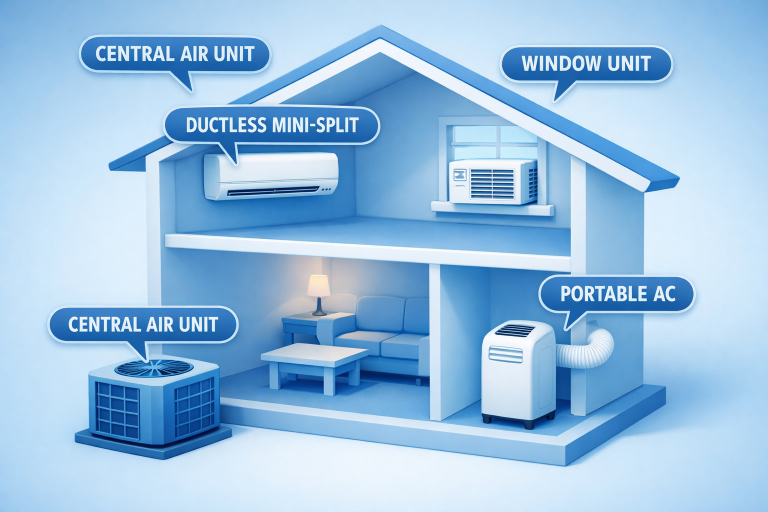
Central air conditioning is often the best fit if your work spans several rooms or if you want the entire home to stay consistently cool during business hours. This can be especially helpful for people who move between an office, a storage room, and a living area throughout the day, or who regularly host visitors at home.
Ductless mini-split systems are often ideal for dedicated home offices, converted garages, workshops, and creative studios, as well as additions not well connected to the rest of the home’s ductwork. One of the biggest benefits is zoned cooling. You can keep your workspace comfortable without paying to cool the entire house all day.
Window units can still make sense for smaller setups. If you run a side business from a single room and want a lower-cost solution, a quality window unit may do the job. The tradeoff is that it may be noisier and less seamless than a whole-home or zoned system.
Portable units offer flexibility, but they are usually not the best long-term option for someone who works from home full-time. They tend to be less efficient and can be distracting in a workspace where quiet matters.
Understanding the features, installation requirements, and ideal applications of each air conditioning system type makes it easier to select the best fit for both your budget and your living space. For a deeper dive into AC options and what to consider, visit trusted resources such as this Tom’s Guide on smart air conditioners.
Think Beyond Cooling Alone
A good home business environment is about more than temperature. Today’s air conditioning systems often come with features that can make a real difference in how your workspace feels and functions.
Smart controls are especially useful for home entrepreneurs. Being able to set schedules, control temperatures remotely, and adjust cooling around your actual workday can reduce wasted energy and improve convenience. If your work hours are irregular, smart controls make it easier to adapt without overcooling empty rooms.
Air quality features are also worth paying attention to. If you spend long stretches indoors, cleaner air can improve comfort and reduce irritation from dust, allergens, and airborne particles. This matters even more if clients, customers, or employees ever enter your workspace.
Humidity control is another feature that deserves more attention than it usually gets. Excess indoor moisture can make a room feel warmer than it really is, and it can affect comfort, paper files, packaging supplies, electronics, and stored inventory. For a home business owner, that is not just a comfort issue. It can become an operations issue.
Set a Realistic Budget, But Do Not Focus Only on Price
Small business owners are usually careful buyers, and for good reason. But when it comes to air conditioning, focusing only on the lowest upfront cost can backfire. A cheaper system may use more electricity, cool less effectively, and wear out faster if it is running long hours every day.
A better way to think about budget is to look at total cost over time. That includes the purchase price, installation cost, energy bills, maintenance needs, and expected lifespan. In many cases, spending more upfront on the right system can be the smarter business decision because it reduces long-term operating costs and creates a more dependable workspace.
This is especially true if your income depends on your ability to work comfortably from home. When a home office is central to your business, reliability matters.
Do Not Undervalue Proper Installation and Maintenance
Even a strong system can disappoint if it is installed poorly. Improper sizing, weak airflow planning, and installation shortcuts can reduce efficiency and lead to ongoing problems. That is why it is important to work with experienced HVAC professionals who can match the system to your actual space and business needs.
Maintenance matters just as much. Routine filter changes, annual inspections, cleaning, and refrigerant checks can help keep the system running efficiently and lower the risk of breakdowns when you need it most. For a home business owner, losing cooling on a high-heat day is more than an inconvenience. It can interrupt work, affect concentration, disrupt meetings, and make the workspace feel unmanageable.
Final Thoughts
Choosing the right air conditioning system for your home office or home business is really about creating a workspace that supports how you earn a living. The goal is not simply to make the room colder. It is to create a space that is comfortable, efficient, reliable, and better suited to the demands of working from home.
Take the time to assess the space carefully, compare system types, prioritize energy efficiency, and think in terms of long-term value rather than short-term price alone. For home-based entrepreneurs, the right AC system is not just a household upgrade. It is a business-supporting investment.
FAQ
What type of air conditioning system is best for a home office?
The best air conditioning system for a home office depends on how your workspace is set up and how often you use it. If you work from one dedicated room, a ductless mini-split or a high-quality window unit may be enough. If your business activities extend across several rooms, central air may make more sense because it provides more even cooling throughout the house. The key is to match the system to the actual work area rather than assuming your home’s existing setup is automatically the best fit. You should also think about noise, energy use, humidity control, and whether your business equipment generates extra heat during the day.
Is it worth paying more for an energy-efficient AC system for a home business?
In many cases, yes. When you run a business from home, cooling costs can become part of your ongoing overhead. A more energy-efficient system may cost more upfront, but it can help reduce monthly utility bills over time. That matters even more if you work long hours from home, keep certain rooms cool all day, or rely on electronics that produce heat. A better system can also provide more consistent comfort, which can help with focus, productivity, and professionalism during meetings or calls. Instead of looking only at purchase price, it is smarter to think about total operating cost over the life of the unit.
Should I cool my whole house or just my home office?
That depends on how your business operates. If you spend nearly all your working hours in one room, zoned cooling may be the more cost-effective solution. In that case, a mini-split or room-based system may help you stay comfortable without paying to cool the entire home. But if you move between multiple work areas, store inventory in different rooms, or regularly have customers or clients in the home, whole-house cooling may be more practical. The better question is not just “What is cheapest?” but “What setup best supports how I actually work each day?” Matching your system to your workflow can save money and improve comfort.
What AC features matter most for people who work from home?
For home-based professionals, the most useful features often go beyond basic cooling. Smart controls are helpful because they let you schedule cooling around your work hours and make adjustments remotely. Humidity control can improve comfort and help protect papers, electronics, and supplies. Better filtration and air quality features may also be valuable if you spend long hours indoors or meet with clients in your space. Noise level is another important factor that many buyers overlook. A loud unit can become frustrating during phone calls, virtual meetings, recording sessions, or any kind of focused work. The right feature set should support productivity, not just lower the temperature.
Why is professional AC installation important for a home business?
Professional installation matters because even a good air conditioning system can perform poorly if it is the wrong size or installed incorrectly. An improperly installed unit may cool unevenly, waste energy, cycle too often, or fail sooner than expected. For a home business owner, that can create more than just discomfort. It can interrupt work, affect concentration, and make your workspace harder to manage during busy periods. A qualified HVAC professional can evaluate room size, insulation, sun exposure, airflow, and equipment heat load to recommend the right system. That makes it more likely your investment will support your business reliably over the long term.
