
In an era where cybercrime, identity theft, and financial fraud are on the rise, Know Your Customer (KYC) verification has become one of the most effective defenses for modern businesses. Beyond regulatory compliance, KYC safeguards companies against criminal activity by verifying customer identities, assessing risk, and monitoring transactions. From biometric authentication to AI-driven checks, it builds trust and transparency across every customer interaction. This article explains how KYC helps fight fraud, prevent money laundering, and strengthen the integrity of the global financial system.
In a more digital and interconnected financial environment, like what is experienced in modern society, fraud and financial crime threats are more sophisticated than ever before. Companies, particularly those in the finance, fintech and e-commerce industries have always been under the scrutiny of making sure that they are transacting with legitimate customers.
Know Your Customer (KYC) verification comes in at this point. KYC verification is a regulatory measure, but also a strong defense mechanism that assists businesses in gaining trust, increasing the security level, and avoiding criminal exploitation.
Key Takeaways
- KYC (Know Your Customer) verification ensures businesses transact only with legitimate customers.
- It helps prevent fraud, identity theft, and money laundering through identity checks and monitoring.
- Technologies like biometrics, AI, and blockchain make KYC faster and more accurate.
- Strong KYC systems enhance customer trust, regulatory compliance, and brand reputation.
- KYC is not just a legal requirement—it’s a competitive advantage in today’s digital economy.
Table of Contents

Knowing the KYC Verification
KYC verification is a process in which a business establishes the identity of its customers respectively before a relationship is established or transactions are made. It entails gathering and authenticating any personal data like name, address, date of birth and any government-provided identification. The primary goal here is to make sure that the customers are who they say they are and that they are not using the system to commit illegal services such as money laundering, terrorist financing, and identity stealing.
The KYC check is usually divided into three phases:
- Customer Identification Program (CIP): The identification of customer identity documents.
- Customer Due Diligence (CDD): The evaluation of the risk profile of the customer according to his/her financial transaction and background.
- Constant Surveillance: Keeping a constant check on transactions and their customer behavior to identify any unusual or suspicious activities.
This is a step by step verification process that keeps the organizations in safe and open relationship with their clients.
The Increasing Reason of KYC Verification
Fraudsters can now use systems in a number of different ways with the emergence of digital banking, cryptocurrency services, and online financial services. False identities, identity theft, synthetic ID are becoming extremely popular methods of getting around poorly secured services. It is stated that billions of money are wasted annually as a result of financial fraud and money laundering.
Compliance requirements enforced by regulators throughout the entire world are more restrictive, and KYC became a legal requirement of banks, fintechs, insurance companies, and even online marketplaces. However, in addition to the legal requirements, a powerful system of KYC verification can also be used as a competitive edge. Companies that are willing to be secure and transparent have a higher chance of securing the trust as well as loyalty of their customers.

The KYC Verification of Fraud Prevention
KYC validation is a strong means of preventing fraud as it acts as a fortress that makes sure that only qualified persons are able to access the financial services. The following are some of the ways through which it assists businesses to defend themselves:
Prevents Identity Theft:
Personal information is mostly stolen by fraudsters who use them to open fraudulent accounts, borrow loans, or engage in fraud activities. The KYC verification requires biometric checks, document validation and cross referencing of databases to verify the true identity of an individual which makes it hard to trick criminals into performing an identity-switching.
Early Suspicious Behavior Detection:
With ongoing surveillance and behavioral modeling, KYC systems will raise alarm when unusual activity is detected e.g. unexpected large transaction, inconsistent information or links to high risk areas. This enables the businesses to act swiftly before loss happens.
Minimizes Account Takeover Risks:
Effective KYC procedures (particularly in combination with two-factor authentication (2FA) and biometric authentication) minimise the chances of unauthorised access to customer accounts.
Blocks Money Laundering Efforts:
The money launderers usually strive to cover illegal money in the legal financial systems. KYC helps to trace such attempts, as sources of money of customers need to be legitimate and their actions should be relevant to their represented profiles.
Improves the Security of Transactions:
KYC enhances an additional layer of authentication by ensuring that the customers are verified during the onboarding process and at important moments of a transaction to maintain a clean and secure ecosystem.

The Benefits of KYC in The Fight Against Financial Crime
Financial crime does not merely involve simple fraud but involves such activities as money laundering, financial support of terrorism, taxation evasion, and corruption. The use of KYC verification is the centre of combating these crimes as it introduces accountability and traceability in financial transactions.
Enforces the Anti-Money Laundering (AML) Programs:
AML compliance is based on KYC. Through the identification of the customers and their financial habits, a business can identify and hand over suspicious operations to the relevant authorities to avoid spreading criminal money in the economy.
Prevention of Terrorist Financing:
The terrorist organizations usually make use of coveted financial avenues to finance their activities. Strong KYC policies can assist in determining politically exposed persons (PEPs) and those associated with sanctioned lists to minimize the possibility of promoting such activities.
Establishes a Reasonable Financial System:
By ensuring that their businesses scrutinize their customers, businesses would be deterring criminals who would seek to use the system. This openness enhances the integrity of the financial network in totality.
Assists Law Enforcement
Authenticated accounts of customers aid police departments in monitoring and reporting fraudulent activities at a faster rate. KYC information may be very important to identify fraud and money laundering networks.
Use of Technology in the KYC Verification
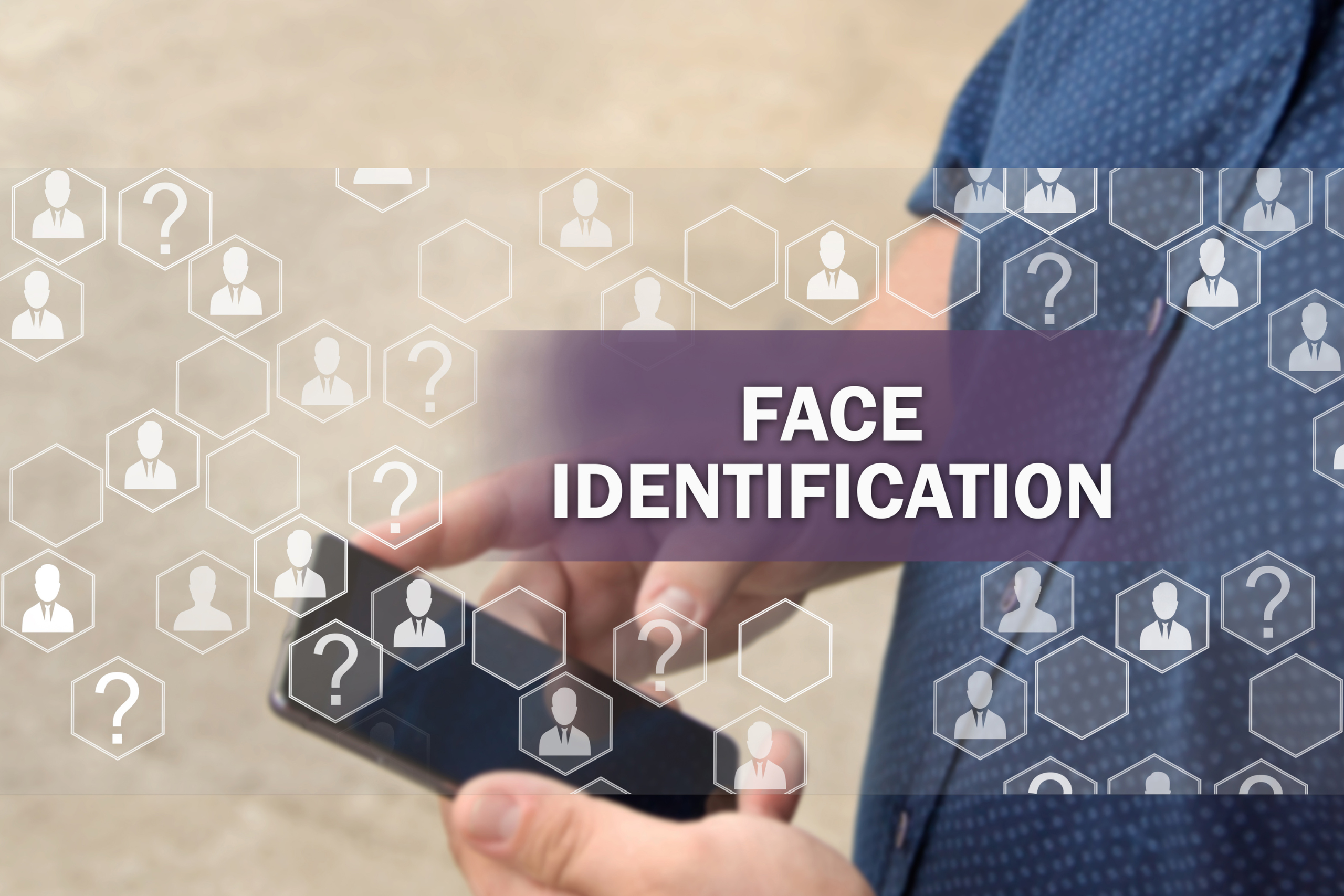
The KYC process is now made more secure, efficient, and faster thanks to modern technology. Such hi-tech products and services as AI-controlled identity checking, face recognition and machine learning algorithms are assisting enterprises in automating the check and reducing the chances of human error.
Biometric Verification: Scan either fingerprints, facial features or voice to confirm that it is authentic.
Optical Character Recognition (OCR): Recognizes data in documents such as passports and IDs at a rapid rate and at an accurate level.
Risk Scoring Tools: Assess the risk profile of a customer by using international databases and watchlists.
Blockchain Technology: Provides secure sharing and storage of data in trusted networks without communicating privacy.
Combining such technologies, companies can offer a user-friendly experience and at the same time, be in full compliance with the strict rules.
Building Trust Through KYC
KYC verification is an important part of customer trust building in addition to compliance and fraud prevention. Users will feel more secure when a business has made an emphasis on security and identity verification, as they will have a greater confidence in the business that they will run transactions and share their data. An effective KYC system is an indication of credibility and integrity, which entices both customers and partners.
Furthermore, companies investing in effective KYC procedures are capable of optimizing the unit of onboarding, minimizing the false positives, and improving the efficiency of business activities. This customer security and convenience are two keys that enhance a long-term relationship.

Conclusion
KYC verification is no longer a luxury in a digital transaction world where cybercriminals keep on improving, but it is a necessity in this place. It does not only guarantee adherence to regulations, but also protects businesses against fraud, money laundering, and financial crime. Using modern KYC technologies and risk-based approach, organizations will be able to protect their operations, reputation, and develop trust in an ever more digital economy.
Frequently Asked Questions (FAQs)
Why is KYC verification so important for businesses today?
KYC verification is critical because it helps businesses confirm the identity of their customers before any financial relationship begins. This process prevents criminals from exploiting services for money laundering, identity theft, or fraud. In a world where digital transactions are increasing, fraudulent activities have become more sophisticated. Implementing KYC allows businesses to stay compliant with anti-money-laundering (AML) regulations while protecting their brand reputation. Moreover, it builds customer trust by showing that the company prioritizes safety, transparency, and responsible financial practices.
How does KYC help prevent financial fraud?
KYC plays a key role in preventing fraud by verifying the authenticity of customer information through documents, biometrics, and behavioral data. Fraudsters often use stolen or fake identities to open accounts, take loans, or conduct illicit transfers. KYC systems use advanced technologies such as facial recognition and data cross-checking to detect inconsistencies early. Continuous monitoring also flags unusual activities—such as high-value or suspicious transactions—so that businesses can act before damage occurs. In short, KYC stops criminals at the door and protects the entire financial ecosystem.
What are the main components of the KYC process?
A robust KYC process includes three main components:
– Customer Identification Program (CIP): Collects and verifies documents like IDs, passports, and proof of address.
– Customer Due Diligence (CDD): Evaluates each customer’s risk level based on background and transaction behavior.
– Ongoing Monitoring: Continuously tracks customer activity to identify suspicious patterns.
Together, these steps ensure ongoing security rather than a one-time verification. KYC isn’t just an onboarding requirement—it’s a continuous shield against evolving financial threats.
What technologies are used to improve KYC verification?
Modern KYC systems use artificial intelligence, machine learning, and biometric verification to improve accuracy and efficiency. AI helps detect forged documents or abnormal patterns, machine learning enhances fraud detection over time, and biometric tools—such as facial recognition or fingerprint scans—verify authenticity instantly. Blockchain technology is also emerging as a secure way to store and share verified identity data between trusted entities. These technologies not only reduce human error but also create a faster, smoother, and more user-friendly verification experience.
How does KYC contribute to building customer trust?
Trust is the foundation of any successful business relationship, and KYC directly strengthens that foundation. When customers see that a company takes security seriously—by verifying identities and protecting sensitive data—they feel more confident sharing information and conducting transactions. KYC demonstrates transparency, integrity, and compliance with global regulations. This reassurance is especially vital in industries like banking, fintech, and e-commerce, where consumer confidence drives long-term loyalty. By showing accountability and safeguarding customer interests, businesses using strong KYC systems gain a lasting competitive edge.
