When it comes to company safety, there are a lot of things to think about. You need to ensure that your employees and products are safe. The same thing applies to your equipment, tools, and premises. When you consider the most common types of IT services and choose what you need, online security should be a key consideration. In this article, we’ll discuss 8 ways you can boost your company and make it safer.
1. Think About Cyber Security
This is the practice of protecting electronic information by mitigating information risks and vulnerabilities. By safeguarding it, you can reduce the chances of a data breach or other cyberattack. Here are some ways to achieve this:
- Keep your software up to date.
- Use strong passwords and two-factor authentication.
- Educate your employees about cyber security.
- Restrict access to sensitive data.
- Back up your data regularly.
- Invest in cyber insurance.
- Monitor your systems for signs of an attack.
You can discover more about this subject by viewing specialist blogs and websites. They can explain things like firewalls and virus protection software. If you’re interested in further education you could research a cyber security program, tech core course, or Bachelor’s degree. You could learn about web security, information security, mobile devices, and more.
2. Install A Security System
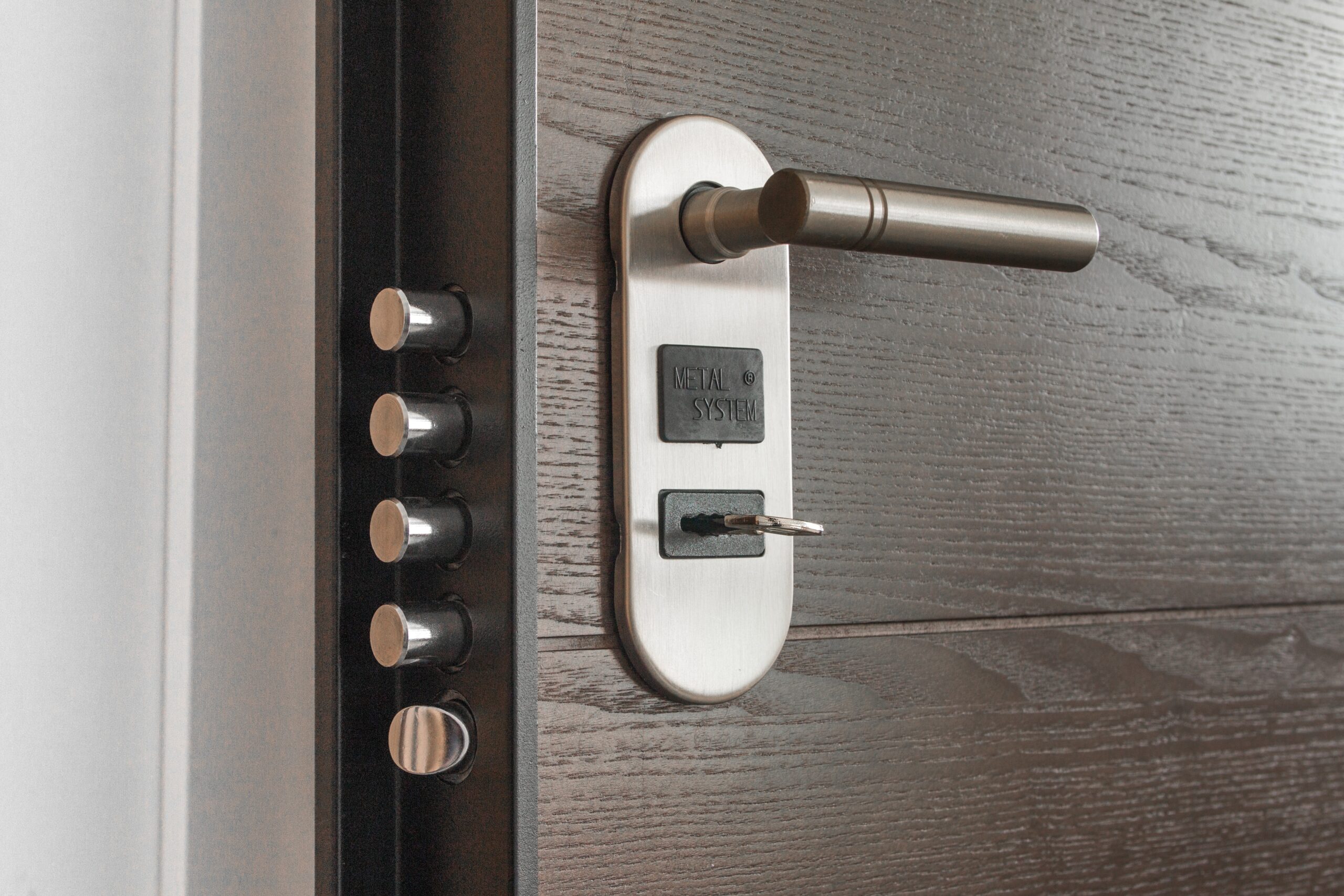
This can be anything from a simple CCTV unit to a more complex access control system (depending on your company’s specific needs). If potential criminals see that your premises are protected by a security system, they’ll be less likely to target you. In turn, this can prevent break-ins, theft, property damage, or vandalism.
In addition to protecting your premises, you’ll be able to safeguard your employees’ well-being. Many insurers will only provide cover if you have a security system in place, so you may not have a choice anyway. Finally, customers will feel more confident using your services if they can see that you take security seriously.
3. Provide General Safety Equipment
There are many different types of safety equipment, and each has its own benefits. Fire extinguishers are a must in any workplace because they can help to prevent fires from spreading. First aid kits should be readily available so people can quickly treat people who’ve sustained work injuries.
Smoke detectors can help to warn employees of potential fires, thus preventing staff injuries. Emergency exits should be clearly marked and easily accessible so people can leave in the case of a fire etc. Finally, safety signs can help to remind employees of potential hazards (e.g. toxic chemicals, slippery floors, etc.).
4. Supply Personal Protective Equipment
PPE is equipment worn by employees to protect their bodies from injury. Common examples include gloves, safety glasses, helmets, and earplugs. Wearing PPE can help prevent injuries by creating a barrier between the user and the hazard.
Some industries that commonly use PPE include construction, manufacturing, and healthcare. The equipment should be worn correctly and consistently in order to be effective.
5. Provide Full Staff Training
From the moment you employ people, they should receive full training on how to safely do their jobs (including the use of PPE and equipment). You should also provide refresher training and notify staff when there are any changes to the equipment or procedures. Also, choose and train people who can help in the case of an emergency (e.g. fire marshals and first aiders).
Emergency procedure training should explain what they need to do if there’s e.g. a fire or chemical spill. Also, hazard communication training covers how to identify and avoid potential hazards in the workplace – and how to voice your concerns. In terms of safety training you could use:
- Online training programs
- Classroom training courses
- Hands-on safety training exercises
6. Have Your Equipment Regularly Maintained And Serviced
This can help to ensure that your equipment’s always in good working condition. This can prevent there being downtime when it stops functioning properly (which would reduce productivity and have a negative financial impact on your business). By looking after your equipment you’ll be prolonging its life and also (more importantly) helping prevent accidents and injuries from occurring.
You may be able to maintain your equipment in-house. However, if you don’t have the necessary resources, you can always hire a professional company to do it. They’ll have the necessary skills and equipment to check everything and make any repairs or replacements. Plus they can conduct regular servicing as often as it’s needed.
7. Conduct Safety Audits
Whether you do this yourself or hire someone, it should be done on a regular basis. You should inspect:
- The building
- Work areas
- Equipment
- Tools
- Materials
- Safety equipment
This will ensure that potential hazards are identified and corrected before they result in a workplace accident. Additionally, this can improve productivity and create a culture of safety awareness within the company.
8. Know What To Look For
There are many types of accidents and injuries that can occur while people are working. They’ll largely depend on the nature of the activity, and the environment in which it’s occurring. Here are some possible examples:
- Falls from ladders or scaffolding
- Slips, trips, and falls on wet or icy surfaces or damaged stairs
- Being hit by falling objects
- Cuts from using knives or other sharp tools
- Burns from hot liquids or chemicals
- Electric shocks
By being aware of the potential problems you can take the necessary precautions to avoid them. For example, if you know that there’s a risk of falls, you can make sure that ladders are used correctly and that scaffolding is erected properly. If slippery surfaces are a problem, you can put up signs and make sure that people are wearing the appropriate footwear. If you discover wires trailing along the floors or boxes stored on the tops of cupboards, take steps to rectify this immediately.
These have been 8 ways that you can make your business safer. In turn, it can boost your company’s morale and productivity. You’ll avoid the legal action that often comes with workplace injuries, and customers will have greater respect for your business.