

Key Takeaways
- Decision fatigue can negatively impact business productivity by draining mental energy from repetitive, small choices.
- Smart storage systems reduce visual clutter and streamline routines, freeing up cognitive resources for more important decisions.
- Divide storage by frequency of use (daily, weekly, seasonal) to minimize micro-decisions and maximize efficiency.
- Digitizing documents and setting up zones for work vs. personal life creates a cleaner, clearer environment for focus.
- Using off-site storage units helps home-based businesses scale while keeping the primary workspace calm and uncluttered.
- The goal isn’t just organization—it’s better mental performance and reclaiming your decision-making power as a business owner.
Running a small business means juggling a never-ending list of responsibilities. From managing customer relationships and tracking inventory to keeping up with marketing and finances, decision-making is constant. And while some choices are exciting, like designing your logo or selecting new products, others feel draining.
That’s where decision fatigue sneaks in, quietly eroding your mental energy and making everyday tasks harder than they should be. One underrated solution? Storage.
Not just the bins in your closet or that half-full cabinet in the hallway, but smart, intentional storage systems that reduce clutter and streamline your daily decisions. Here’s how business owners and small-scale entrepreneurs can leverage storage to cut decision fatigue and focus on what really matters.
Table of Contents
Understanding Decision Fatigue
First, let’s talk about what we’re dealing with. Decision fatigue refers to the deteriorating quality of decisions made after a long session of decision-making. The more choices you’re forced to make throughout the day, big or small, the more your ability to make high-quality decisions declines. You become more likely to procrastinate, make impulsive choices, or avoid decisions altogether.
For small business owners, that’s a problem. Whether you’re deciding how to respond to a customer inquiry, how to further grow your business, or where to store the new shipment of supplies, your day is full of micro-decisions that add up fast. This is where your storage setup plays a subtle but vital role.

Decluttering = Fewer Daily Decisions
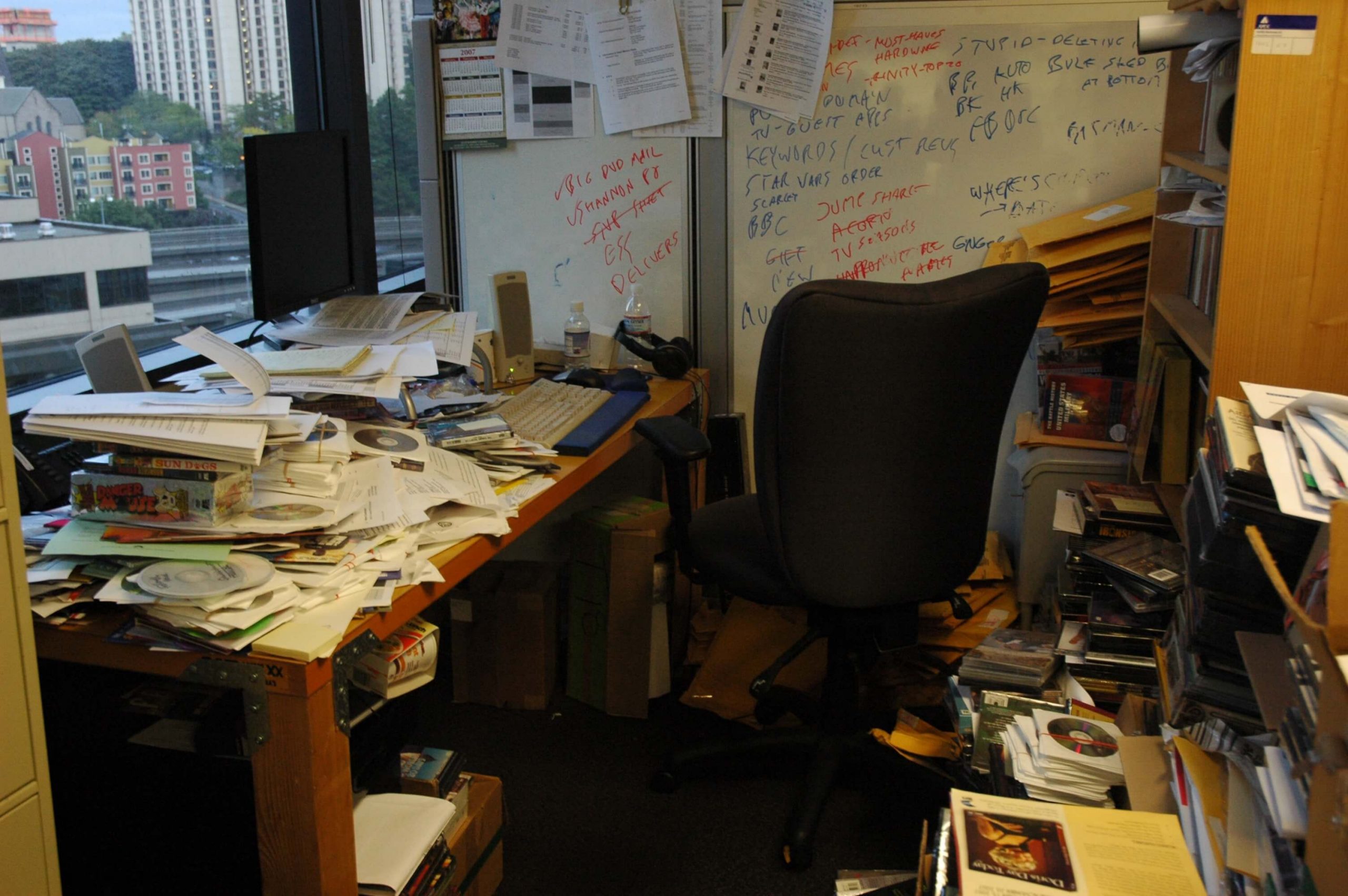
Every time you see a messy shelf, an overstuffed drawer, or an overflowing inbox, your brain registers it as something that needs your attention. Even if you don’t consciously act on it, it adds to your mental load. A well-organized storage system reduces this visual and mental clutter, freeing up cognitive space and boosting your productivity.
For home-based entrepreneurs, this might mean:
- Separating business and personal items clearly
- Using labeled bins, drawers, and cabinets to quickly find what you need
- Creating designated areas for packaging materials, supplies, and paperwork
When everything has a place, you waste less time hunting things down—and that’s one less decision you have to make on a busy workday.
Set-It-and-Forget-It Systems
The key to reducing decision fatigue is making fewer decisions, not more efficient ones. That’s why creating simple, repeatable systems through storage is so powerful.
For example:
- Inventory management: Use stackable storage boxes with clear labels to sort and rotate stock. You’ll know at a glance what’s running low, instead of digging through shelves every week.
- Shipping supplies: Keep all packaging materials like tape, labels, boxes, and envelopes in one mobile cart or storage caddy. When it’s time to ship orders, everything is ready to go.
- Paperwork storage: Dedicate a drawer or file box to your business receipts, contracts, and important documents. Use monthly folders so filing becomes automatic.
If you’ve expanded into a storage unit to keep overflow stock, seasonal inventory, or bulky supplies, the same logic applies—just on a larger scale. So, how to organize your storage unit for easy access? Don’t just stack boxes and hope for the best. Use shelving, leave walking paths, and keep frequently used items near the front. You can explore more ways to make your unit work for you so it becomes an efficient extension of your workspace, not a cluttered dead end.

Divide by Frequency
Another smart way you can use storage to cut decision fatigue is by organizing by frequency of use. This minimizes friction in your day and stops you from making unnecessary decisions about what goes where. So, for example, daily-use items should live in open bins or on easily accessible shelves near your main work area. On the other hand, Weekly or occasional-use items, such as bulk packaging materials, seasonal inventory, or backup supplies, can be stored in closets, under-bed containers, or even off-site if space is limited. This tiered approach lets you keep your workspace clear and efficient without constantly rearranging things. Less shifting means fewer choices and less stress.
Creating Zones for Mental Clarity
Physical boundaries can support mental ones. If your home office doubles as your dining room, or your packaging station is crammed into a corner of the bedroom, it can be hard to switch gears. Zoning your space with the help of storage furniture is a game-changer.
Try using:
- Shelving units or room dividers to mark business vs. personal space
- Rolling carts that can be tucked away at the end of the day
- Storage ottomans or benches that double as seating and supply storage
These small changes create psychological cues that help you “leave work” even when you work from home, giving your brain a much-needed break.
Alt: A man in a storage unit
Caption: Create zones in a storage unit to keep everything organized
Digitize When Possible
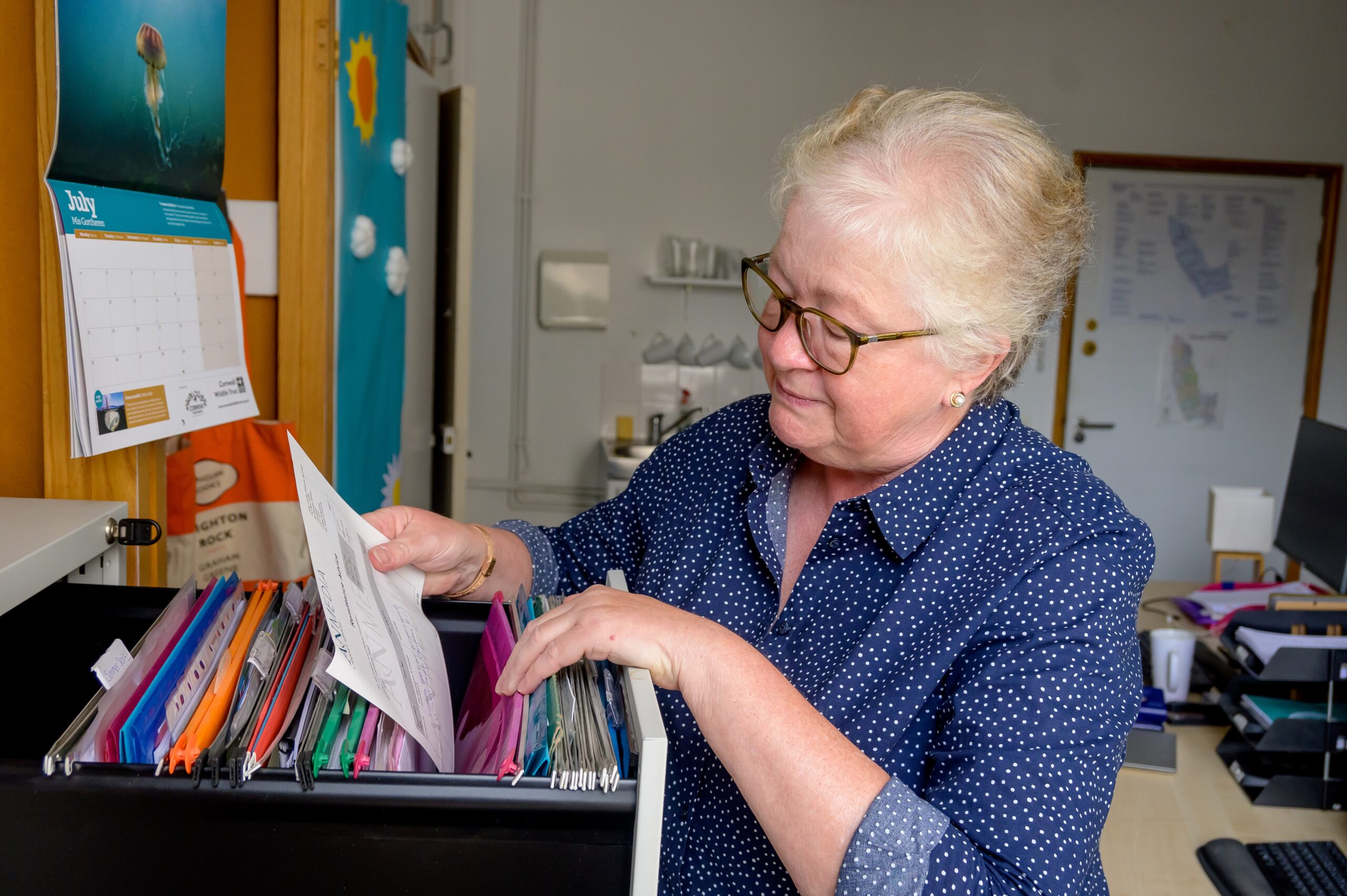
Clutter often shows up in stacks of old notebooks, overflowing file folders, and chaotic email inboxes. Every one of those visual reminders pulls your attention and adds another layer of decision-making to your day. One of the easiest ways to clear mental space? Start digitizing your media.
Scanning receipts, uploading client contracts, and storing design files in cloud platforms like Google Drive, Dropbox, or Notion lets you get rid of the paper stacks and the stress that comes with them. When your documents live in clearly labeled digital folders, you no longer have to dig through drawers or shuffle piles just to find what you need.
Offload What You Can
If your home-based business is growing, you might be running out of space—and running out of mental energy. Renting a small storage unit can give you the breathing room to scale without turning your home into a warehouse. It’s especially useful if you deal with:
- Seasonal products
- Bulky supplies
- Trade show materials
- Archive paperwork
By relocating these items off-site, you declutter your environment and simplify your day-to-day decisions. You’ll only interact with those items when needed, which cuts down the noise and keeps your work area focused.

Final Thoughts
Entrepreneurs often look for complex solutions to improve productivity, time management tools, multitasking strategies, and mental tricks to increase focus. However, sometimes the simplest decision to use storage to cut decision fatigue is the most effective. When your space supports your workflow, you stop wasting brainpower on the little things and start making better calls on the big ones. Whether you’re shipping handmade products, coaching clients, or building a digital empire from your kitchen table, smart storage is one of the best investments you can make, for your business and your peace of mind.
Frequently Asked Questions (FAQ)
What is decision fatigue and why should entrepreneurs care about it?
Decision fatigue is the mental exhaustion and reduced quality of decision-making that happens when you’re forced to make too many choices throughout the day. For entrepreneurs, who often wear many hats and face countless micro-decisions daily—everything from replying to emails to choosing which task to prioritize—decision fatigue can be a major barrier to productivity. As mental energy drains, you’re more likely to procrastinate, make impulsive choices, or delay decisions altogether. This can slow business growth and increase stress. By minimizing the number of daily decisions through streamlined storage and routine systems, entrepreneurs can preserve mental clarity for high-impact decisions.
How exactly does storage reduce decision fatigue for business owners?
Storage helps by eliminating the clutter that causes mental distractions. Every object you see in your space represents a potential task or decision—“Where should this go?” or “Do I still need this?” When everything has a place and your environment is organized, your brain doesn’t waste energy processing disorder. Additionally, having dedicated storage zones for frequently used items, clearly labeled bins, and “set-it-and-forget-it” systems like rolling supply carts reduces the need to search or plan. You streamline your workflow and reduce repetitive tasks, which leads to fewer decisions throughout your day—and that directly combats decision fatigue.
What are some examples of effective storage systems that support productivity?
Effective storage systems are ones that align with your workflow and make commonly used tools easily accessible. For example, if you ship products, a mobile cart containing tape, boxes, labels, and scissors means you can handle fulfillment without hunting down supplies. For paperwork, color-coded monthly folders or labeled accordion files help you store receipts or contracts quickly and consistently. If you manage inventory, stackable transparent bins with bold labels help you track stock without constantly reorganizing. The key is that these systems should require little thought to use—once set up, they run on autopilot, letting you focus on more meaningful work.
When should a small business consider renting an off-site storage unit?
A storage unit becomes useful when your home or office can no longer support your business operations efficiently. If you find that your workspace is overflowing with seasonal products, bulky materials, or rarely accessed supplies (like trade show booths or archive documents), it might be time to expand externally. Off-site storage lets you maintain a clutter-free and productive daily workspace while still keeping essential business assets accessible. It’s especially ideal for e-commerce sellers, event-based businesses, or any entrepreneur scaling up inventory. When used wisely, storage units act as an affordable extension of your operations without overwhelming your core space.
Can digital storage really help reduce decision fatigue too?
Yes, absolutely. Digital clutter is just as mentally taxing as physical clutter. When your inbox is overflowing or your files are scattered across desktop folders, it creates decision overload every time you sit down to work. By scanning important documents and organizing files into clearly labeled folders on cloud platforms like Google Drive, Notion, or Dropbox, you remove layers of friction from your workday. You spend less time searching and more time doing. Just like physical storage, digital storage creates structure and order, helping your mind stay focused. It also future-proofs your operations with easier access and backups.
