Although the budget may sometimes be tight if you have a small and medium-sized enterprise (SME), investing in company cars can be a smart move that offers several benefits.
A well-branded company car acts like a rolling billboard, advertising your name wherever it goes. This helps boost your brand’s visibility and even attract potential new employees since it’s a perk that workers appreciate, especially those who need to travel regularly.
Moreover, company cars offer convenience and flexibility that ensure your team can meet clients or deliver services without relying on public transport. Commuting often causes delays, which can affect your reputation and potential sales.
Investing in company cars is a strategy worth considering if you want to convey a professional image and improve your business’ operational efficiency.
With the right vehicle insurance in Saudi Arabia and other tips and practices for protecting your investment, you can keep them in excellent condition, safe, and functional for many years.
Table of Contents

Protecting Your Company Vehicles
Below are the best tips and practices for protecting your company vehicles:
1. Get the right insurance for each vehicle.
Whether you have one or more company cars, getting the right insurance allows you to protect both the vehicle and employees in case of an accident.
When shopping for insurance, choose a policy that provides high liability, collision, theft, and vandalism coverage. Also, consider getting coverage for cargo, employees, and specialized vehicles.
You may want to look into add-ons like comprehensive or uninsured motorist insurance to cover unexpected issues, such as theft or accidents caused by drivers without coverage.
If your vehicles are used for specific purposes, speak with representatives of insurance companies in Saudi Arabia to discuss each ride’s particular needs. For instance, a delivery van requires coverage different from that of a car used by your sales team.
Before committing to a particular car insurance plan, make sure you understand the premium, terms, and conditions. Once you have coverage, review the policy regularly to ensure it meets your constantly changing business needs.
2. Entrust the vehicles to seasoned and trustworthy drivers.
If you’re giving your current employees a company car, make sure they have a valid license and enough driving experience.
If you’re hiring new drivers, check each candidate’s driving records for violations or accidents. They should have a good driving history to ensure they can handle the company vehicles properly and safely.
Whether you have new or current employees handling a vehicle, ensure they understand its purpose and value and the role it plays in daily operations. Offer driver training programs as well so that they can improve their skills and learn more safe driving habits.
Moreover, make sure your employees know that you won’t tolerate reckless behavior when they are on the road.

3. Establish clear vehicle usage policies.
Before you give an employee the key to a company vehicle, have them read and sign a document detailing the policies for how they are expected to use, care for, and return the car.
These policies should include the following:
- Strict rules for using the company vehicle for personal use, particularly when they’re not working.
- Guidelines for fueling, regular cleaning, and how to handle any mechanical issues that arise during use.
- How to report accidents or damage.
- The coverage, terms, and conditions of the vehicle insurance.
Additionally, include the consequences for violations they make to ensure accountability.
4. Upgrade the car’s security and safety system.
When your car is equipped with the latest safety and security features, you can reduce the possibility of it being stolen. You can also keep track of the drivers and know if they’re using the vehicle for its intended use.
Below are some features you can consider installing in your company vehicles if they don’t have them yet:
- Dash cams
This feature records the road and interior of the car while it’s being driven. The footage can resolve disputes, reduce liability in case of an accident, and help deter theft and vandalism.
Dashcams also promote safer driving habits since your employees know they’re being recorded when they’re inside the vehicle.
- GPS tracking system
This security feature protects the company vehicle against unauthorized use. It also monitors the car and gives you real-time information regarding its location.
- Remote turn-off technology
This feature offers another way to reduce the risk of unauthorized use and theft of your company vehicles. It allows you to turn off the car and stop it from being stolen.
Although these additional features mean additional expenses on your part, they are worth the investment since they give the vehicles additional protection.
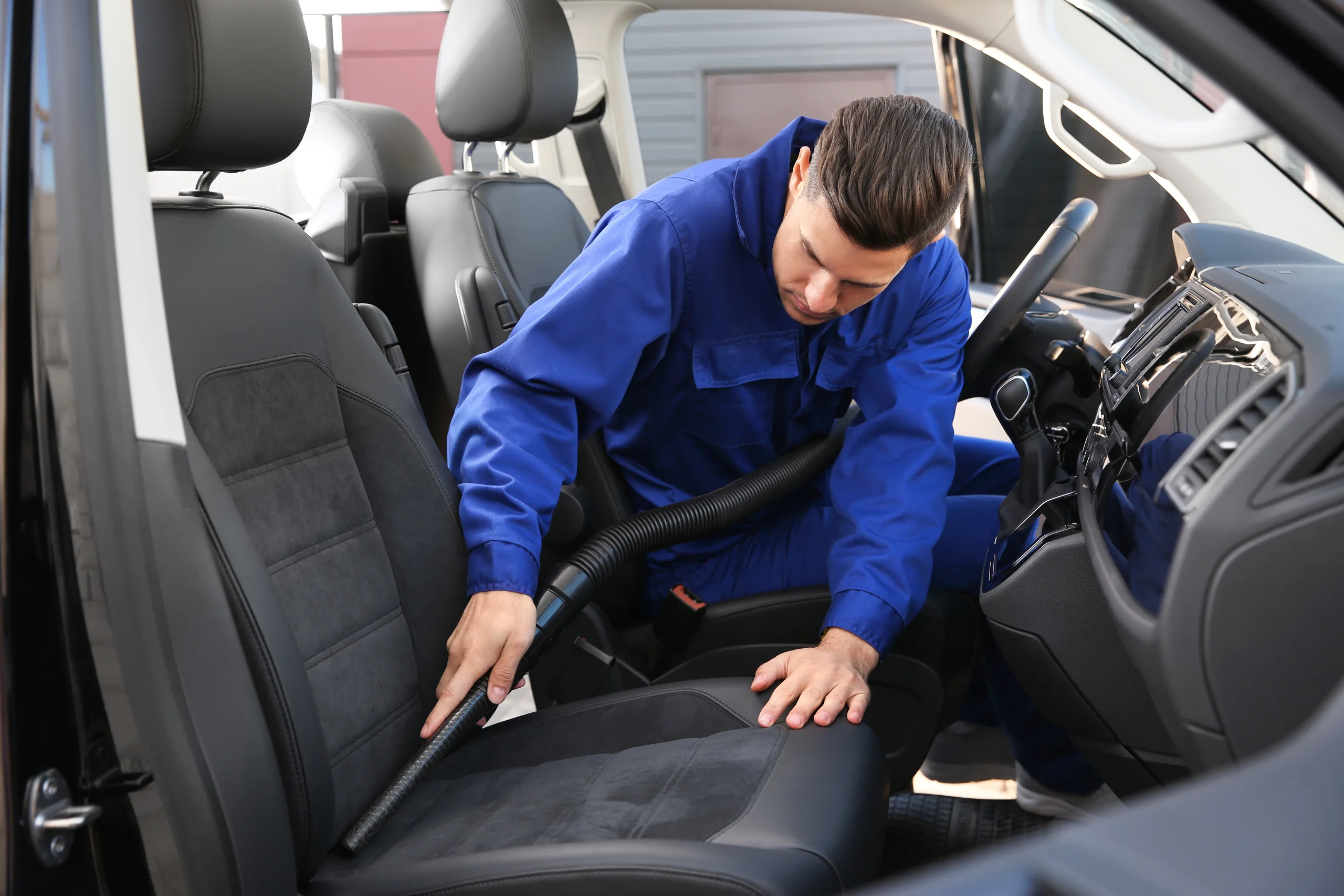
5. Have a plan for dealing with cosmetic damage.
Small dents, scratches, and chipped paint on vehicles can worsen over time, especially if they are constantly exposed to elements. Although they may seem minor, they can affect your company’s image and lead to more serious issues in the long run if they are left unchecked. Because of this, you need to have a plan for addressing cosmetic damage quickly.
Start by encouraging employees to report any damage, both minor and major, as soon as it happens. Consider setting up a process for regular inspections to catch issues early.
Make sure you know an affordable and trustworthy mechanic who can repair any damage quickly so you can get the vehicle up and running again in the shortest time possible.
6. Ensure the vehicles undergo regular maintenance and inspection.
Regular maintenance helps you keep your company vehicles running smoothly and extend their lifespan.
Below are some tips for making sure you maintain your company vehicles properly:
- Create a schedule for regular inspections and routine services like oil changes, tire rotations, and brake checks.
- Have a mechanic inspect the vehicle annually to ensure all parts and systems are working efficiently.
- Make sure the drivers know the typical signs of car or engine trouble, such as unusual noises or warning lights. Have them report these potential issues immediately.
- Know the manufacturer recommendations for each vehicle because they likely have specific guidelines for optimal and safe performance.
- Keep detailed maintenance records to track repairs easily. These records can also be handy when you want to sell the vehicle since potential buyers want to know that it is well-maintained, which is an essential part of buying a used car.
With these tips and practices, you can leverage the benefits of having company cars for a long time and with fewer worries.