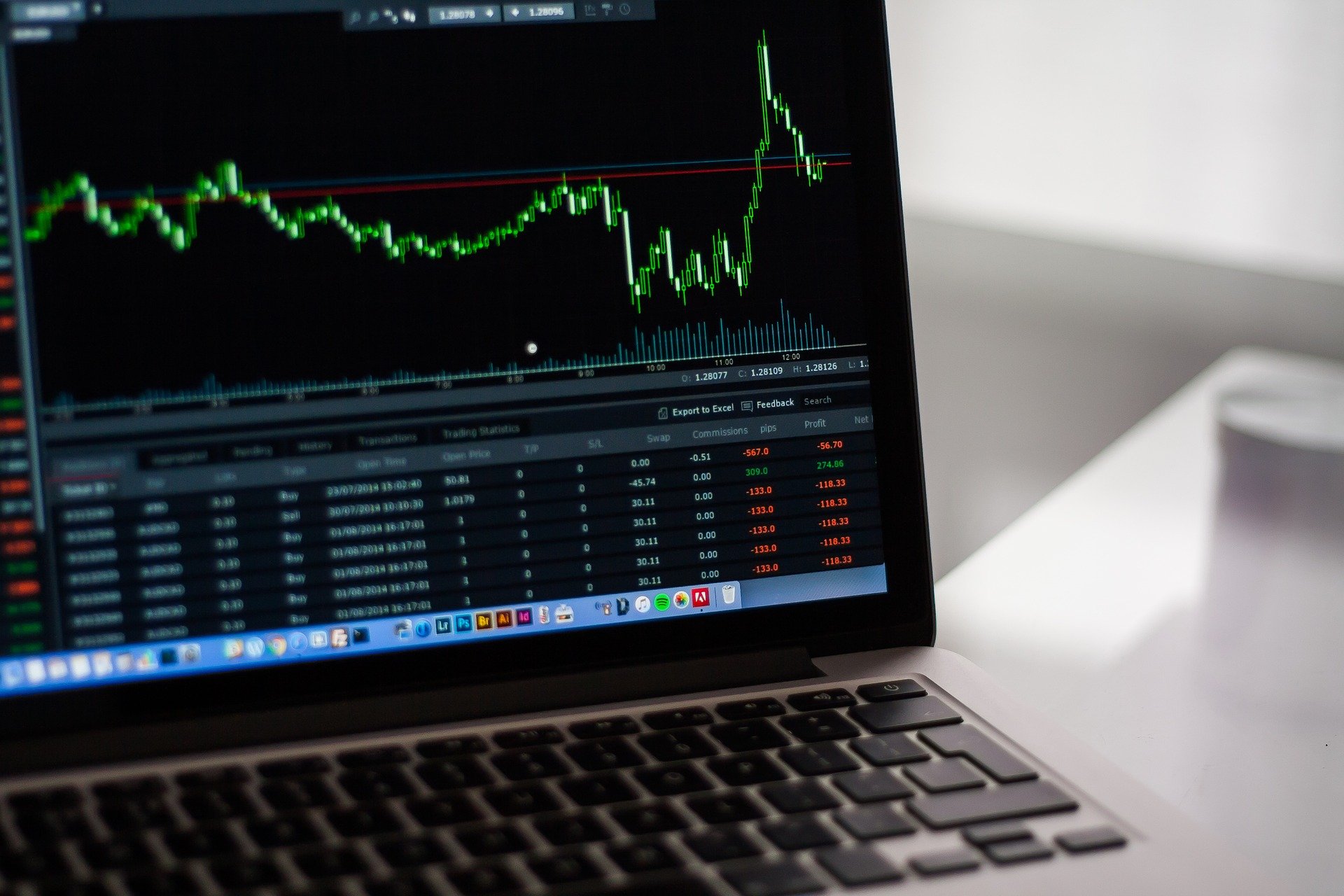
Day trading is a fast-paced and challenging venture that offers both the thrill of quick decision-making and the potential for substantial profits.
However, it’s not a game of luck. To succeed, day traders need a combination of strategy, discipline, and continuous improvement. Whether you’re a beginner or looking to refine your skills, improving at day trading requires focus, practice, and a commitment to learning.
Here’s a guide to help you sharpen your day trading skills and build a solid foundation for success.
Table of Contents
1. Master the Basics
Before digging deeper, it’s essential to understand the fundamentals of day trading. This includes knowing how the stock market works, the types of securities you can trade (like stocks, options, futures, and forex), and the tools traders use to analyze the market.
Bid-Ask Spread
The bid-ask spread is the difference between the price buyers are willing to pay and the price sellers are asking for.
Volume
Volume is the number of shares or contracts traded in a given period.
Volatility
Volatility is how much a stock’s price fluctuates, providing opportunities for short-term gains.
Technical Indicators
Tools like moving averages, Relative Strength Index (RSI), and Bollinger Bands can help predict price movements.
The more familiar you are with these basics, the easier it will be to make informed decisions.

2. Develop a Clear Trading Strategy
A solid trading strategy is your roadmap for navigating the markets. Without a plan, it’s easy to make impulsive decisions that lead to losses. Your strategy should outline how you identify opportunities, when to enter and exit trades, and manage risk. Popular day trading strategies include:
Scalping
Scalping focuses on capturing small price movements through frequent trades.
Momentum Trading
Momentum trading involves trading stocks showing strong upward or downward trends, often driven by news or volume.
Breakout Trading
Breakout trading targets stocks that break through key support or resistance levels with high volume.
Reversal Trading
Reversal trading identifies when an asset’s price is about to reverse from overbought or oversold levels.
Choose a strategy that aligns with your risk tolerance, time availability, and trading goals. Stick to it consistently and refine it based on your experiences.
3. Practice With a Demo Account
Before risking real money, practice your trading strategy in a simulated environment. A day trading simulator allows you to practice without risk, test strategies without financial consequences, learn the ins and outs of your trading platform, and practice timing trades, analyzing charts, and managing positions.
Treat your demo account seriously, as if it were real money. This will help you build habits that translate to success in live trading.

4. Focus on Risk Management
Even the best traders experience losses — it’s part of the game. What separates successful traders from the rest is how they manage risk. Risk management ensures that a few bad trades won’t wipe out your entire account.
Use Stop-Loss Orders
Set predefined levels at which you’ll exit a losing trade to prevent larger losses.
Limit Position Sizes
Never risk more than one to two percent of your total account balance on a single trade.
Set Daily Loss Limits
Decide how much you’re willing to lose in a single day and stop trading once you reach that limit.
5. Master Technical Analysis
Technical analysis is a cornerstone of day trading. By analyzing price charts, patterns, and indicators, traders can predict potential price movements and identify optimal entry and exit points. You can use the following tools:
Candlestick Charts
See open, high, low, and close prices for a specific period.
Support and Resistance Levels
These help identify where a stock’s price is likely to reverse or break out.
Indicators
Moving averages, RSI, Moving Average Convergence Divergence (MACD), and Bollinger Bands provide insights into trends, momentum, and volatility.
Start with a few basic tools and gradually expand your knowledge as you gain experience.

6. Control Your Emotions
Day trading can be an emotional rollercoaster, especially when large sums of money are at stake. Fear, greed, and frustration can lead to impulsive decisions that derail your strategy. Consider these calming tactics:
Stick to Your Plan
Avoid second-guessing your strategy mid-trade.
Take Breaks
Step away from the screen if you’re feeling overwhelmed.
Accept Losses
Learn from losses rather than trying to “revenge trade” to recover.
Emotional discipline is just as important as technical knowledge in day trading.
7. Keep a Trading Journal
One of the best ways to improve is by tracking your progress. A trading journal allows you to record every trade, analyze what worked and what didn’t, and identify patterns in your performance.
Include the stock or asset traded, entry and exit points, reasons for the trade (based on strategy or analysis), the outcome, and lessons learned.
Review your journal regularly to spot strengths and areas for improvement.
Trade With Confidence
Day trading can be both rewarding and challenging. To get better, focus on mastering the basics, developing a solid strategy, and staying disciplined. Practice with a demo account, manage your risk carefully, and never stop learning.
By taking a methodical approach and committing to continuous improvement, you’ll be well on your way to becoming a more successful day trader.