

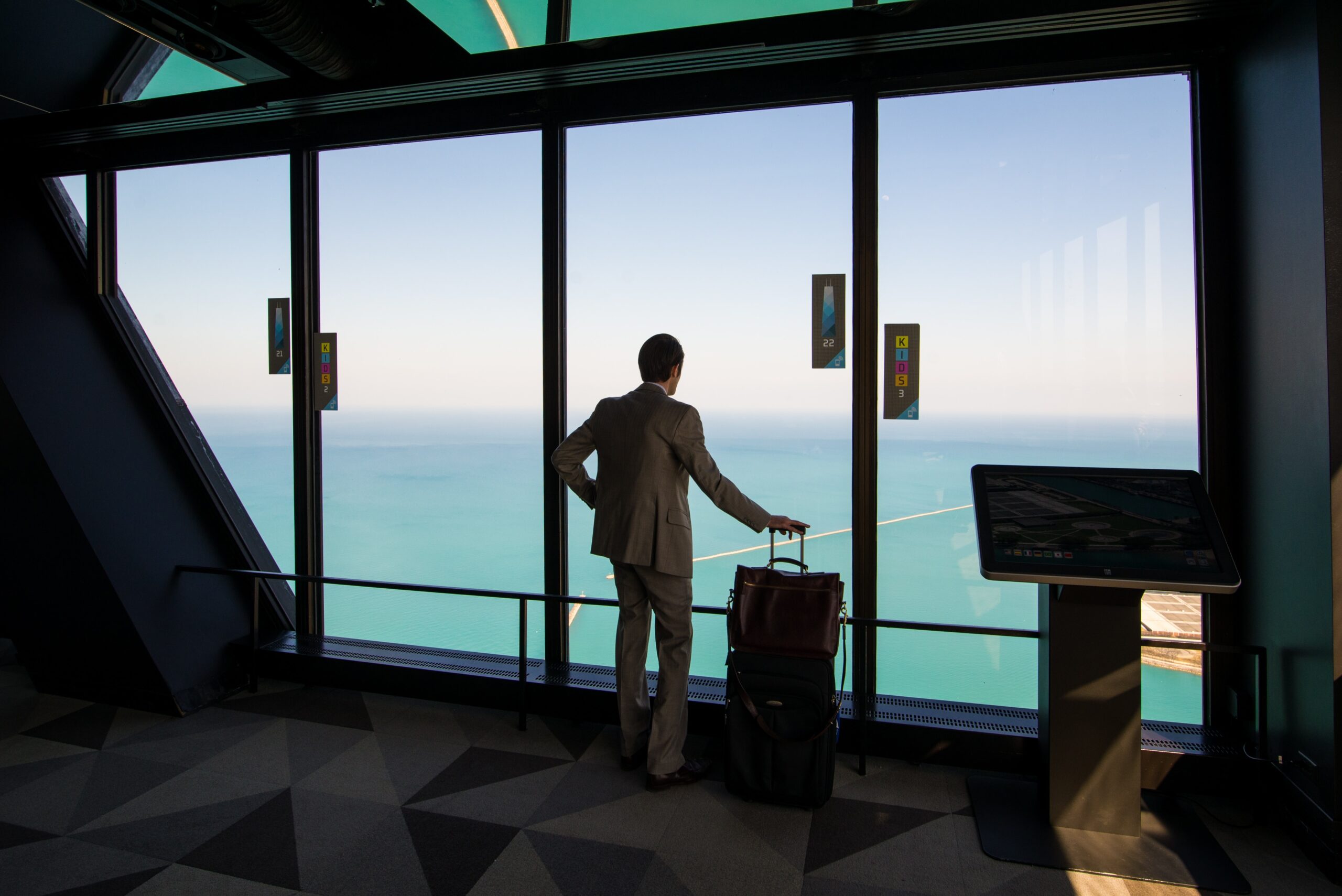
Business trips are an essential part of professional growth and operations, providing opportunities for networking, client meetings, and exploring new markets. However, successful business travel requires careful planning and attention to detail to ensure a smooth and productive experience. From organizing your itinerary to ensuring safety and comfort during transit, meticulous preparation can make all the difference in how effectively you meet your objectives.
Table of Contents
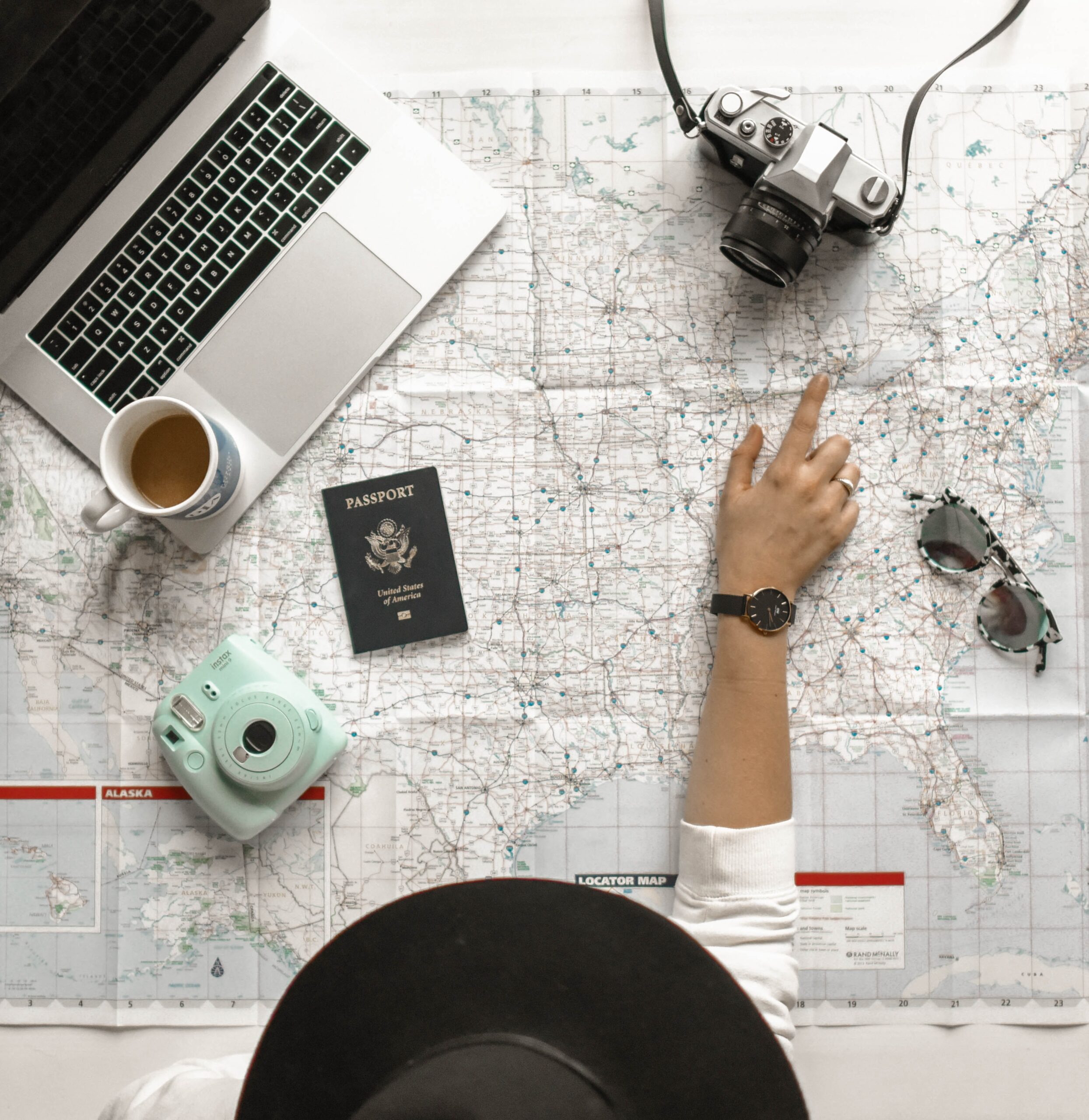
Prioritizing Safety While Traveling
Safety should always be a top priority when planning a business trip. Whether you’re traveling by air, train, or car, taking precautions ensures you arrive at your destination without unnecessary stress. For road trips, maintaining your vehicle and preparing for the unexpected are essential steps. The legal professionals at Morgan, Collins, Yeast & Salyer state that car accidents can occur unexpectedly, often due to road hazards or distracted driving. Being mindful of travel conditions, planning rest stops, and ensuring your vehicle is in top condition reduces risks and keeps you focused on your goals.
If flying, familiarize yourself with airport security measures and airline policies to avoid delays. Choosing a direct flight whenever possible minimizes the chances of missed connections or lost luggage. For international trips, research travel advisories and safety guidelines for your destination, including any requirements for visas or vaccinations.
Investing in travel insurance provides added security, covering unexpected events such as trip cancellations or medical emergencies. Having a backup plan for transportation and accommodations is another way to ensure you’re prepared for unforeseen issues.
Crafting a Detailed Itinerary
A well-organized itinerary is the backbone of any successful business trip. It helps you allocate time effectively, meet deadlines, and minimize stress. Start by listing all key activities, such as meetings, presentations, and networking events. Include time for travel between locations, considering traffic patterns and public transportation options.
Use digital tools like calendar apps or travel management software to organize your schedule and set reminders. Sharing your itinerary with colleagues or clients ensures everyone is on the same page and helps coordinate appointments more effectively.
Allocate time for personal needs, such as meals and relaxation. Overloading your schedule can lead to burnout, diminishing the productivity of your trip. A balanced itinerary allows you to achieve your professional goals while maintaining your well-being.

Packing Smart for Efficiency and Comfort
Packing efficiently is crucial for hassle-free travel. Start by researching the weather at your destination and tailoring your wardrobe accordingly. Business attire should be versatile and appropriate for various settings, from formal meetings to casual dinners. Packing wrinkle-resistant clothing and a portable steamer ensures you stay presentable throughout your trip.
Consider the duration of your trip and prioritize essentials, including toiletries, electronics, and travel documents. Using packing cubes and a checklist can help you stay organized and ensure you don’t forget important items. For convenience, keep frequently used items, such as chargers and snacks, in your carry-on bag.
If you’re traveling internationally, remember to pack adapters for your electronics and check if your mobile phone plan covers international roaming. Investing in a good travel bag with compartments for work and personal items simplifies organization and enhances your travel experience.
Ensuring Connectivity and Access to Tools
Staying connected during a business trip is vital for communication and productivity. Before departing, ensure your devices are fully charged and bring power banks to keep them running during long meetings or transit. Many airports and hotels offer Wi-Fi, but it’s wise to have a backup plan, such as a mobile hotspot or international data plan.
Access to tools like presentation software, cloud storage, and secure communication platforms ensures you can collaborate effectively, even while on the move. Test your technology before leaving to avoid technical difficulties during critical moments, such as client presentations or virtual meetings.
For international travel, check your credit card and bank policies regarding foreign transactions. Some cards offer travel benefits, such as no foreign transaction fees or access to airport lounges, which can enhance your trip’s convenience and comfort.
Balancing Work and Leisure
While business trips are primarily focused on professional objectives, incorporating leisure time can enhance your experience and boost productivity. Exploring local attractions, dining at unique restaurants, or attending cultural events offers a break from work and provides opportunities for personal growth.
Researching your destination beforehand helps you identify activities that align with your interests and schedule. If time is limited, consider a quick visit to a nearby landmark or a walk through a local market. Balancing work and leisure creates a more enjoyable and fulfilling trip, leaving you energized for future endeavors.
Reflecting on the Trip’s Outcomes
After your trip, take time to evaluate its success and areas for improvement. Reflecting on what went well and what could be enhanced ensures you’re better prepared for future business travel. Follow up promptly with contacts you’ve made, whether by sending thank-you emails or scheduling follow-up calls.
Reviewing expenses and submitting travel reimbursements promptly helps maintain financial transparency and accountability. Sharing insights and experiences with colleagues can also strengthen teamwork and improve organizational strategies for future trips.
Effective business travel planning involves more than just booking tickets and packing a bag. By prioritizing safety, crafting a detailed itinerary, packing smartly, ensuring connectivity, and balancing work with leisure, you can maximize the benefits of your trip. With thoughtful preparation and flexibility, each business trip becomes an opportunity to achieve professional goals while enriching your personal experiences. Following these strategies ensures that your travel is not only productive but also enjoyable, paving the way for continued success.
