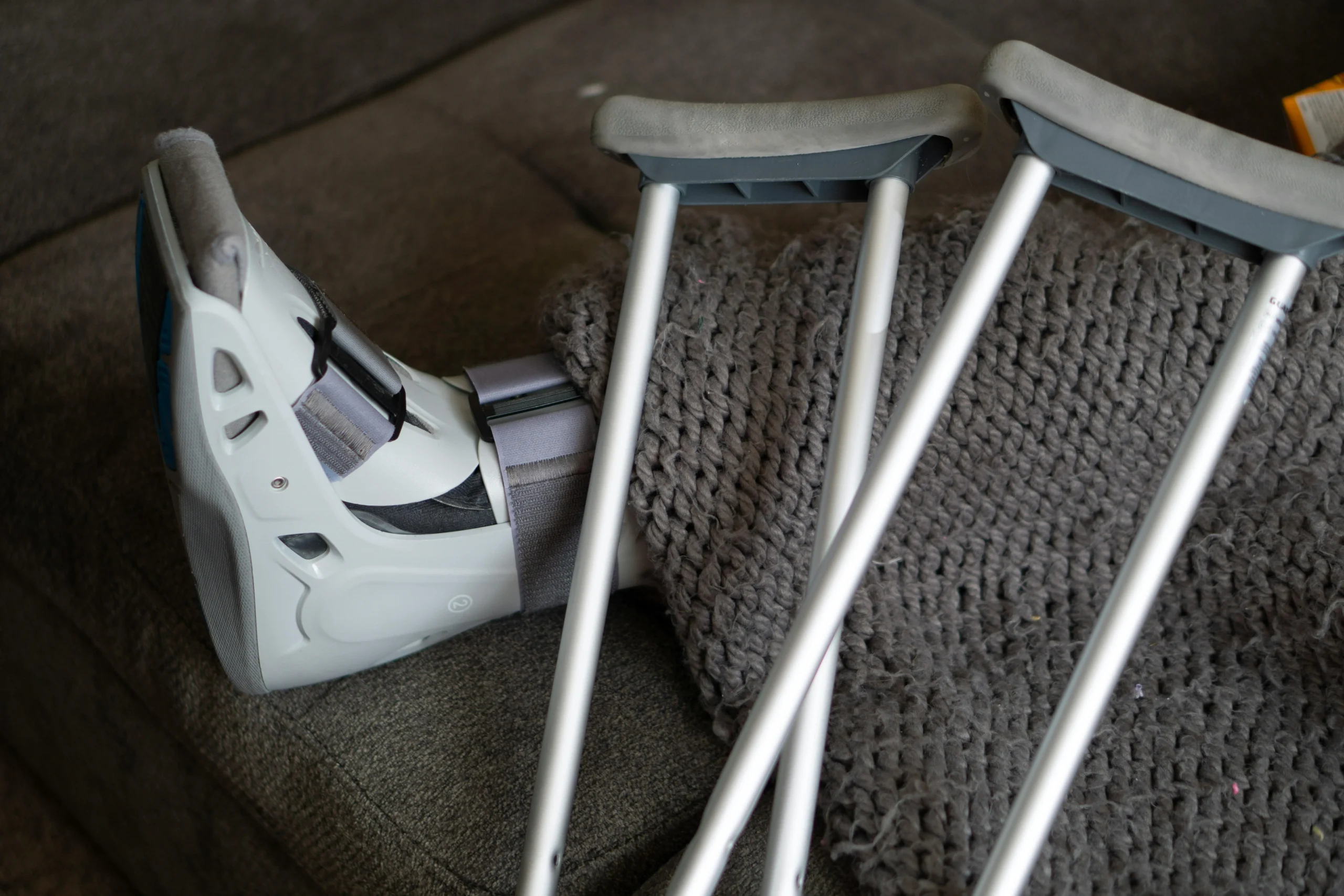
Injuries sustained in an accident don’t always go away after a visit to a healthcare professional. Sometimes, you need more than a band-aid and a prescription. Accidents can result in long-term injuries requiring extensive care.
Your accident may have happened in a split second but it can take months and even years to start recovering from your injuries. We’re exploring the long-term consequences of personal injuries so you’re better prepared for what comes next on your road to recovery.
Table of Contents

Potential Consequences of Long-Term Injuries
You’re probably aware of the physical consequences of long-term injuries. You’re experiencing pain and discomfort for weeks, months, and possibly years. You’re in physical therapy for the long haul and even then it may still be a while before you start noticing an improvement in your recovery.
Thankfully, most personal injury claims account for long-term medical care. Your attorney brings in some medical experts, along with your health records, to support this part of your accident claim. Usually, the insurance company doesn’t balk too badly at paying out for this expense.
Unfortunately, it’s a little different when it comes to the potential psychological consequences of long-term injuries. Your physical health usually isn’t all that’s affected by an injury lasting more than a few days or weeks. Your mental health can take a beating when you’re dealing with long-lasting trauma.
Anxiety and Depression
Studies conducted by mental health experts show that anxiety and depression are relatively common in individuals living with chronic pain caused by long-term injuries. Common symptoms of anxiety can include:
- Panic attacks
- Difficult breathing
- Always feeling worried
- Stress
These symptoms associated with anxiety can also turn into physical symptoms like high blood pressure, chronic tension headaches, neck pain, and even issues with your heart. When your long-term injuries cause feelings of depression, you may experience mood swings and other behavioral issues.
Either of these mental health conditions can impact other areas of your life, worsening existing symptoms. You may find it difficult to return to work, participate in previously loved activities, or form lasting relationships. Existing relationships may also suffer.
Post Traumatic Stress Disorder
You may associate post-traumatic stress disorder (PTSD) with military veterans. While PTSD is common in members of the military, especially those who saw active combat, anyone can develop the psychological condition.
According to healthcare professionals, anyone involved in a catastrophic event can develop PTSD. Sustaining long-term injuries in an accident counts as a traumatic event. Your accident has changed almost every aspect of your life so it’s normal to experience some unpleasant side effects. Some of the common symptoms associated with PTSD include:
- Flashbacks to the event, in this case, your accident
- Nightmares
- Severe anxiety and/or depression
You may also feel higher levels of stress in certain situations. These are typically situations that remind you of the accident. PTSD is often a lifelong condition requiring counseling, therapy, and possibly medication to help keep symptoms under control.
Cognitive Issues
If your long-term injury involves head trauma, cognitive issues are common. You may experience some or all of the following symptoms:
- Difficulty with memory, attention, concentration, and problem-solving
- Confusion, disorientation, and a decline in cognitive function
- Speech, language, and communication difficulties
- Impaired coordination, balance, and fine or gross motor skills
- Changes in sensory perception, including alterations in vision, hearing, taste, or smell
Your symptoms can even turn into health conditions like Alzheimer’s disease or other types of neurodegenerative conditions. Unfortunately, most neurodegenerative conditions can only be managed. Currently, there aren’t cures for a few of these conditions.
Personality Changes
Your psychological issues stemming from your long-term injury can also alter your mood. If you were known for your friendly, easy-going manner, you may be more irritable and lose your temper more easily after the accident.
Some individuals dealing with long-term injuries have a greater propensity for violence. This often ties in with shorter tempers. When you lose your cool, you’re more likely to strike out in anger. Your self-esteem can also take a hit, especially if your injuries are making you feel self-conscious.
You may even stop socializing with others or develop a fear of being around people. This isn’t always limited to strangers. You may not want to be around family and close friends. This type of social isolation can lead to other problems like anxiety and depression.

Receiving Compensation for Long-Term Mental Health Injuries
As we mentioned earlier, receiving compensation for your physical injuries usually isn’t too complicated. However, proving your long-term injury is negatively impacting your health is a little more complicated.
A psychological injury isn’t immediately obvious. Healthcare professionals also can’t use a diagnostic tool like an MRI machine to scan an accident victim for psychological trauma. Instead, you need to rely on expert testimony, usually from a licensed mental health expert.
Since your psychological injuries can be just as devastating as your long-term physical ones, receiving treatment should be a priority. So, how do you get the insurance adjuster to accept mental health treatment as one of your listed damages?
Keep All Medical Records
Your medical records are an invaluable source of information for your personal injury claim. Along with covering every aspect of your physical trauma, your records also include information about your mental health.
You should plan on saving every scrap of paper relating to your injuries, including any treatment options that can help support your mental health.
Submit Expert Testimony
Unlike a broken bone that can be proved with X-rays, you usually need to rely on mental health experts to help prove your claim. Their expert testimony can help support your claim your long-term injuries are negatively affecting your mental health.
Talk to an Attorney About Your Long-Term Injuries
When you’re dealing with long-term injuries, almost every aspect of your life can be affected. To help ensure you receive compensation to treat all symptoms and injuries relating to your accident, it’s usually a good idea to partner with an experienced personal injury attorney.
Your attorney can work on helping you recover compensation while you concentrate on your treatment plan.