

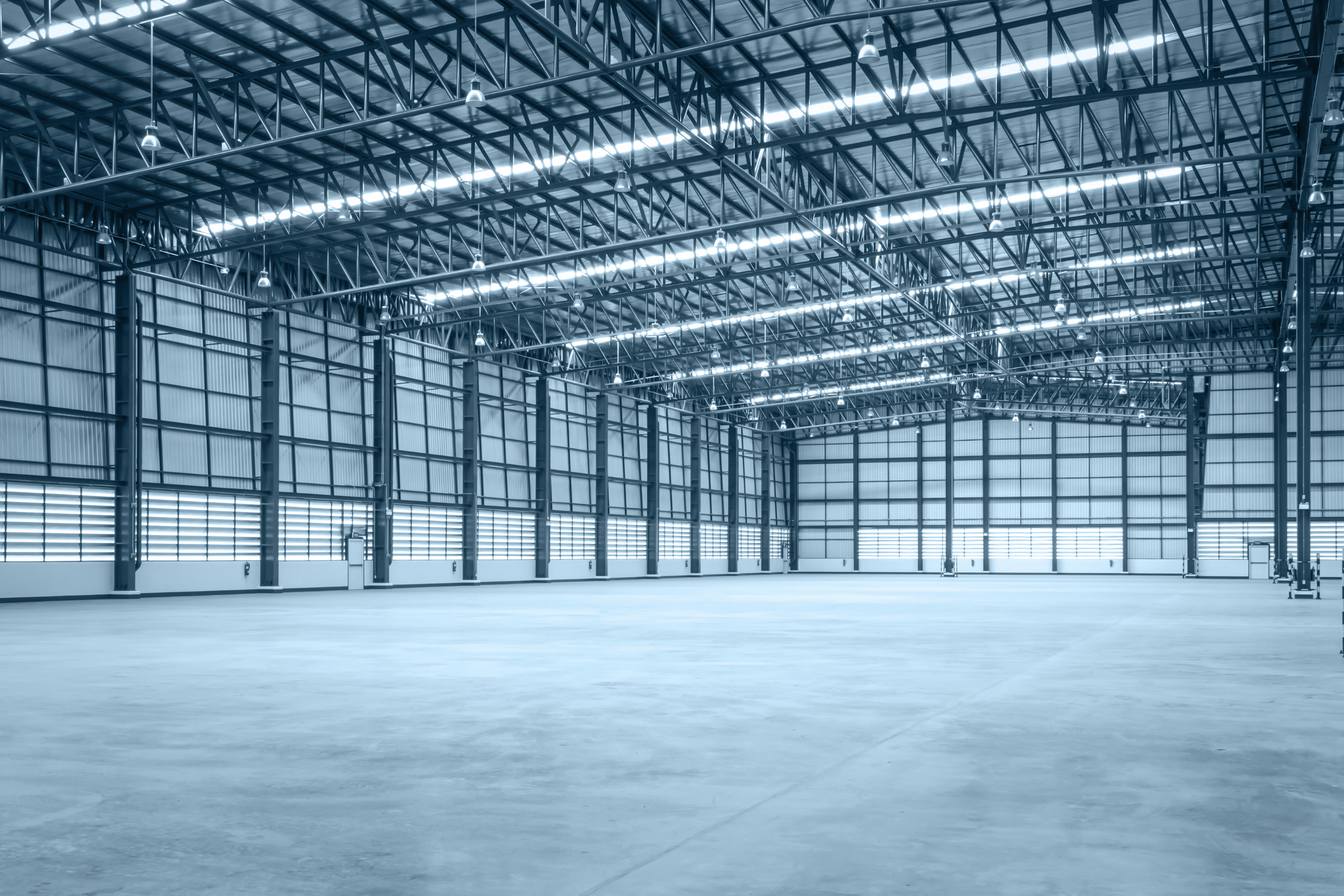
Managing an industrial building requires more than just overseeing daily operations—it demands a keen understanding of efficiency, safety, and long-term planning. With the right strategies in place, you can ensure your facility runs smoothly, avoiding costly disruptions and improving overall productivity. From maintaining equipment to optimizing energy use, successful management comes down to a combination of foresight and attention to detail. This guide provides seven essential tips and tricks to help you stay ahead of the curve. Implementing these strategies can keep your industrial building operating at its best.
Table of Contents
1. Prioritize Regular Equipment Inspections
One of the most critical aspects of running an industrial building is ensuring that all equipment operates efficiently. Regular inspections help catch potential problems before they lead to major breakdowns. Machinery often operates under heavy loads, so wear and tear is inevitable over time. Scheduling routine inspections not only extends the life of your equipment but also ensures that any issues are addressed early on. This reduces downtime and prevents costly repairs, keeping your operations running smoothly and without interruption.
2. Implement a Smart Energy Management System
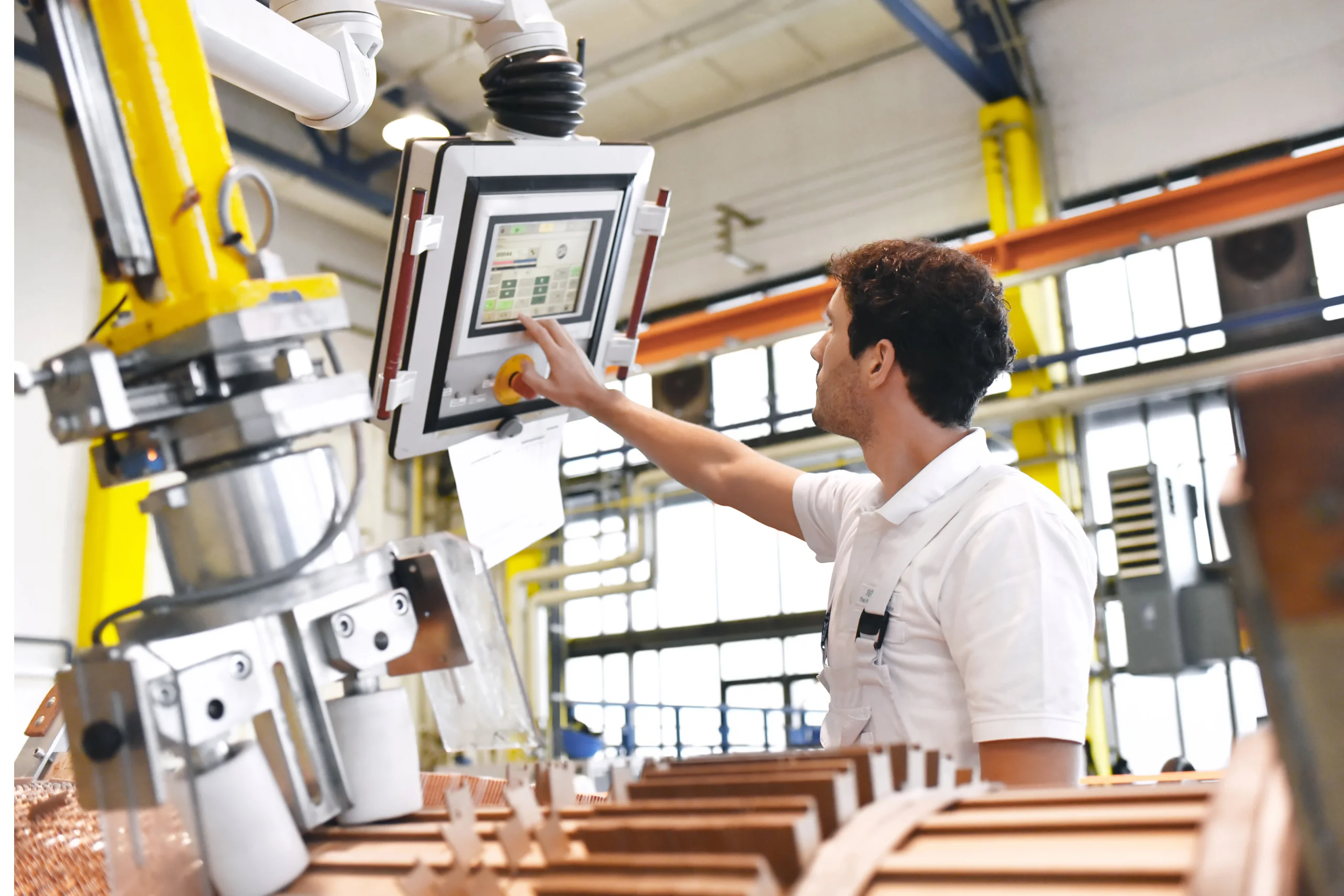
Energy usage in industrial buildings can be one of the largest operating expenses. Implementing a smart energy management system allows you to monitor and control your energy consumption more effectively. Smart meters, automated lighting, and temperature control systems can help reduce unnecessary energy waste, saving you money while maintaining a comfortable work environment. These systems provide real-time data, helping you identify trends and adjust settings for maximum efficiency. Over time, a smart energy system can lead to significant cost reductions and a more environmentally friendly operation.
3. Focus on Preventative Maintenance
Waiting for equipment to fail before taking action can be an expensive and inefficient way to manage an industrial facility. Instead, adopting predictive maintenance can drastically improve the longevity and reliability of your machinery. Using sensors and advanced monitoring systems, predictive maintenance allows you to track performance data and predict when a machine might need repairs or adjustments. This proactive approach minimizes the risk of unexpected breakdowns, keeping production lines moving without costly interruptions. By leveraging this technology, you can optimize the health of your equipment and reduce operational risks.
4. Keep Up with Safety Training and Compliance
Safety should always be a top priority in any industrial setting. Keeping up with safety training and ensuring compliance with the latest industry regulations helps protect your workforce and your business. Regularly update training programs to reflect any changes in equipment, processes, or legal requirements. Conduct routine safety drills and inspections to ensure that all protocols are being followed. Not only does this minimize the risk of accidents, but it also creates a safer and more productive environment for everyone on site. Staying ahead of compliance issues also helps you avoid fines and legal complications.

5. Optimize Your Space for Efficiency
Efficient use of space is key to running an industrial building smoothly. Review your floor plan regularly to ensure that workflows are optimized and that there’s enough room for staff and equipment to operate safely. Consider the placement of machinery, storage areas, and access points to reduce unnecessary movement and maximize productivity. Streamlining your layout can prevent bottlenecks, improve safety, and increase output. Making the best use of available space also allows for future growth without significant disruptions to your operations.
6. Integrate Technology for Better Workflow
Technology plays a pivotal role in streamlining processes and improving efficiency within industrial buildings. Invest in software and automation systems that help manage everything from inventory to equipment performance. For example, using a centralized system for inventory management ensures that you always have the necessary supplies on hand, preventing costly delays. Additionally, integrating automated systems can improve communication between different departments, leading to a more cohesive and efficient workflow. Embracing new technologies allows you to adapt to changes in the industry and maintain a competitive edge.
7. Build Strong Relationships with Vendors and Suppliers
Running an industrial building often involves working closely with various vendors and suppliers to keep things moving smoothly. Building strong relationships with these partners can result in better service, more flexible terms, and faster response times when issues arise. Communicate clearly with your suppliers to ensure that expectations are aligned, and stay on top of orders to prevent shortages or delays. Reliable vendors can be invaluable during busy periods or when you need parts or materials on short notice. Cultivating these relationships can help you avoid costly interruptions in your operations.
Conclusion
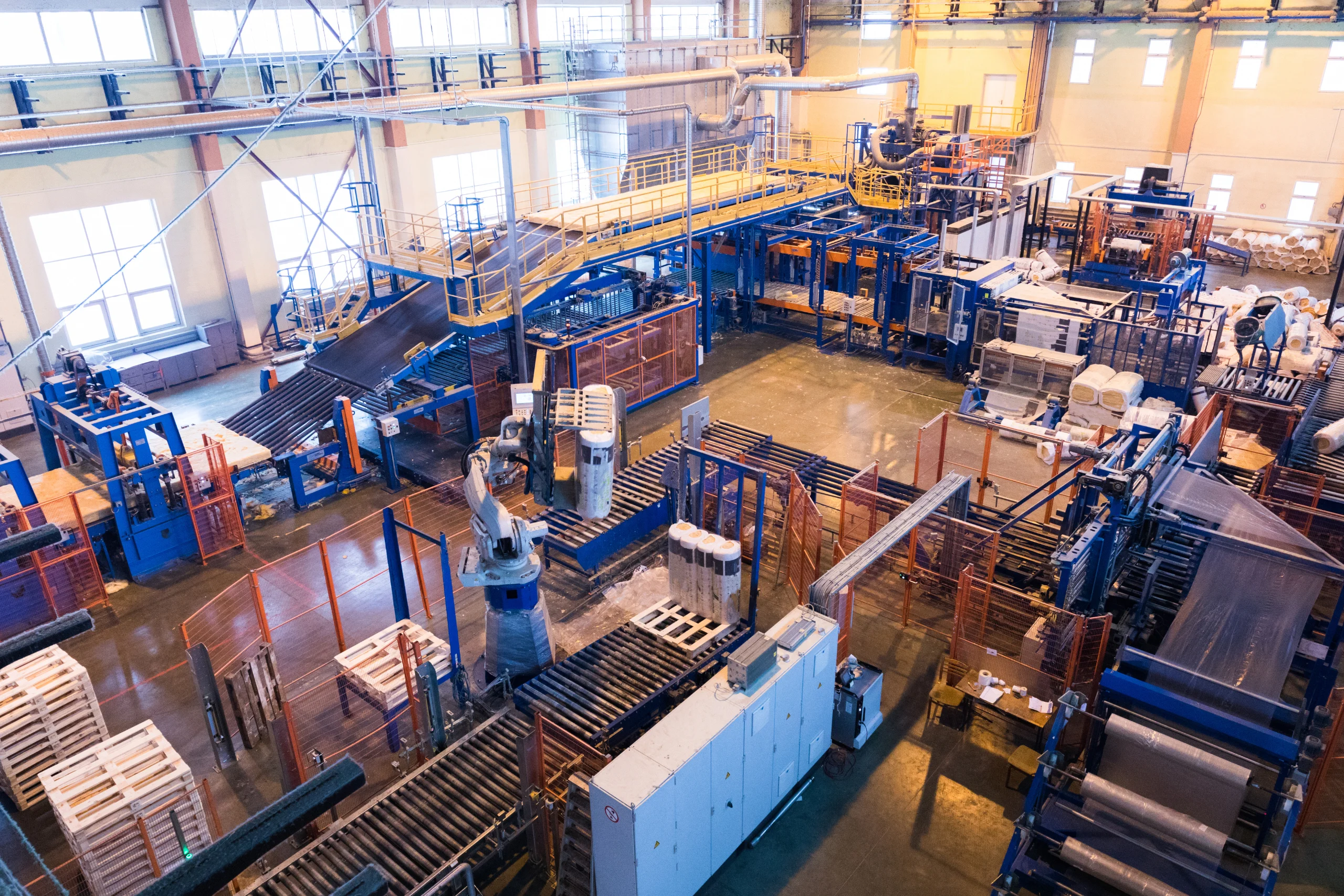
Successfully managing an industrial building requires a combination of careful planning, proactive maintenance, and a commitment to efficiency. From regular equipment inspections to smart energy management and predictive maintenance, each step plays a vital role in keeping operations running smoothly. Ensuring that your team is well-trained and your facility remains compliant with safety standards also contributes to a safer, more productive workplace. By integrating technology and building strong vendor relationships, you can streamline processes and minimize disruptions. With these tips and tricks, you can create a more efficient and cost-effective operation, setting your industrial building up for long-term success
