

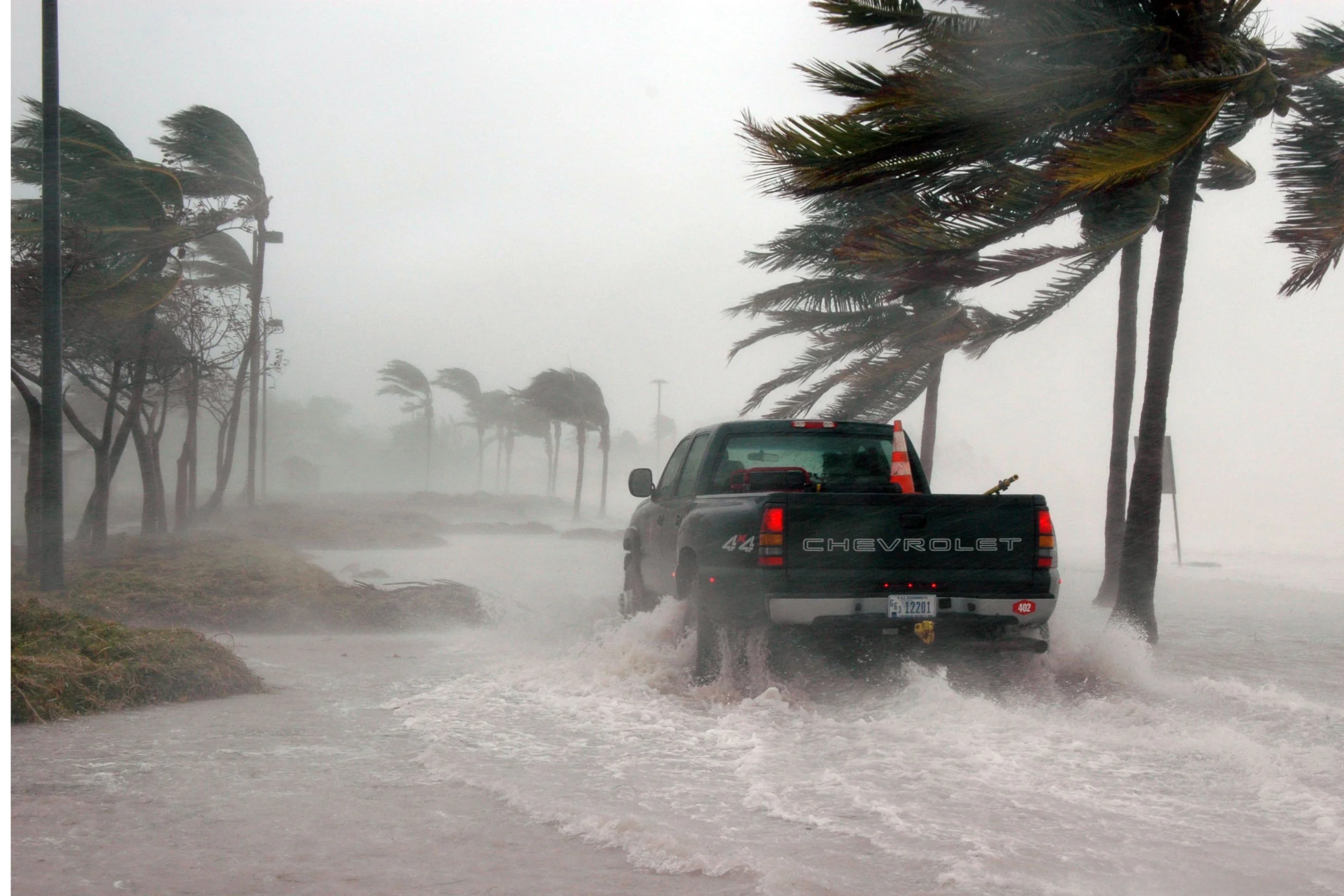
Hurricane Helene left a significant mark on Florida, unleashing powerful winds and torrential rain that caused widespread devastation. In such overwhelming situations, a Florida Hurricane Helene damage lawyer can play a crucial role in helping business owners file insurance claims and recover compensation for their losses.
The scale of destruction from the storm prompted many residents to seek assistance, both in terms of recovery and legal guidance. With homes and businesses damaged or destroyed, those affected are now navigating the complex process of filing insurance claims. Florida, a state frequently impacted by hurricanes, is no stranger to the challenges posed by storm recovery.
Table of Contents
In areas like Pompano Beach, Miami, and beyond, the aftermath of a hurricane often means facing long-term structural damage, water intrusion, and the emotional toll of rebuilding. Understanding the intricacies of hurricane insurance claims is essential to ensuring you receive fair compensation. Florida’s hurricane-prone nature means residents need to be aware of their insurance policies, coverage limits, and the legal options available. Navigating this complex landscape requires careful documentation, timely filings, and, sometimes, professional legal support to hold insurers accountable for delivering on their promises. Proper legal guidance can help residents restore not just their homes but also their sense of stability.
Understanding Policy Coverage
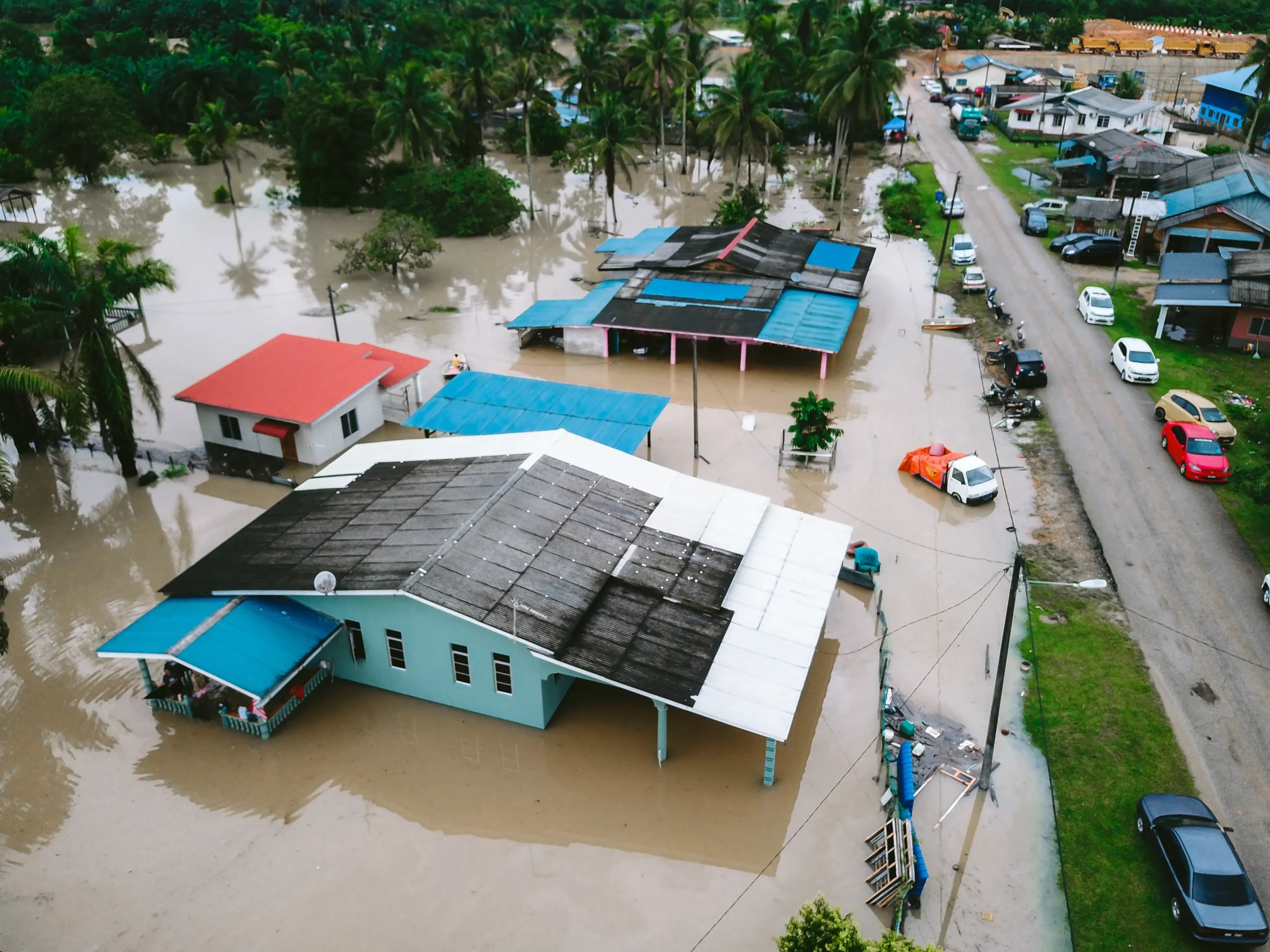
It’s important to understand what your insurance policy covers before making a claim in regard to hurricanes, where there are several unique clauses to consider. Hurricane coverage usually includes damage from wind, but damage from water may require flood insurance. Knowing the difference helps decide which claims to go for. It’s important to take a good look at the compensation amounts as well as hurricane deductibles, which can vary from regular policies and are typically based on a percentage of the property’s insured value. Knowing these distinctions helps you be ready for any potential expenses.
Documenting Damage Thoroughly
Detailed documentation is crucial for handling insurance claims. Photos and videos serve as key evidence of the damage incurred and can help convince insurers. Thorough notes outlining the scope of the damage and specific timestamps enhance the documentation quality. Taking a methodical approach boosts claim credibility and reduces potential conflicts with insurers. It’s also helpful to keep track of all repair estimates and receipts, as it can benefit the claim process and be useful for later reference. They serve as a solid foundation for a successful claim in the long run.
Filing Claims Promptly
Submitting insurance claims in a methodical manner is crucial, as certain policies mandate filing immediately after a disaster strikes to prevent claim denials and alleviate additional stress during trying times. Getting in touch with insurance companies ahead of time to update them on the situation can be helpful. This first contact lays the groundwork for a smooth claims procedure. Taking action promptly shows accountability and dedication to resolving the issue.
Understanding the Claims Process
Successfully progressing through the claims procedure and securing an optimal result requires going through the various stages diligently and effectively, which is essential to reaching a satisfactory resolution. In the beginning stages of this process, insurance companies designate adjusters to inspect the damage incurred. In this stage of the process, professionals in this field carefully assess the level of damage and decide whether the claim is legitimate. Maintaining clear communication with adjusters is crucial in this process. Ensuring that they have all the required documentation and responding promptly to their queries helps build a good relationship with them. Working together in this way often leads to resolutions that benefit everyone involved.
Seeking Professional Assistance
Seeking help from experts for hurricane insurance claims can be highly beneficial. It’s always a good idea to get an evaluation done smoothly and efficiently by public adjusters who represent policyholders and understand the complexities of insurance well. In some situations, it might be helpful to seek advice from a lawyer. Whenever conflicts emerge, having an advisor can help safeguard the rights of policyholders. These experts handle the legal intricacies and provide support and understanding when facing tough situations.
Staying Organized Throughout the Process
Effective management of all aspects related to a claim requires a high degree of organization as the key factor for success. Keeping a file that includes all paperwork and evidence guarantees quick retrieval when necessary. This systematic approach reduces anxiety and helps in avoiding any oversight of information. A chronological record of the impact of the hurricane on the settlement provides a summary of events and aids in decision-making and planning along the way. Orderliness fosters reassurance and management amid what can be a highly chaotic situation.
Learning from Experience
Completing the hurricane insurance claims process and looking back on the experience later on can provide insights and lessons. These come in handy for the tasks ahead of us, helping us be better prepared and equipped for any potential disasters that may arise in the future. It’s an excellent idea to review your insurance coverage to make sure it meets your needs well and gives you peace of mind for the future ahead. Looking back on your experiences can help you become more resilient and prepared for whatever comes your way.
Conclusion
Dealing with insurance claims in the aftermath of a hurricane, such as Hurricane Helene, demands a keen eye for details. It is crucial to grasp the policy coverage terms, document all damages thoroughly, and submit claims in an organized and timely manner. When needed, seeking help from professionals and staying organized can make the whole process smoother. Drawing lessons from difficult occurrences enables people to safeguard themselves and their assets against similar adversities in the future. This holistic strategy equips individuals to handle claims with assurance and understanding.
