

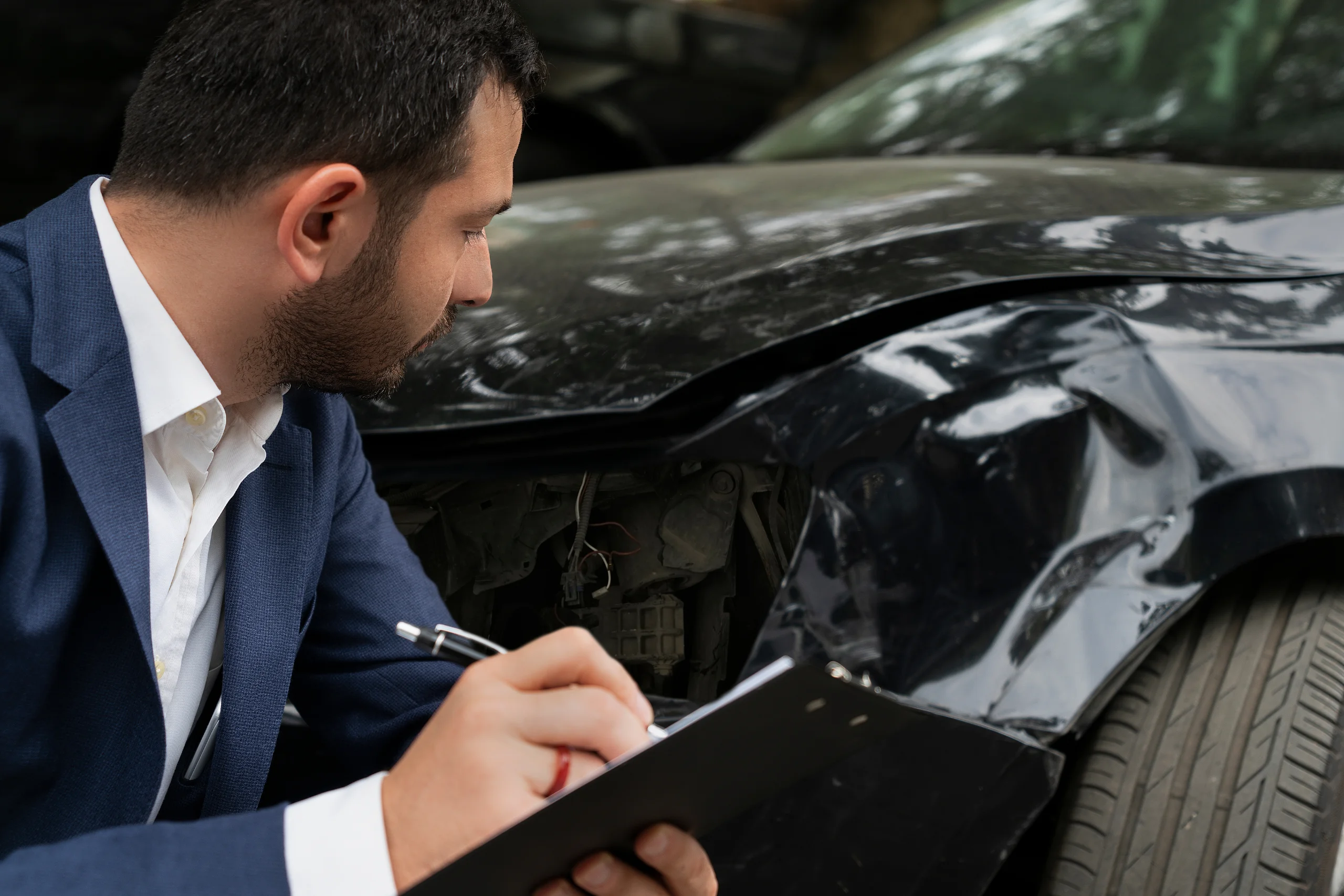
Las Vegas’ thriving rental car market makes it a hub for tourists and locals alike. However, with 1.4 million rental vehicles on Nevada roads (NHTSA), accidents are a harsh reality. In 2020, 11% of fatal crashes involved rental cars. Knowing what to do in case of an accident can be lifesaving. Given these statistics, the threat of a car crash cannot be eliminated, which is why it is a good idea to have accident and injury lawyers on speed dial.
Renting a car can be a convenient and cost-effective way to explore new places or get around while your own vehicle is being repaired. However, what happens when you’re involved in a car accident while driving a rental car? Dealing with the aftermath can feel overwhelming, but understanding the steps to take and your rights can make the process much smoother. In this article, we will explore the crucial actions you should take if you find yourself in a car accident while driving a rented vehicle.
Table of Contents

1. Prioritize Safety
Regardless of whether you’re driving a rental or your own car, safety should always be your top priority. If an accident occurs, assess yourself and your passengers for any injuries. If anyone requires medical attention, call emergency services immediately. Then, ensure that it’s safe to move vehicles off the road and away from oncoming traffic if possible.
2. Gather Information
Next, gather as much information as possible at the scene of the accident. This includes obtaining driver’s license numbers and contact information from all parties involved and any witnesses present. Additionally, be sure to document details such as license plate numbers, insurance information, and any other relevant information regarding all vehicles involved in the accident.
3. Report the Accident
Once everyone is safely out of harm’s way and you have gathered all necessary information, it’s imperative to report the accident immediately. Speak to both law enforcement officials and your rental car company about the incident. Failing to notify these entities promptly may complicate matters down the line.
4. Follow Your Rental Car Company’s Guidelines
Each rental car company has its own policies regarding accidents involving their vehicles. It’s important that you familiarize yourself with these guidelines beforehand, instead of learning about them after an accident occurs. These policies typically include instructions on contacting their customer service department or emergency hotline for assistance.
5. Contact Your Insurance Provider
In addition to contacting your rental car company, it’s essential to alert your own insurance provider about the accident. Inform them of the specific circumstances and provide all relevant details, including any documentation gathered at the scene. Check if your provider has given you coverage which also includes rental car accidents.
6. Understand Insurance Coverage Options
When renting a car, it’s crucial to have a clear understanding of your insurance coverage options. Most rental companies offer various levels of coverage at an additional cost. While your personal auto insurance may provide some collision or liability coverage for rental cars, these policies often have limitations and may not cover all potential damages or liabilities in the event of an accident.

7. Determines Who Is Liable
Determining who is responsible for the accident is a critical aspect when dealing with rental car accidents. In general, liability will follow similar principles as accidents involving personally-owned vehicles. The liable party will typically be responsible for covering damages and expenses resulting from the accident, but specific laws and regulations may vary depending on jurisdiction.
8. Seek Legal Advice if Necessary
Sometimes, a car accident involving a rental vehicle can be more complex than usual due to various factors like different jurisdictions or disputes over liability. If you believe that legal assistance is necessary to protect your rights or help resolve disputes after an accident, seek advice from an attorney experienced in handling personal injury cases involving rental vehicles.
9. Document the Accident Scene
It’s essential to document the accident scene thoroughly. Take photographs of the vehicles involved, the surrounding area, and any visible damages. These photos can serve as crucial evidence later on, especially if there is a dispute or discrepancy regarding liability or damages.
10. Obtain a Police Report
If law enforcement officials arrive at the scene of the accident, make sure to obtain a copy of the police report. This report often contains valuable information, including statements from involved parties and witnesses, which can help determine fault and provide important details when filing an insurance claim.
11. Be Mindful of Rental Car Policies
As you navigate through post-accident procedures, keep in mind that rental car companies have policies in place that may affect your responsibilities and rights in the event of an accident. Reviewing your rental agreement prior to renting a vehicle will give you insight into these policies and guidelines set forth by your chosen rental company.
Conclusion
Being involved in a car accident is undoubtedly stressful, but knowing how to navigate through such situations can prove invaluable. By following an organized approach that prioritizes safety measures and adheres to guidelines provided by both law enforcement officials and your rental car company, you can minimize stress and ensure that both your well-being and legal rights remain protected throughout the process.
