

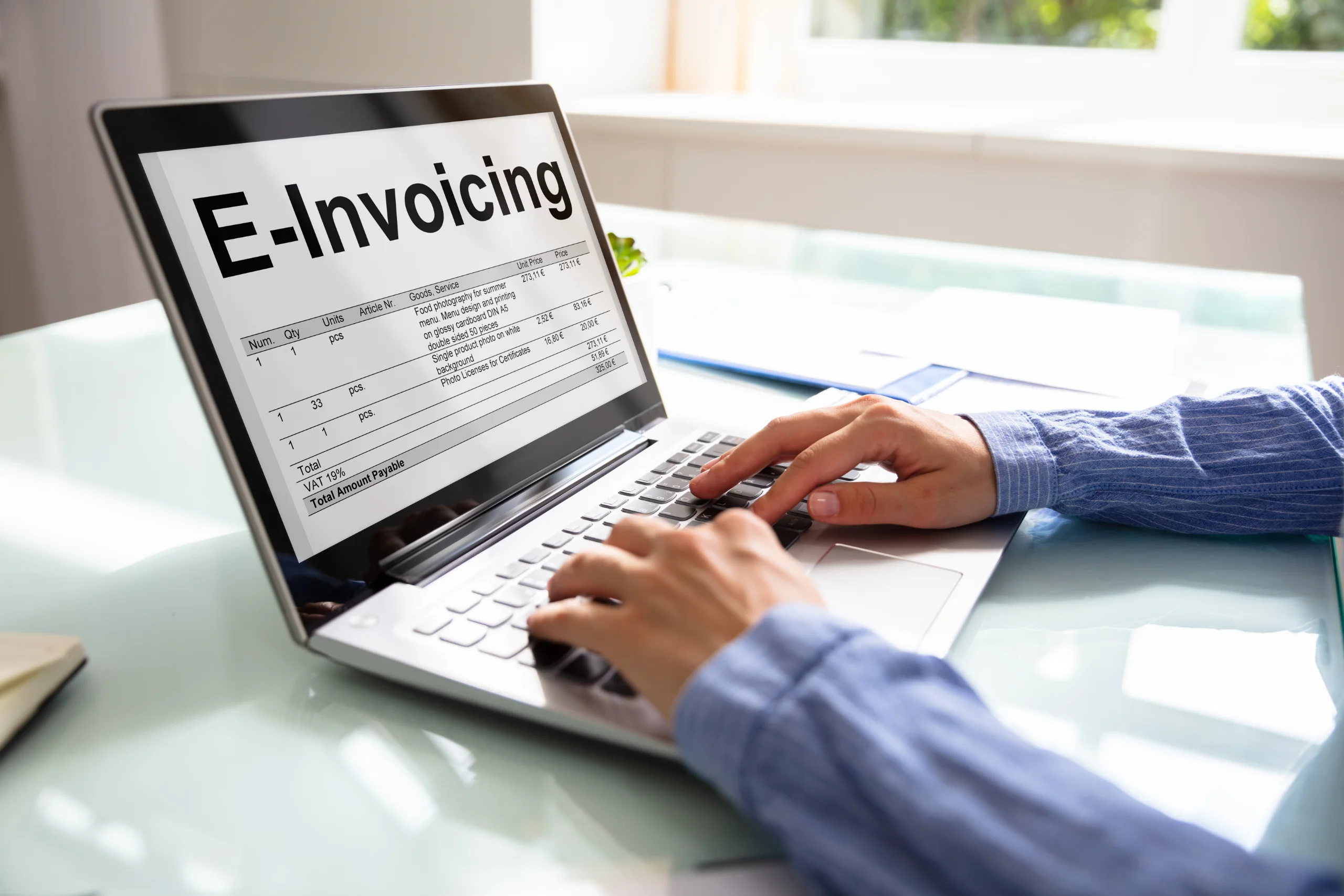
It is undeniable that the world has increasingly shifted towards digitalization over the course of the last few years. Businesses cannot rely on outdated manual systems and approaches anymore, particularly when it comes to financial operations and invoicing processes.
E-invoicing is a powerful and essential tool in any modern business’s arsenal, particularly as many governments have already mandated the use of digital invoices rather than paper in their jurisdictions. In order to maintain e-invoicing compliance in every territory where you trade or intend to do business, it is important to ensure that you have a dedicated e-invoicing solution in place.
Table of Contents
What is e-invoicing?
Before we can explore what e-invoicing compliance is and what it means for modern businesses, it is good to have a solid understanding of what e-invoicing itself entails.
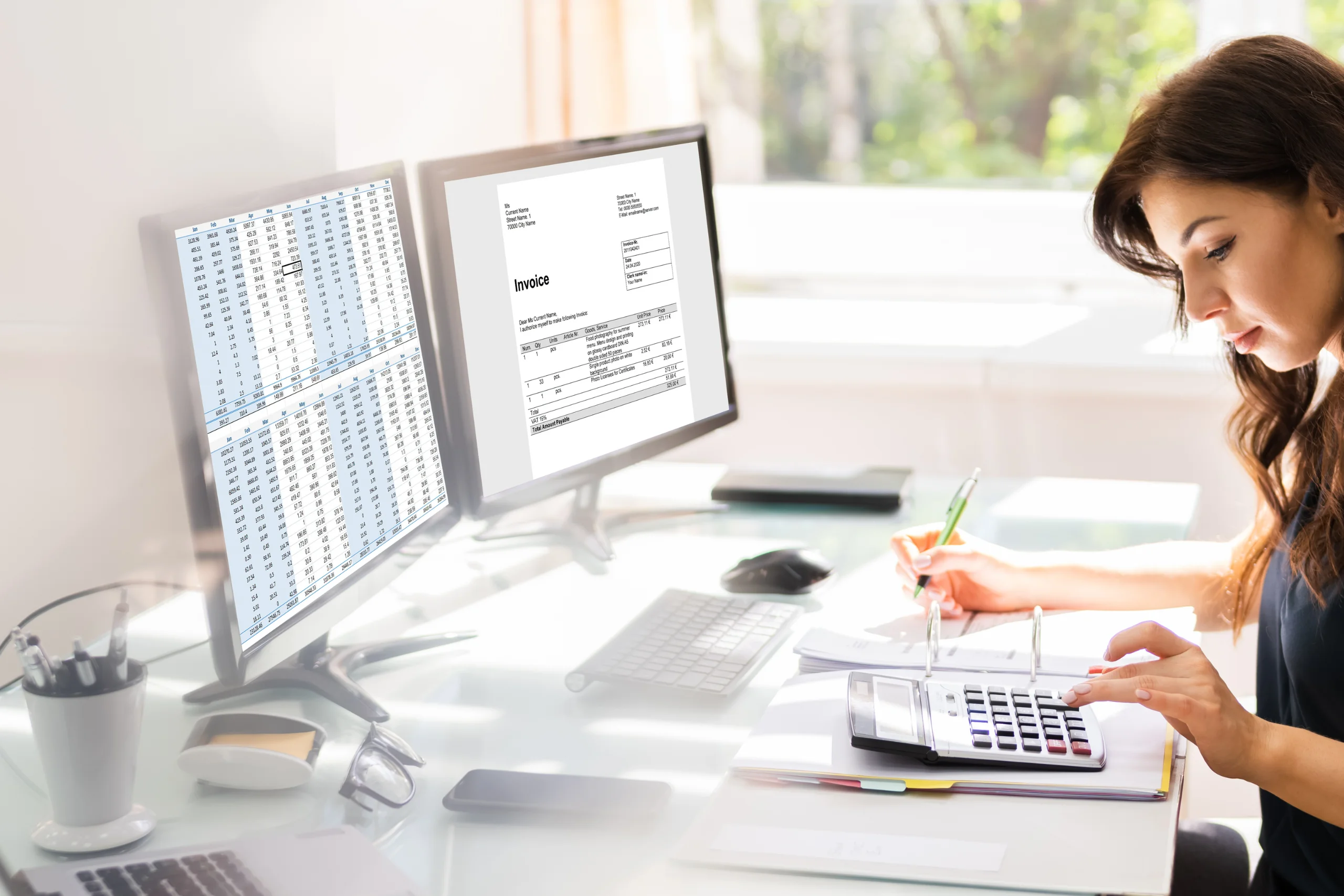
In short, e-invoicing – short for electronic invoicing – is the digital exchange of invoices between businesses and their customers, suppliers, or government authorities. With e-invoicing, the use of paper is skipped over as invoices are produced, transmitted, received, and processed in a digital format.
This allows for the use of automated processing and validation, reducing the degree of manual human input required throughout the invoicing process. Not only that, the digital format creates a greater level of security for sensitive financial data as well as improving transparency, oversight, and tax collection for authorities.
The key components of e-invoicing compliance
While e-invoicing itself is quite simple to understand, e-invoicing compliance is a slightly different beast. The exact regulations on e-invoices vary significantly between different countries and regions, so what data needs to be included, how it is formatted, how it is submitted, and storage requirements may all be different.
But, to give you a general idea, below are the typical core components of e-invoicing compliance that your business needs to match:
Invoice formatting
There are a few standardized formats for e-invoices, but which one you need to use depends on the jurisdiction in question. The European Union generally uses formats like Peppol BIS, while countries in Latin America lean towards XML formats instead.
Matching the correct invoice format for a territory is the most basic step of e-invoicing compliance.
Data validation
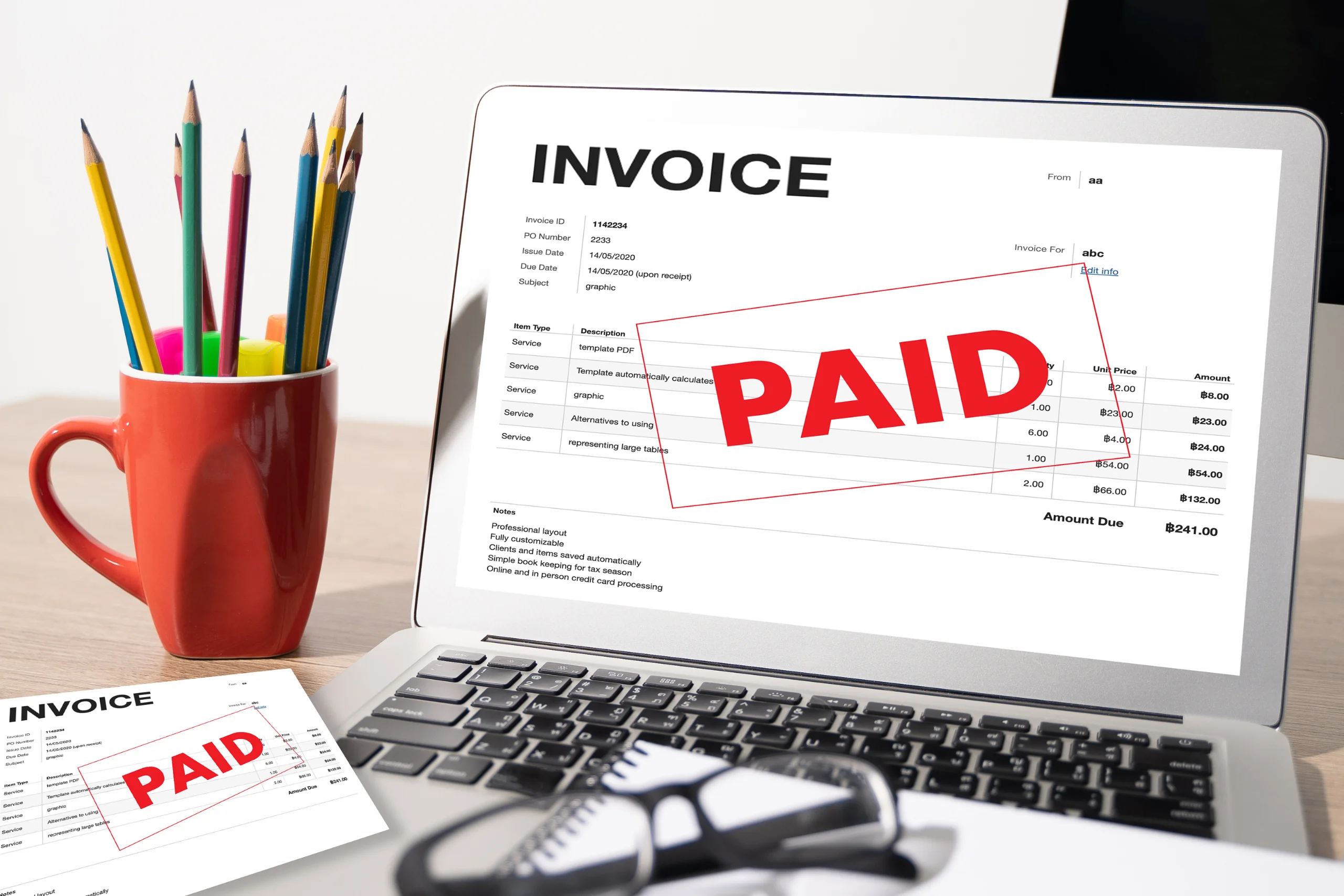
Regulations will generally specify mandatory data fields that companies must include on every one of their invoices, including things such as tax identification numbers, transaction details and other unique invoice identifiers.
If these specified data fields are not included then invoices are likely to be rejected by the authorities, leading to greater issues down the line and creating potentially costly delays. But companies who utilize automated e-invoicing solutions can ensure that the data is validated before submission, cutting down on errors and rejections.
Submission and approval
This is not the case in every jurisdiction, but many countries require that e-invoices be submitted to government portals for approval before they are sent to customers or vendors. Real-time reporting is an increasingly common requirement for e-invoices, with tax authorities needing to validate the invoice before a transaction can proceed.
E-invoicing systems that seamlessly integrate with various government portals are an indispensable tool for businesses looking to operate in markets like Brazil and Mexico.
Storage and archiving
Another aspect that regulations dictate is the length of time for which businesses must retain invoices and the format in which they are stored. In some countries invoices are only required to remain accessible for a period of five years, while others require ten or more years of secure storage.
Fortunately, e-invoices are far simpler to retain and store than paper ones, with no need for filing cabinets or printers. Investing in a compliant digital storage solution makes the process of archival and storage simple.
—
Remaining compliant with e-invoicing regulations requires some proactivity from businesses, but with the support of a dedicated e-invoicing solution, the entire process does not need to be complicated.
