Growing a construction company isn’t just about building great structures — it’s about building a brand that lasts. From understanding your market and adopting new technology to improving team morale and managing finances wisely, success comes down to smart, consistent growth strategies. Here’s a practical guide to help your construction business thrive in any economy.
Key Takeaways
- Know your market: Study industry trends and stay flexible to shifting demand.
- Leverage technology: Use tools like BIM, drones, and management software to improve efficiency.
- Prioritize relationships: Strong partnerships open doors to larger contracts and referrals.
- Manage finances smartly: Watch cash flow and reinvest profits strategically.
- Focus on people: Train, reward, and retain skilled workers to ensure consistent quality.
- Stay compliant: Safety and legal compliance protect your reputation and bottom line.
- Keep evolving: Growth requires curiosity, learning, and constant adaptation.
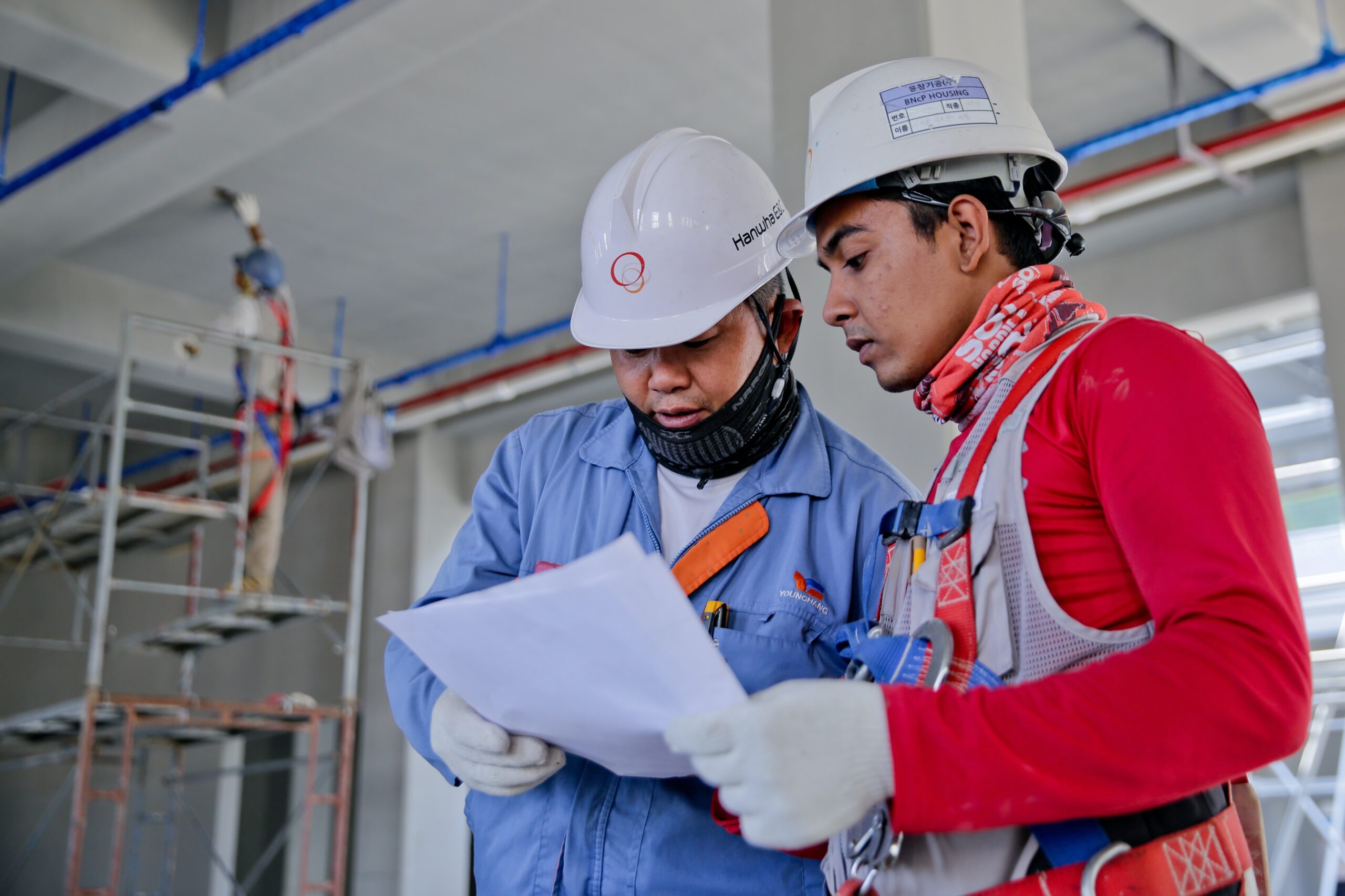
In construction, success is more than completing projects on time. It’s about building a sustainable business that can weather market ups and downs, attract loyal clients, and grow steadily year after year.
The best construction companies are not just skilled builders — they’re smart business operators. They understand the power of reputation, the importance of technology, and the value of strong partnerships.
Whether you’re a new contractor or managing a growing firm, these tips will help you scale your construction company with confidence and long-term success in mind.
Table of Contents
Understanding Market Dynamics
Before you can grow, you need to understand where the opportunities lie.
The construction industry changes constantly. Interest rates fluctuate, materials rise in cost, and housing demand shifts. Successful companies stay alert and agile.
Here’s how to stay ahead:
- Track trends: Monitor local and national housing data, infrastructure investments, and government construction programs.
- Watch competitors: What services are they offering? Are they moving into new niches such as green building or modular housing?
- Adjust quickly: Be ready to pivot based on what the market demands — for example, shifting from residential to commercial projects when demand rises.
Being proactive helps you make smarter bids, forecast better, and position your company for consistent growth.
Build Strong Relationships and Partnerships
No construction company succeeds alone. Growth happens when you collaborate — with suppliers, subcontractors, architects, and even competitors.
Partnerships can:
- Help you secure better pricing for materials
- Provide referrals for bigger or specialized projects
- Give access to shared expertise or heavy equipment
- Strengthen your reputation in your local business community
Attend trade events, join industry associations, and stay visible in your region. Networking isn’t just about exchanging business cards — it’s about building trust that turns into long-term collaboration.
“Construction is still a relationship-driven business,” says Mark Reynolds, a general contractor with 20 years of experience. “If people trust you, they’ll bring you into bigger opportunities.”
Invest in Technology and Innovation
Construction is one of the world’s oldest industries — but today, it’s also one of the fastest-evolving.
Technology can transform your business by making it more efficient and profitable. Consider investing in:
- Construction management software to centralize schedules, budgets, and team communications
- Building Information Modeling (BIM) to visualize projects and reduce costly design mistakes
- Drones for site monitoring and aerial inspections
- Cloud storage and mobile apps for real-time updates from the field
These tools may seem expensive upfront, but they pay off in faster project delivery, fewer errors, and happier clients.
“Digital tools are no longer optional — they’re your competitive edge,” notes a report by McKinsey & Company on construction productivity.
Start small by implementing one tool that fixes your biggest pain point — whether it’s scheduling or communication — and build from there.
Strengthen Your Reputation
Your reputation is your most valuable asset. In construction, word-of-mouth marketing is gold.
Deliver projects on time, on budget, and with craftsmanship you can proudly stand behind. Then, ask happy clients for testimonials, photos, and referrals.
Tips for reputation building:
- Follow through on promises, even if it costs you extra effort
- Be transparent when issues arise; honesty builds trust
- Showcase work on your website and social media — before-and-after visuals work great
- Encourage reviews on Google Business Profile, Yelp, or Houzz
A strong reputation not only attracts new customers but also gives you leverage to bid on larger and more profitable projects.
Manage Finances Strategically
Cash flow can make or break a construction company.
To grow sustainably, you need clear visibility into your numbers:
- Track incoming payments and outgoing expenses weekly
- Build a cash reserve to handle slow periods or emergencies
- Use accounting software like QuickBooks or FreshBooks to simplify invoicing and job costing
- Regularly review project profitability to see which types of jobs bring the best margins
Don’t overlook financing options, either. Construction loans, equipment leasing, or business lines of credit can give you the flexibility to take on bigger projects without draining your cash reserves.
If accounting isn’t your strong suit, consider hiring a part-time CFO or financial consultant. Strong financial management gives you the foundation to expand with confidence.
Diversify Your Services
If you want to grow, don’t rely on a single stream of income. Explore adjacent opportunities that fit your skills and equipment.
For example:
- A residential builder could add commercial or renovation projects
- A general contractor might start offering green or energy-efficient construction
- A paving company could branch into snow removal or landscaping
Diversification helps protect your company from market fluctuations. When one sector slows down, another may pick up.
But don’t diversify blindly — research first. Choose services that complement your core business so you don’t stretch your resources too thin.
Prioritize Safety and Compliance
Nothing derails growth faster than accidents or legal violations. Safety isn’t just a regulatory box to check — it’s an investment in your people and your reputation.
Make safety a cornerstone of your culture:
- Conduct regular training and safety meetings
- Post safety reminders visibly on job sites
- Keep documentation updated for OSHA and local compliance
- Hire or assign a safety officer if your company is growing
A clean safety record reduces insurance costs, keeps projects on track, and strengthens client trust.
If you’re unsure about compliance, consult a construction lawyer or risk management specialist to ensure you’re meeting local regulations.

Focus on Employee Development and Retention
In today’s labor market, skilled workers are hard to find — and even harder to keep.
The best construction companies invest in their people. Offer training, mentorship, and opportunities for growth. Show employees that you value their contributions.
Here’s how:
- Offer training programs and apprenticeships to improve technical skills
- Recognize and reward employees who go above and beyond
- Encourage teamwork and clear communication across job sites
- Provide good benefits such as healthcare, paid time off, or retirement plans if possible
A motivated team delivers better results, takes pride in their work, and represents your company well to clients.
“Retention is about respect,” says construction HR consultant Laura Green. “When workers feel seen and supported, they stay — and they perform.”
Stay Adaptable
Economic conditions, materials prices, and client expectations change constantly. To grow your company, you need to stay flexible.
That means:
- Experimenting with new types of contracts or delivery models (e.g., design-build)
- Testing new marketing channels, like LinkedIn or Google Ads
- Being willing to downsize temporarily during economic downturns
- Continuously learning — take online courses, attend workshops, and benchmark top competitors
Adaptability ensures your business can handle both booms and busts — a must in the cyclical world of construction.
Conclusion
Building a successful construction company takes more than skill — it takes strategy, foresight, and constant improvement.
By understanding the market, embracing innovation, fostering partnerships, and caring for your team, you can transform your company from a local contractor into a trusted, growing brand.
Growth doesn’t happen overnight, but every solid foundation starts with one brick at a time. Keep learning, keep adapting, and keep building — both your projects and your business.
FAQ
How can a small construction company compete with larger firms?
Small companies have a major advantage: personalized service and agility. While big firms often struggle with bureaucracy, small contractors can deliver fast communication, customized attention, and flexible timelines. Build your reputation around reliability, transparency, and quality. Use social media and local SEO to attract regional clients who prefer working with local businesses. Over time, referrals and repeat clients will help you grow sustainably.
What are the best marketing strategies for construction companies?
Start with local marketing. Optimize your Google Business Profile, get reviews, and make sure your website showcases your best work. Use before-and-after photos, client testimonials, and even short video walkthroughs of completed projects. Join local chambers of commerce, sponsor community events, and partner with real estate developers. For larger growth, invest in SEO, LinkedIn outreach, or industry-specific ads to reach commercial clients.
How often should construction companies upgrade their equipment or software?
There’s no set rule, but a good guideline is every 3 to 5 years depending on wear, efficiency, and updates in technology. Equipment that causes downtime or requires frequent repair is costing you more than upgrading would. Software should be reviewed annually to ensure it still fits your workflow — new versions often include better security and project management tools that can save significant time.
Why is safety so important for growth?
Safety affects everything — your employees’ well-being, your reputation, and your financial stability. A strong safety culture reduces accidents, minimizes insurance claims, and shows clients that you’re professional and trustworthy. Plus, regulatory compliance helps avoid costly fines or legal issues that could slow down your business. Simply put, safety isn’t a cost — it’s a competitive advantage.
How do you retain skilled workers in construction?
The best way to retain talent is to create a culture where workers feel valued. Pay fairly, promote from within, offer training, and show appreciation regularly. Provide mentorship programs or career growth paths so employees can see a future with your company. A respectful, well-organized work environment builds loyalty — and that loyalty leads to better project performance.
This article was originally published on December 19, 2023 and updated on October 20, 2025.