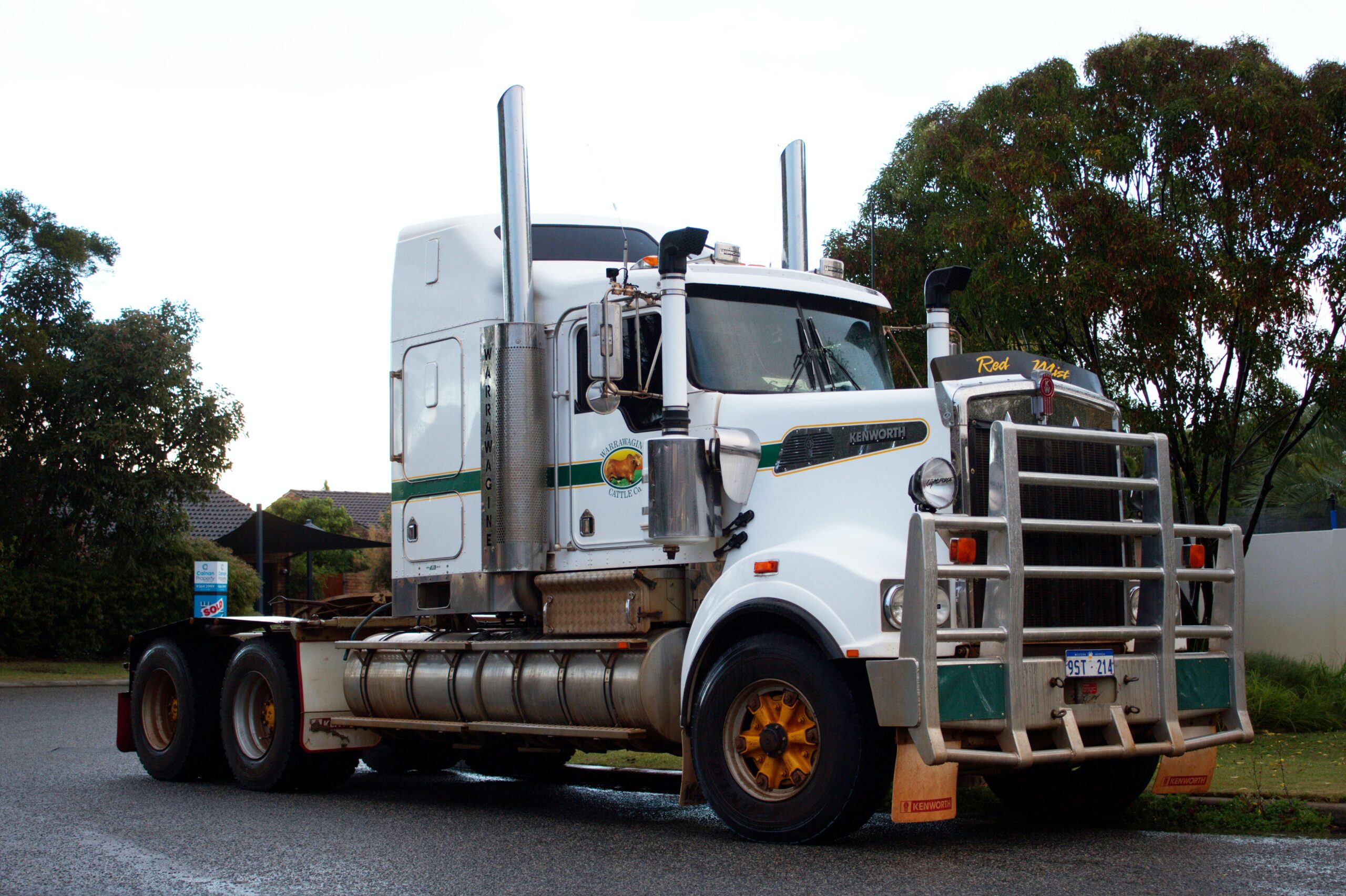
Truck accidents can have devastating consequences, often resulting in severe injuries and even fatalities. In densely populated areas like Brooklyn, these accidents pose a significant risk to truck drivers and other road users. However, with the rapid advancement of technology, there has been a notable improvement in truck safety measures. Brooklyn truck accident lawyers understand technology’s critical role in enhancing truck safety and preventing road accidents.
Table of Contents
Collision Mitigation Systems
One of the key advancements in truck safety technology is the implementation of collision mitigation systems. These systems utilize various sensors, cameras, and radar to detect potential collisions and provide warnings to the driver. In some cases, they even take autonomous action to prevent accidents. For instance, forward collision warning systems alert drivers if they are approaching a vehicle or obstacle too quickly, while automatic emergency braking systems can automatically apply the brakes to avoid or mitigate a collision. These technologies help reduce the risk of rear-end collisions, a common type of accident involving trucks.
Lane Departure Warning Systems
Another crucial safety feature in trucks is lane departure warning systems. These systems use cameras to monitor the truck’s position within its lane and warn if the driver unintentionally drifts out of the lane. Lane-keeping assist systems go a step further by gently steering the truck back into the correct lane. These technologies are especially useful in preventing accidents caused by driver fatigue or distraction, as they help maintain the truck’s position on the road and prevent it from veering into adjacent lanes.
Advanced Driver Assistance Systems
Furthermore, the integration of advanced driver assistance systems (ADAS) in trucks has significantly enhanced safety on the roads. ADAS encompasses a range of features, including blind-spot detection, adaptive cruise control, and automatic high-beam control. Blind-spot detection systems use sensors to detect vehicles in the truck’s blind spots and provide warnings to the driver, helping to prevent dangerous lane-changing maneuvers. The adaptive cruise control maintains a safe following distance from the vehicle ahead, adjusting the truck’s speed accordingly. Automatic high-beam control systems enhance visibility by automatically switching between high and low beams based on surrounding traffic conditions.

Telematics Systems
Additionally, truck manufacturers, along with the expertise of truck accident lawyers, have been implementing telematics systems in their vehicles. Telematics combines GPS technology and onboard sensors to gather real-time data on truck performance and driver behavior. Truck accident lawyers can use this data to identify potential safety issues and provide insights for driver training programs. By monitoring factors such as speed, harsh braking, and aggressive acceleration, trucking companies, with the assistance of truck accident lawyers, can take proactive measures to improve driver behavior and reduce the likelihood of accidents.
Advanced Camera Systems
Moreover, using advanced camera systems, such as rearview and side-view cameras, has become increasingly common in trucks. These cameras provide drivers with improved visibility and eliminate blind spots, making it easier to navigate tight spaces and detect obstacles. The integration of video recording systems can also prove valuable in accident investigations by providing crucial evidence and aiding in determining liability.
Conclusion
Technology has played a crucial role in enhancing truck safety and preventing accidents in Brooklyn and beyond. Collision mitigation systems, lane departure warning systems, ADAS features, telematics, and advanced camera systems have collectively contributed to a safer trucking industry. By leveraging these technological advancements, truck drivers and companies can minimize the risk of accidents, improve road safety, and protect the well-being of all road users. Boland Injury Lawyers, P.C., recognize the importance of these technologies in advocating for the rights of accident victims and ensuring that responsible parties are held accountable for their actions.