
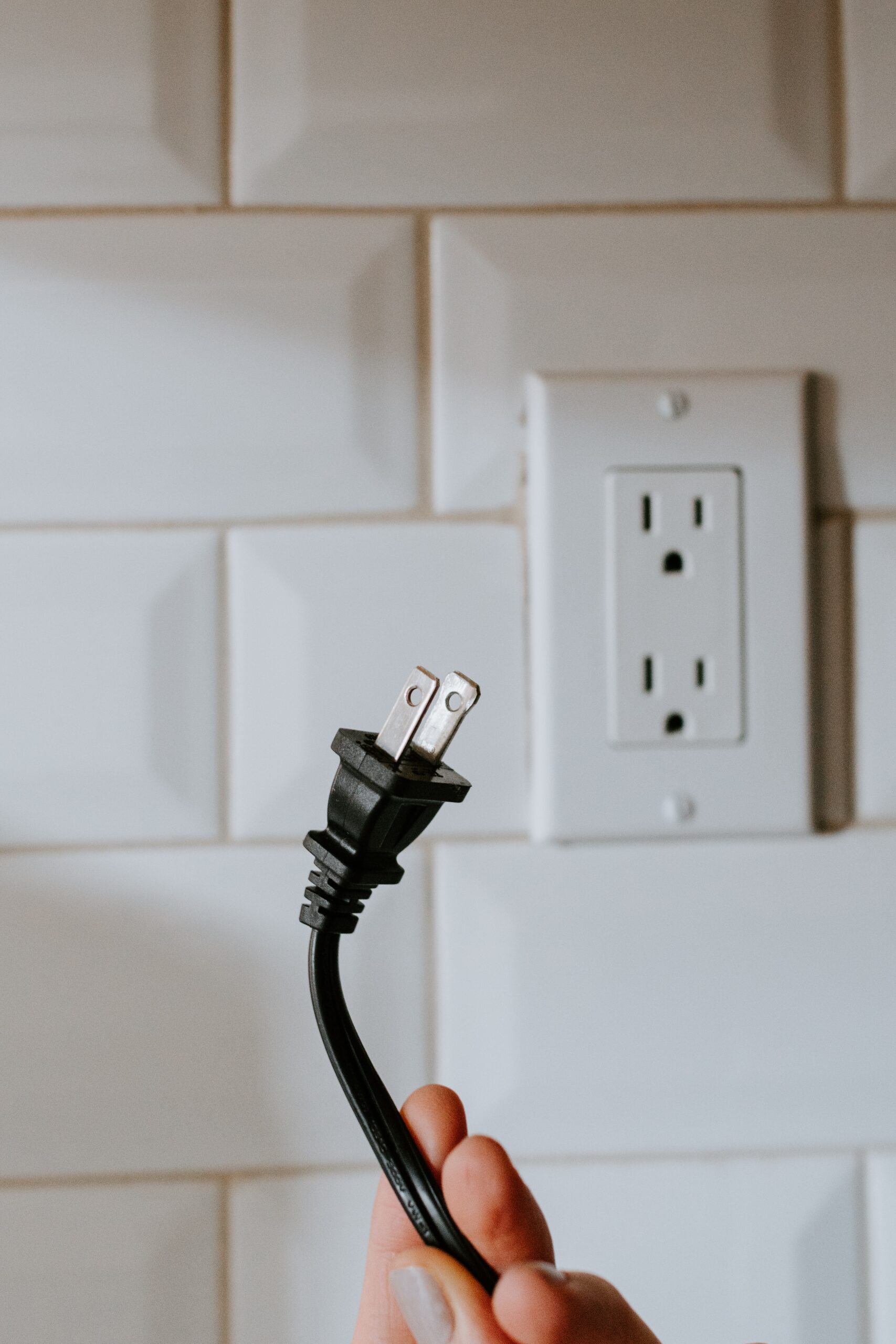
Fires have become a common phenomenon in modern society. According to the U.S. Consumer Product Safety Commission (CPSC), electrical distribution units are responsible for more than a third of these fires. While most fires occur at home, the office is now facing greater risks, especially with the increased use of electrical machines. From printers, computers, and scanners to water heaters, the risks in the modern office far outdo those in residential properties due to these electrical materials.
As an office manager, it behooves you to take proactive steps in order to avert such fires. The ensuing human toll and financial damage can devastate your business hence the need to get more insight on fire safety. The U.S. Fire Administration (USFA) estimates around $700 million in damages are suffered annually due to these fires. In 2013 alone, USFA says there were around 3,470 deaths, again highlighting the importance of mitigating such a risk.
With advances in technology, there are also emerging ideas that can help you effectively reduce the risk of fire in your business premises. Here are some practical steps you can take to cut the risk of fires at your office:
Avoid Overloading
Trying to deal with an inadequate supply of power can lead to overloading. In an office, you have multiple electrical appliances. You will hence find it more economical to use many electrical cables in order to use the single available outlet and this is where problems start. Your use of power strips and surge suppressors indicates that you need more outlets.
You must also avoid overloading the circuit and remember that in case of a large surge, the suppressor will need to be replaced to continue protecting your appliances. To protect your phone, use surge suppressors with phone jacks and cables that can also be used to protect computer modems or fax machines.
To avoid overloading, make sure you use a professional to come and assess your power needs and recommend the number of sockets that suit your needs. You should also capitalize on power surge protectors because when electrical units are overloaded, there is the risk of damage to the internal components.
Safety Testing
A professional inspection of all your electrical systems right from the electrical box to computers and all other appliances must be carried out regularly. This helps determine the health of your electrical and assures you that everything is under control.
During such inspection, the office should be cleared and only a certified inspector should be tasked with the project. The equipment must be assessed for any signs of deterioration while the plugs, wires, and cables must also be checked closely lest they pose danger to your office occupants.
Power and Extension Cords
It is common to overemphasize the safety risks involved in electrical materials while forgetting the danger involved in using power cords. In fact, these should be the main source of concern because of the power load that runs through them. Visual inspection is important to detect any fraying or cracking which would require immediate attention by an electrician and not a DIY project. What’s more, the way they are used determines the risk they pose. For instance, they should never be folded especially when in use.
In addition, you should only use cords that are certified by recognized institutions such as Underwriters Laboratories (UL) or MET. It is also important to ensure power is off when connecting a cord to an outlet. More importantly, never force a plug into a socket or tamper with the internal component of a plug.
It is important to avoid permanent use of extensions and instead optimize your power supply by adding sockets in the office. An extension cord must also be clearly rated for the intended use and you should assume 125 watts per amp when you want to determine whether an extension cord is right for your appliance.
Know the Dangers Signs
You can only prevent what you know and when it comes to electrical fire safety, you should have an idea of the signs to look out for. For instance, look for frayed cord covers, cracked plugs, or naked wires. Overheating is another danger sign and if you realize cords are hot or the appliances you are using are warming up rapidly, an expert should be called in.
It is also important to stash cords away from the floor where an employee might trip on them and cause much damage. Another danger is the use of electrical appliances on unsuitable surfaces such as near taps. Poorly maintained electrical materials such as blenders might also point to a bigger problem.
Fire and Water Safety
As a rule of thumb, water and electricity can never mix. As such, you must put the two as far apart as possible. All water outlets should be located away from the electrical box or all other electrical appliances. Electrical appliances should also be avoided in the bathroom and always dry your hands before handling any electrical components.
Well, these tips are essential but you must ensure every member of staff internalizes them. Most fires happen due to negligence and they can even be averted. While shopping for electrical materials, make sure they are fully certified by testing labs such as the Canadian Standards Association (CSA), or Underwriters Laboratories of Canada (ULC) among others. What’s more, you should use surge protectors for all your appliances to prevent damage.
It is absolutely important to have regular checks done on your electrical systems to avoid the risk of electrical fire. These inspectors give you invaluable tips in protecting against office fires.
