Table of Contents
It’s not difficult to see the appeal of running an HVAC business. People always need professionals to install and repair HVAC systems, and you have both a commercial and a residential market to take advantage of.
Whether the mainstay of your work is as an air conditioning contractor or you decide that you are going to focus on callouts and emergencies, there are certain ways to ensure your HVAC business is successful.
Write your HVAC business plan
Finding a successful business that has never created a business plan is very rare. A business plan helps you work out how you will invest in your business and what sort of growth you expect. This is essential to work out timescales and budgets for the future and know whether you are on target or falling behind.
An HVAC (heating, ventilation, and air conditioning) business plan should contain several key elements to ensure its success, in particular:
- It should have a clear and concise executive summary that outlines the business’s mission, goals, and objectives.
- It should include a market analysis that identifies the business’s target market, competition, and industry trends.
- It should outline the business’s products and services, pricing strategy, and marketing plan.
- It should include an organizational structure that details the roles and responsibilities of the business’s staff, as well as their qualifications and experience.
- It should have a financial plan outlining the business’s projected revenue, expenses, cash flow, and funding sources.
- It should include an implementation plan that outlines the steps the business will take to achieve its goals and objectives, including timelines, milestones, and performance metrics.
Overall, a well-crafted HVAC business plan should serve as a roadmap for success and help the business stay on track to achieve its goals.
Business cost analysis
Your cost analysis should help you to work out potential opportunities as well as the costs involved with running your business. How viable is the business itself? What are the things you absolutely have to pay for? These may include transport, premises, and more.
HVAC Licensing, Business and Insurance Requirements
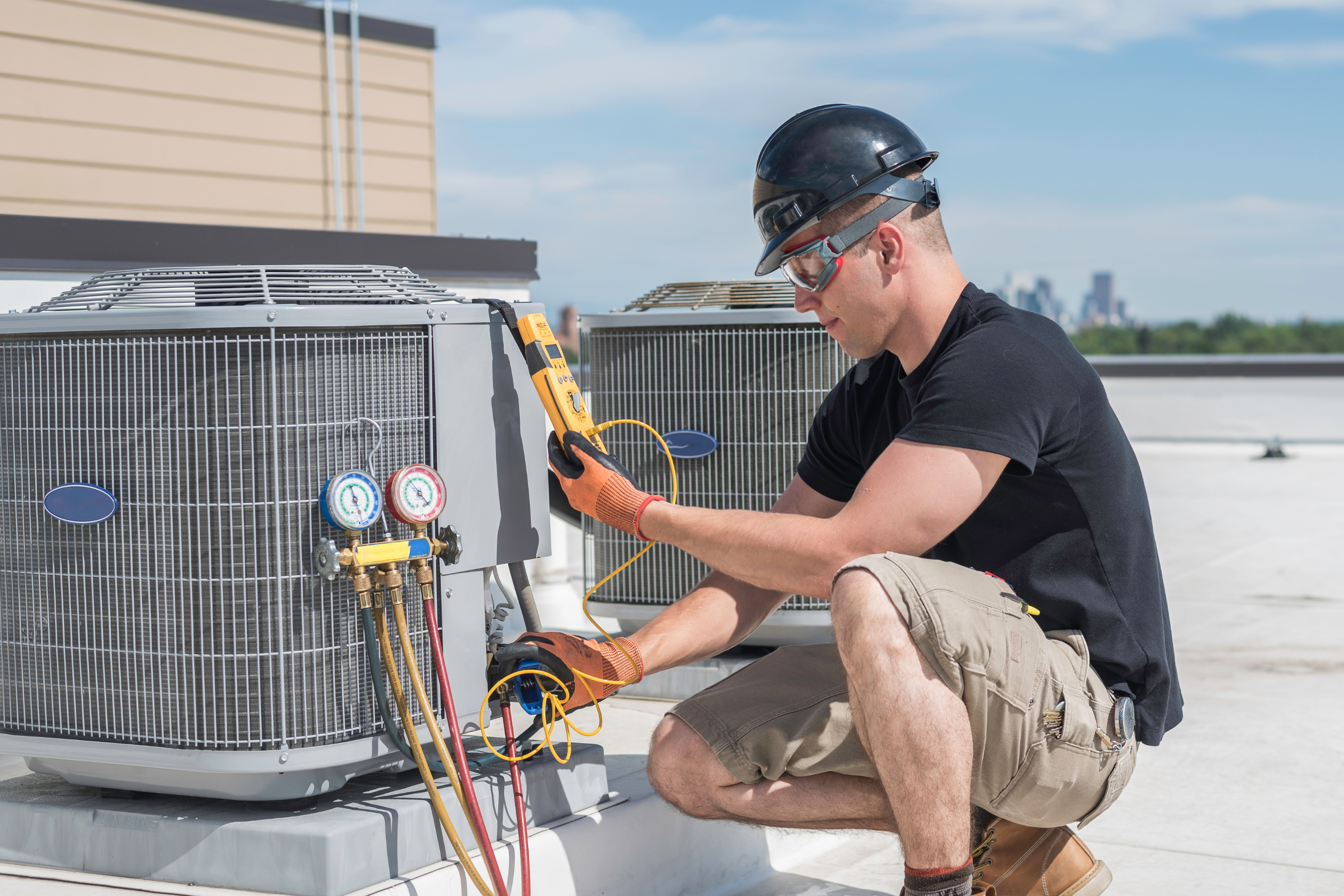
What licenses do you need to install the HVAC systems and maintain them? Many brands have specific training requirements, and it is your responsibility to ensure that you are doing all that is required to stay within the laws and regulations.
There are plenty of health and safety rules related to HVAC systems, and you must consider these before you start working in the field.
On top of this, it may be a legal requirement to get your business insured, and even if it is not, it’s a good idea to cover yourself against various scenarios.
In many states, you’ll also have to get a license to operate a business. Make sure you have considered all of the business startup factors before you start trading.
Building an efficient HVAC team
If you’re planning to build a large HVAC business and already have the work to justify this, then it is time to build your team. Make sure that you employ people who are qualified to work with HVAC systems, and try to build experience into your team, as this can help a fledgling business grow and flourish.
HVAC Business Marketing Plan
As well as a business plan to cover things like budgeting, you should also work on a business marketing plan. How are you going to get your services in front of people? What are your advertising techniques and special offers to incentivize people to choose you over the competition?
A marketing plan gives you something to work towards and a plan to find the best opportunities to get in front of potential customers.
Use service management software.
Service management software helps you to track customers from the very first steps through to the end of their journey working with you, from a lead based on an inquiry all the way through to a repeat customer. It makes it so much easier to track and ensure nobody gets forgotten about.
Additionally, adding Fablink’s HVAC estimating software, will not only help you deliver the best technologies available but also customize the products to a specific customer’s needs, hence allowing you to bid on jobs more accurately and close deals confidently.
Create a website
There’s no excuse for not having a website in the modern age. It is easier than ever to set up a site using a hosting provider, and web builders mean you don’t need any specific skills to get started. Websites can get you organic traffic from Google and potential new leads and customers.
Ensure your site has clear instructions on contacting your business and the services you offer. Over time, you’ll want to continue to tailor the site to your business and show your credentials.
Use Digital Marketing
An HVAC business needs digital marketing for several reasons. Firstly, most consumers nowadays use the internet to search for products and services, including HVAC services. An HVAC business can increase its visibility and reach a wider audience by having a strong online presence through digital marketing.
Secondly, digital marketing allows for targeted advertising, which means that an HVAC business can show its ads to people who are most likely to need its services. This can lead to higher conversion rates and a better return on investment (ROI) for the business.
Additionally, digital marketing can help build customer trust and loyalty by providing valuable content, such as blog posts and social media updates, that educate and inform customers about HVAC systems and services. Overall, digital marketing is crucial for an HVAC business to stay competitive in today’s digital age and attract and retain customers in an increasingly crowded market.
Focus on customer service
This is a service business, and if you aren’t putting your customers first at every opportunity, you are running the risk of them going elsewhere. Make sure you have a policy and strategy around dealing with customers and always provide excellent customer service. Word travels, so people will quickly find out whether your business is providing great customer care or whether they feel like an afterthought. This can make or break your new HVAC business.