

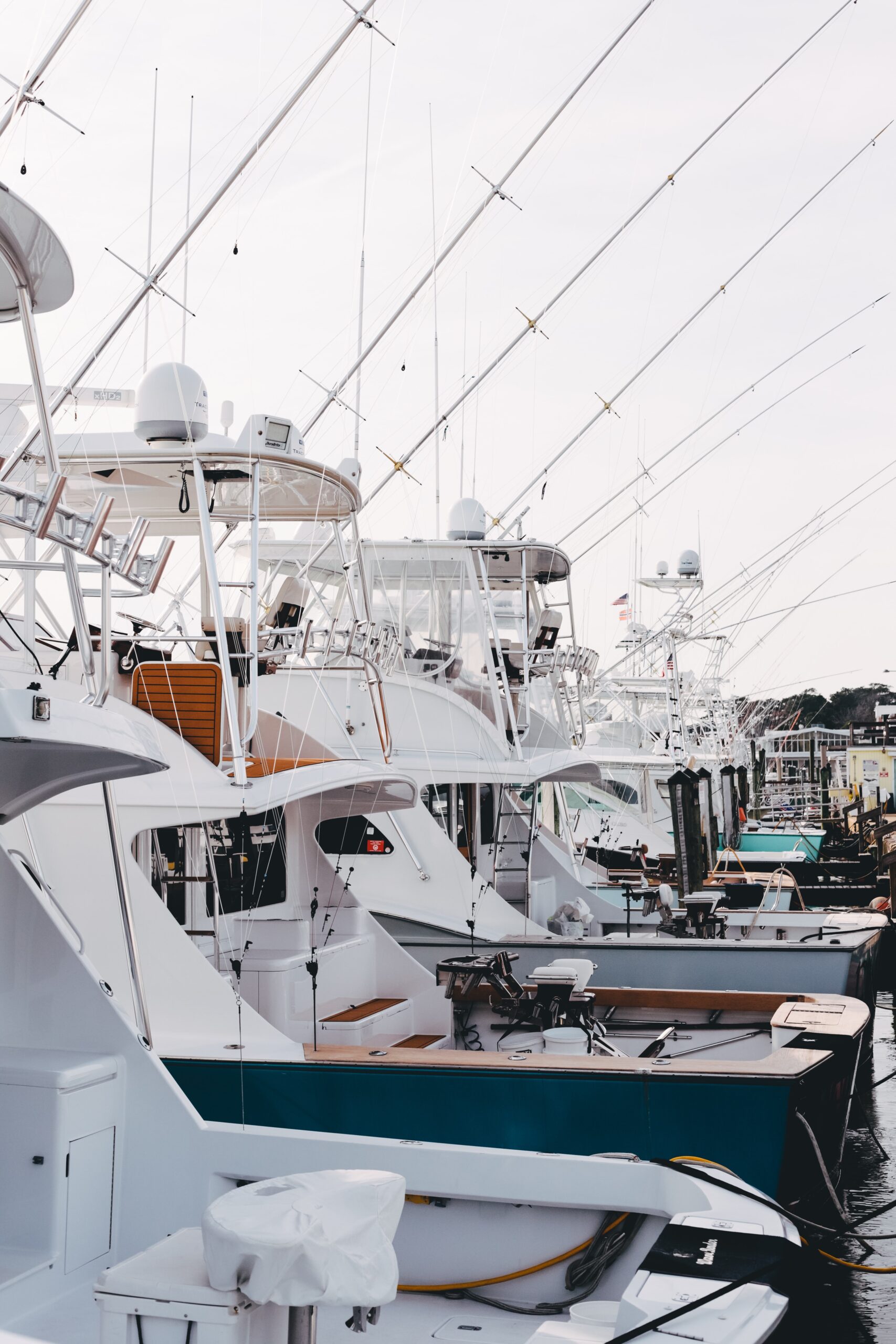
Reports of boat accidents in the United States (US) have been quite frequent of late. In the year 2020 alone, the U.S. Coast Guard reported that there were a total of 5,625 boating accidents in the entire country.
As a result of these accidents, 767 people died as a result and 3,691 were injured. It also resulted in property damage amounting to around USD $62.5 million. If you think you’re facing a potential lawsuit for boating accidents and injuries, you might want to check out https://www.sadakafirm.com/boat-accident-lawyer/ and other similar sites.
What Are Rental Boats?
There are many different purposes for boats and other marine vessels. Merchant vessels, oil tankers, passenger ships, and cargo vessels can all be leased or chartered. But that’s not what’s referred to in this article. The rental boats referred to here are those used for recreational purposes. Here are some examples of rental boats:
- Personal Watercraft
- Jetskis/Wave Runners
- Airboats
- Go-Fast Boats
- Tenders
- Center Console Runabouts
- Inflatable Boats
- Semi-rigid Inflatable Boats
- Kayaks
- Cabin Cruisers
- Canoes
- Paddleboards
- Pontoons
- Sailboats
- Yachts
It is typical for the boat owner to have boat policy insurance that provides liability coverage. There are also some homeowner’s policies that allow liability coverage for boats to be added to the main coverage.
Who Is Liable For Boating Accidents?
You can also be held liable when a boating accident happens because the usual reaction of the person who gets hurt or injured is to sue the rental boat operator or company.
The legal theory typically invoked in these lawsuits is that the boat operator was negligent. Sometimes they’d also argue that the rental boat failed to provide measures to ensure that the passengers would be reasonably safe.
In most states, family members have the right to sue their own family members. If the boating accident involves members of the same family or very close relatives, most states allow the nearest of kin to sue the other family members who may have been negligent in watching over those who got harmed or injured.

Other Liable Parties
Here’s a brief outline of the potential liability of the different people or parties who can also be held liable for boating accidents:
Boat Rental Companies –
The usual reaction of the person or family that was harmed or injured in a boating accident is to sue the boat rental company for damages.
This is squarely applicable if the operator of the boat is an employee of the boat rental company. But some rental companies were also sued even though the boat operator wasn’t their employee and the suit was allowed.
Boat Owners –
The owners of the boat can also be sued and held liable for damages if the judge finds that the primary or direct cause of the boat accident was a mechanical failure in the boat or any of its equipment.
The boat owner can be held liable for failing their legal obligation to maintain the boat in a safe and sailable condition, especially if this results in a crash, collision, accident, or injuries to passengers.
Boat Manufacturers –
The manufacturing company or the makers of the boat can also be held liable if the judge finds out that the primary cause of the accident was a defect when the boat was manufactured.
The boat manufacturer is the party responsible for defects during the manufacturing process. If those defects result in accidents, they can be sued under either common law or product liability statutes.
Other Passengers –
There are certain instances when another passenger could be at fault for the accident or injuries. This happens when a passenger is so negligent, reckless, or intentionally does something to harm another passenger or cause the boat to crash.
More concrete instances would be when the passenger prevents the boat operator from driving the boat safely. The passenger could start a fire onboard or push another passenger overboard. The passenger who was at fault will be held liable when this happens.
How Is Fault Determined?
The boat operator can only be held liable if their negligence or fault can be established by those suing under these circumstances:
- If it can be proven that the operator knew at the time that the weather was bad and that it would be risky to go on with the boat ride.
- If there’s evidence that the boat operator’s ability to drive the boat during the time of the accident was impaired. Examples of these are when the operator was drunk, drugged, or too tired to sail the boat.
- If it can be shown that the operator isn’t familiar with basic boat operations, such as the use of the throttle.
- If the boat operator admitted at any time that he or she didn’t really know much about sailing a rental boat.
Conclusion
Riding a rental boat for pleasure or recreation can be a very nice experience. But sometimes a freak accident happens, and before everybody knows it, the boat crashes, and one or more passengers are severely injured.
This has happened quite frequently in the US in 2020. The operator and the owner of the rental boat are the ones usually sued and held liable when a boating accident happens.
