No longer is machinery and equipment only used by sectors like the manufacturing, construction, and energy industries. Businesses of all sizes in a myriad of industries now commonly use machines to produce products or handle other tasks.
So, even as a small business owner, if you own equipment assets, it’s crucial that you regularly perform preventive maintenance.
By doing so, you ensure pieces of equipment are less likely to fail. In turn, that means there is less downtime and high productivity can be maintained.
Get started with preventive maintenance by checking out the following helpful tips.
Schedule Your Maintenance Checks According to Equipment Type and Usage
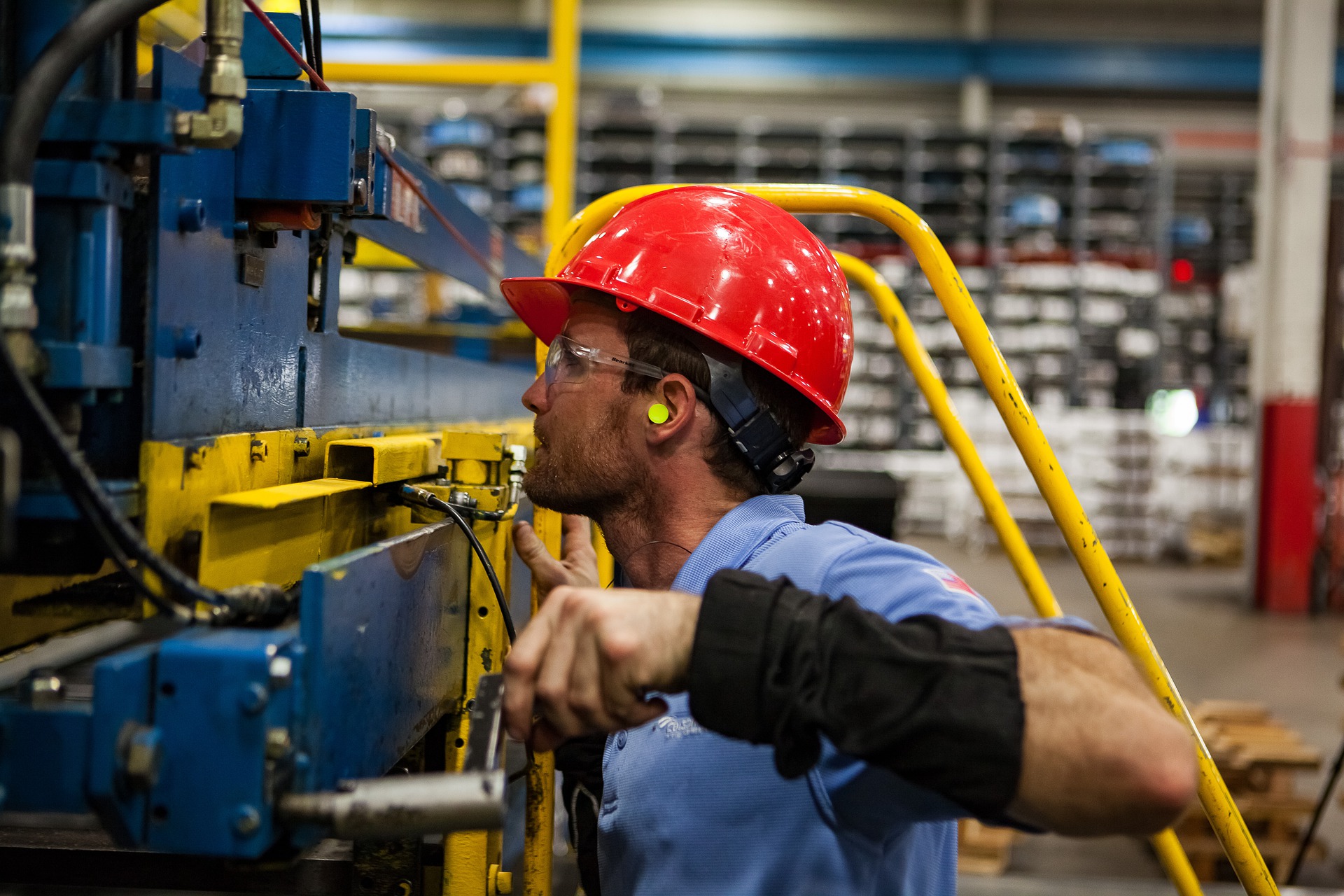
Even if you have equipment that prompts operators to perform maintenance tasks, that usually happens when a maintenance issue is noticed.
On the other hand, the whole point of preventative maintenance is to prevent issues from happening in the first place. Therefore, you should schedule regular maintenance in advance. That then means there’s no disruption in production.
You should schedule your maintenance checks according to the specific type of machinery you’re using. Some equipment is best checked every three months, while other assets only need to have maintenance checks performed every six months.
You also need to take into account how often you use each piece of equipment.
Put a Structured System in Place and Make Employees Accountable for Performing Tasks
Having a schedule in place certainly helps to ensure maintenance checks and servicing tasks are carried out at the right times, but without coordination among your workers, the schedule could soon fail.
Put a clear structure in place that shows what preventive maintenance activities need to be performed and when, who is responsible for coordinating the maintenance tasks, and which employees are responsible for actually performing the tasks.
It’s best to use a software program for your preventive maintenance schedules and allocations to ensure consistent results.
Schedule Preventive Maintenance for Periods of Low Production
When you have a strict, structured preventive maintenance schedule in place, you can avoid unnecessary machinery downtime. But maintenance still requires equipment to be out of use for periods of time.
So, to lessen the downtime, even more, schedule your maintenance according to seasonality.
When you schedule preventive maintenance for slower seasons, you can ensure productivity remains high during your busiest times.
Have Spare Parts in Stock
One of the key reasons for performing preventive maintenance, in addition to ensuring your assets last longer, is to minimize production downtime. Therefore, just as important as performing maintenance checks regularly is making sure you have spare parts in stock.
If your equipment needs parts replacing and you don’t have them in your inventory, it can greatly affect your production line.
So, purchase spare parts before they are actually needed.
Always Have Service Manuals on Hand
Even the most experienced technicians need to have access to service manuals for different equipment to ensure maintenance is carried out correctly and answer any questions they may have.
Service manuals contain valuable information like parts identification, operational instructions, and safety guidelines, as well as specific maintenance sections.
It’s vital that service manuals for each piece of equipment are easily accessible so that operators can carry out preventive maintenance procedures on schedule.
Summing Up
With a structured preventive maintenance schedule in place, you can ensure all of your company’s assets are checked and serviced in timely ways.
That enables less equipment downtime to ensure productivity remains high. And when checks, repairs, and part replacements are conducted regularly, your assets will last longer.
In turn, that means your business can save money in the long run and continue to operate at full capacity.